



Aluminum vs. Stainless Steel vs. Brass: Selecting Nameplate Materials

We see this question on almost every new industrial RFQ: Aluminum or stainless steel? Sometimes brass is added as a premium option.
Ultimately, the material decision for an equipment nameplate comes down to three factors: the operating environment, the required marking method, and the total cost of field failure. Here is how each material actually performs when deployed in the field.
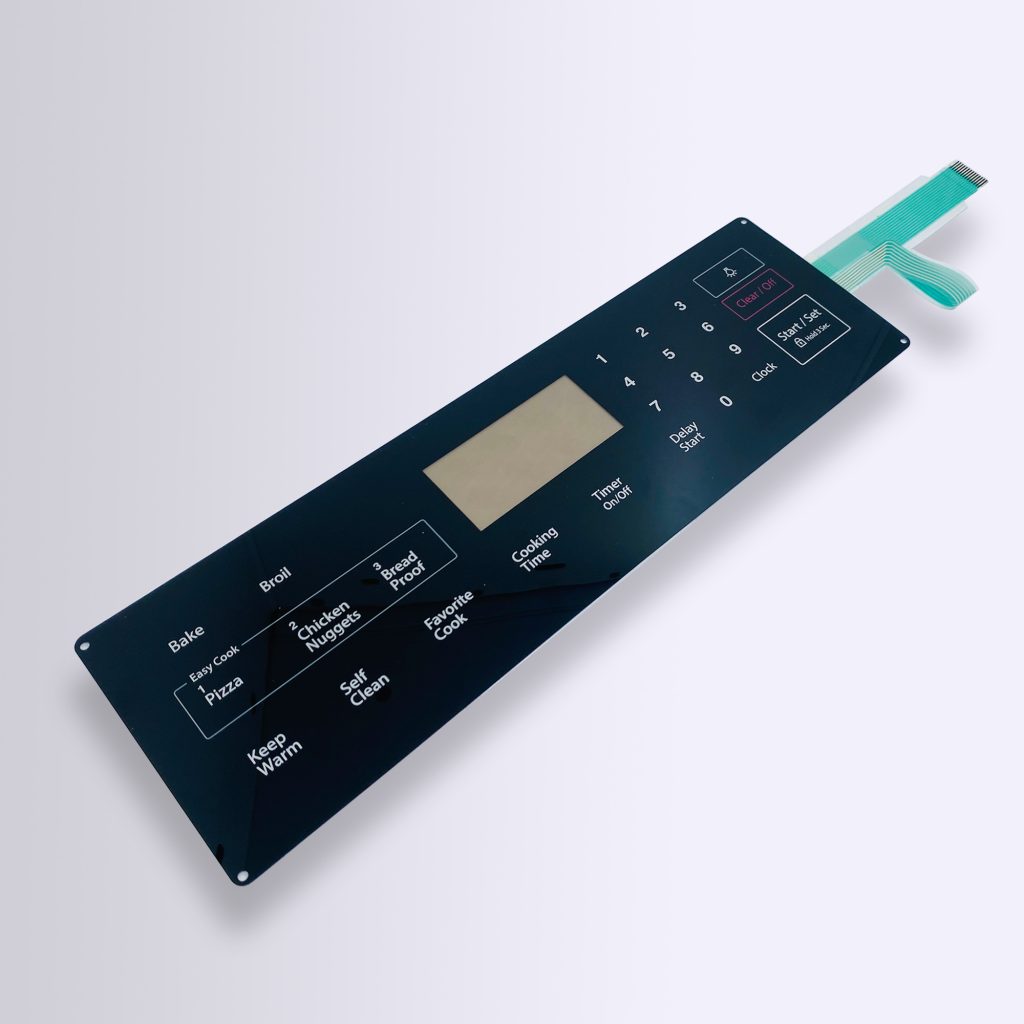
Capacitive False Triggers
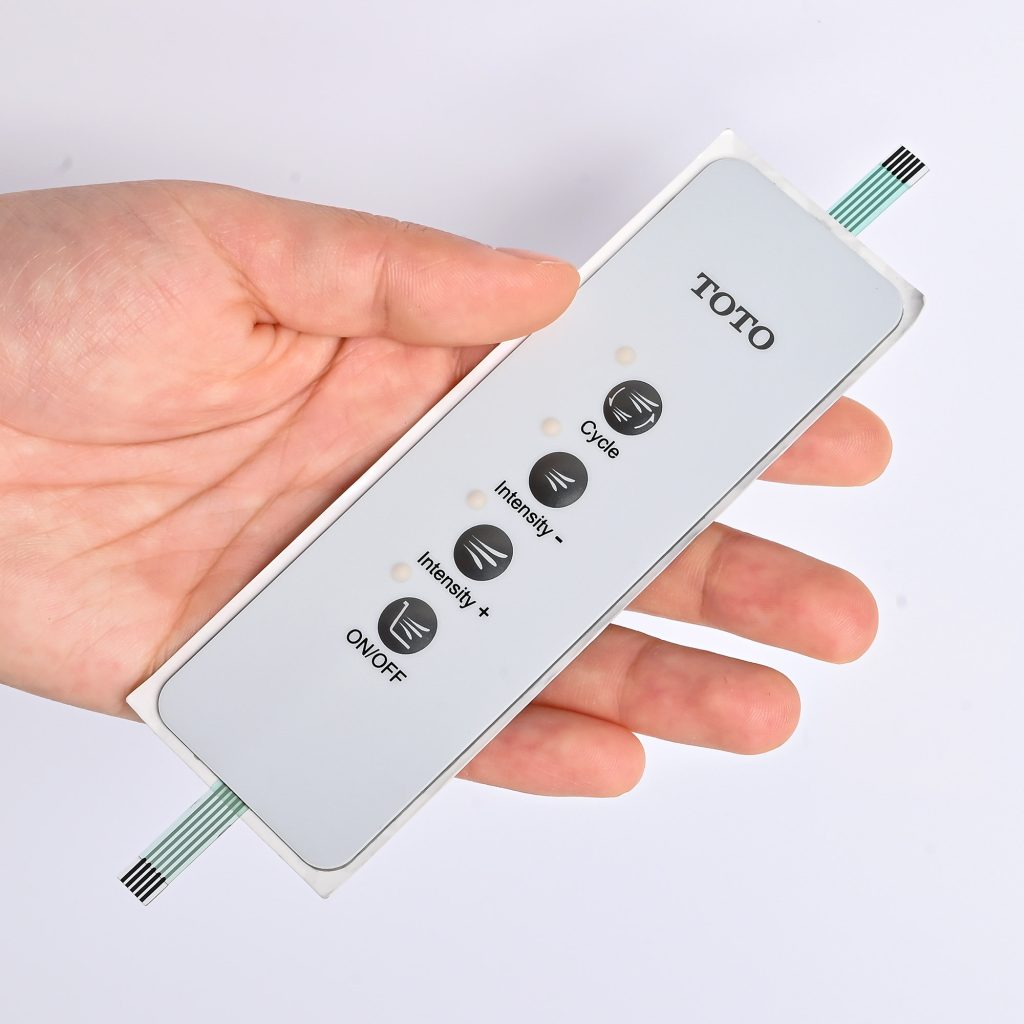
Budget IP Overlays
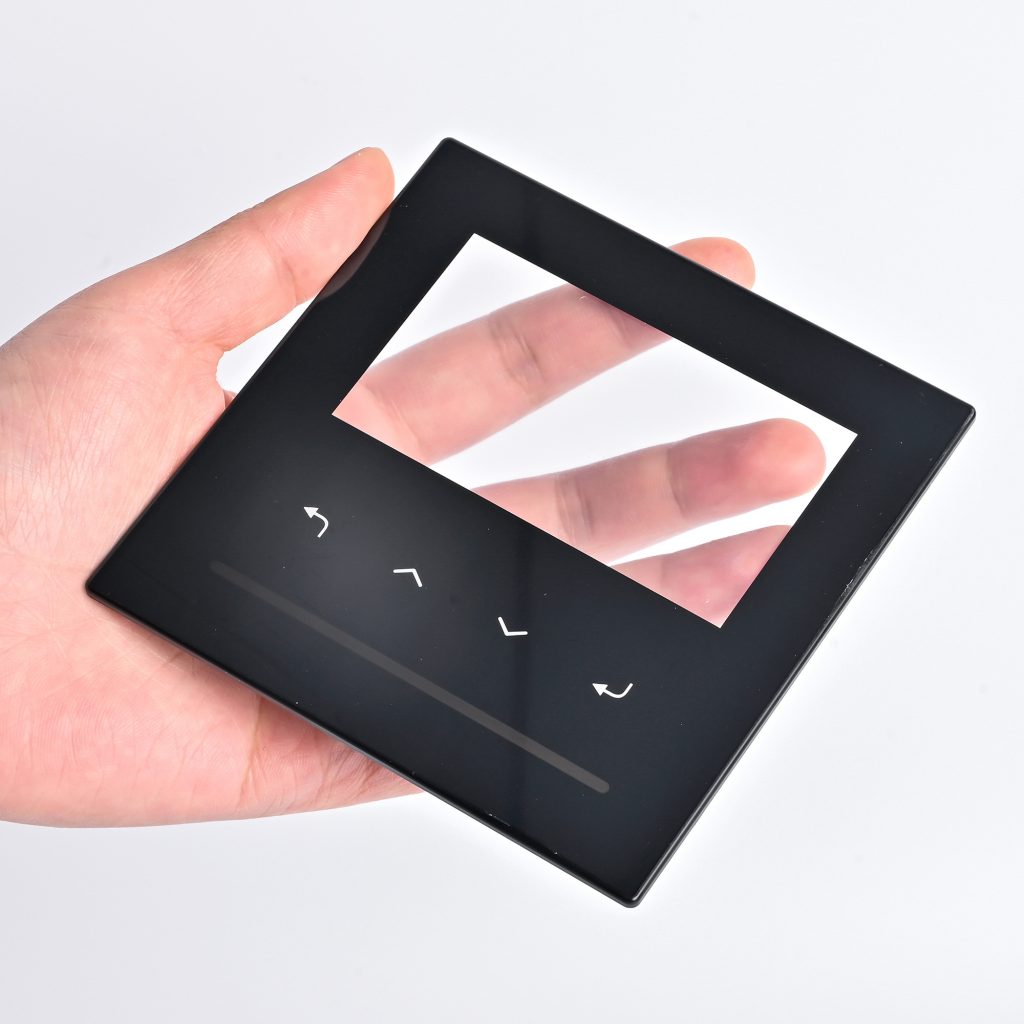
Foggy Overlay Windows
1. Anodized Aluminum: The Industrial Standard
Anodized aluminum handles the vast majority of nameplate applications. The anodization process converts the surface layer into aluminum oxide. Because this oxide is harder than the base metal and chemically converted rather than applied on top, it cannot peel or delaminate.
When laser engraved, the laser burns through the colored anodized layer to expose the bare aluminum beneath, producing a high-contrast mark that survives decades of mechanical wear. Therefore, 0.8mm anodized aluminum covers most industrial requirements at the lowest cost point.
The Failure Conditions:
However, aluminum has strict environmental limits. High-pH cleaning agents (above pH 9), such as caustic washdowns in food processing or concrete splatter, actively attack the anodized layer. Furthermore, above 150°C, aluminum loses structural integrity. If your equipment faces strong alkaline chemistry or high heat, aluminum will fail.
2. Stainless Steel: For Harsh Environments
We see this question on almost every new industrial RFQ when buyers are selecting nameplate materials: Aluminum or stainless steel? Sometimes brass is added as a premium option.
Ultimately, the decision for industrial nameplate materials comes down to three factors: the operating environment, the required marking method, and the total cost of field failure. Here is how each material actually performs when deployed in the field.
The Weight Factor:
Engineers must note that 1.0mm stainless is roughly three times heavier than equivalent aluminum. Specifying 316 stainless for an indoor motor controller adds significant weight and cost without providing any actual performance benefit.

3. Brass: The Premium Aesthetic
Unlike stainless steel, brass is not specified for environmental resistance. Without additional surface treatments, it does not survive aggressive chemical or marine environments well.
Instead, brass is chosen when the nameplate is customer-visible and must communicate premium craftsmanship. Precision instruments, luxury commercial hardware, and architectural applications utilize brass because its density and warm gold tone deliver a tactile and visual quality that aluminum simply cannot match. Deep relief engraving with enamel fill keeps this metal aesthetic intact.
Material Performance Comparison
| Specification | Anodized Aluminum | Stainless Steel | Brass |
|---|---|---|---|
| Relative Cost | Low | Medium - High | High |
| Weight | Light | Heavy | Medium - Heavy |
| Harsh Temp Limit | Up to ~150°C | Excellent | Moderate |
| Chemical Resistance | Good (Fails in Alkaline) | Excellent (Use 316 grade) | Moderate |
| Best Marking Method | Laser, Screen Print | Etch, Laser | Engrave, Electroplate |
| Best Application | General Industrial | Harsh/Marine Environments | Premium & Visible Identity |

Avoiding Over-Specification
A significant share of the RFQs we review specify stainless steel for applications where anodized aluminum would perform identically. This usually happens when specifications are copied from previous projects without reviewing the new operating environment.
At BX-PANEL, we conduct a strict DFM (Design for Manufacturing) review on every new nameplate program. We flag material over-specification immediately. Catching a material mismatch before cutting tooling is far less expensive than dealing with a failed compliance audit in the field.
Company Backing: Your Trusted Manufacturing Partner
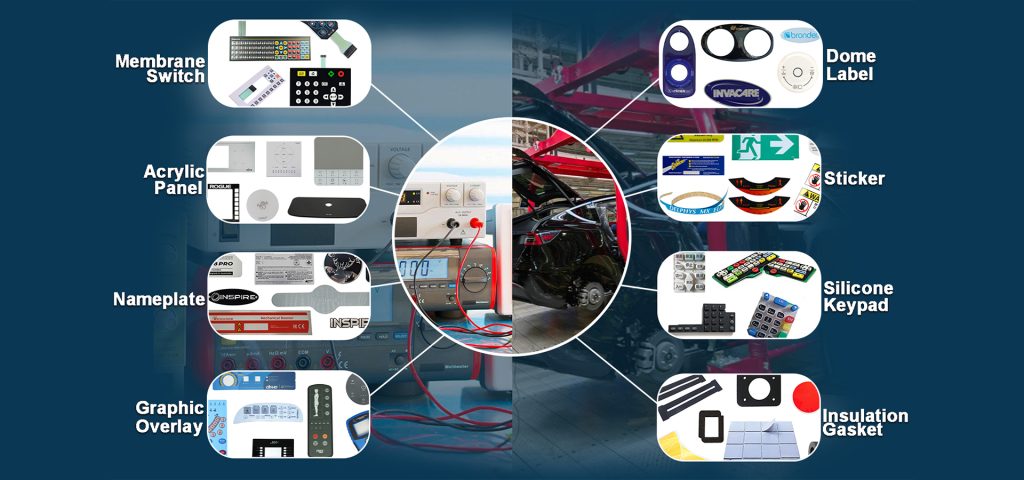
Bx-Panel has been at the forefront of the electronic printing and HMI industry for nearly 10 years. Located in Xiamen, Fujian, China, we operate a state-of-the-art 3,000㎡ manufacturing facility powered by over 100 skilled workers and a dedicated, innovative design team.
As a premier membrane switch manufacturer, our extensive business scope includes:
From prototyping to high-volume production, we ensure high yield, superior quality, and competitive pricing for clients globally.