Why OEM Procurement is Rethinking Custom Graphic Overlays
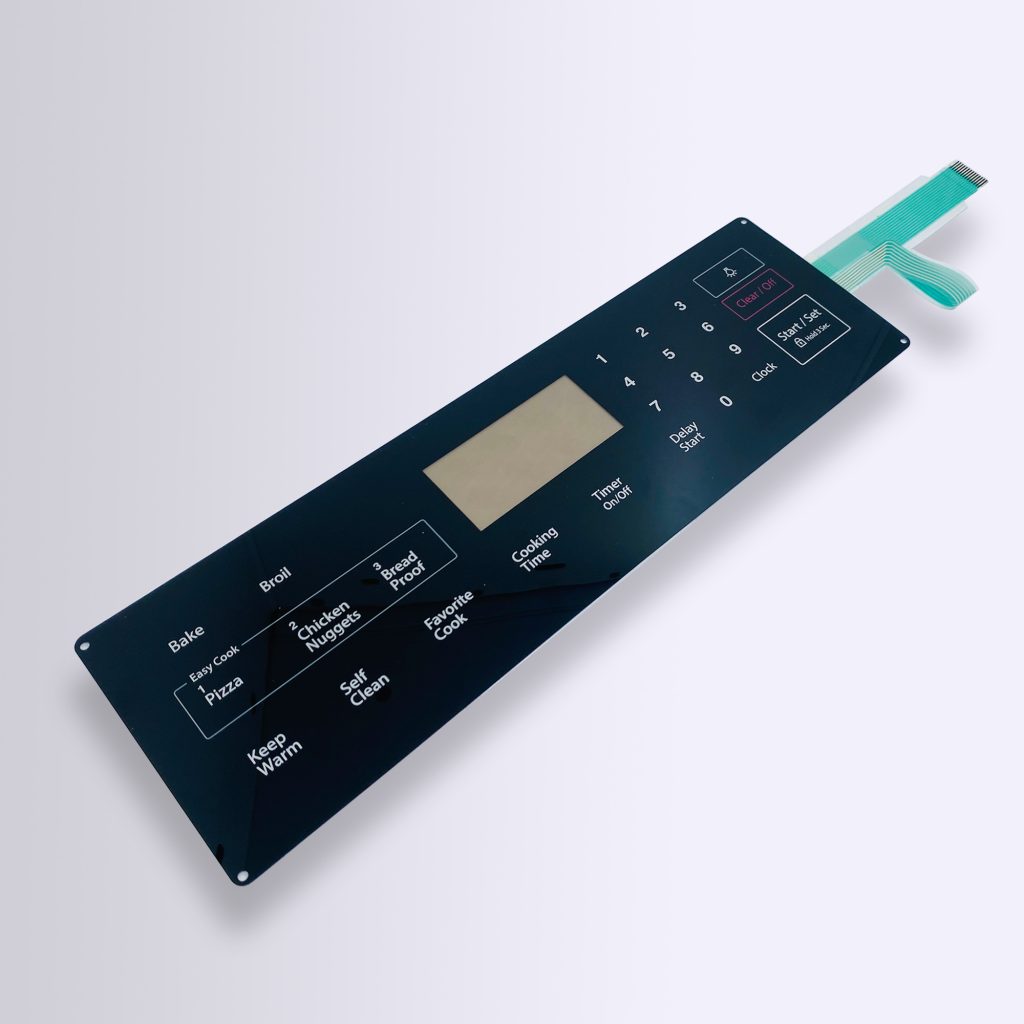
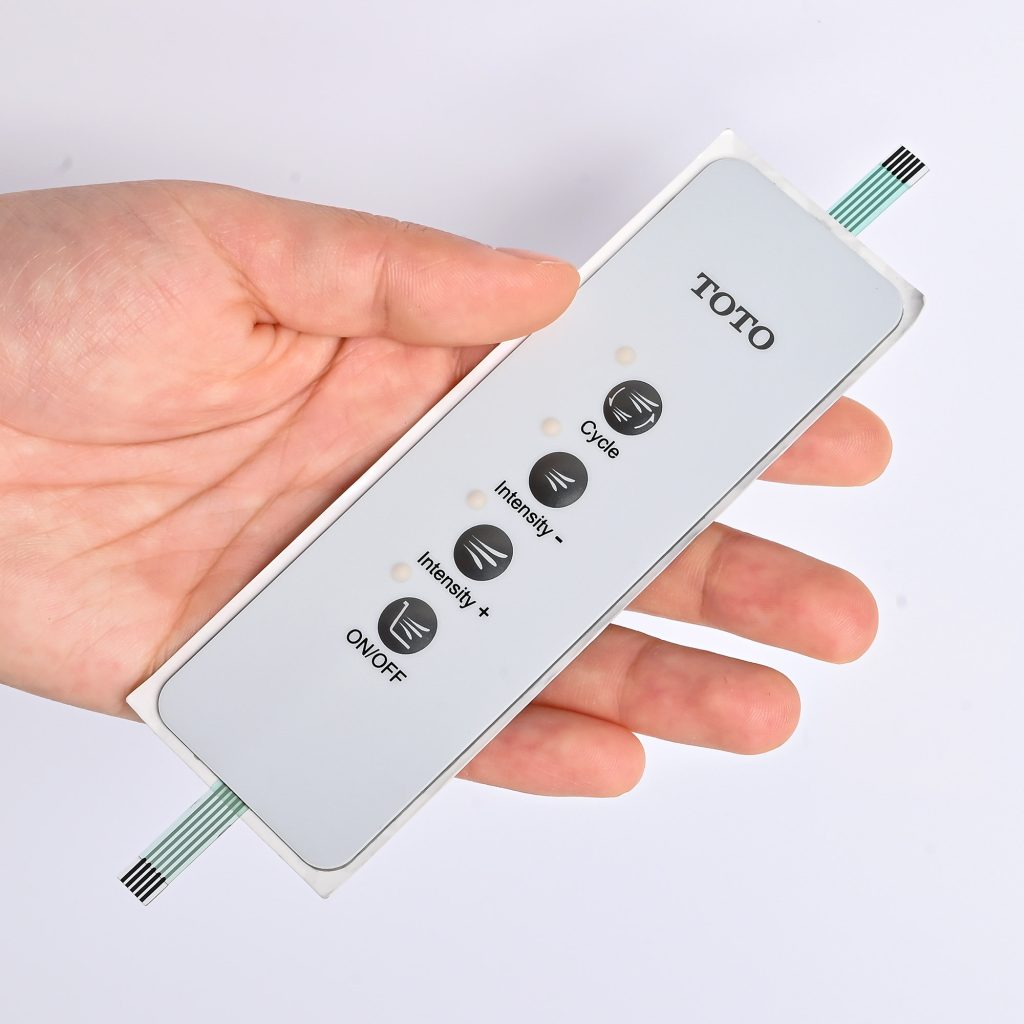
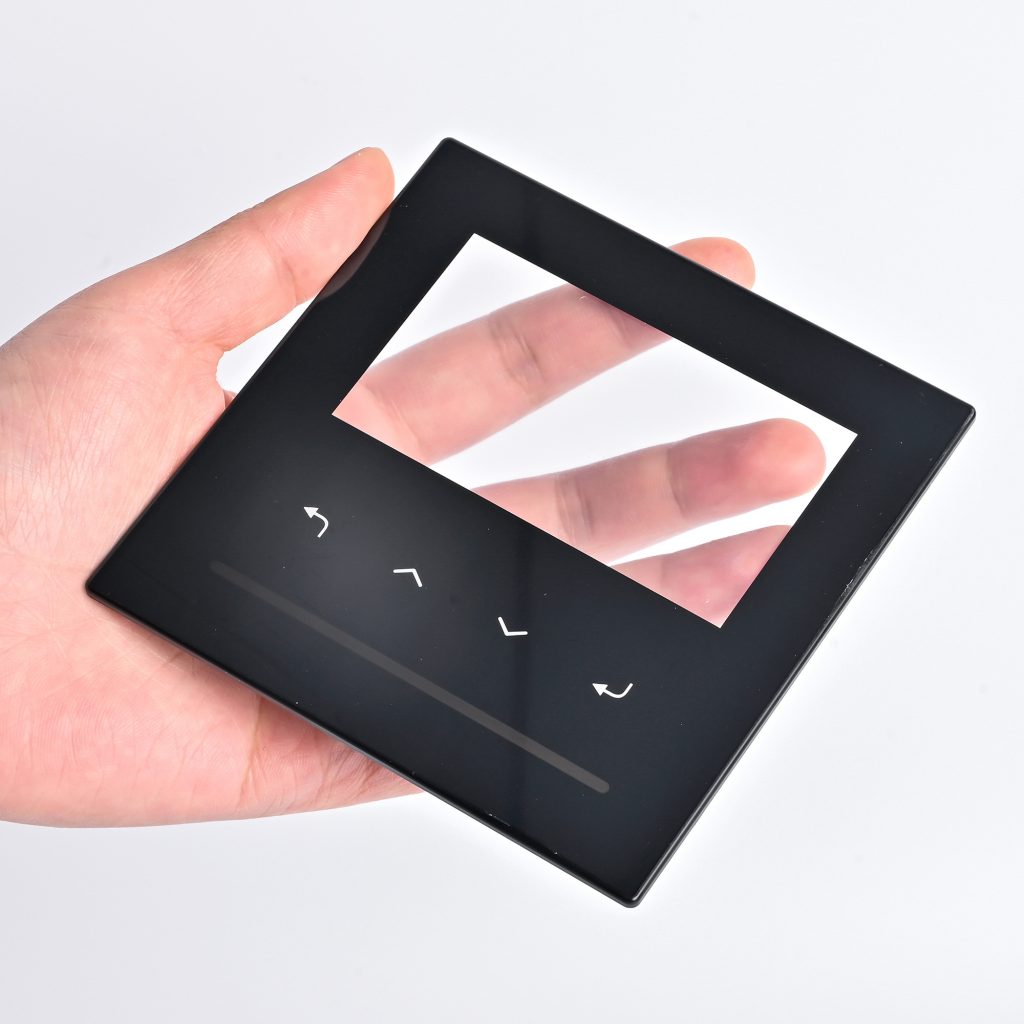
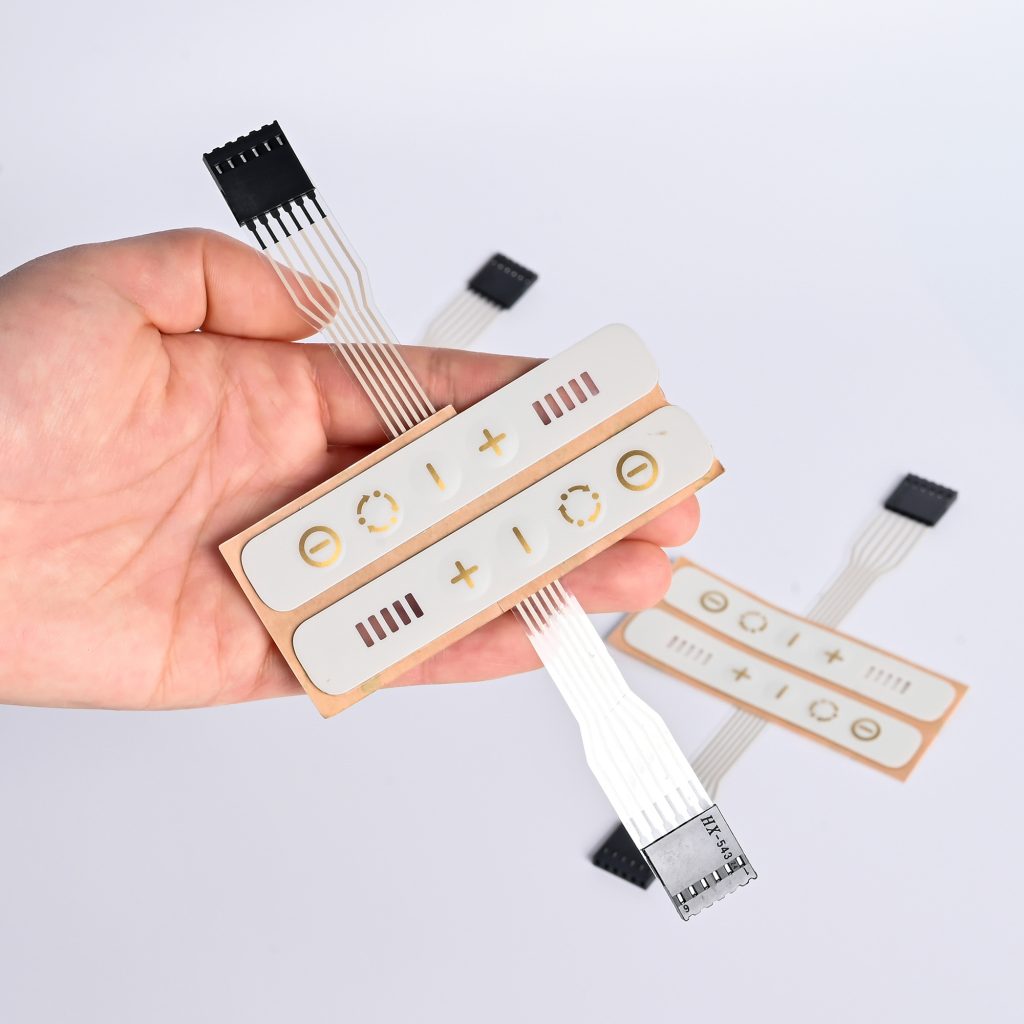
Spend enough time on a factory floor, and you notice when buyer behavior shifts. Over the past several years, custom graphic overlays have transitioned from a late-stage, lowest-bidder commodity to a highly audited, quality-critical specification. Here is why serious OEM buyers have fundamentally changed how they source them.
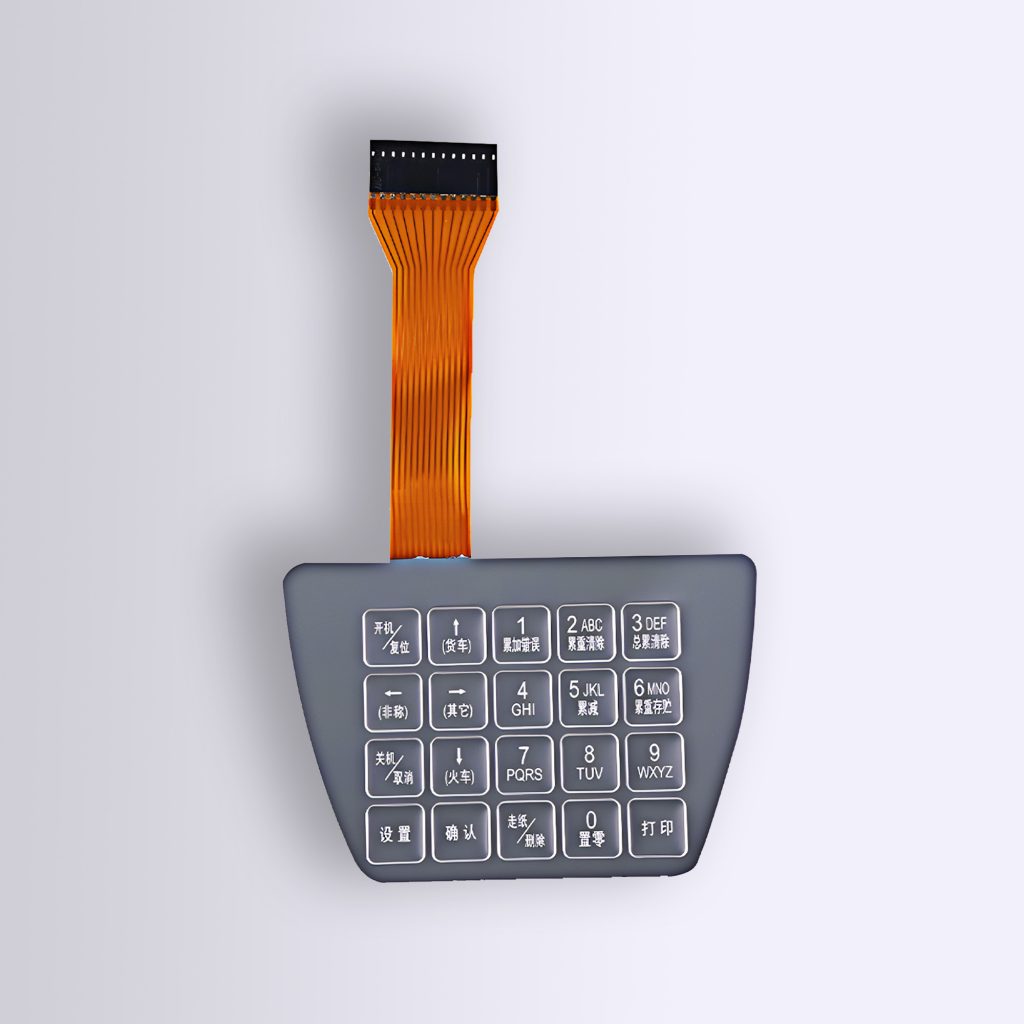
Most internal components—PCBs, power supplies, and internal wiring—are completely invisible during normal operation. The graphic overlay is the only surface the operator touches, reads, and judges every single day.
Before a medical monitor, EV charging station, or industrial controller even powers on, the user assesses its quality based on panel color accuracy and tactile key snap. When an overlay fades, peels at the edges, or loses its tactile response after two years in a harsh environment, the user does not report an “overlay failure.” They report a complete product failure. The overlay is the first quality signal a product broadcasts; getting that signal right is exponentially cheaper than recovering from a field return.
Regulatory Audits and Supply Chain Accountability
Following recent supply chain disruptions, material traceability requirements have tightened significantly. In medical devices and UL-listed industrial equipment, auditors now routinely demand film lot numbers, adhesive specification sheets, and ink chemistry declarations.
A fragmented supply chain—where artwork preparation, screen printing, and die-cutting happen across three different vendors—is a massive compliance liability. When a batch fails incoming inspection, root cause investigations cross multiple vendors, and resolution takes weeks.
OEM buyers in regulated markets now prioritize factories that run every process under one roof. A supplier that handles pre-press engineering, printing, embossing, and lamination on the same floor can definitively answer a quality question and produce First Article Inspection (FAI) records on demand.
The True Cost of Ownership (TCO)
A custom graphic overlay might cost a few dollars, but the finished industrial equipment it installs on costs thousands. A field return, a service call, or a production line stoppage caused by a peeling overlay costs multiples of that original purchase price.
Procurement teams tracking Total Cost of Ownership (TCO) have arrived at a simple conclusion: holding color accuracy across a 5,000-piece run and maintaining strict ±0.2mm tolerances is worth far more than a marginally lower unit price at the point of purchase.
Engaging the Source Factory Early
The OEM buyers who have worked through these field failures now get overlay suppliers involved before the enclosure design is even finalized.
At BX-PANEL, we run this exact technical playbook. New OEM programs start with a strict Design for Manufacturability (DFM) review before any sampling cost is incurred. Material selection is documented, and FAI records are issued as a standard deliverable on every production order. Operating from our Xiamen facility for over a decade, we maintain dedicated pre-press, printing, and die-cutting departments under a single quality management system to ensure your product’s first touchpoint is flawless.
Company Backing: Your Trusted Manufacturing Partner
Bx-Panel has been at the forefront of the electronic printing and HMI industry for nearly 10 years. Located in Xiamen, Fujian, China, we operate a state-of-the-art 3,000㎡ manufacturing facility powered by over 100 skilled workers and a dedicated, innovative design team.
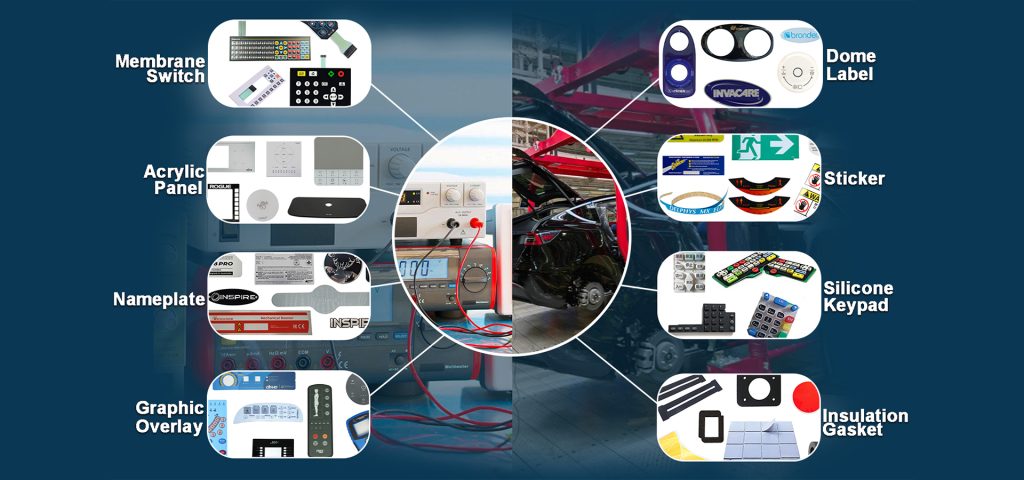
As a premier membrane switch manufacturer, our extensive business scope includes: