


In industrial settings, a product’s user interface isn’t just an operating panel—it’s a critical component under constant siege. Daily exposure to abrasive contaminants, chemical splashes, harsh UV rays, and physical impact isn’t an anomaly; it’s the expected working environment. For engineers and procurement managers, the failure of a graphic overlay panel means costly downtime, safety risks, and compromised operations. The core question shifts from “what does it look like?” to “how long will it survive?”
At Bx-Panel (Xiamen Xinbixi Electronic Technology Co., Ltd.), we engineer interface components with this exact question in mind. From our 3,000㎡ integrated facility in Xiamen, we partner with OEMs to design and manufacture industrial-grade graphic overlays that are specified not just for function, but for endurance. This article breaks down the material science and protective technologies that ensure your acrylic overlay withstands the test of time and the harsh realities of the shop floor, the outdoors, and demanding clinical environments.
Understanding the Threats: What Wears Out an Overlay?
To build an effective defense, we first identify the common adversaries facing durable HMI panels:
- Abrasion: Constant contact with tools, grit, gloves, and cleaning cloths.
- Chemicals: Exposure to oils, solvents, fuels, disinfectants, and industrial cleaners.
- UV Radiation: Solar exposure leading to fading, yellowing, and material brittleness.
- Moisture & Particulates: Water ingress, dust, and dirt that can compromise electronics.
- Impact: Accidental drops, kicks, or collisions with equipment.
The Defense Strategy: Advanced Materials and Protective Coatings
Longevity is achieved through a strategic combination of the base substrate and applied surface technologies.
1. The First Layer of Defense: Abrasion-Resistant Hard Coatings
A standard acrylic surface can scratch. An abrasion resistant overlay features a specially cured hard coat, often reaching a pencil hardness of 9H or higher. This transparent layer acts as a sacrificial shield, allowing keys, tools, and abrasive pads to slide across the surface without marring the underlying graphics. This is non-negotiable for machine tool control panels or heavy-duty equipment interfaces.
2. Ensuring Clarity Under Any Light: Anti-Glare & Anti-Reflective Treatments
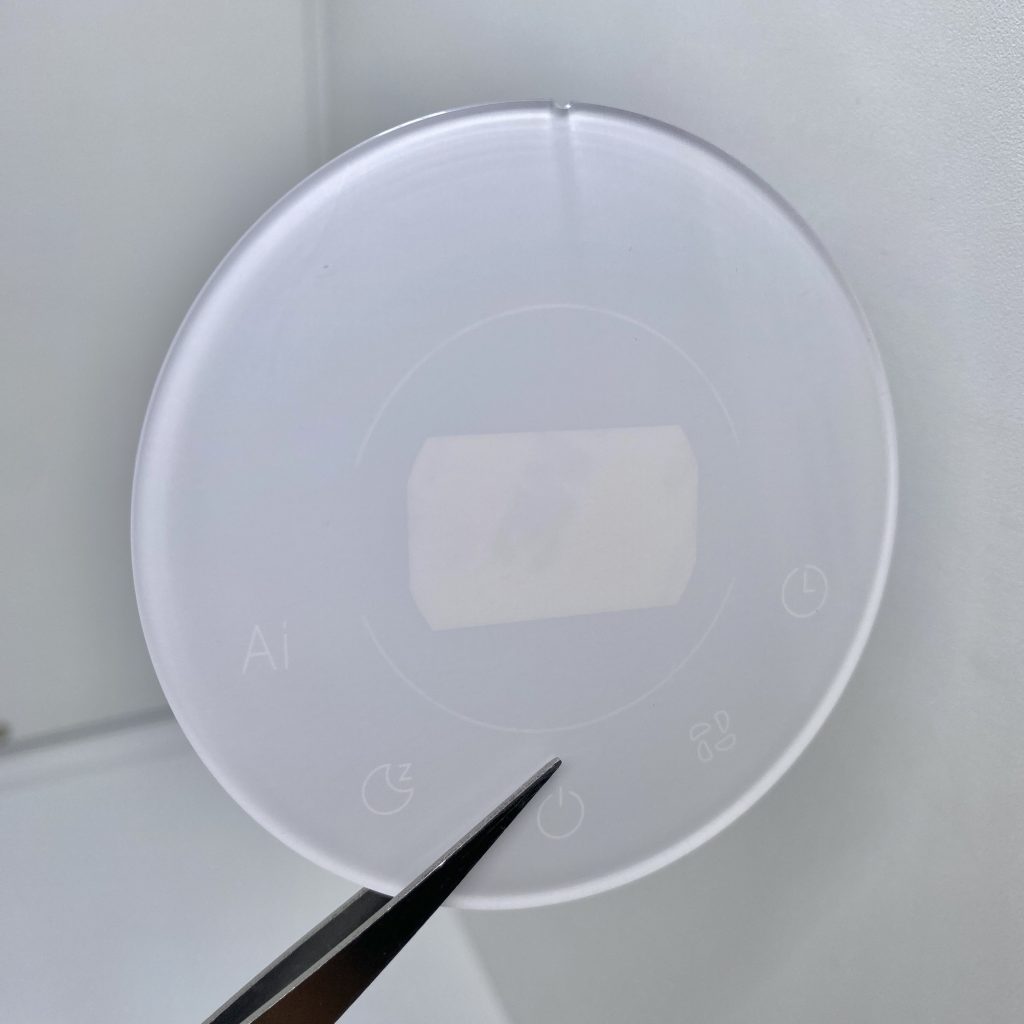
Operator error can stem from poor readability. Anti-glare (matte) treatments diffuse ambient light, eliminating harsh reflections and hotspots from factory lighting or the sun. For displays requiring ultimate clarity, Anti-Reflective (AR) coatings use optical layers to minimize surface reflection, maximizing contrast. These optical enhancement coatings are critical for safety and precision in outdoor, medical, or high-ambient-light environments.
3. Maintaining a Pristine Surface: Anti-Fingerprint & Chemical-Resistant Finishes
In high-touch environments like medical devices or food service panels, smudges and stains are inevitable. Oleophobic (anti-fingerprint) coatings cause oils to bead up, allowing for easy wiping and maintaining a hygienic, professional appearance. For chemical exposure, we specify and test chemical resistant overlay materials and inks, ensuring the interface won’t degrade, discolor, or become tacky when exposed to specific solvents or cleaning agents.
4. Sealing the System: Designing for IP67 and Environmental Seals
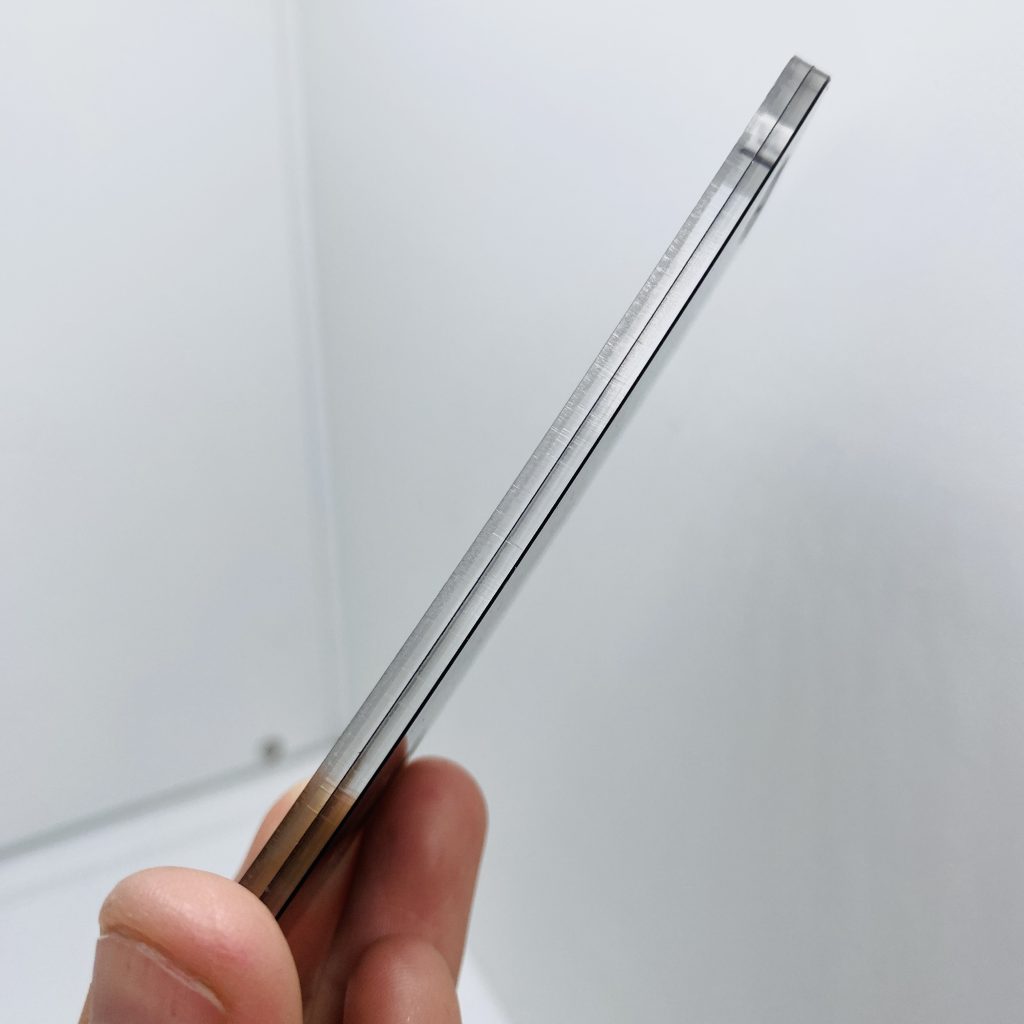
True environmental protection is about the entire assembly. While the overlay is key, achieving a rating like IP67 waterproof requires integrated design. We engineer IP67 graphic panel overlays with specific parameters: optimal thickness for consistent gasket compression, seamless embossing to eliminate leak paths, and material compatibility with silicone insulation gaskets. For a deeper understanding of sealed systems, read our guide on designing IP-rated membrane switch assemblies.
Acrylic vs. Polycarbonate: Choosing the Right Substrate for the Threat
The base material is the foundation of performance.
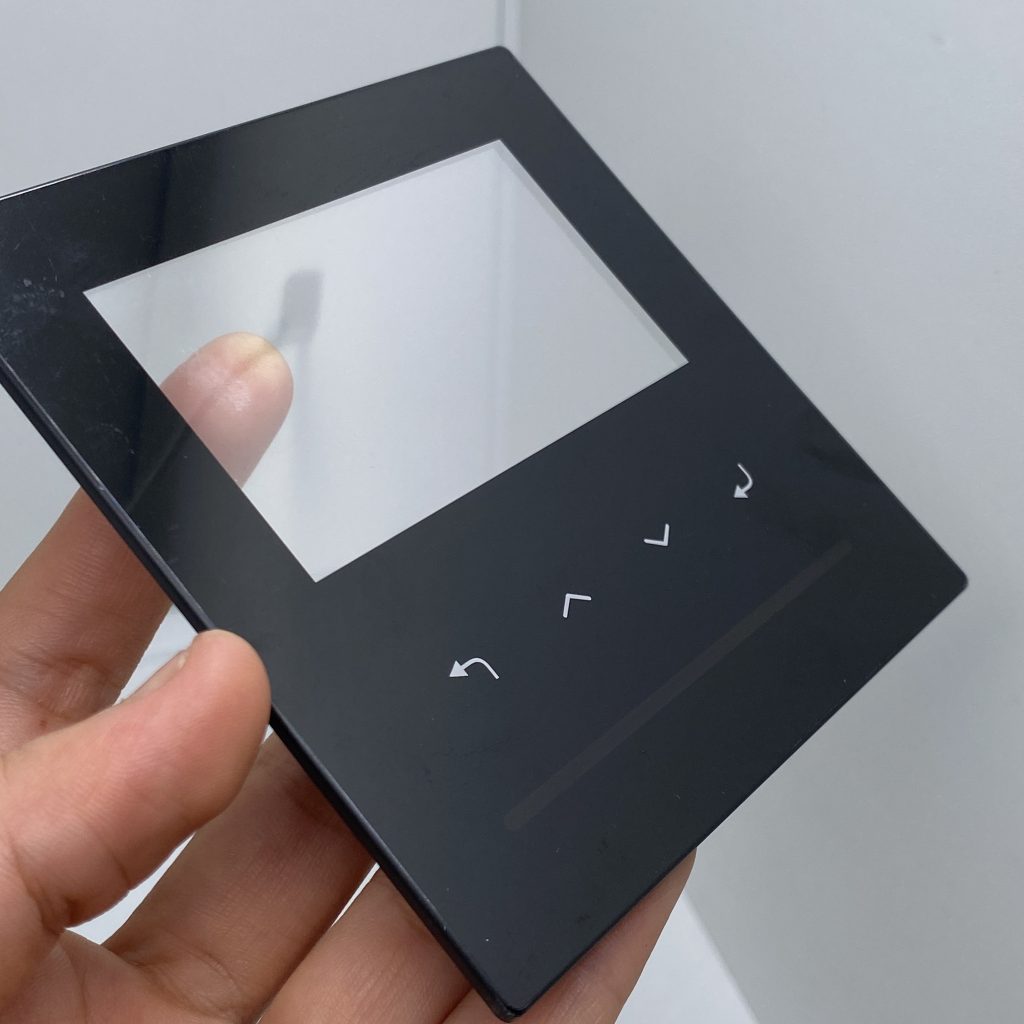
- Acrylic (PMMA): The premier choice for optically clear graphic overlays. It offers superior inherent UV stability and surface hardness, making it exceptionally abrasion resistant and ideal for long-term outdoor use where clarity and color stability are paramount. Explore the benefits in our feature on acrylic versus polycarbonate for overlays.
- Polycarbonate (PC): The leader in impact resistance. It can survive significant blunt force that would crack acrylic. Its surface, however, is softer and requires a hard coat to approach the scratch resistance of acrylic. It is the chosen material for applications where vandalism or extreme impact risk is the primary concern.
The Bx-Panel Manufacturing Edge: Precision Built for Durability
Our integrated manufacturing process in Xiamen ensures every overlay is built to its specification.
- Application-Focused Design Collaboration: We begin by analyzing your specific environmental stress factors and required certifications. Our engineers recommend a tailored material and coating stack-up to meet your lifecycle goals.
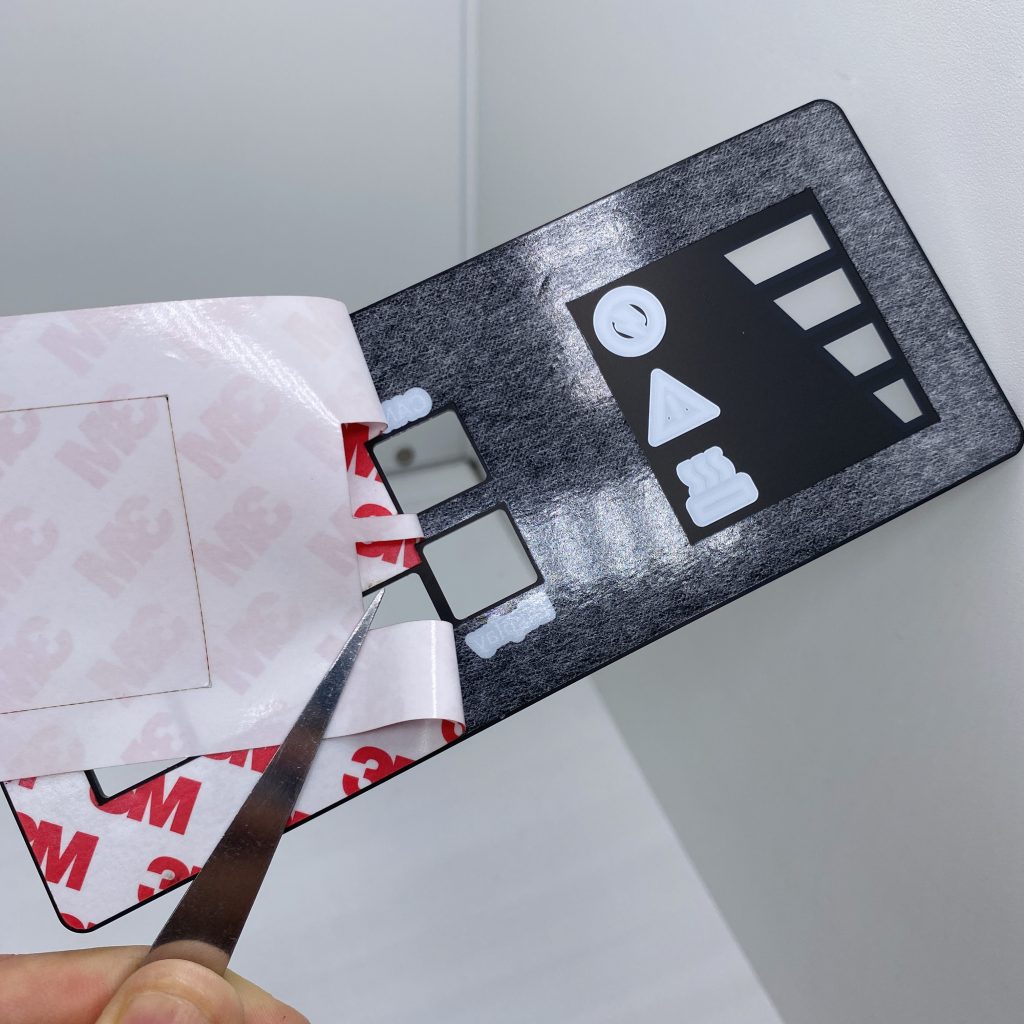
- Controlled, Multi-Stage Fabrication: A single custom industrial overlay might be precision-die-cut from UV-stabilized acrylic, printed with chemical-resistant UV-cured inks, have laser-cut apertures for seamless sealing, and finally receive a multi-functional hard coat with anti-glare and anti-fingerprint properties.
- Turnkey, Sealed Assembly Supply: We provide more than components. We manufacture complete, ready-to-install human-machine interface (HMI) units, integrating the protective graphic overlay with tactile membrane switches, sealing gaskets, and backer plates. This integrated interface assembly guarantees performance and reliability from the start.
Conclusion: Specifying for Lifespan is the Ultimate Cost-Saver
In industrial design, the true cost of an interface is measured over its entire service life. Investing in a correctly specified, durable graphic overlay panel prevents the far greater expenses of unplanned downtime, field replacements, and compromised brand reputation due to premature failure.
Is your current interface specification robust enough for its operating environment?
- Submit Your Environmental Challenge: Send us your durability requirements and test standards. Our engineering team will provide a tailored solution and free prototype sample recommendation. Contact us at [email protected].
- Request a Coated Materials Sample Kit: Evaluate the look and feel of our anti-glare, anti-scratch, and chemical-resistant finishes firsthand.
- Discover More Engineering Resources: For detailed technical data and design guides, visit our engineering resource hub at www.bx-panel.com.