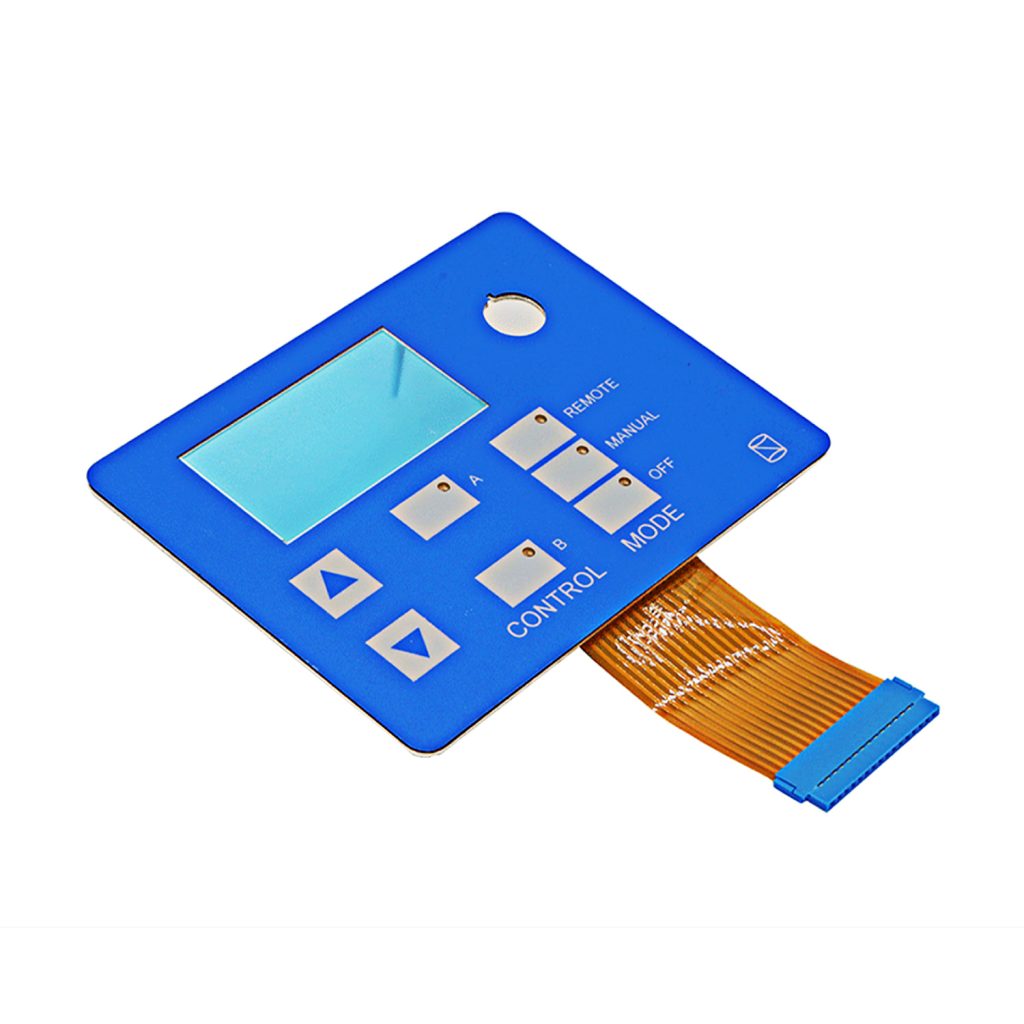
Custom membrane switches are widely used in medical devices, industrial equipment, and consumer electronics. Their thin structure, sealed design, and flexible layout make them a popular choice for OEM interfaces.
However, a membrane switch may look simple on the surface, but the design behind it involves materials, circuit layout, and user interaction. Small design oversights can quickly turn into real problems during production or field use—ranging from poor button response to electrical failures.
Many of these issues appear only after the product is assembled or shipped, when fixing them becomes expensive. Understanding the most common membrane switch design mistakes helps engineers avoid these problems early in the development process.
Below are several design pitfalls that frequently appear in custom membrane switch projects, along with practical ways to prevent them.
Poor Button Layout and Key Spacing
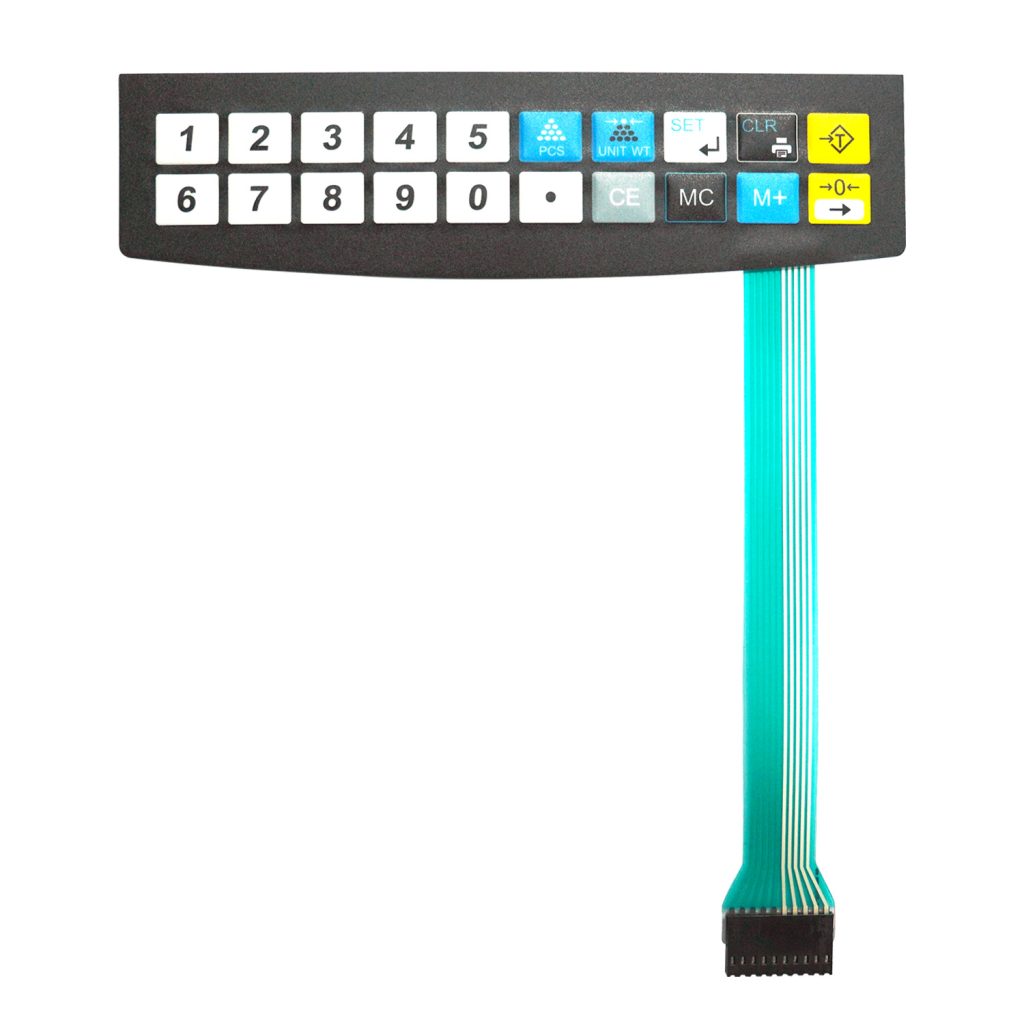
One of the most common membrane switch design mistakes starts with something basic: button layout.
During product development, designers sometimes focus heavily on enclosure size or visual design, while usability receives less attention. This can result in buttons that are too small or placed too close together.
In real-world use, this quickly creates problems. Operators may struggle to press the correct key, especially when wearing gloves or working quickly. On control panels used in industrial or medical environments, accidental presses can even cause operational errors.
Good ergonomic design should always guide button layout. For fingertip operation, buttons are typically designed with a diameter of around 10–12 mm. When gloves are expected, 15 mm or larger is often recommended. Center-to-center spacing of 18–20 mm generally provides enough separation to reduce misoperation.
Button placement also affects circuit routing. When keys are positioned poorly, circuit traces may need to follow complicated paths, increasing the chance of electrical interference or layout constraints. Building simple prototypes or 3D mockups early in the custom membrane switch design process can help identify layout problems before production.
Ignoring Environmental Protection Requirements
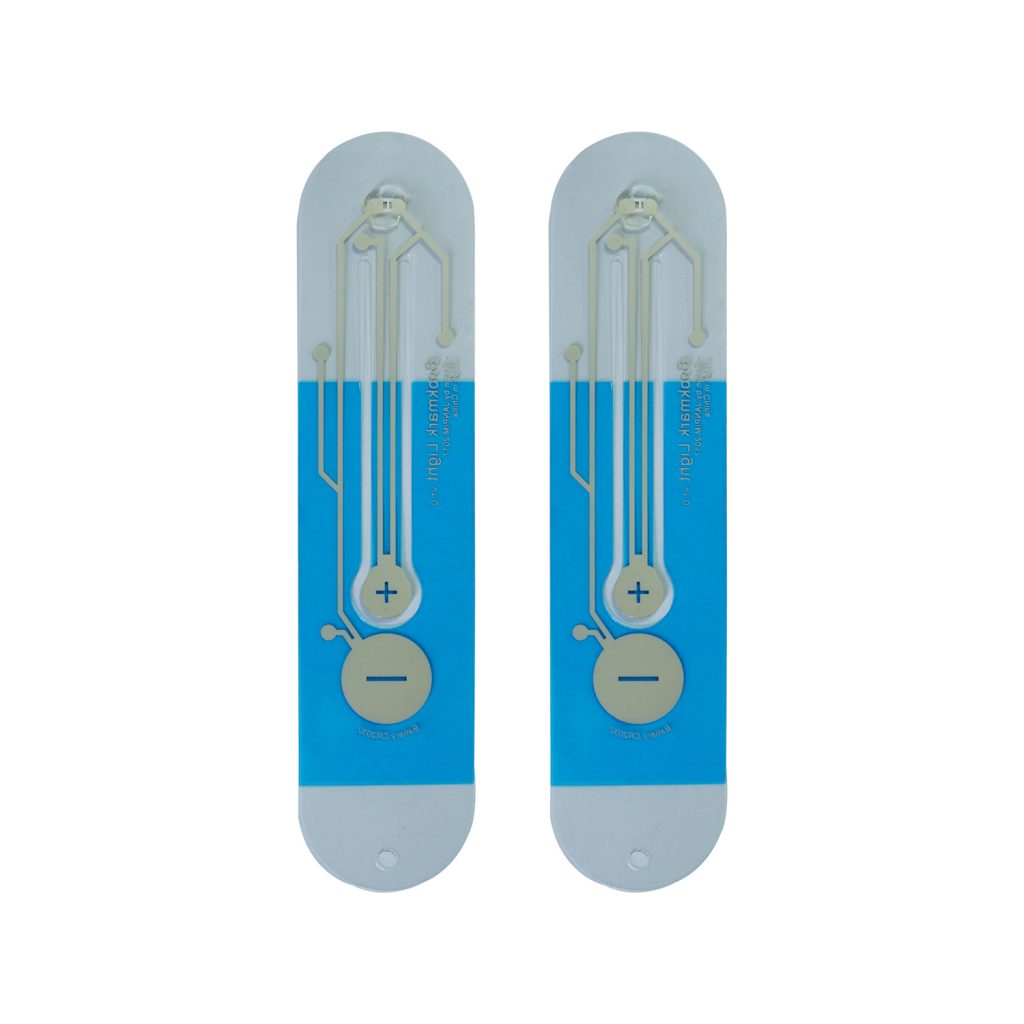
Membrane switches are often selected because they can provide sealed interfaces. But the actual environmental conditions are sometimes underestimated during design.
Moisture, dust, oil, and cleaning chemicals can all affect long-term performance if the switch is not properly protected. Outdoor equipment introduces additional factors such as UV exposure and temperature variation.
If environmental requirements are not clearly defined early, designers may rely on a basic adhesive structure that cannot handle the real operating conditions.
A better approach is to determine the required IP protection level during the early design stage. For many industrial applications, IP65 or IP67 sealing is necessary. This may require perimeter gaskets, stronger adhesives, or additional sealing layers.
Material selection also matters. Overlays exposed to sunlight should use UV-resistant materials. In medical or food-processing equipment, surfaces must tolerate frequent chemical cleaning.
Environmental protection is not something that can be added later—it needs to be built into the membrane switch design from the beginning.
Incorrect Material Selection
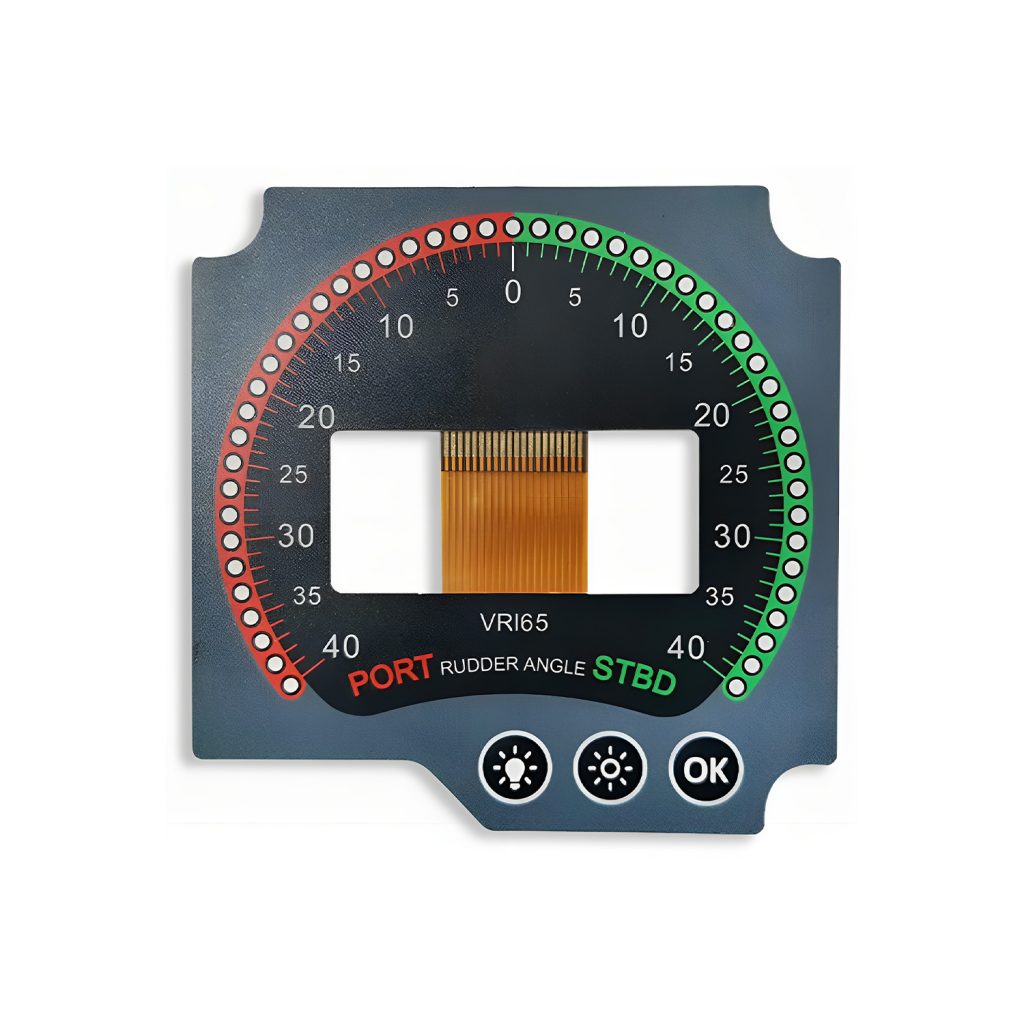
Material selection plays a major role in the durability of a membrane switch. Choosing the wrong overlay or adhesive can cause problems months after the product reaches the market.
The two most common overlay materials are polyester (PET) and polycarbonate (PC). Both have their place, but they behave differently under stress.
Polycarbonate is often chosen because it is less expensive and relatively tough. However, it can develop stress cracks after repeated flexing, and prolonged UV exposure may cause yellowing.
Polyester, on the other hand, offers better chemical resistance and fatigue life. For high-use interfaces or outdoor applications, it is usually the more reliable option.
Adhesives are another area where mistakes occur. If the adhesive does not match the environmental conditions or surface material, problems such as edge lifting or delamination may appear over time.
When selecting materials, engineers should consider:
- Expected actuation cycles
- Environmental exposure (UV, chemicals, humidity)
- Temperature range
- Lighting requirements such as backlighting or deadfront graphics
Working with an experienced supplier during the membrane switch HMI design stage often helps prevent these issues.
Poor Circuit and Tail Design
Even when the mechanical design looks correct, electrical problems can still appear if the circuit layout is not carefully designed.
One common issue involves trace geometry. Traces that are too narrow may break after repeated flexing. Traces that are placed too close together can increase the risk of short circuits or silver migration under humid conditions.
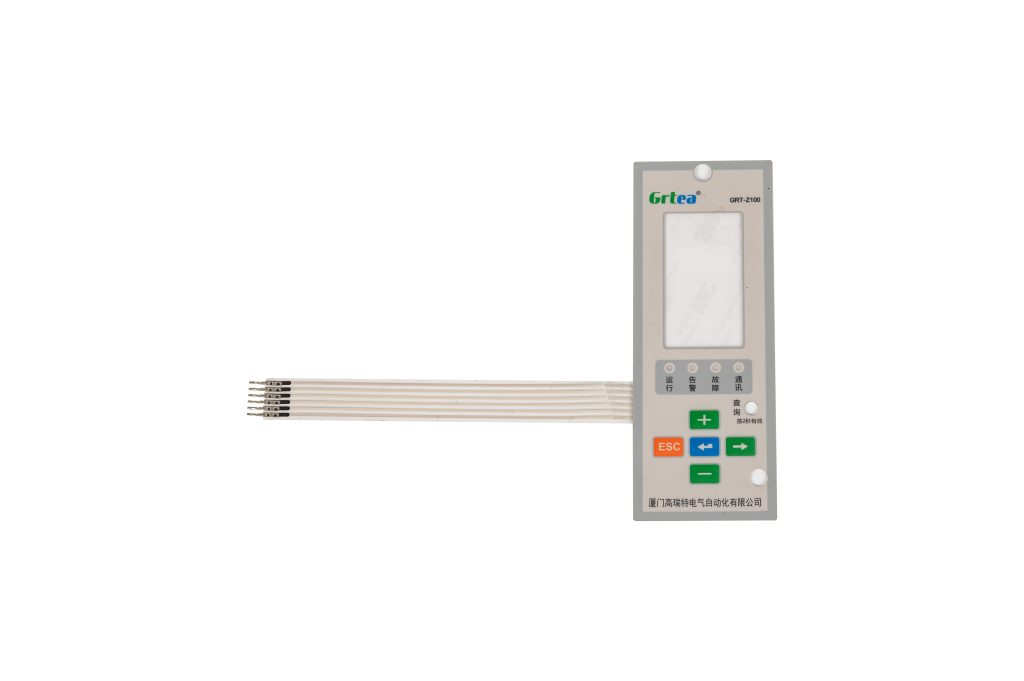
Another frequent issue involves the switch tail, the flexible circuit extension that connects to the device electronics.
The tail experiences bending and pulling during assembly and service. Without proper reinforcement, conductive traces can crack where the tail exits the switch body.
Several design practices help improve membrane switch reliability:
- Use adequate trace width and spacing
- Add a stiffener (often polyimide or FR4) in the connector area
- Design smooth bend radii instead of sharp angles
- Test tail flexibility during prototype evaluation
Small improvements in tail design can significantly extend the lifespan of the switch.
Insufficient User Testing Before Production
Another avoidable membrane switch design mistake is skipping real user testing.
In many projects, designs are approved based solely on CAD models or laboratory measurements. However, problems often appear only when real users interact with the interface.
For example:
- Buttons may require more force than expected
- Tactile feedback may be too weak
- Graphics may be difficult to read under certain lighting
- Users may accidentally activate adjacent keys
These issues are difficult to predict without hands-on testing.
A good validation process should include:
- Functional prototypes built using actual materials
- User interaction testing under realistic conditions
- Life-cycle testing to simulate long-term use
Prototype testing is relatively inexpensive compared with the cost of redesign or product recalls.
Conclusion
Custom membrane switches are highly reliable when designed with careful attention to real operating conditions. Most failures can be traced back to a few preventable issues—poor button layout, overlooked environmental factors, incorrect materials, weak circuit design, or insufficient testing.
Avoiding these membrane switch design mistakes requires collaboration between product engineers and experienced manufacturers early in the development process. By addressing ergonomics, materials, circuit structure, and environmental protection at the design stage, OEMs can greatly improve product reliability and user experience.
At Xiamen XINBIXI Electronic Technology Co., Ltd. (BX-Panel), we support OEM customers throughout the membrane switch development process—from material selection and prototype evaluation to large-scale production. If you are planning a custom interface project, feel free to contact us at [email protected] or visit www.bx-panel.com to discuss your requirements.