


Learn how a custom membrane switch for OEM projects improves product integration, durability, and branding. Explore key design factors and applications across industries.
Custom Membrane Switch Solutions for OEM Projects
In the competitive world of original equipment manufacturing, every component must align with the product’s mechanical structure, electrical requirements, and brand identity. Standard off-the-shelf switches often fail to meet these needs, especially when equipment requires specific dimensions, environmental protection, or customized visual design.
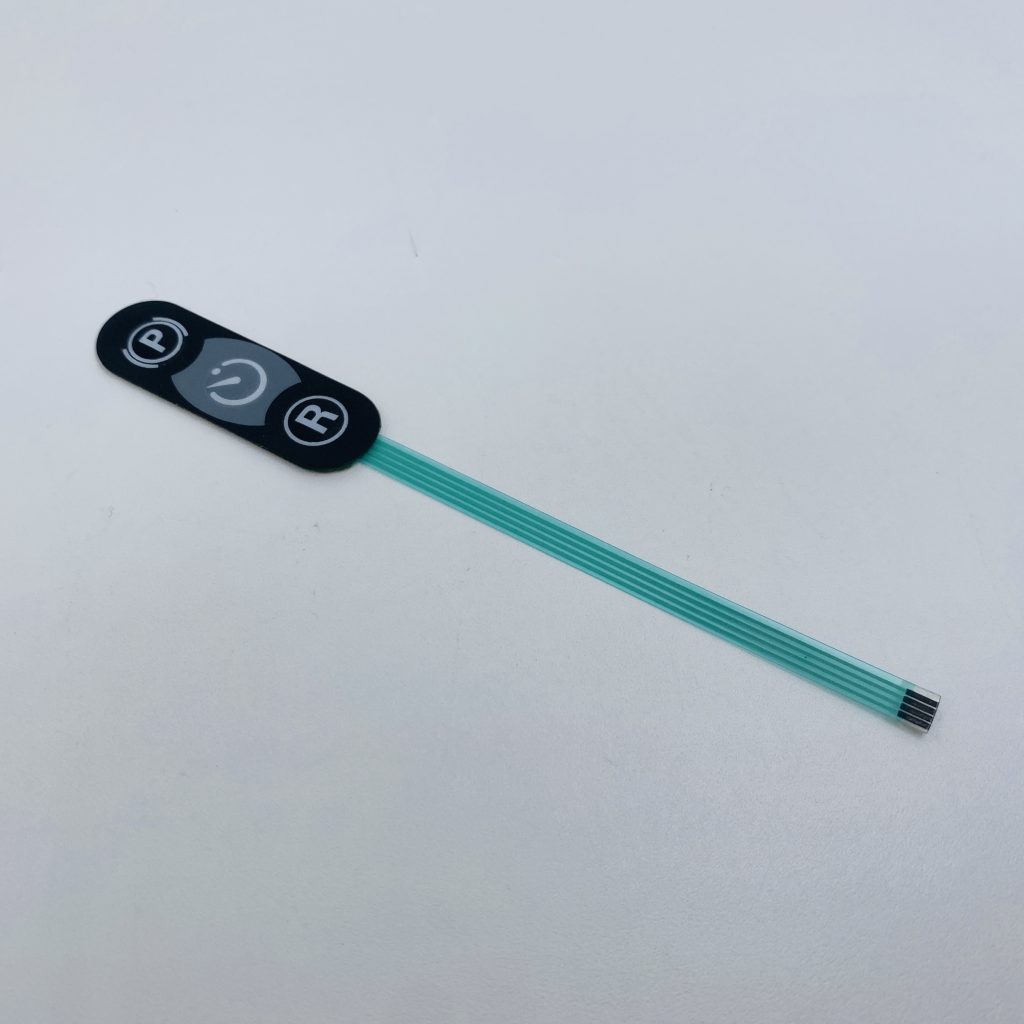
For this reason, many manufacturers rely on a custom membrane switch for OEM applications. These switches provide a low-profile and durable interface that can be precisely adapted to the requirements of each device. Whether used in industrial controllers, medical instruments, or smart home appliances, a well-designed membrane switch improves both product reliability and user interaction. Working with an experienced manufacturer ensures that the human-machine interface (HMI) integrates seamlessly with the overall equipment design.
Why OEM Projects Require Custom Membrane Switches
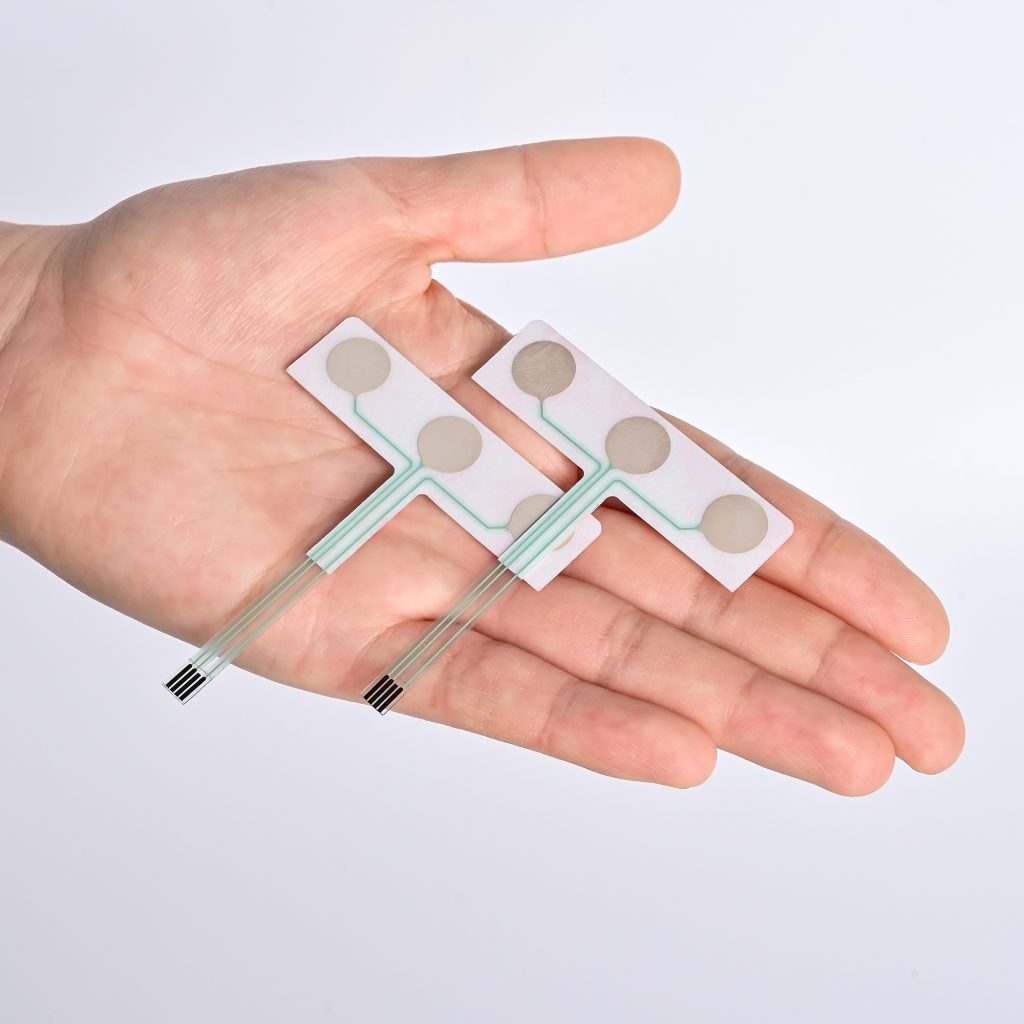
Most OEM projects begin with specifications that cannot be satisfied by generic components. An OEM membrane switch is typically engineered to match the exact dimensions, mounting positions, and cut-outs of the product enclosure. This approach allows engineers to design the control interface around the device’s functional requirements rather than adapting the product to a standard switch.
Customization also enables more flexible key layouts, complex circuit designs, and integrated features such as tactile feedback or LED backlighting. In addition, many OEM devices must operate in demanding environments. A properly designed membrane switch can achieve protection levels such as IP65 or IP67, ensuring resistance to dust, moisture, and other contaminants.
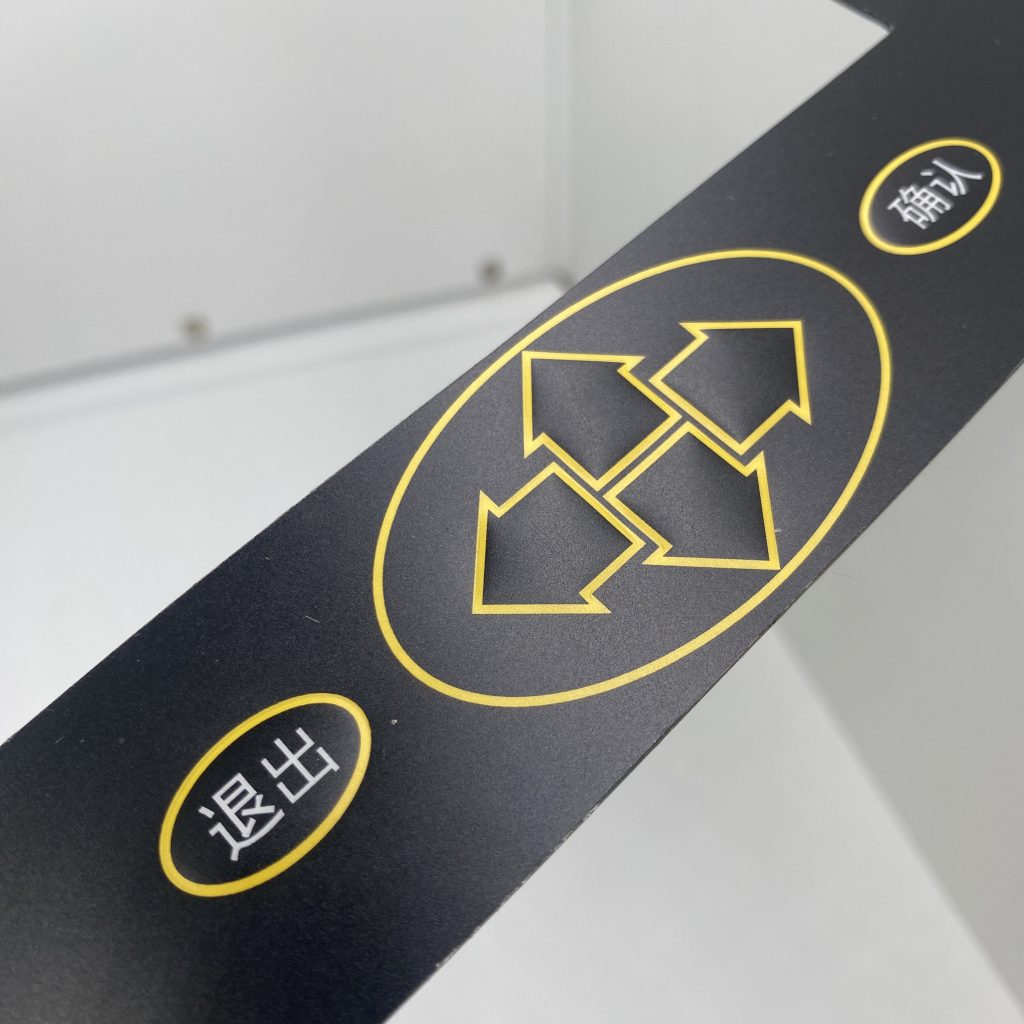
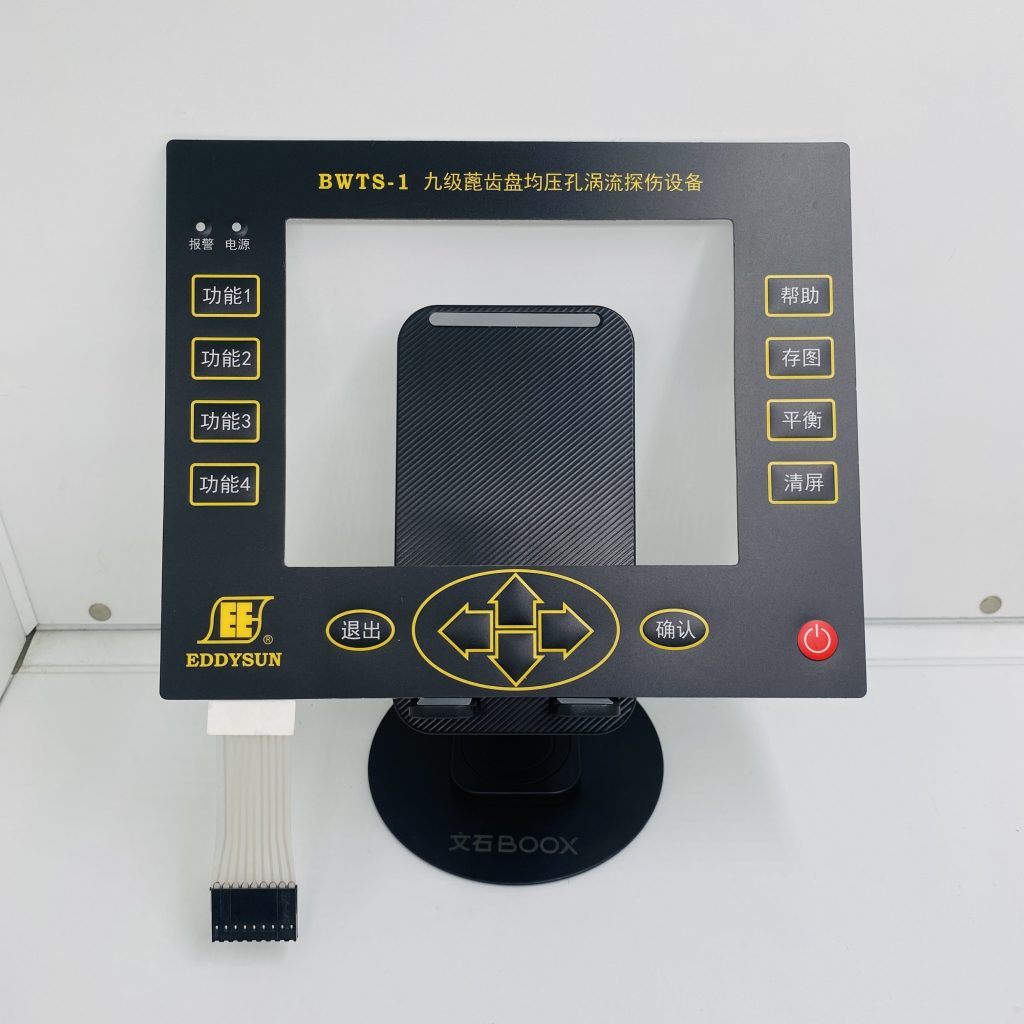
Another advantage is visual customization. The graphic overlay can incorporate brand logos, color schemes, and clear icons that match the product’s overall appearance. For manufacturers competing in specialized markets, this design flexibility plays an important role in product differentiation.
Key Design Factors for OEM Membrane Switches
A successful membrane switch design for OEM equipment requires careful consideration of both technical and ergonomic factors.
One of the first elements is the graphic overlay. This top layer must be durable while maintaining clear visual information. Materials such as polyester and polycarbonate are commonly selected based on their resistance to chemicals, UV exposure, and mechanical wear. Screen printing or digital printing allows precise color control and the integration of complex symbols.
The circuit layer is another critical component. Conductive inks such as silver or carbon are printed onto flexible substrates to create reliable electrical pathways. Proper circuit layout helps prevent cross-talk and ensures consistent performance over long service cycles.
Designers must also choose between tactile and non-tactile switches. Tactile versions use metal or polyester domes to provide a noticeable click during operation, which confirms user input. Non-tactile switches offer a smoother and quieter interface that may be preferred for certain applications.
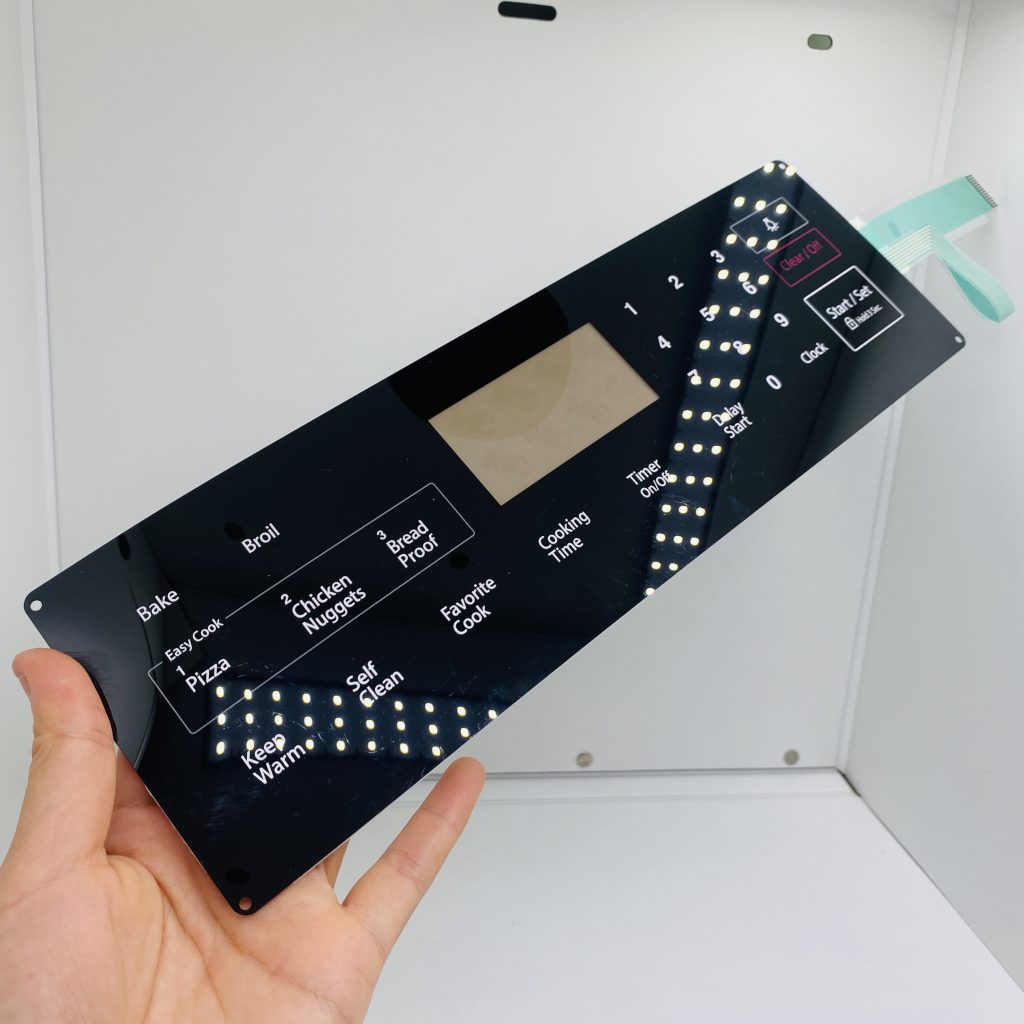
Lighting options can also be integrated. LED backlighting, fiber optics, or light guide films improve visibility in low-light environments and enhance the usability of the interface.
Finally, environmental sealing plays a major role in durability. Adhesive spacers, sealing gaskets, and rear adhesives help protect internal circuits from liquids and particles. Careful material selection ensures that the switch performs reliably under different temperature and humidity conditions.
Applications of Custom Membrane Switches in OEM Equipment
Because of their adaptability, custom membrane switches are widely used across many industries.
In industrial membrane switch applications, they appear on control panels for CNC machines, automation equipment, and processing systems. These environments require interfaces that can withstand vibration, oil exposure, and frequent operation.
Medical devices also rely heavily on membrane switches. Patient monitors, diagnostic equipment, and infusion systems require control surfaces that are easy to clean and resistant to disinfectants while still providing accurate tactile feedback.
In the consumer electronics sector, membrane switches are commonly used in home appliances such as microwave ovens, coffee machines, and HVAC controllers. Their slim structure allows manufacturers to create clean and modern control panels.
Testing and measurement instruments also benefit from membrane keypads. The sealed structure helps protect sensitive electronics while maintaining a compact and user-friendly interface.
Advantages of Custom Membrane Switch Solutions
Custom membrane switch solutions offer several practical advantages for OEM manufacturers.
First, they provide better mechanical integration. Because the switch is designed specifically for the enclosure, it fits precisely and simplifies assembly.
Second, custom switches improve long-term durability. Materials and sealing structures can be selected according to the operating environment, helping extend product life and reduce maintenance issues.
Another important benefit is branding flexibility. The graphic overlay can include logos, color schemes, and tactile markers that guide users intuitively while reinforcing the product’s visual identity.
From a cost perspective, membrane switches are often more economical than mechanical alternatives in medium-to-high production volumes. They combine switching functions, graphics, and backlighting into a single compact assembly, simplifying manufacturing and inventory management.
Choosing a Reliable Membrane Switch Manufacturer
To take full advantage of these benefits, OEM manufacturers should work with a reliable custom membrane switch manufacturer that offers both engineering expertise and stable production capabilities.
XINBIXI Electronics Technology Co., Ltd. (Bx-Panel), located in Xiamen, China, operates a 3,000-square-meter manufacturing facility with more than 100 experienced technicians and a dedicated design team. Our company provides comprehensive support, including engineering consultation, prototype development, and large-scale production with strict quality control.
Our product range includes:
- Membrane Switches
- Graphic Overlays
- Acrylic Panels
- Nameplates
- Insulation Gaskets
- Crystal Dome Labels
- Custom Stickers
This integrated capability allows us to deliver complete front-panel interface solutions for OEM equipment.
For inquiries about custom membrane switches or related products, please contact:
[email protected]
Conclusion
OEM products require components that match their mechanical structure, operating environment, and brand identity. A custom membrane switch for OEM applications provides the flexibility needed to meet these requirements while maintaining durability and cost efficiency.
By carefully considering factors such as material selection, circuit design, and environmental protection, manufacturers can create interfaces that improve usability and withstand demanding conditions. With the support of an experienced manufacturing partner, OEM companies can confidently bring reliable and well-designed products to market.