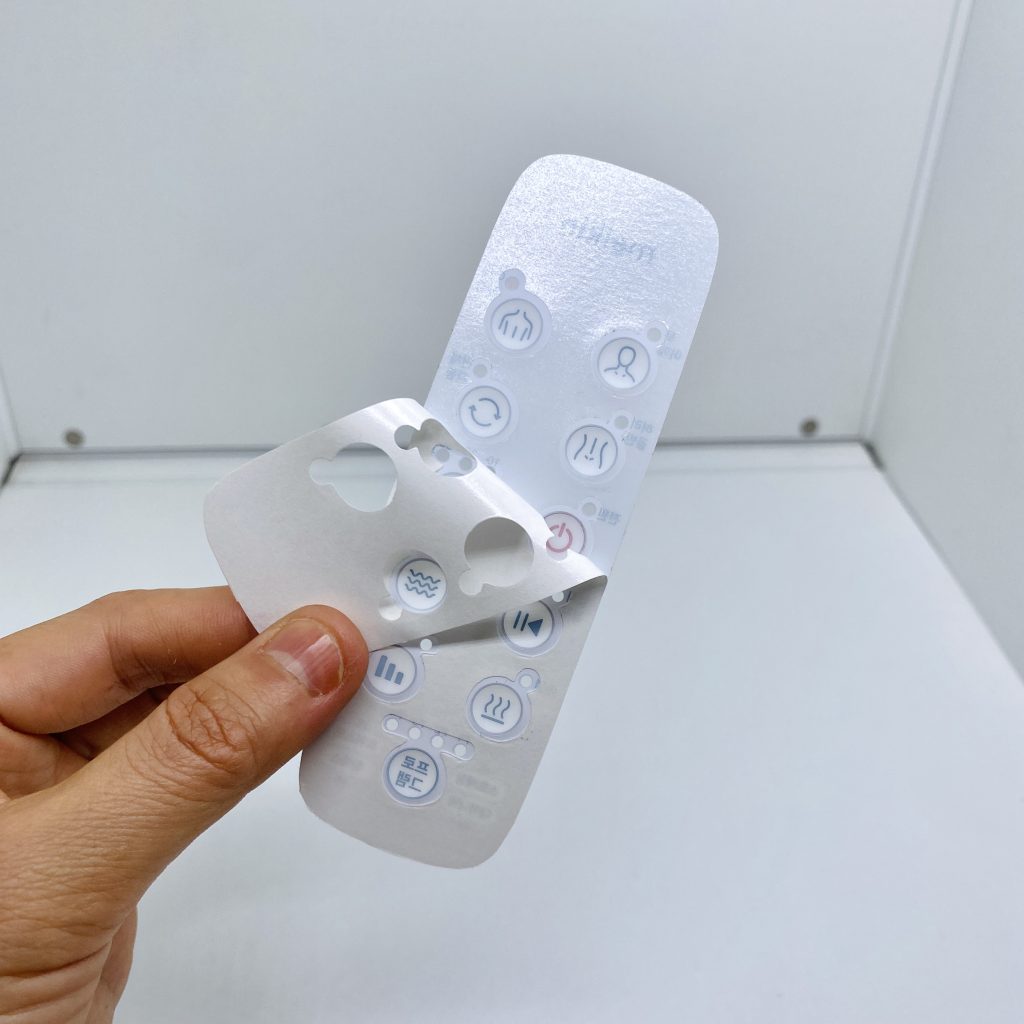
In electronic product design, the graphic overlay is frequently treated as an afterthought—a purely aesthetic component finalized at the very end of the process. Logos, pantone colors, and sleek icons are usually the first things people focus on.
But let me tell you from years on the manufacturing floor: a graphic overlay does far more than just “look good.” It is the frontline of your human-machine interface (HMI). It directly dictates usability, dictates durability, and heavily impacts your product’s overall reliability. When a client comes to us to fix a field failure—whether it’s fading legends, bubbling edges, or cracked buttons—the root cause almost always traces back to an overlooked functional requirement of the overlay.
For engineers and OEM buyers, understanding what an overlay must deliver functionally is not optional. Here are the five essential capabilities every high-quality graphic overlay must provide.
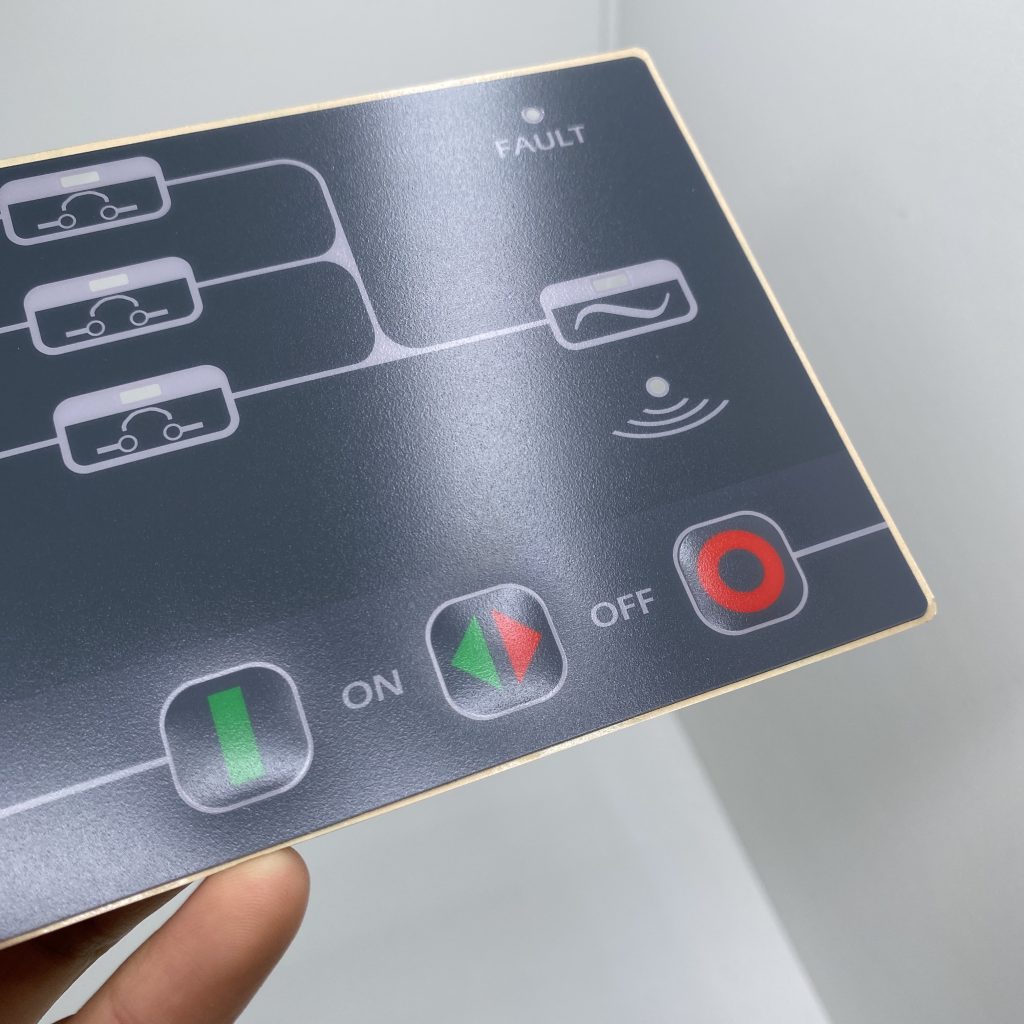
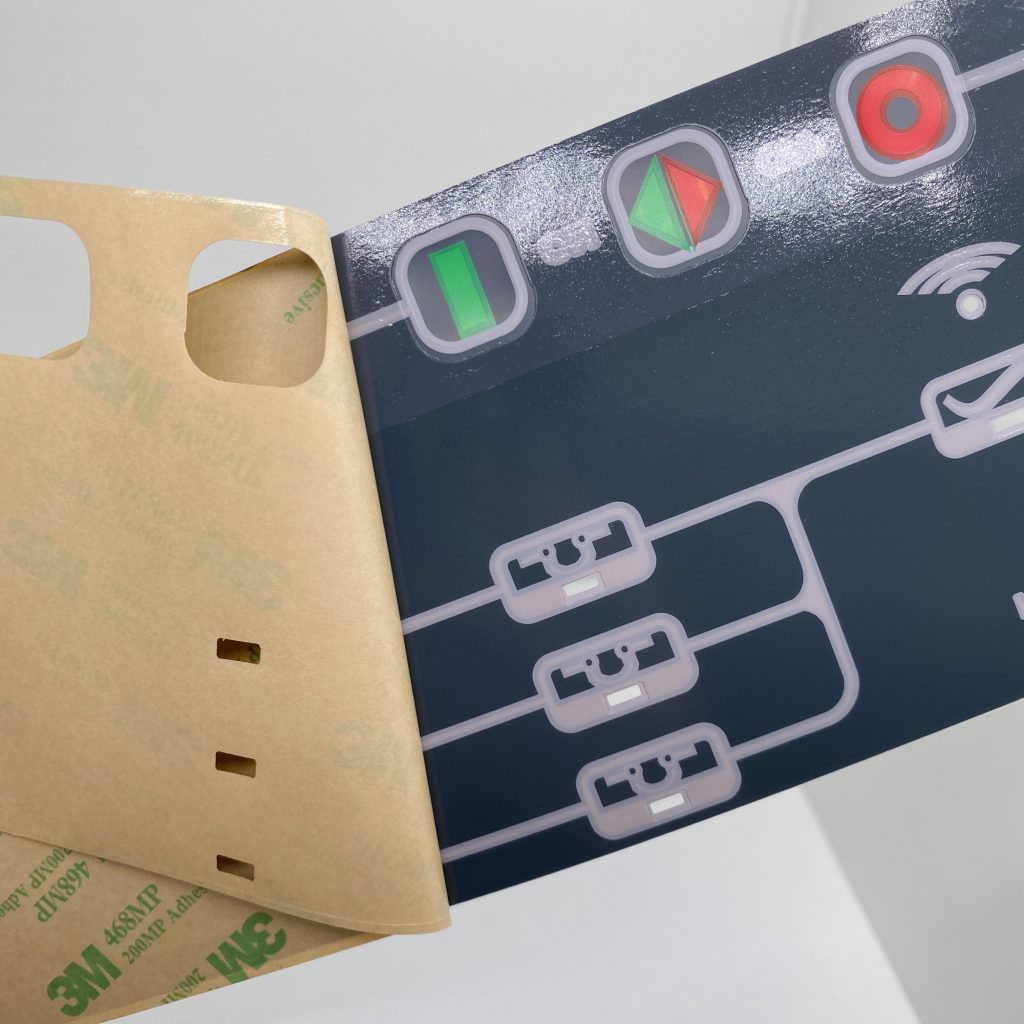
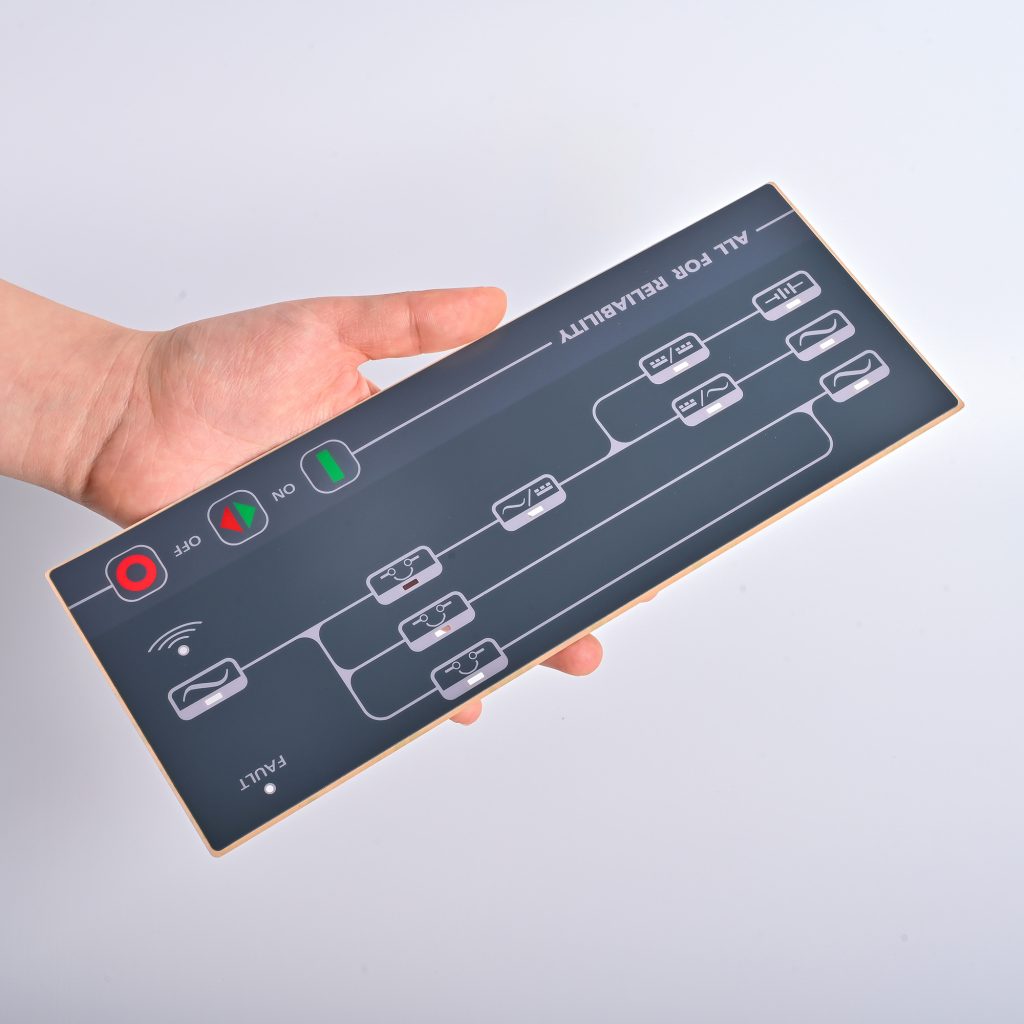
graphic overlay control panel interface design
1. Clear, Long-Lasting Visual Communication (Beyond Day One)
The primary job of a graphic overlay is to guide the user. It needs to communicate information instantly through symbols, text, and layout.
However, visual clarity isn’t just about how the part looks when it leaves the factory; it’s about how it looks two years down the line. A qualified overlay must:
- Maintain color stability under prolonged UV exposure.
- Resist fading from aggressive industrial cleaning agents.
- Provide high contrast to ensure readability in poor lighting conditions.
If you choose the wrong ink or use an inadequate sub-surface printing process, your icons will blur or fade. In short: if a machine operator can’t read the buttons after six months in the field, the overlay has failed its core mission.
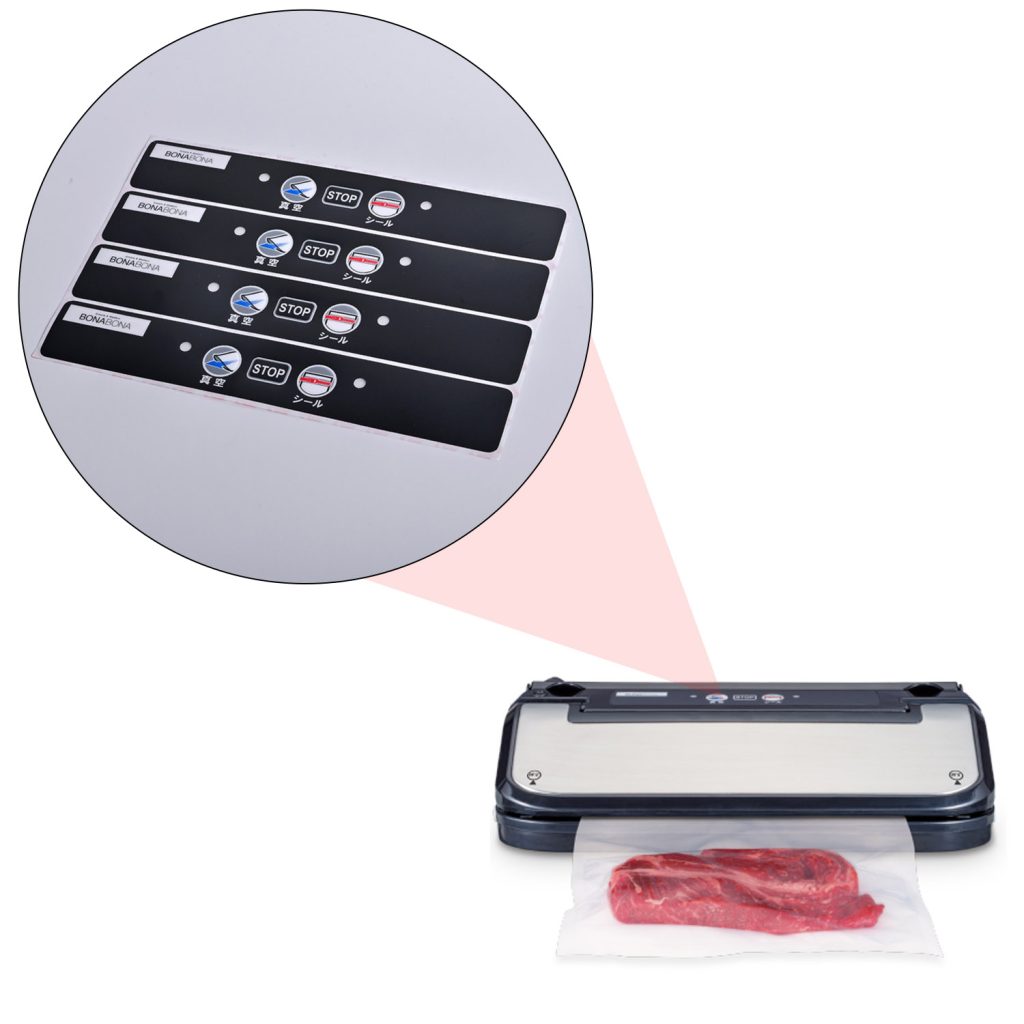
2. Reliable Surface Protection: The First Line of Defense
A graphic overlay is the armor protecting your internal components. It shields sensitive circuitry, LEDs, and displays from the outside world.
A properly engineered overlay blocks:
- Moisture and high humidity
- Dust, dirt, and industrial contaminants
- Harsh chemicals and solvents
- Daily mechanical wear and tear
Material selection makes all the difference here. For instance, we often recommend Polyester (PET) for superior chemical resistance and flex life, while Polycarbonate (PC) is excellent for impact resistance and cost-efficiency. In demanding sectors like medical devices or heavy machinery, a breach in this protective layer doesn’t just look bad—it shorts out the entire machine.
3. Consistent Tactile Interaction
When an overlay is used as the top layer of a membrane switch assembly, it becomes the physical connection between the user and the machine.
It must deliver:
- Precise key positioning.
- Consistent actuation feedback (the “click” feel).
- Accurate embossing alignment.
If the button embossing is too shallow, users will struggle to locate the keys without looking. If the material is too rigid or the embossing is too aggressive, it will eventually crack from material fatigue. A well-designed overlay ensures that every single press feels intentional and satisfying.
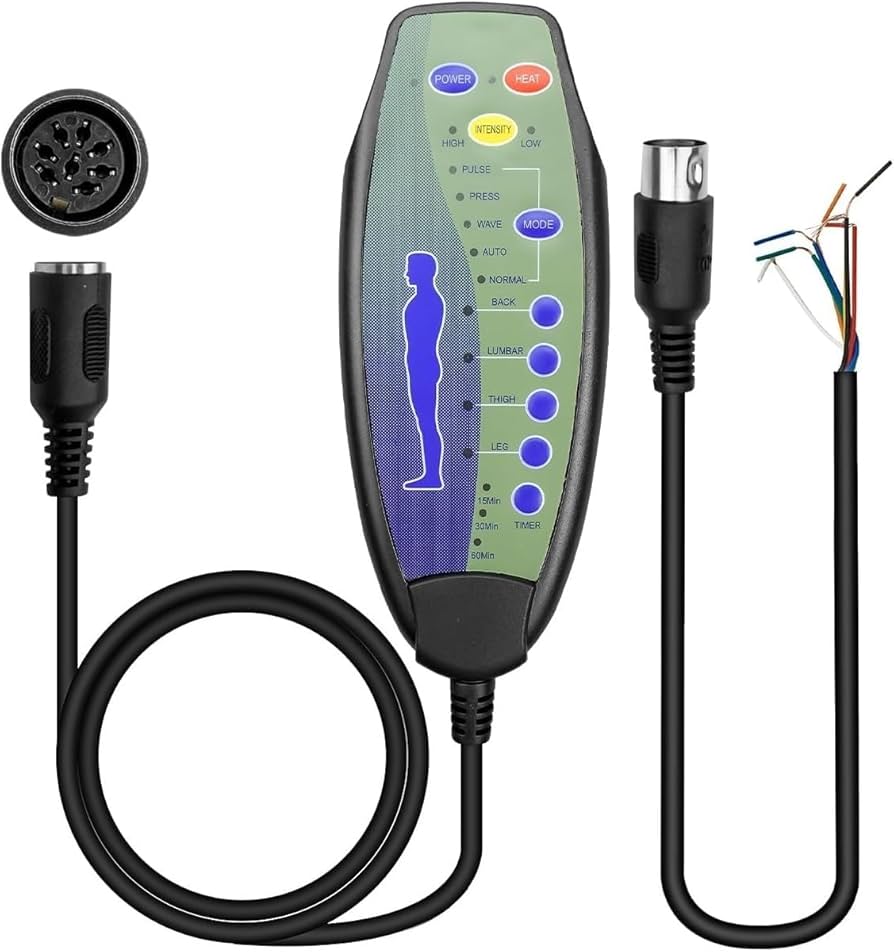
4. Bulletproof Adhesion
Adhesion is arguably the most underestimated aspect of overlay performance. In practice, a massive percentage of field failures we see are caused by edge lifting, bubbling, or complete delamination over time.
A reliable overlay doesn’t just stick; it stays stuck. It must:
- Bond securely to specific substrates (whether that’s rough plastic, brushed metal, or glass).
- Maintain its hold during extreme temperature fluctuations (thermal expansion and contraction).
- Resist peeling in high-humidity or outdoor environments.
This is why specifying the right adhesive (like 3M industrial-grade acrylic systems) is just as critical as choosing the right surface material.
5. Real-World Environmental Resistance
Graphic overlays don’t live in climate-controlled R&D labs—they face the real world. Depending on your application, your overlay might be baked in the sun, frozen in a warehouse, or scrubbed daily with bleach.
Without proper environmental engineering, standard overlays will yellow under UV light, become brittle in the cold, or melt under chemical exposure. Designing for the actual application environment—not just the ideal conditions—is the only way to ensure longevity.
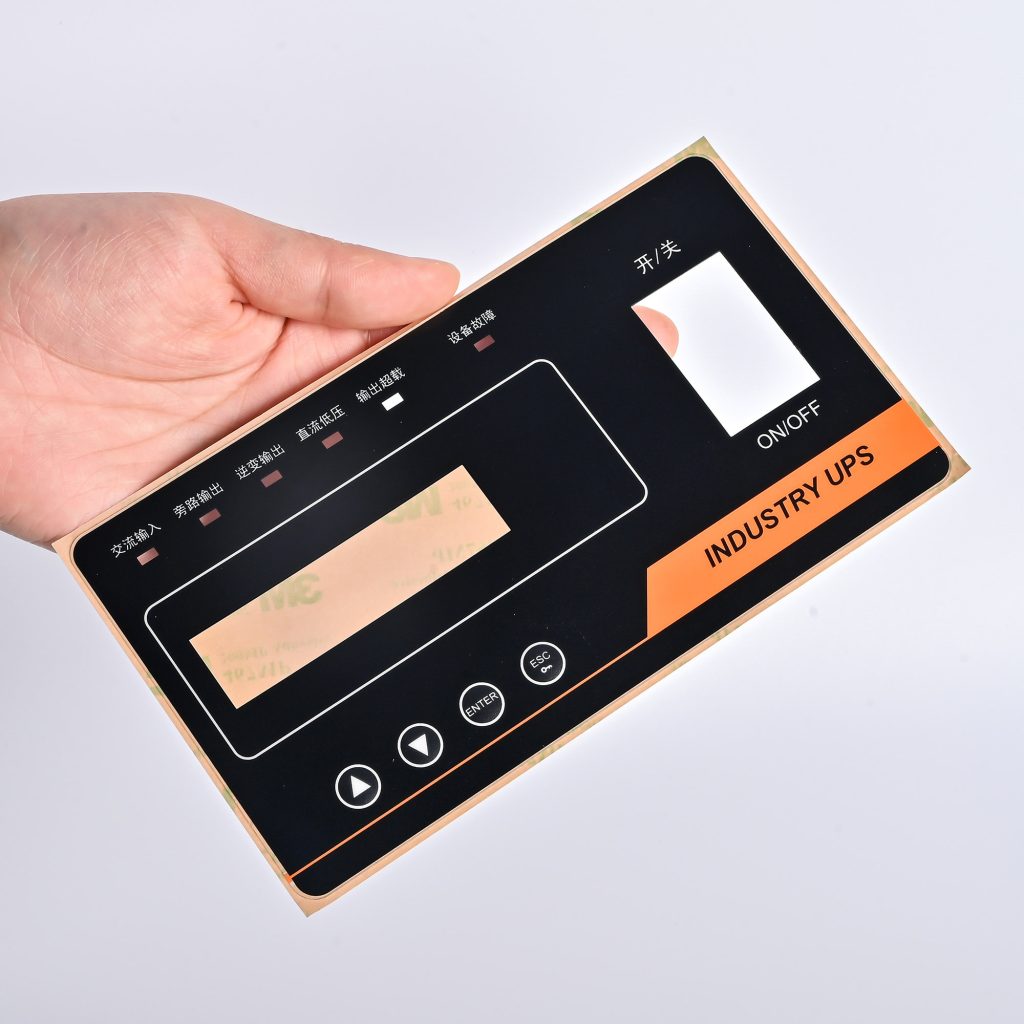
The Bottom Line
A high-quality graphic overlay is a functional interface component, not a decorative sticker. It acts as a communication tool, a protective barrier, a tactile guide, and an environmental shield. Compromising on any of these five functions will compromise your entire product, leading to higher maintenance costs and a damaged brand reputation.
At Xiamen XINBIXI Electronic Technology Co., Ltd. (BX-PANEL), we’ve spent nearly a decade manufacturing interface solutions. Operating from our own physical facility with a dedicated engineering and production team, we know that overlay failures are rarely caused by just one factor. It is almost always a mismatch between material, structure, and environment.
That is why we focus on early-stage design alignment with our OEM clients. Whether you need a simple graphic overlay or a fully sealed membrane switch, we make sure it’s built to survive the real world.
Evaluating your next interface design? Let’s get it right the first time.
🌐 Website: www.bx-panel.com
📧 Email: [email protected]