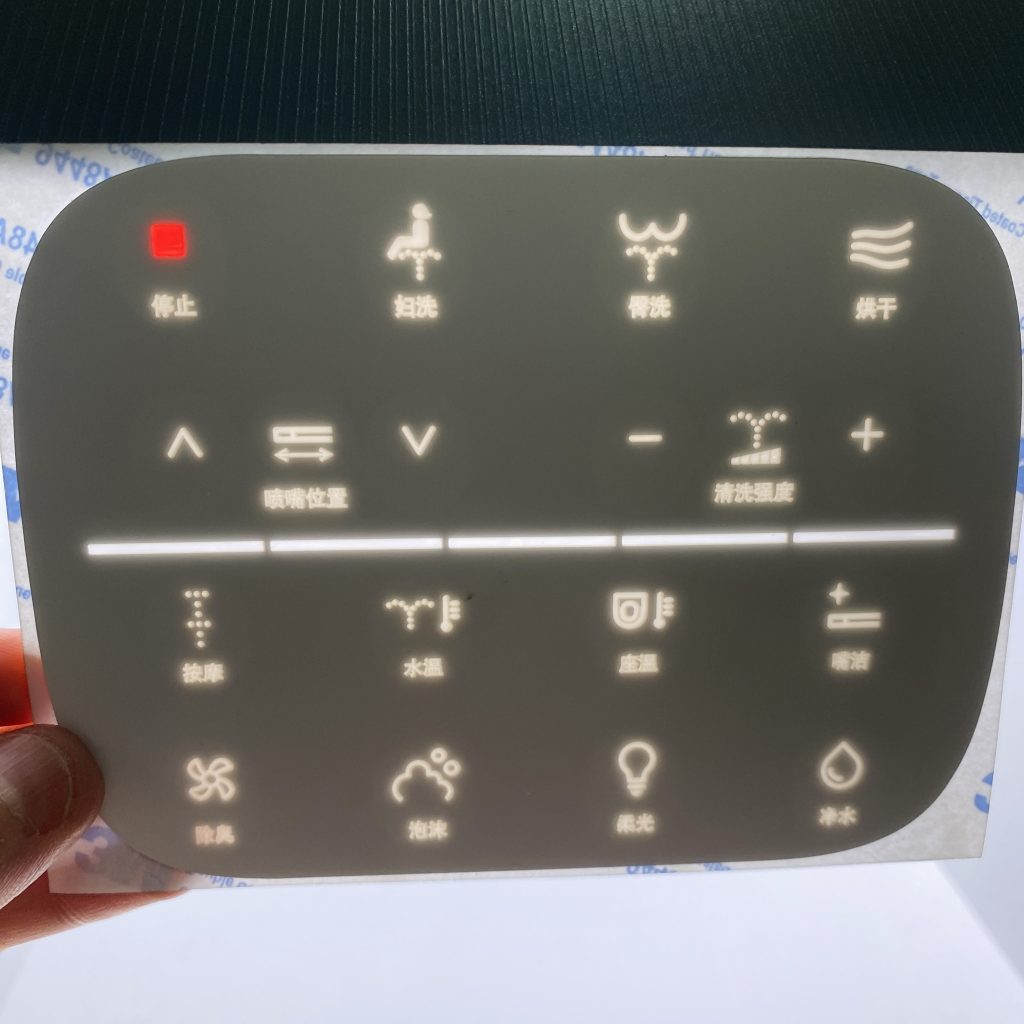
In product development, teams often spend months refining internal structures—PCBs, firmware logic, and mechanical tolerances. Everything is tested, validated, and optimized.
Yet when the product finally reaches the market, the feedback can be surprisingly direct:
“It just doesn’t feel premium.”
This disconnect is more common than many expect. The internal engineering may be solid, but the product still fails to deliver a strong first impression. In most cases, the issue is not hidden deep inside the system—it’s right on the surface.
More specifically, it comes down to graphic overlay quality.
At BX-PANEL (Xiamen XINBIXI Electronic Technology Co., Ltd.), we’ve seen this pattern repeatedly over the past decade. With a 3000㎡ manufacturing facility and a team of over 100 skilled workers and engineers, we’ve worked on a wide range of industrial and commercial projects. And one thing is clear: when product appearance falls short, the overlay is often where things went wrong.
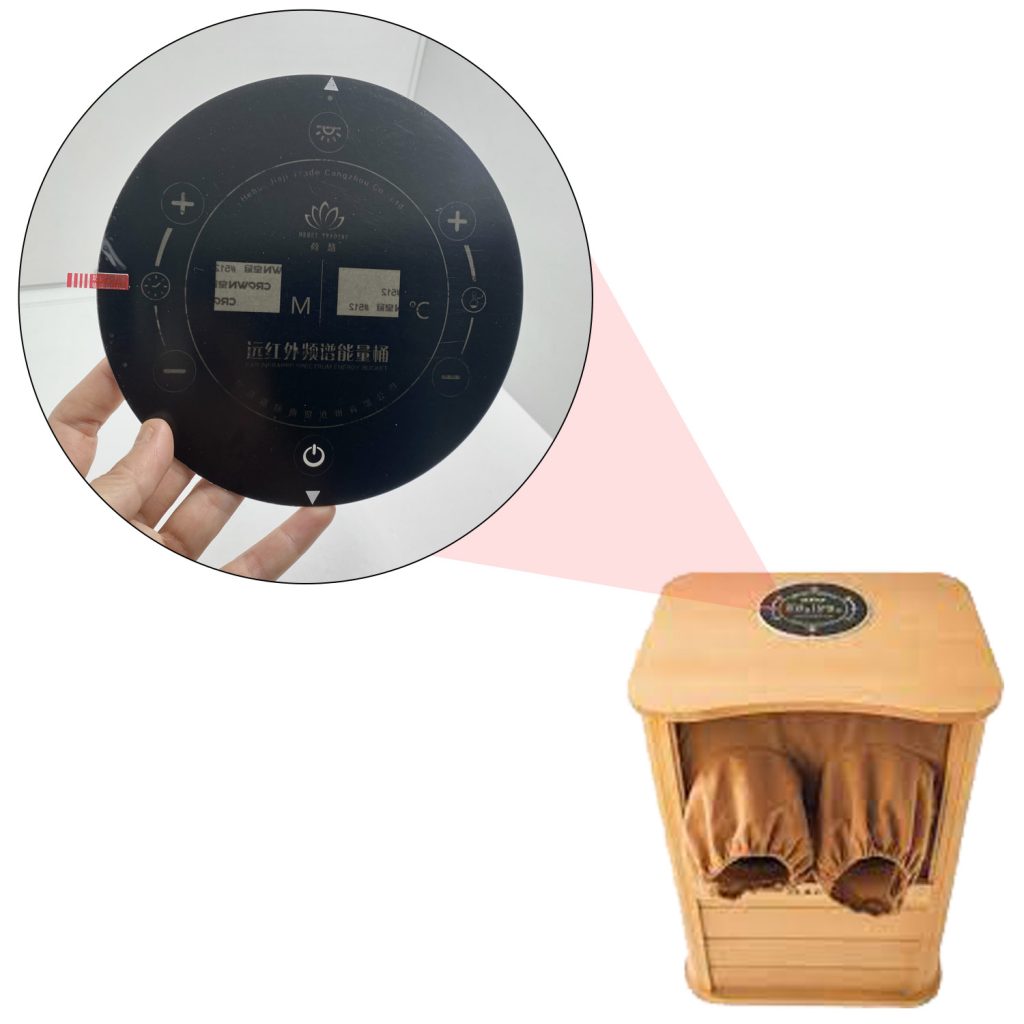
The Overlay Defines First Impression
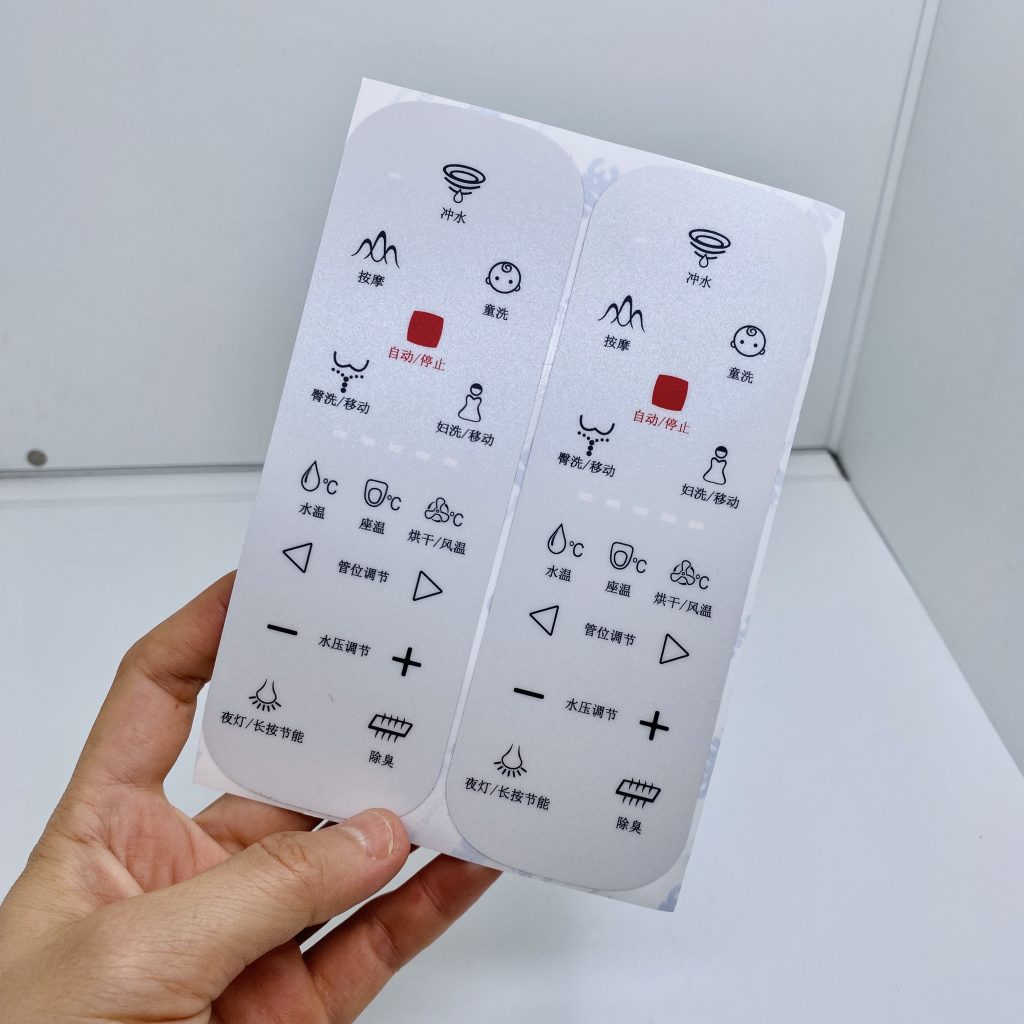
The graphic overlay is the part users see and touch first. It sits between the product and the user, acting as both interface and visual identity.
Before anyone evaluates performance, they notice:
- Color consistency
- Surface texture
- Button feedback
- Print clarity
A well-executed overlay immediately communicates precision and reliability. On the other hand, even small imperfections can create doubt about the entire product.
In B2B environments, this matters more than people admit. Buyers may not always say it directly, but perceived quality heavily influences purchasing decisions.
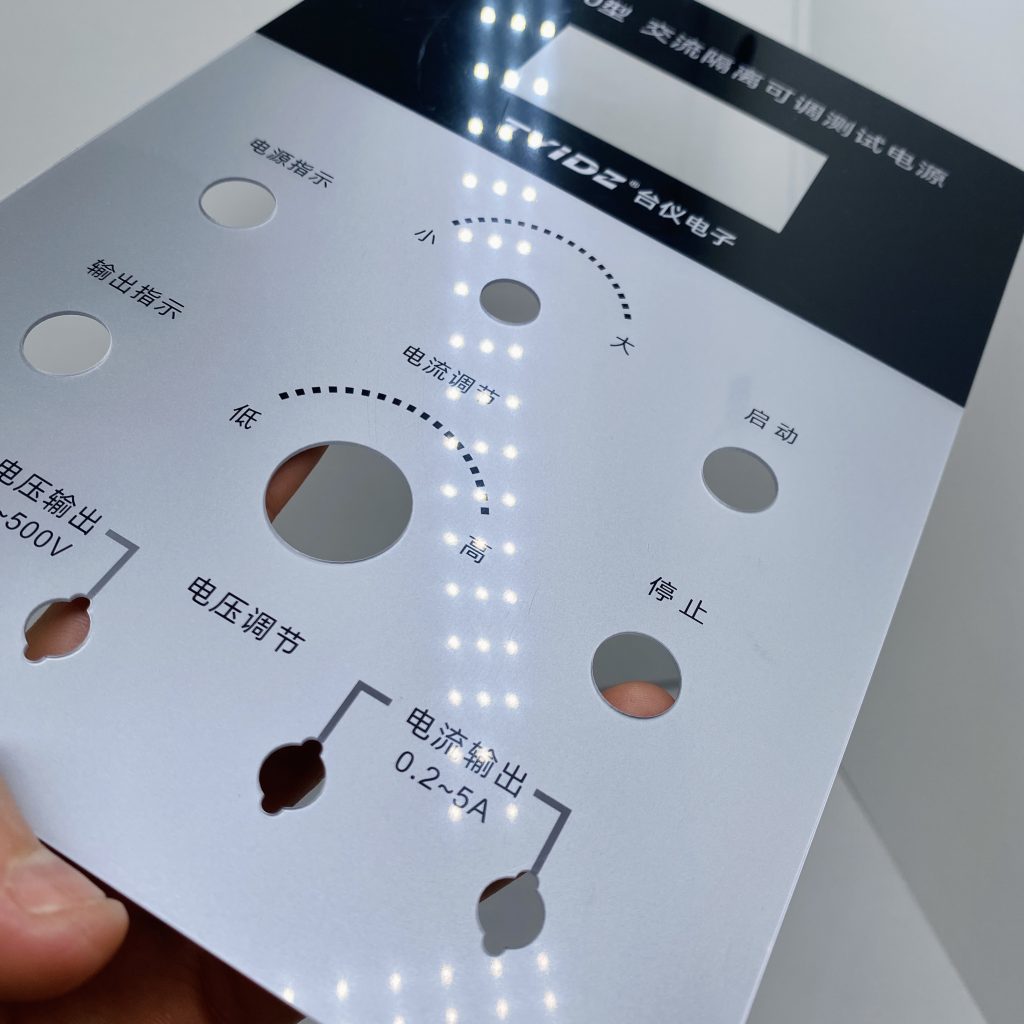
Small Defects Become Big Problems
Overlays are inspected at very close range. What looks acceptable on a drawing or sample sheet can become highly visible on a finished product.
Typical issues include:
- Color inconsistency between production batches
- Misaligned printing that doesn’t match the underlying display or LEDs
- Dust or particles trapped under the surface
- Scratches or surface marks that reflect light
These are often treated as minor defects during production. But to end users, they are not minor at all—they are interpreted as poor quality control.
Once the surface looks unreliable, the assumption is that everything underneath might be unreliable too.
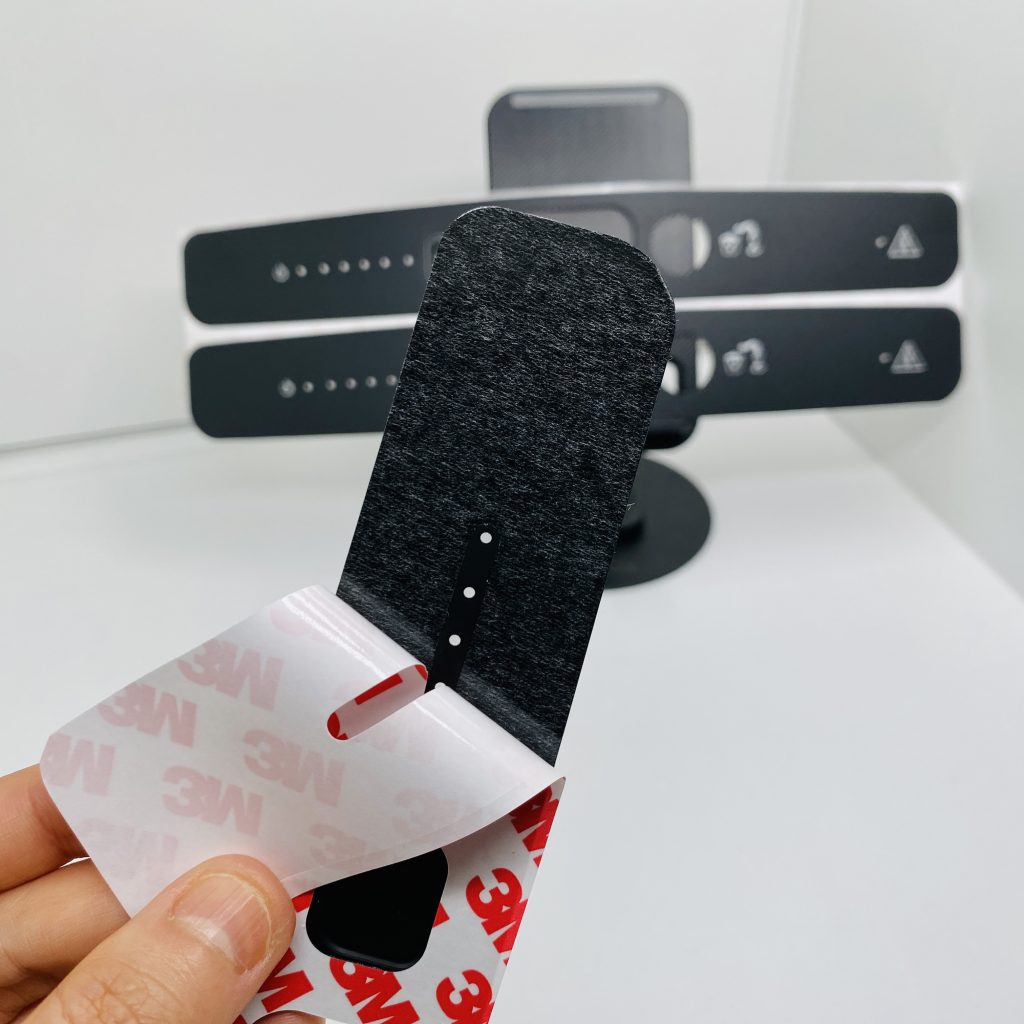
Material Selection Is Often the Real Issue
One of the most overlooked factors behind poor appearance is material selection.
Choosing between PET (polyester) and PC (polycarbonate) is not just a cost decision—it directly affects durability, clarity, and tactile performance.
- PET offers better chemical resistance and is ideal for display windows and harsh environments
- PC provides better flexibility and is commonly used where forming or tactile response is required
Problems usually arise when materials are chosen purely to reduce cost, without considering the application. This often leads to issues such as surface wear, poor tactile feel, or early aging.
In practice, material selection should always be application-driven, not price-driven.
Surface Finishing Shapes User Perception
Two products can use the same base material but feel completely different in hand. The difference usually comes from surface finishing.
For example:
- Gloss finishes look clean initially but show fingerprints and scratches easily
- Matte finishes provide a more stable, professional appearance over time
- Anti-glare coatings improve readability in bright environments
- Hard coatings enhance scratch resistance and UV durability
These finishing details are subtle, but they significantly influence how users judge product quality.
From a manufacturing perspective, achieving consistent finishing requires both process control and experience. It’s not just about having the option—it’s about executing it reliably at scale.
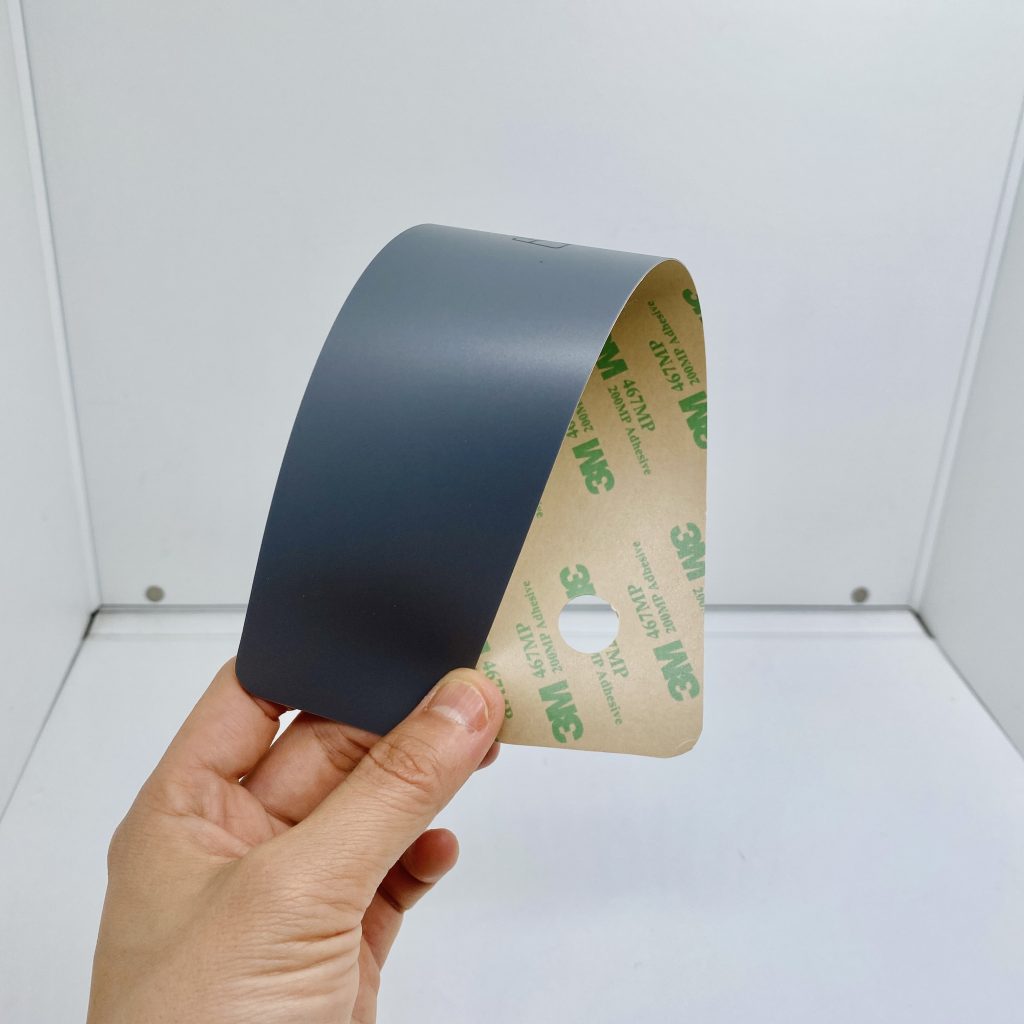
Adhesive and Edge Design Are Common Failure Points
Many appearance failures don’t come from printing or materials, but from how the overlay is applied.
If the adhesive is not matched to the substrate (such as ABS, metal, or coated surfaces), problems will show up over time:
- Edge lifting
- Bubbling
- Reduced bonding strength under temperature changes
Edge design also plays a role. Sharp edges are more likely to peel or collect dirt, while rounded corners or recessed mounting improve long-term stability.
These details are often overlooked during design, but they directly affect how the product looks after months of real use—not just on day one.
Most Problems Start Before Production
From our experience, most overlay-related appearance issues don’t originate on the production line—they start much earlier.
Common root causes include:
- Skipping prototype validation
- Lack of environmental testing
- Rushing design decisions to meet timelines
- Incomplete communication between design and manufacturing
At BX-PANEL, we often get involved early in the process, not just as a supplier but as a manufacturing partner. Asking the right questions at the beginning—about materials, finishes, and application environments—can prevent costly issues later.
With stable production conditions, controlled processes, and a clean manufacturing environment, consistency becomes achievable rather than accidental.
Conclusion
A product’s appearance is not a superficial detail—it is a direct reflection of quality.
The graphic overlay plays a central role in shaping that perception. It connects engineering with user experience, and small decisions at this level can significantly impact how a product is received in the market.
Cutting corners on overlays may reduce short-term costs, but it often leads to long-term compromises in brand perception and product value.
For OEMs and product teams, the takeaway is straightforward:
If the overlay fails, the product is judged as a whole.
About BX-PANEL
BX-PANEL (Xiamen XINBIXI Electronic Technology Co., Ltd.) specializes in the manufacturing of Graphic Overlays, Membrane Switches, Acrylic Panels, Nameplates, Insulation Gaskets, Crystal Dome Labels, and Stickers.
With over 10 years of industry experience, a 3000㎡ facility, and a dedicated in-house team, we support global customers with stable, application-focused solutions.
👉 Learn more: www.bx-panel.com
👉 Inquiry: [email protected]