


Let’s Start with a Common Question
I get this question from customers all the time:
“How long will a membrane switch actually last?”
The honest answer? There isn’t a single number.
A membrane switch’s lifespan depends on how it’s used, where it’s installed, and how it’s designed. But when customers ask about lifespan, what they’re really asking is:
“How often will this fail, and what will it cost me over time?”
So let’s walk through this topic the way engineers usually do — by looking at what truly impacts durability.
Our company, Bx-Panel (Xinbeixi Electronics Technology Co., Ltd), has been manufacturing membrane switches in Xiamen for 18 years. With a 3,000㎡ facility and around 100 production and engineering staff, we’ve encountered a wide range of application scenarios. Here’s what experience has taught us.
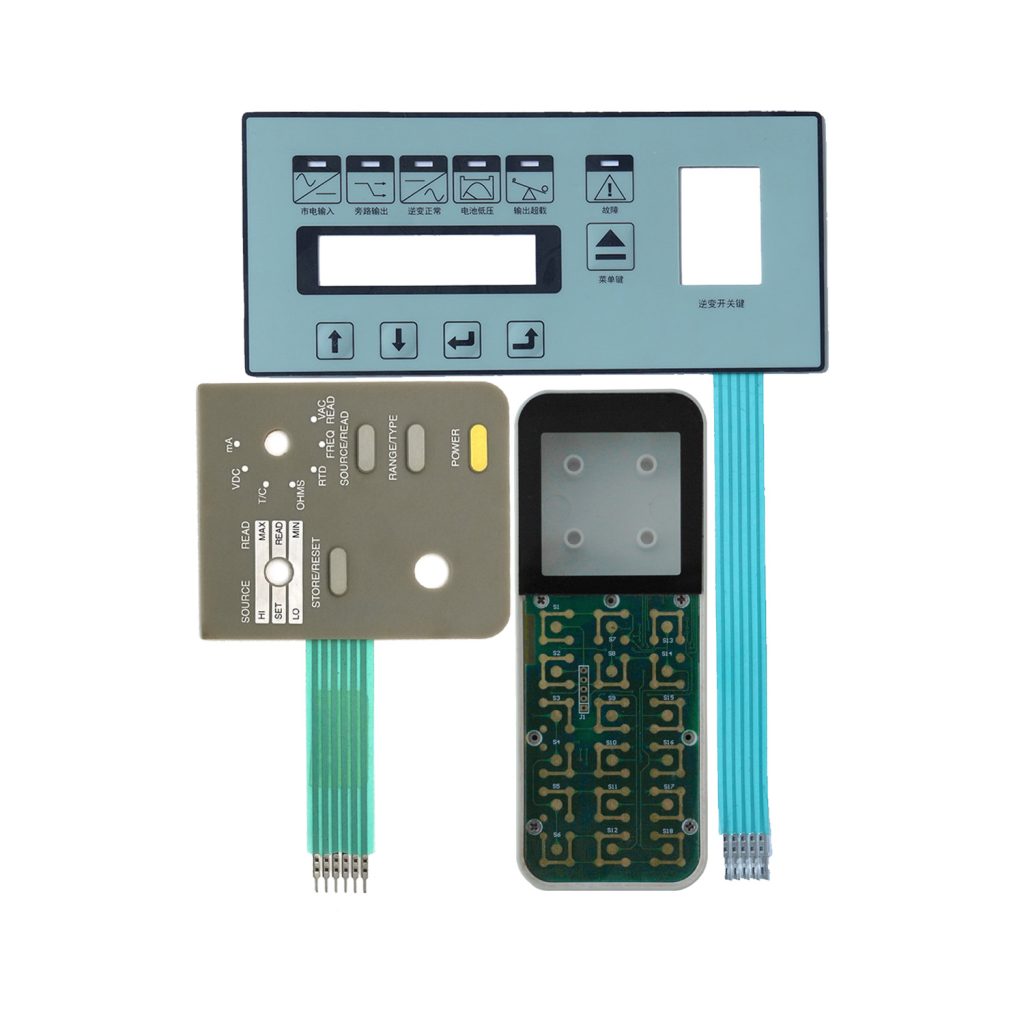
What’s the Typical Lifespan?
A practical reference range is 1 million to 10 million actuations. That covers most membrane switch designs.
It’s a wide range because multiple variables influence lifespan — materials, dome performance, circuit design, and environmental exposure.
For example:
- Home appliance panels may only require a few hundred thousand cycles
- Industrial equipment commonly targets 5 million cycles or more
- Medical devices can demand 10 million+ actuations
So the real answer is always application-specific.
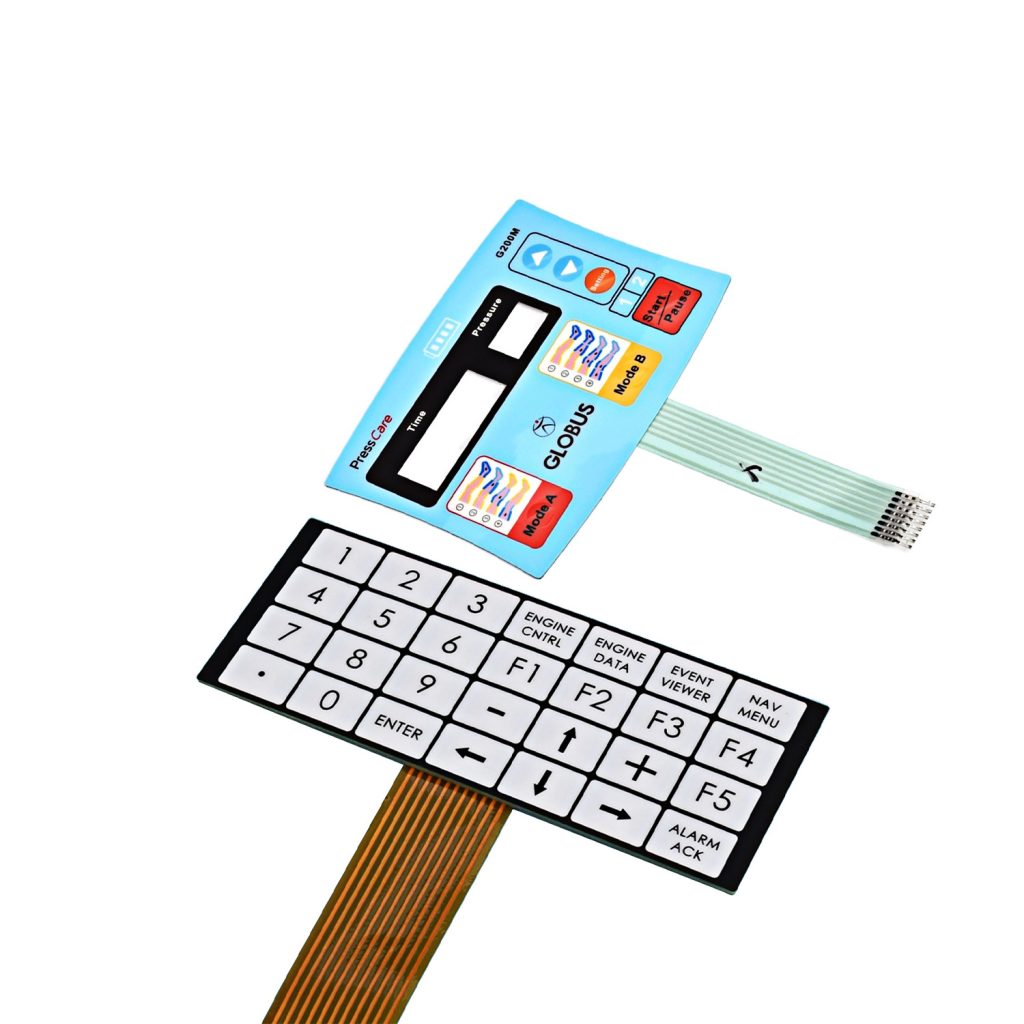
What Actually “Eats” Your Membrane Switch Lifespan?
1. Materials — The Foundation Matters
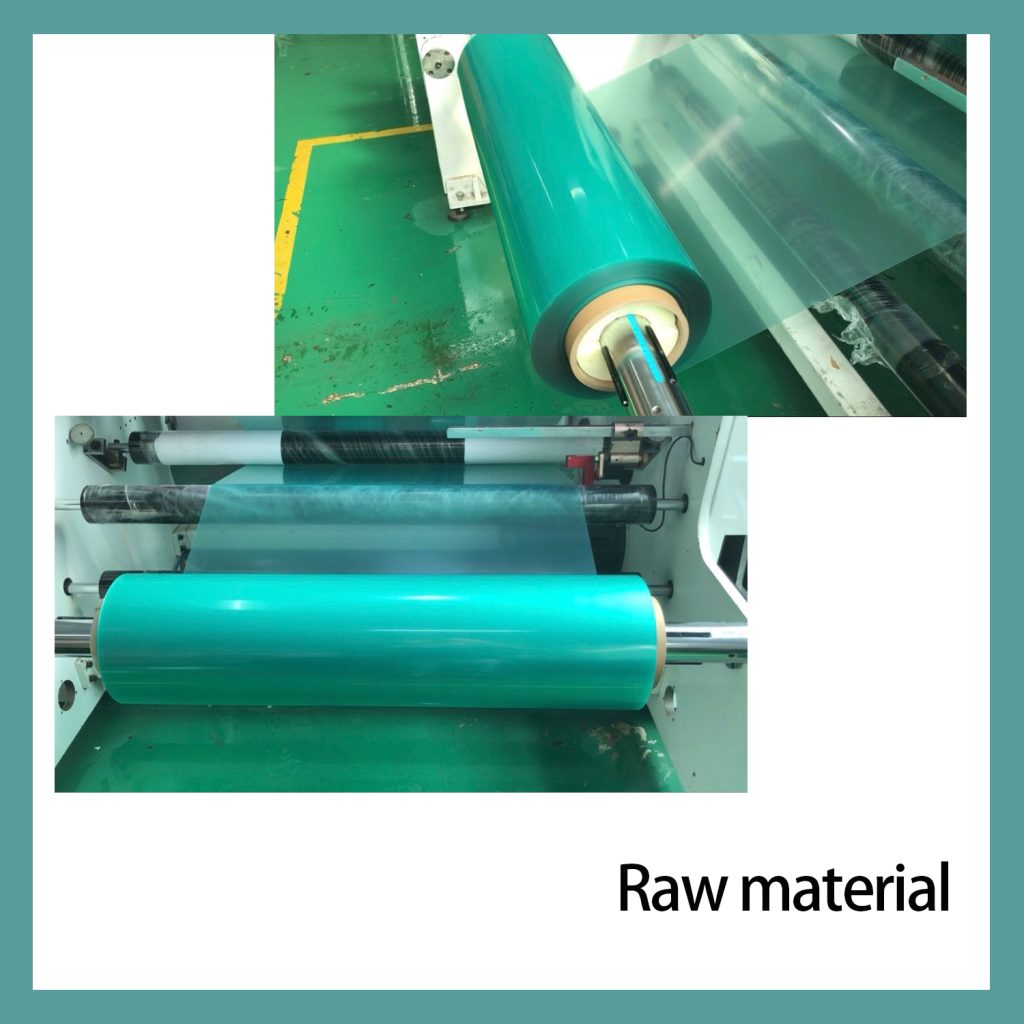
A membrane switch is essentially a laminated stack of functional layers. Every layer contributes to durability.
- Overlay — Typically PET or PC. PET offers strong abrasion resistance and works well for frequently pressed keys. PC provides better optical clarity but is less tolerant of harsh chemicals. For outdoor use, UV stabilization becomes essential to prevent brittleness over time.
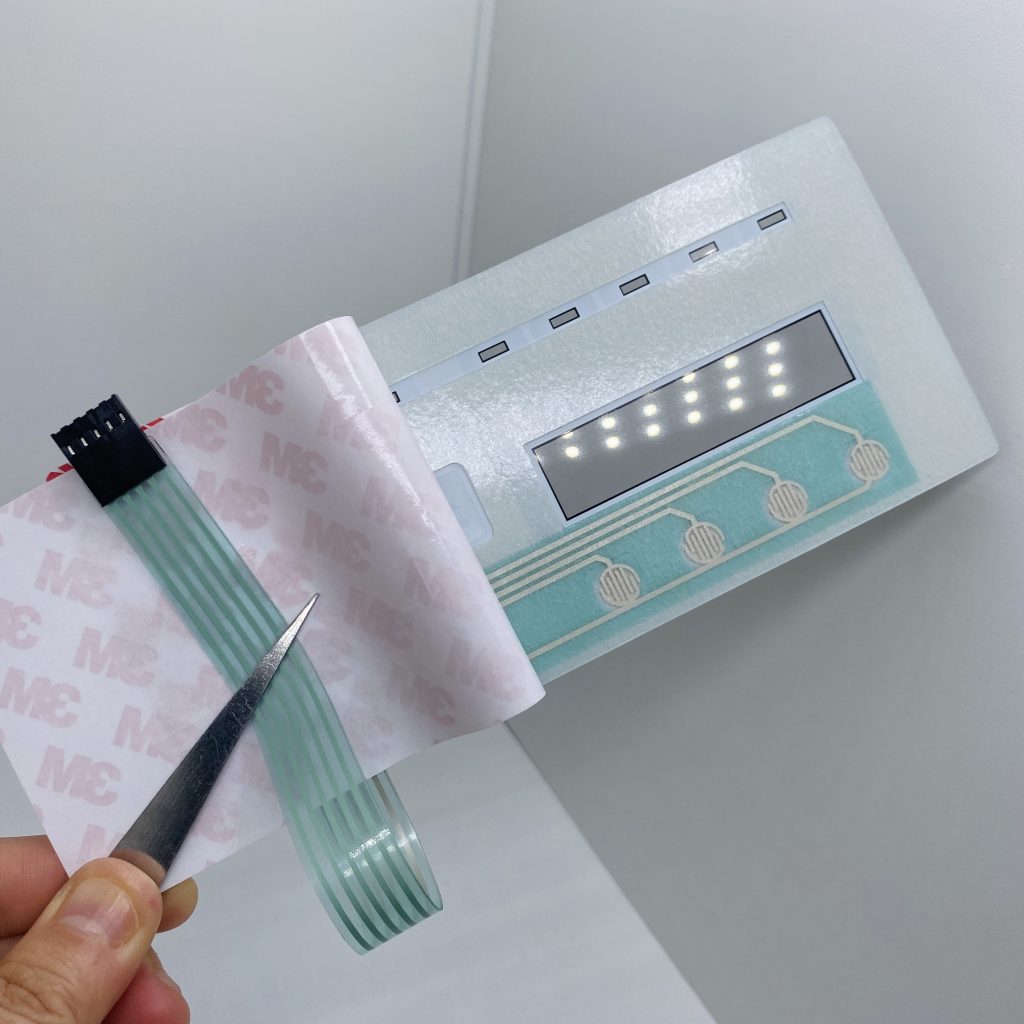
- Spacer adhesive — A thin layer with a noticeable impact on tactile performance. If adhesion degrades, layer separation may occur.
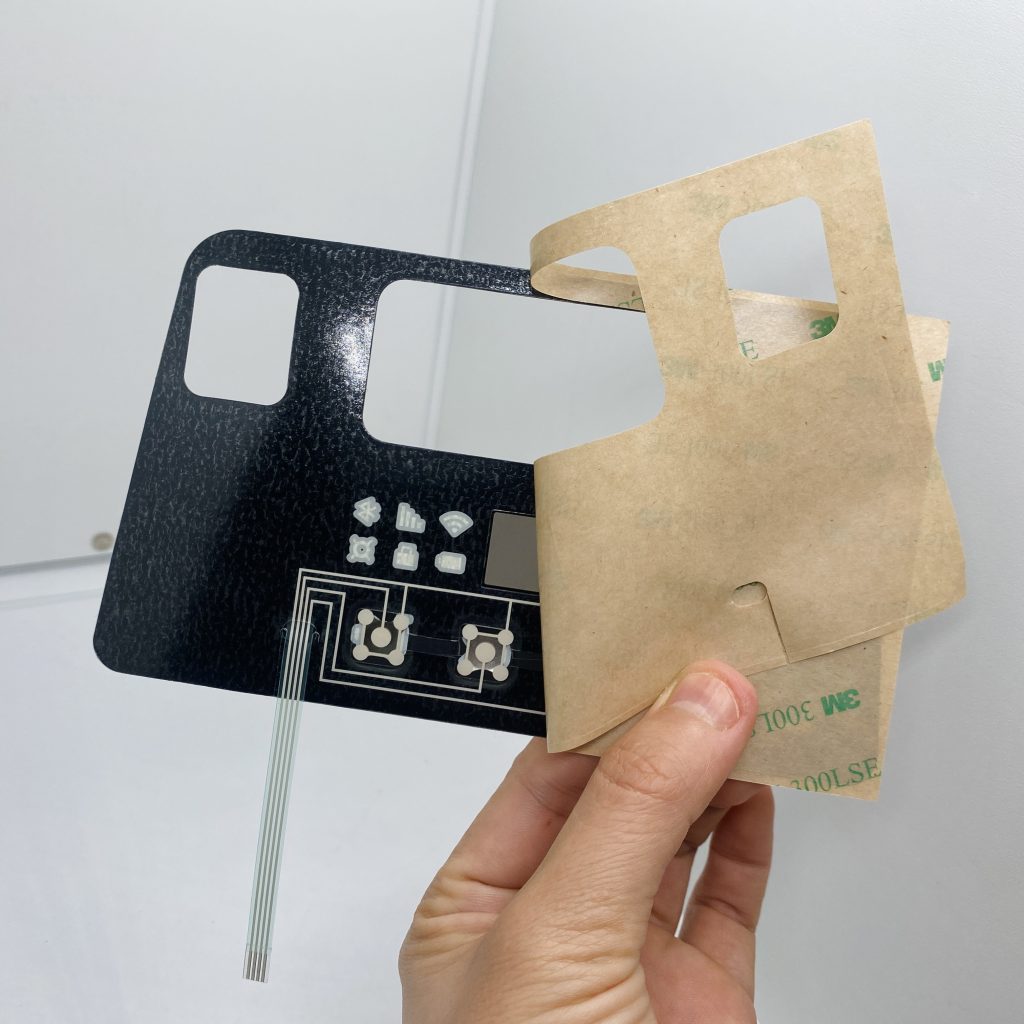
- Mounting adhesive — Bonds the switch to the enclosure. Poor environmental resistance can lead to edge lifting and eventual failure.
Because of this, one of our first questions during quotation is always about operating conditions. Material selection is rarely a one-size-fits-all decision.
2. Metal Domes — The First Component to Fatigue
Metal domes create tactile feedback. Each actuation introduces a small deformation, and over time fatigue becomes inevitable.
Dome lifespan is influenced by:
- Base material quality
- Surface plating (gold, silver, nickel)
- Dome geometry and thickness
- Required actuation force
In our internal testing, we cycle domes for millions of actuations while monitoring force retention. Well-designed stainless steel domes can maintain tactile consistency beyond 5 million cycles.
3. Printed Circuits — Silver vs. Carbon Ink
Membrane switch circuits are screen-printed using conductive inks:
- Silver ink — Excellent conductivity and suitable for complex layouts. However, high humidity environments may introduce silver migration risks without proper design controls.
- Carbon ink — Higher resistance but chemically stable and cost-effective, making it suitable for many standard applications.
To maintain reliability, we use precision screen printing equipment and perform accelerated aging verification for circuit stability.
4. Spacer and Adhesive Design
Spacer thickness and cutout geometry directly affect tactile travel and rebound behavior. If adhesives lose elasticity over time, keys may feel sticky or sluggish.
For this reason, temperature-resistant and aging-resistant adhesives are typically specified, along with optimized spacer opening designs.
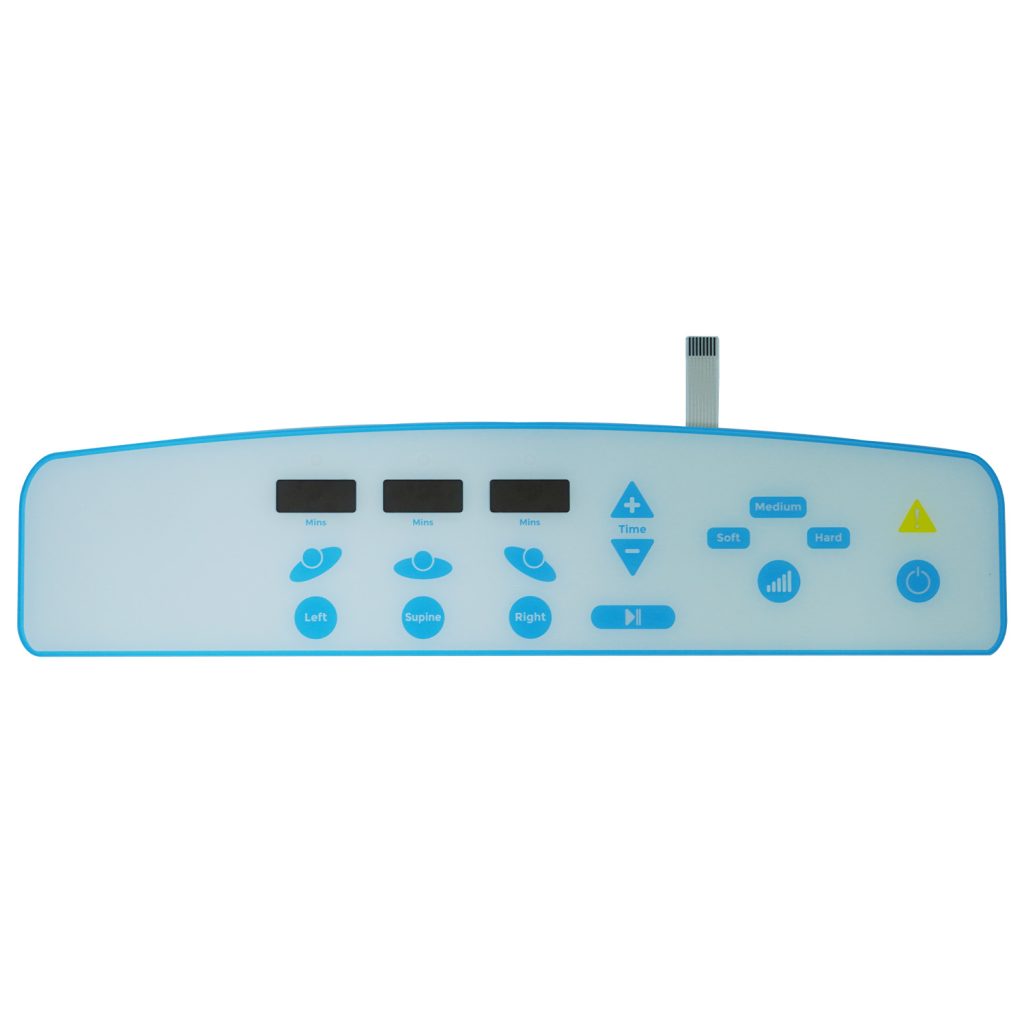
5. Backlighting — Aesthetic Value with Design Trade-offs
Backlighting introduces additional design variables.
- LED — Long operational life and strong brightness, but requires attention to thermal effects and solder joint reliability
- EL (electroluminescent) — Uniform illumination but gradual brightness decay, typically after several thousand operating hours
In practice, LED solutions dominate long-life applications, while EL remains suitable for intermittent-use scenarios.
6. Environment — The Silent Degradation Factor
Environmental exposure often determines real-world lifespan:
- Heat + humidity can accelerate adhesive aging and material expansion
- Chemicals and cleaners may attack overlays or printed graphics
- Mechanical wear can degrade surface appearance even when electrical function remains intact
For demanding environments, design strategies may include IP-rated sealing, chemical-resistant overlays, UV-stable materials, and reinforced perimeter sealing.
How Engineers Design Long-Life Membrane Switches
There’s no single breakthrough technique — just accumulated experience and validation.
Common practices include:
- Redundant circuit routing for critical paths
- Rounded trace geometry to reduce stress concentration
- Edge sealing strategies for contamination control
- Material stack optimization validated through physical prototype testing
Many durability issues can be prevented during early design reviews rather than corrected later in production.
Lifespan Requirements by Industry
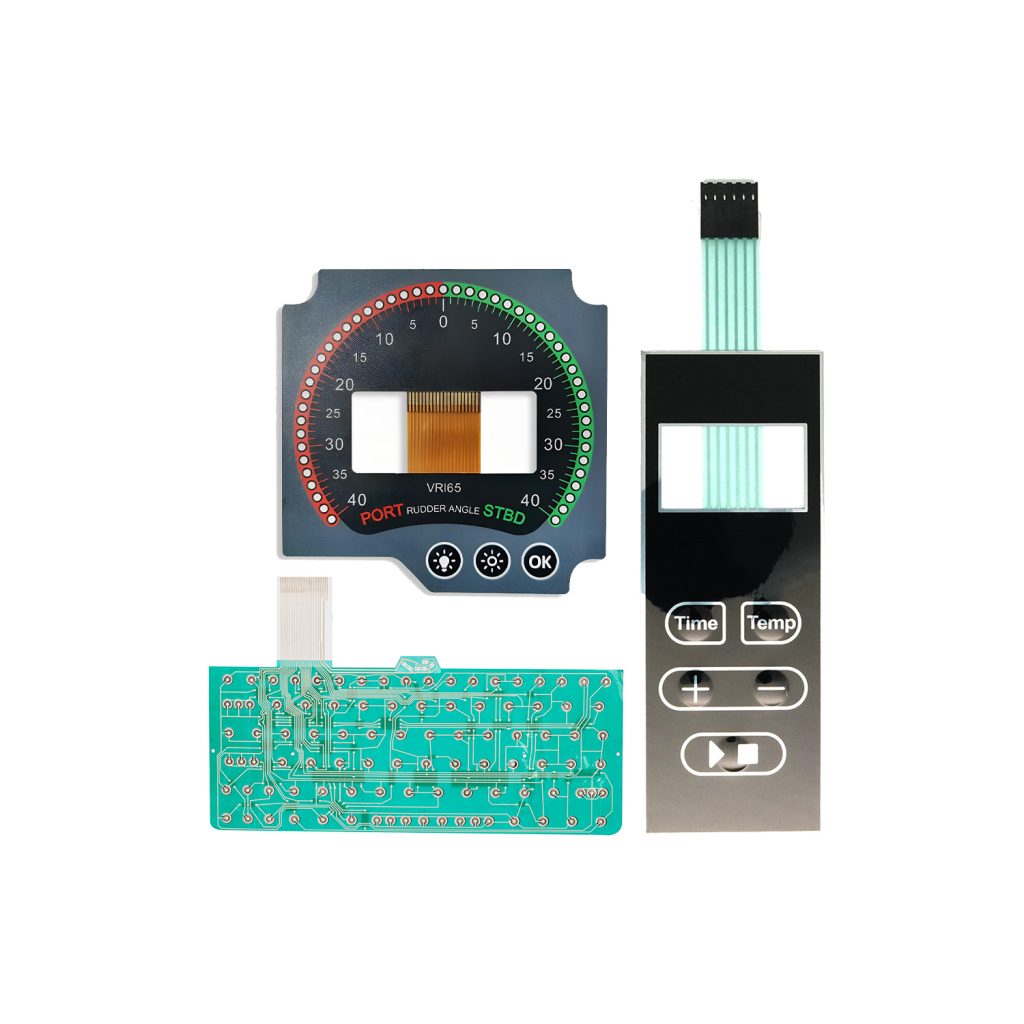
- Industrial equipment — Typically ≥5 million cycles, with emphasis on sealing and mechanical robustness
- Medical devices — Moderate cycle counts but strict chemical and hygiene requirements
- Consumer electronics — 500K–1M cycles with strong cost considerations
- Outdoor equipment — UV resistance, sealing integrity, and environmental stability prioritized
Application context consistently drives design targets.
FAQ
1. How long do membrane switches typically last?
Most designs fall between 1 million and 10 million actuations depending on materials and operating conditions.
2. What component fails first?
Metal dome fatigue or adhesive degradation are common early failure modes.
3. Can lifespan be extended?
Yes — through material upgrades, design optimization, and environmental protection strategies.
4. How long do metal domes last?
Quality stainless steel domes typically exceed 1 million cycles, with optimized designs reaching several million.
5. Does backlighting affect lifespan?
LED systems generally match product lifetime, while EL solutions experience gradual luminance decay.
Final Thoughts
Membrane switch lifespan is not defined by a single specification. It emerges from the interaction between materials, structural design, manufacturing precision, and operating environment.
At Bx-Panel, 18 years of production experience in Xiamen has exposed us to a wide spectrum of durability requirements and design constraints.
If you’re evaluating membrane switch options or refining an existing design, discussion early in the process often leads to the best outcomes.
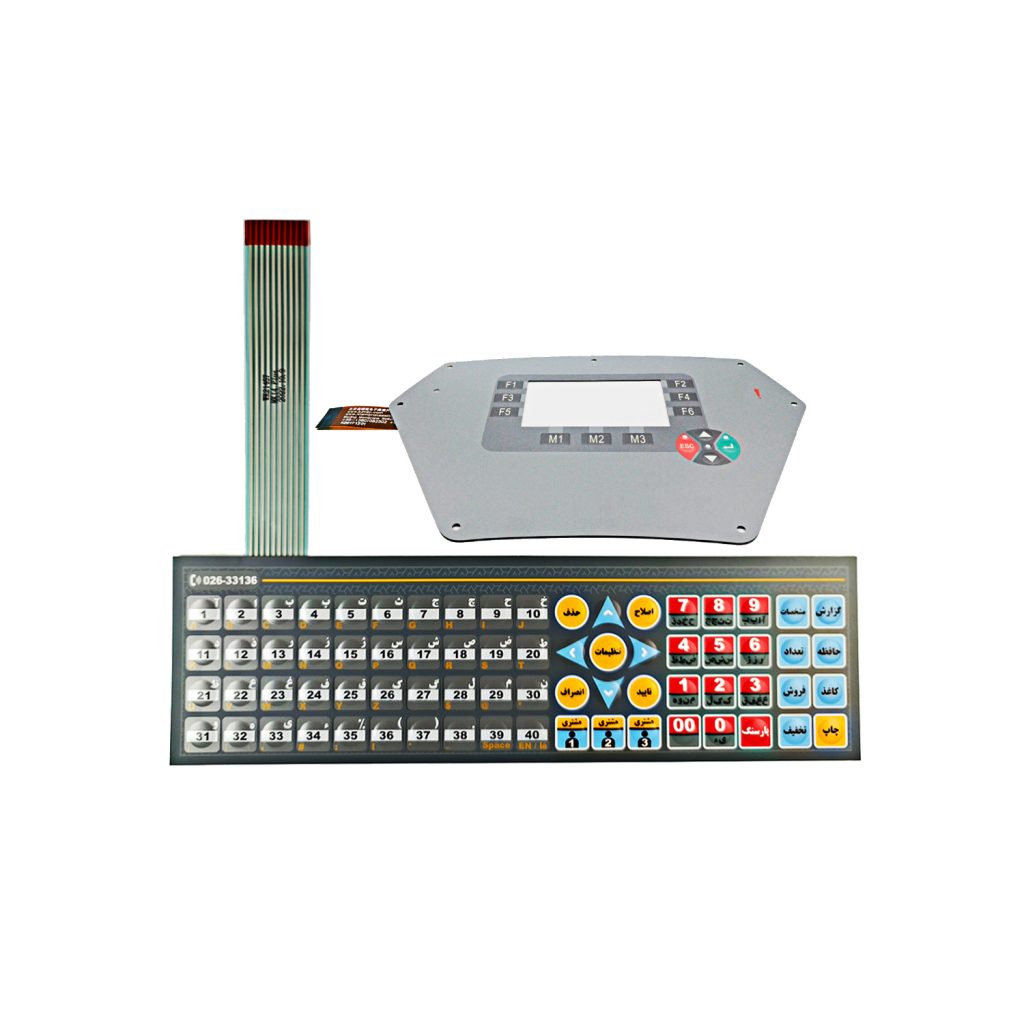
We operate a 3,000㎡ manufacturing facility with approximately 100 staff and provide membrane switches, graphic overlays, acrylic panels, nameplates, insulation gaskets, crystal dome labels, stickers, and related interface components.
For technical discussion or sample requests, contact [email protected] or visit www.bx-panel.com.