


Choosing a membrane switch design is only part of the job. In real projects, the manufacturer you choose is what determines whether that design actually works in production.
Many common issues—such as inconsistent key response, overlay peeling, or premature circuit failure—are not caused by design flaws. More often, they come down to differences in manufacturing capability. A design that looks correct on paper can still fail in the field if the production process is not well controlled.
For OEM teams and engineers, selecting a reliable membrane switch manufacturer directly impacts product quality, project timelines, cost, and long-term performance. At this stage, you are not just choosing a supplier—you are choosing a production partner.
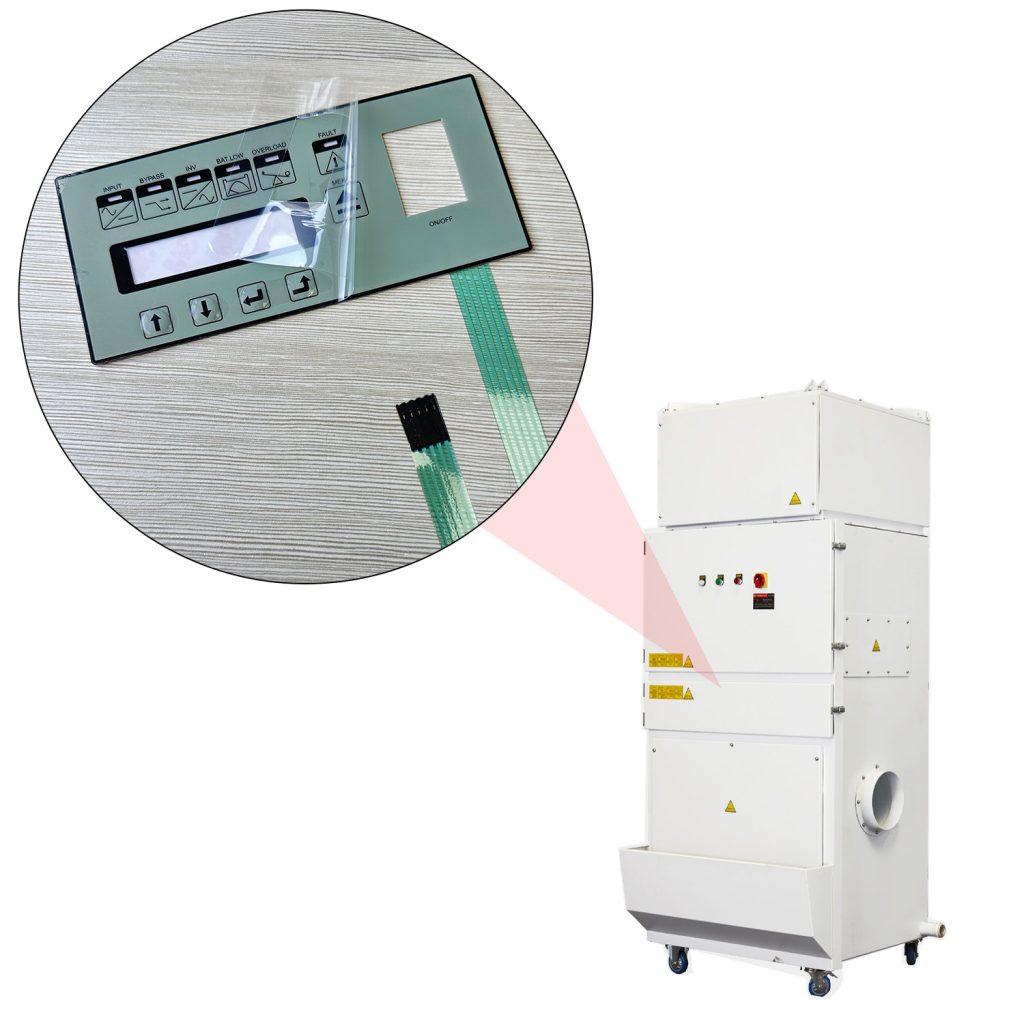
Why Choosing the Right Membrane Switch Manufacturer Matters
In membrane switch projects, designs can be copied, but manufacturing capability cannot.
Two suppliers can work from the same drawings and still deliver very different results in terms of durability and consistency. The gap usually comes from execution: material sourcing, printing accuracy, lamination stability, and how strictly processes are controlled.
A qualified custom membrane switch manufacturer understands that a switch is not just a stack of layers. It is an electromechanical system that must perform consistently over a long service life.
Choosing the wrong partner introduces real risk—delamination in humid environments, unstable contact resistance, or early circuit failure in the field. This is why supplier selection should go beyond pricing and focus on engineering and process capability.
Engineering Capability and Design Support
One of the clearest differences between manufacturers is whether they provide real engineering support.
A capable custom membrane switch manufacturer does not simply follow drawings—they review and challenge them.
In practice, this may include:
- adjusting circuit routing to improve electrical performance
- recommending alternative adhesives for better sealing
- modifying tail design to reduce mechanical stress
These suggestions are not about changing your design for the sake of it—they are about making the product more manufacturable and reliable.
If a supplier accepts everything without feedback, it is usually a warning sign. Strong manufacturers ask questions, identify risks early, and help refine the design before production.
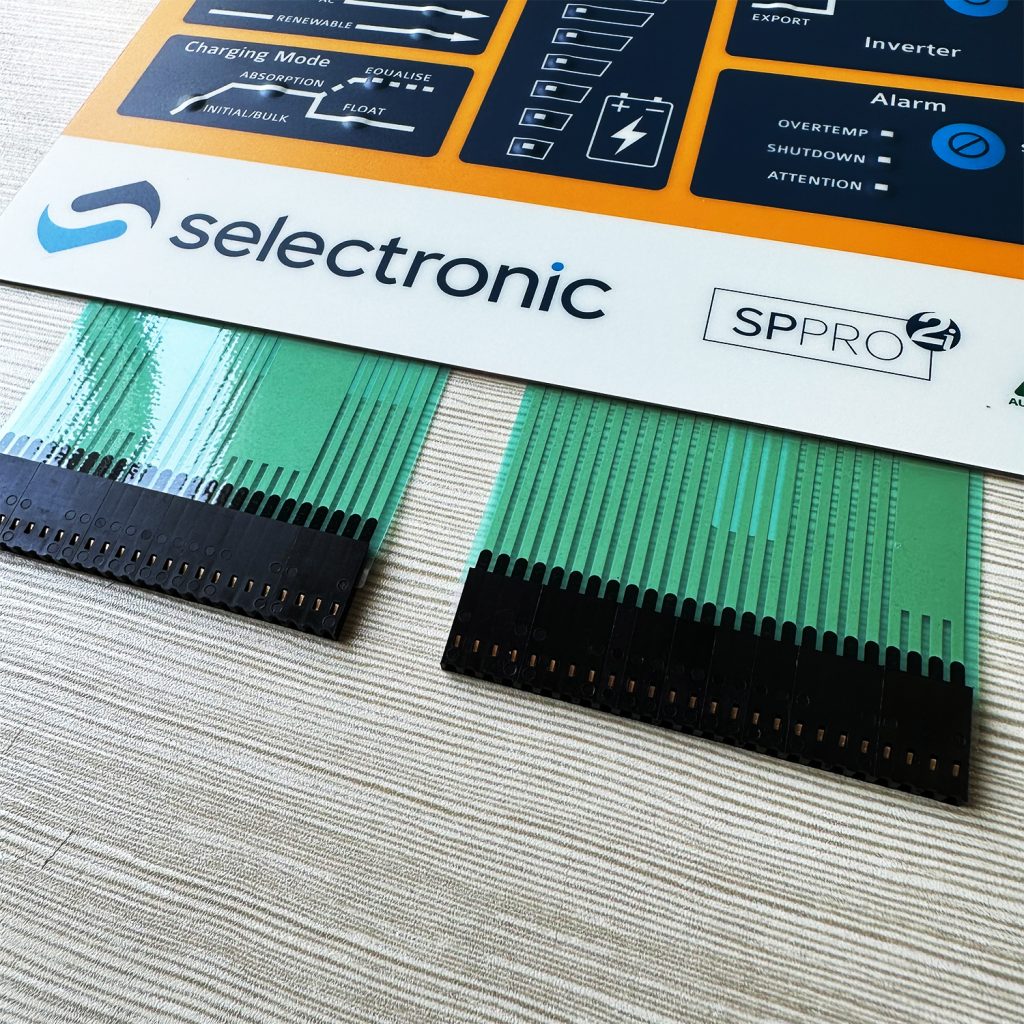
Material Selection and Process Control
The reliability of a membrane switch depends heavily on materials—and even more on how those materials are processed.
When evaluating a membrane switch supplier, it is worth looking beyond material names and focusing on how consistently they are applied.
Key points include:
- Substrate materials: knowing when standard PET is sufficient and when higher-grade materials are required
- Circuit inks: controlling ink thickness and uniformity to avoid unstable resistance
- Adhesive systems: selecting adhesives that match the operating environment and prevent issues like peeling or contamination
In real production, problems rarely come from “wrong materials” alone. They usually come from inconsistent process control.
Manufacturing Capability and Equipment
Membrane switch production requires precision across multiple steps. When assessing a membrane switch factory, three areas are especially important:
1. Screen printing accuracy
Layer alignment and print consistency directly affect circuit performance. Poor registration can lead to short circuits or exposed traces.
2. Lamination control
Layer bonding must be uniform and free from bubbles or contamination. This depends on both equipment and environmental control.
3. Die cutting precision
Final dimensions must be consistent to ensure proper assembly with the end product.
In practice, alignment accuracy between layers is one of the key factors affecting long-term reliability.
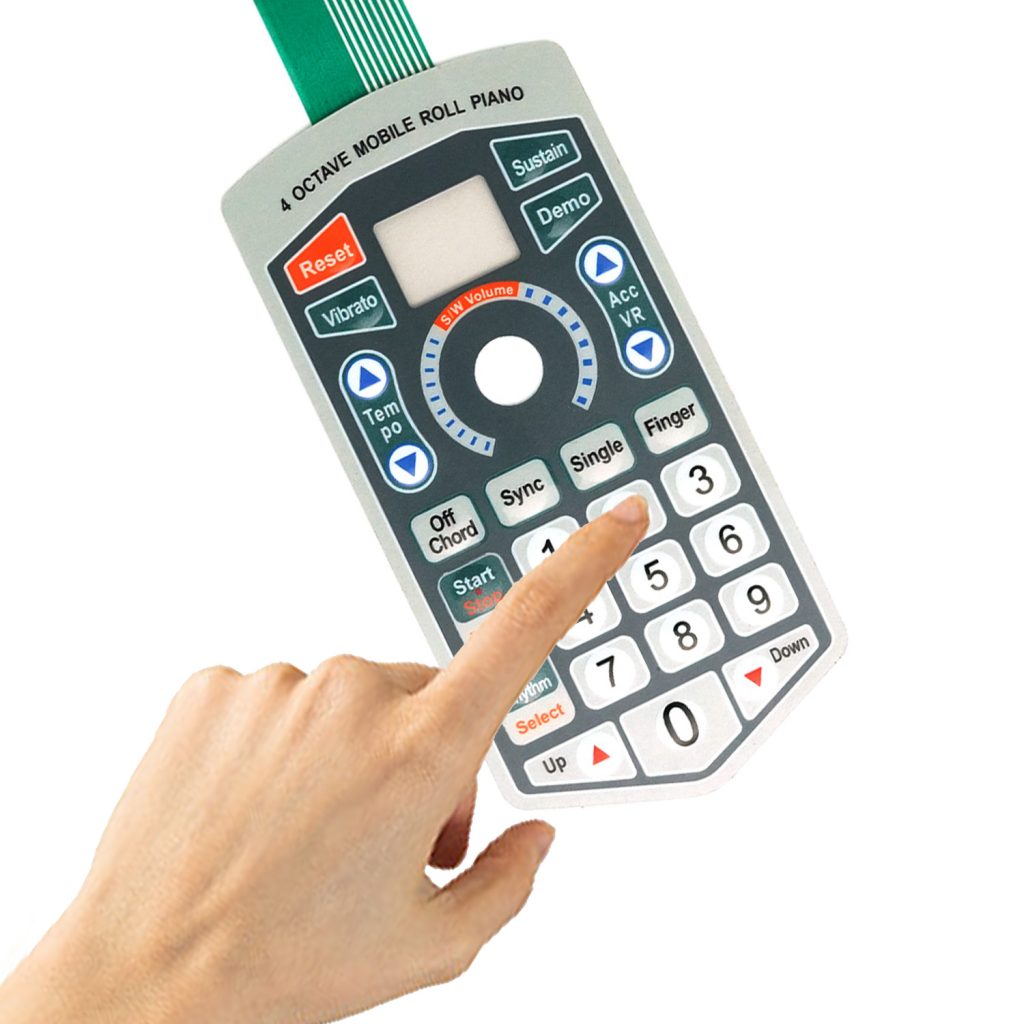
Quality Control and Testing Standards
For a professional membrane switch manufacturer, quality control is not something done at the end—it runs through the entire process.
A solid QC system typically includes:
- Lifecycle testing to verify durability over repeated use
- Environmental testing for temperature, humidity, and stress conditions
- Electrical testing to ensure circuit integrity on every unit
What matters is not just whether testing exists, but whether it is applied consistently and backed by traceable data.
Prototype and Lead Time Flexibility
Product development rarely follows a straight line. Design changes and iterations are normal, especially in early stages.
This is where membrane switch prototype capability becomes important.
A responsive manufacturer should be able to:
- provide fast prototype turnaround
- support multiple design iterations
- transition smoothly from sample to mass production
In real projects, delays often happen not because of design complexity, but because the supplier cannot keep up with iteration speed.
Communication and OEM Project Experience
Many issues in OEM projects are not technical—they are communication-related.
Working with an experienced OEM membrane switch manufacturer means working with a team that understands how to coordinate with engineering, sourcing, and quality departments.
Key indicators include:
- clear and practical DFM feedback
- realistic and transparent lead times
- quick response to design changes or technical questions
In many cases, project delays are caused less by production problems and more by slow or unclear communication.
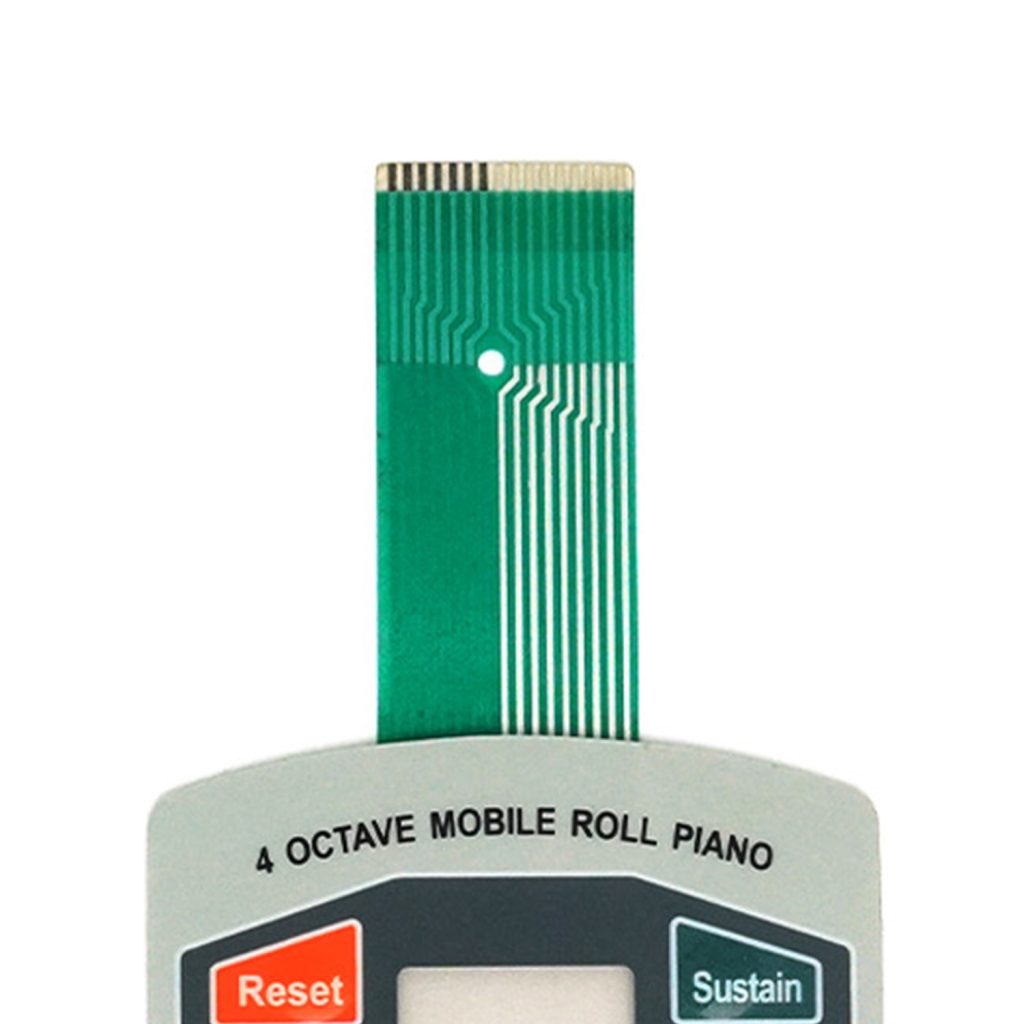
Cost vs. Long-Term Reliability
Price always matters, but focusing only on unit cost can be misleading.
The real comparison is membrane switch cost vs long-term reliability.
A lower-cost part may reduce initial BOM cost, but failures in the field can quickly outweigh those savings through:
- product returns
- warranty costs
- customer dissatisfaction
In practice, the most cost-effective option is usually the one that delivers consistent quality and avoids downstream issues.
Working with an Experienced Manufacturer
With nearly a decade of experience in membrane switch manufacturing, BX-Panel (Xiamen XINBIXI Electronic Technology Co., Ltd.) has developed a stable production system covering both engineering support and large-scale manufacturing.
The company operates its own manufacturing facility, supported by a skilled production team, allowing tighter control over process consistency, lead time, and product quality.
For OEM projects, the focus is not only on production, but also on early-stage collaboration. This includes design review, material selection, and structure optimization to ensure the switch performs reliably in real applications.
If you are evaluating a membrane switch manufacturer for your next project, working with a team that combines engineering understanding with in-house production capability can significantly reduce development risk.
Website: www.bx-panel.com
Email: [email protected]
Final Thoughts
A reliable membrane switch manufacturer does more than produce components—it supports the entire development process.
By evaluating suppliers based on engineering capability, process control, and communication—not just pricing—OEM teams can significantly reduce risk and avoid common production issues.
In most cases, choosing the right partner early leads to fewer revisions, more stable quality, and a smoother path to production.