


Membrane switches are widely used in industrial equipment, medical devices, and outdoor control systems due to their compact structure and cost efficiency.
However, membrane switch failure remains one of the most common reliability challenges in electronic interface design. Issues such as unresponsive keys, intermittent circuits, or delamination can lead to operational disruptions and increased maintenance costs.
In many cases, these failures are not caused by a single defect, but by a combination of design decisions, material choices, manufacturing control, and environmental exposure.
This article breaks down the real causes of membrane switch failure and outlines practical ways to reduce failure rates in demanding applications.
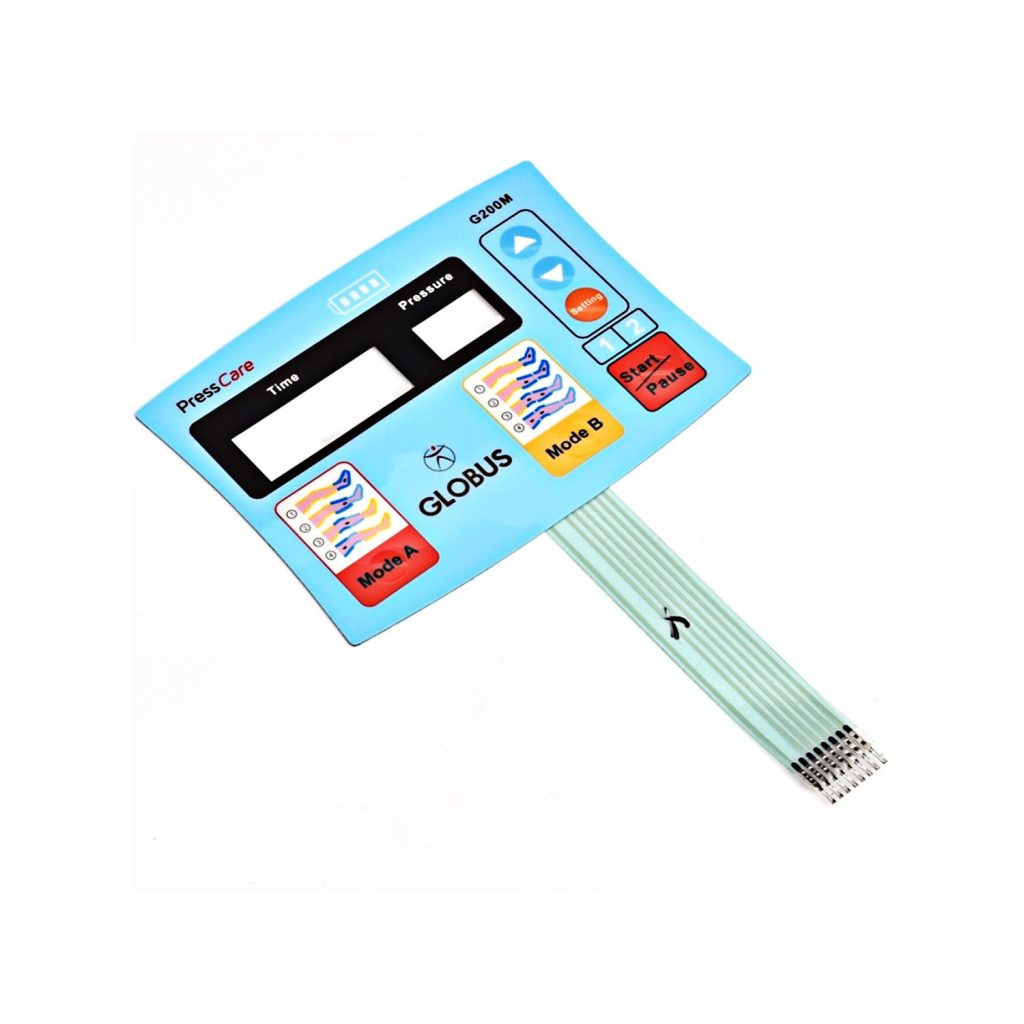
What Causes Membrane Switch Failure?
Common causes of membrane switch failure include:
- Poor keypad design or incorrect actuation force
- Incompatible materials or low-performance adhesives
- Manufacturing defects such as misalignment or trapped air
- Environmental stress including humidity, UV exposure, and temperature cycling
- Insufficient testing and validation before mass production
In high-volume applications, even a small failure rate of 1–2% can translate into significant long-term costs.
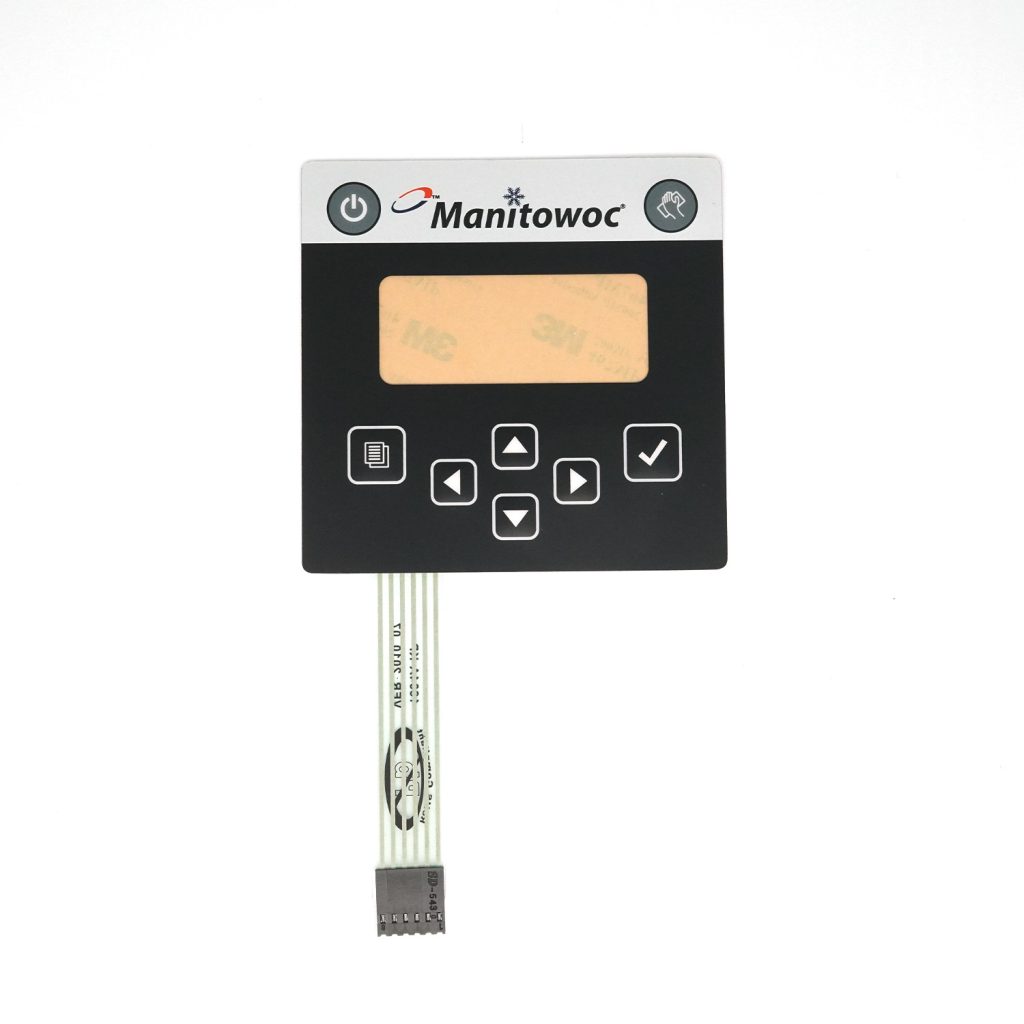
Membrane Switch Design Issues: The Root Cause of Most Failures
In practice, many membrane switch failures can be traced back to early-stage design decisions.
Keypad layout, tactile feedback, and actuation force must be carefully balanced. If the actuation force is too high, users tend to apply excessive pressure, which accelerates dome fatigue and can damage conductive traces. On the other hand, overly sensitive designs may lead to accidental triggering.
Spacer design is another overlooked factor. Poor venting can trap air inside the structure, leading to inconsistent key response or gradual delamination over time.
In real applications, issues such as incorrect dome travel, improper adhesive thickness, or circuit misalignment often do not appear immediately—but become failure points after repeated use.
Iterative prototyping and early-stage validation are critical to minimizing these risks before production.
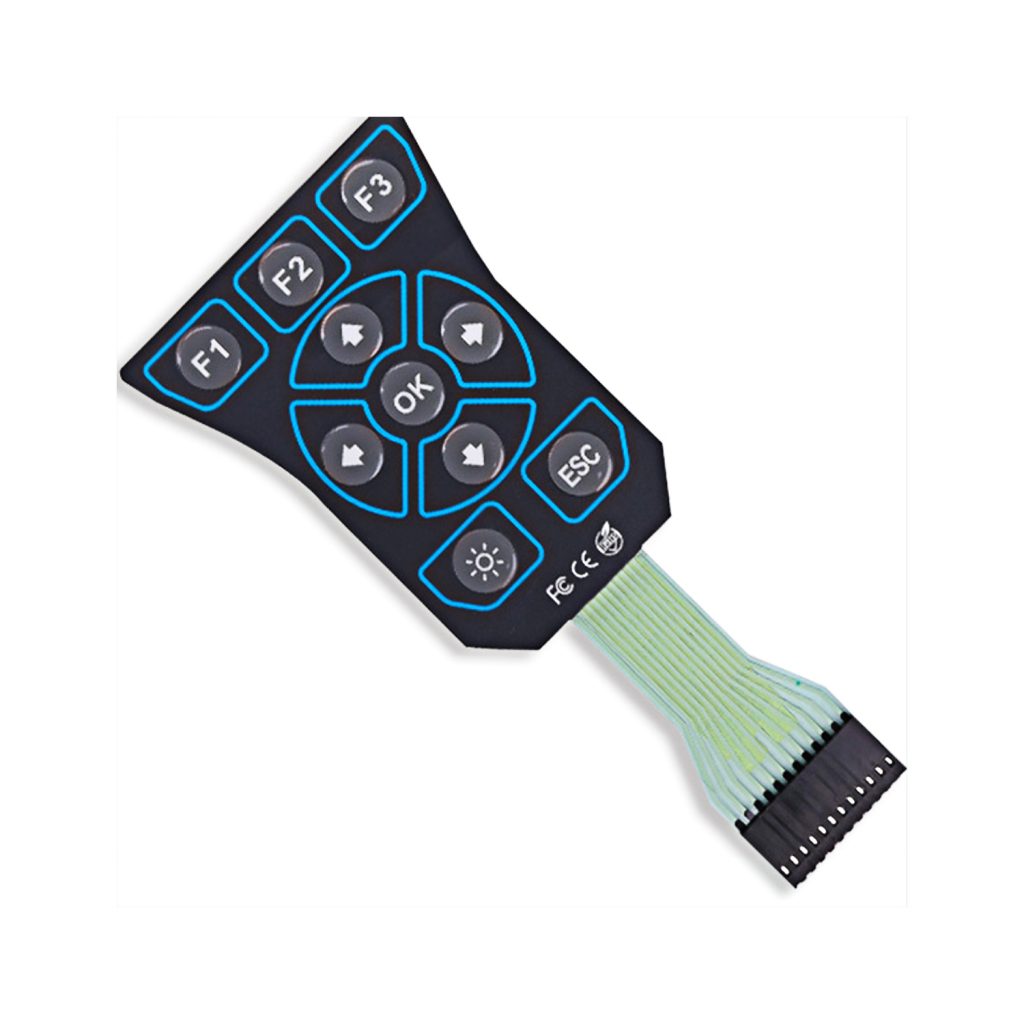
Material Selection Directly Affects Membrane Switch Reliability
Material choice plays a direct role in determining the lifespan of a membrane switch.
Polyester (PET) is widely used for its flexibility and chemical resistance, while polycarbonate (PC) offers better impact strength but may degrade under prolonged UV exposure. Selecting materials without considering the operating environment often leads to premature aging.
Adhesive performance is one of the most common failure points. In high humidity or temperature cycling environments, low-quality adhesives can lose bonding strength, causing layer separation or edge lifting.
In many cases, material compatibility issues—such as reactions between adhesive, ink, and substrate—only become visible after long-term use.
For outdoor or industrial applications, UV-resistant overlays, high-performance pressure-sensitive adhesives, and chemically stable inks are essential for maintaining long-term reliability.
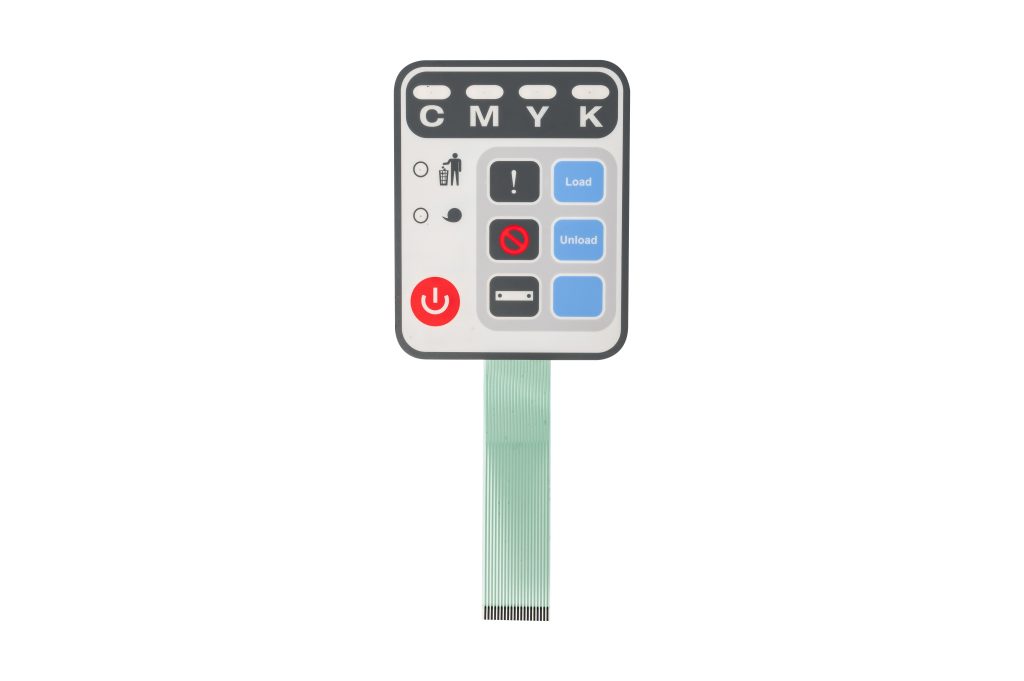
Manufacturing Defects: Hidden Risks That Lead to Early Failure
Even with a solid design, poor manufacturing control can introduce hidden defects.
Screen printing misalignment may cause conductive traces to shift away from dome contact points, resulting in intermittent or failed connections. Lamination inconsistencies—such as uneven pressure or trapped air bubbles—create weak bonding areas that may fail over time.
Some defects are not immediately visible. For example, silver migration or oxidation within conductive layers may take months to develop but eventually lead to circuit failure.
Reliable manufacturers typically implement process controls such as:
- Automated optical inspection (AOI) for printed layers
- Controlled lamination parameters
- 100% electrical testing before shipment
In addition, accelerated life testing on sample batches helps verify long-term process stability.
Environmental Factors That Accelerate Membrane Switch Failure
Environmental conditions are often underestimated during the design phase but play a major role in real-world performance.
In low-temperature environments, plastic films can become brittle and prone to cracking. High humidity increases the risk of conductive path corrosion or short circuits due to moisture ingress. UV exposure can degrade overlays and cause discoloration or loss of mechanical strength.
Chemical exposure is another critical factor. Cleaning agents, oils, or industrial solvents may attack the surface layer or weaken adhesives.
In practice, failure often occurs when the design does not fully match the operating environment.
To improve reliability, designers typically use:
- Protective coatings for chemical resistance
- Thicker or UV-stable overlay materials
- Sealing structures or gaskets to achieve IP-rated protection
Environmental simulation testing—such as thermal cycling, humidity exposure, and UV aging—is essential for validating these design choices.
Testing and Validation: The Final Step to Reduce Failure Rates
No membrane switch design is complete without proper testing and validation.
Life cycle testing helps identify mechanical wear by simulating repeated use over time. Adhesion testing ensures that bonding strength remains stable after environmental exposure. For sealed designs, IP testing verifies resistance to water and dust.
In many applications, standard testing is not enough. For example:
- Medical devices may require sterilization resistance
- Industrial equipment may require vibration and shock testing
- Outdoor systems must withstand long-term UV and weather exposure
When failures occur during testing, root-cause analysis should be conducted and fed back into design or process improvements.
This closed-loop approach is one of the most effective ways to continuously reduce membrane switch failure rates.
Conclusion
Membrane switch failure is rarely random. It is typically the result of combined factors across design, materials, manufacturing, and environmental conditions.
Reducing failure rates requires a systematic approach—from early design validation to material selection, controlled production, and application-specific testing.
In many projects, reliability is significantly improved when engineering and manufacturing are closely integrated. For this reason, OEMs often prefer working with manufacturers that offer in-house design support, material expertise, and strict quality control systems.
Manufacturers with integrated capabilities—such as BX-PANEL—are better positioned to support applications that demand long-term stability and consistent performance.