Meta description: Discover why industrial control panels widely use membrane switch interfaces. Learn how sealing, durability, glove operation, and cost efficiency make them ideal for factory environments.
A Scene Most Engineers Know Well
Step into a typical factory floor and the environment speaks for itself — machines running continuously, indicator lights blinking in rhythm, operators moving between stations adjusting parameters or initiating cycles.
What often goes unnoticed is the interface enabling all of this interaction.
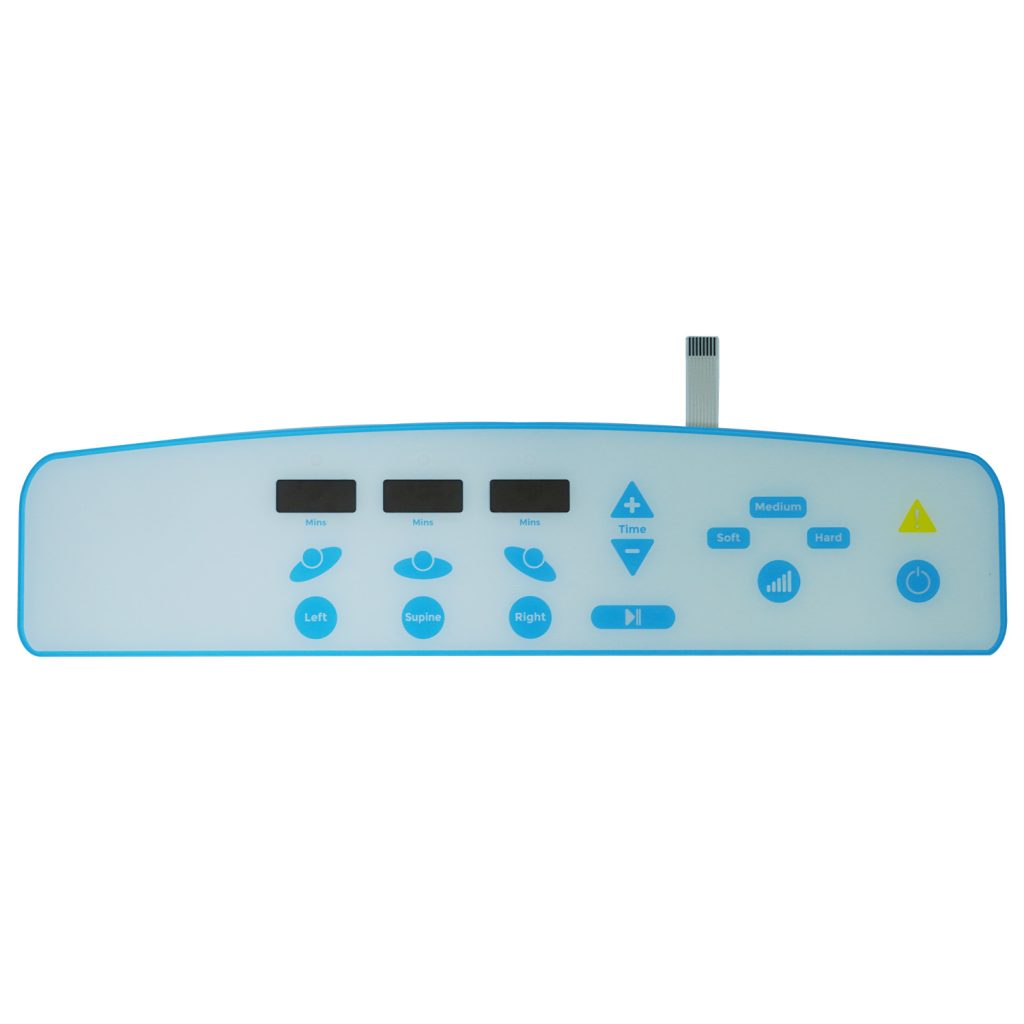
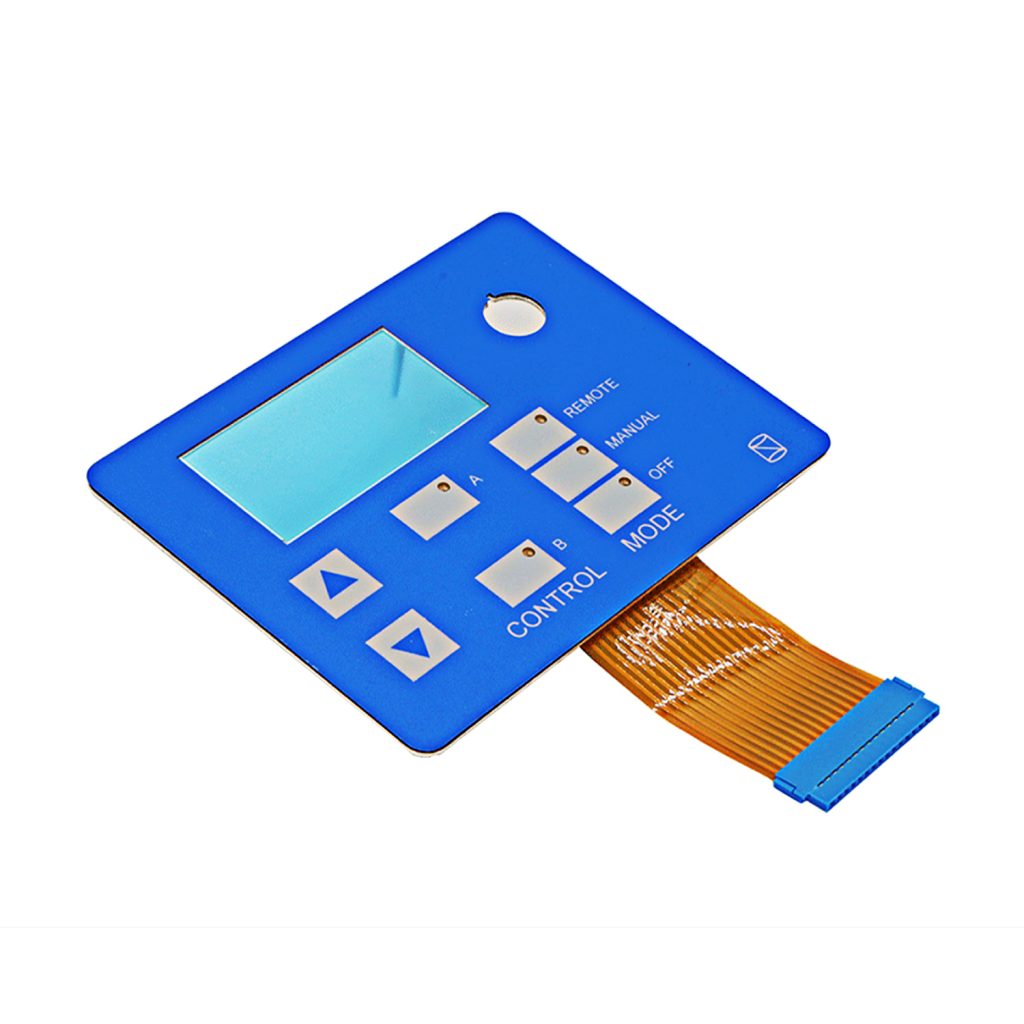
In many industrial systems, that interface is a membrane switch panel. It doesn’t stand out visually, but it quietly handles thousands of daily interactions. Unlike exposed mechanical buttons that collect debris or touchscreens that struggle with gloves, membrane switch interfaces offer a practical middle ground. Over time, they’ve become a default choice in industrial control panels for reasons rooted in real-world performance rather than trend.
Why Membrane Switches Fit Industrial Control Panels So Naturally
Industrial equipment lives in conditions far removed from office electronics. Dust, oil mist, vibration, cleaning chemicals, and long operating hours all shape interface selection.
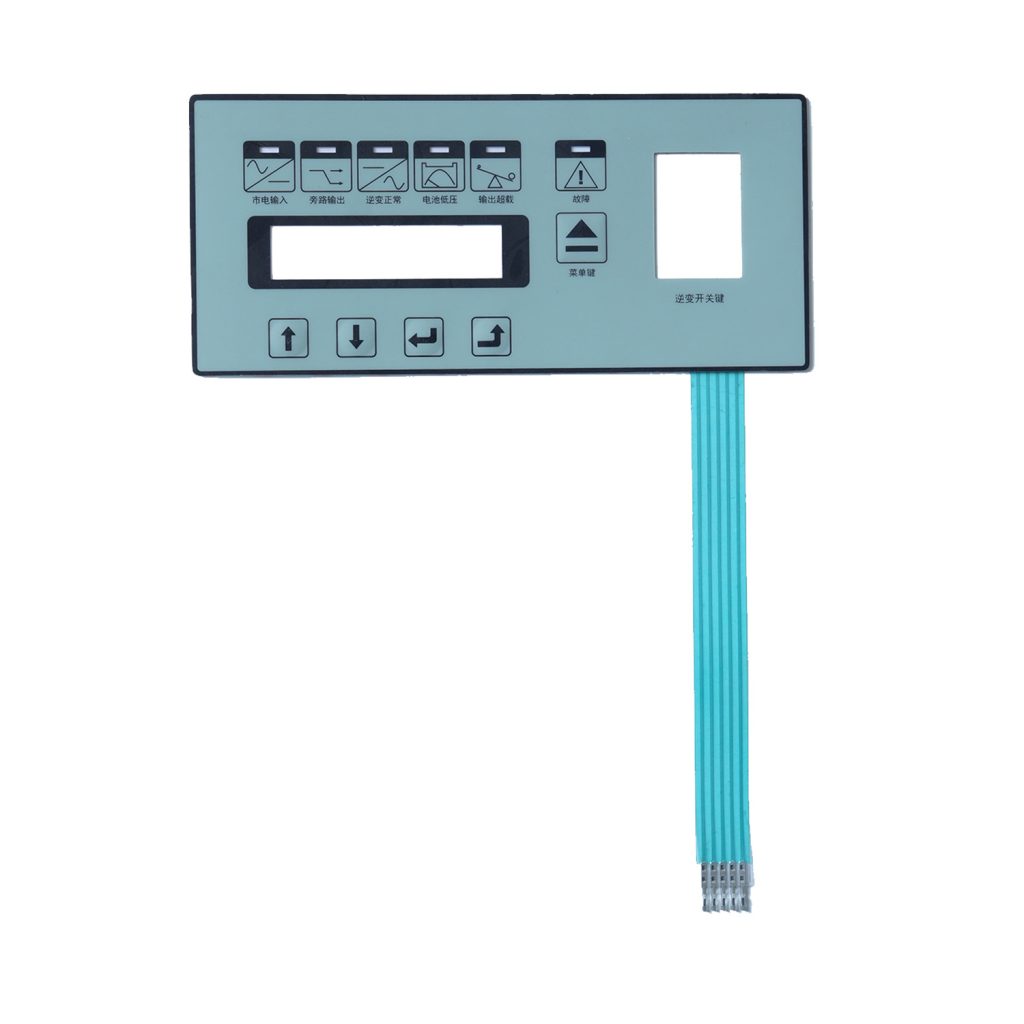
Membrane switch assemblies address these challenges through several inherent characteristics.
Sealed Surface Structure
Because the interface is built as a laminated assembly, the active surface remains continuous. This helps prevent contaminants from entering through switch openings — a common issue with mechanical buttons.
Simplified Maintenance
A smooth overlay allows operators to wipe down panels quickly without disassembling components, supporting routine cleaning protocols.
Functional Consolidation
Switch contacts, legends, indicator windows, and backlighting can coexist within a thin structure. This reduces mechanical complexity and simplifies panel integration.
Manufacturing Efficiency
For medium- to high-volume equipment, replacing multiple discrete controls with one custom interface can shorten assembly time and stabilize BOM costs.
These factors together explain why membrane switches appear across automation equipment, packaging machinery, and control cabinets worldwide.
Performance Expectations in Industrial Environments
Industrial adoption doesn’t happen automatically. A membrane switch intended for factory use must satisfy several practical requirements.
Long-Term Actuation Reliability
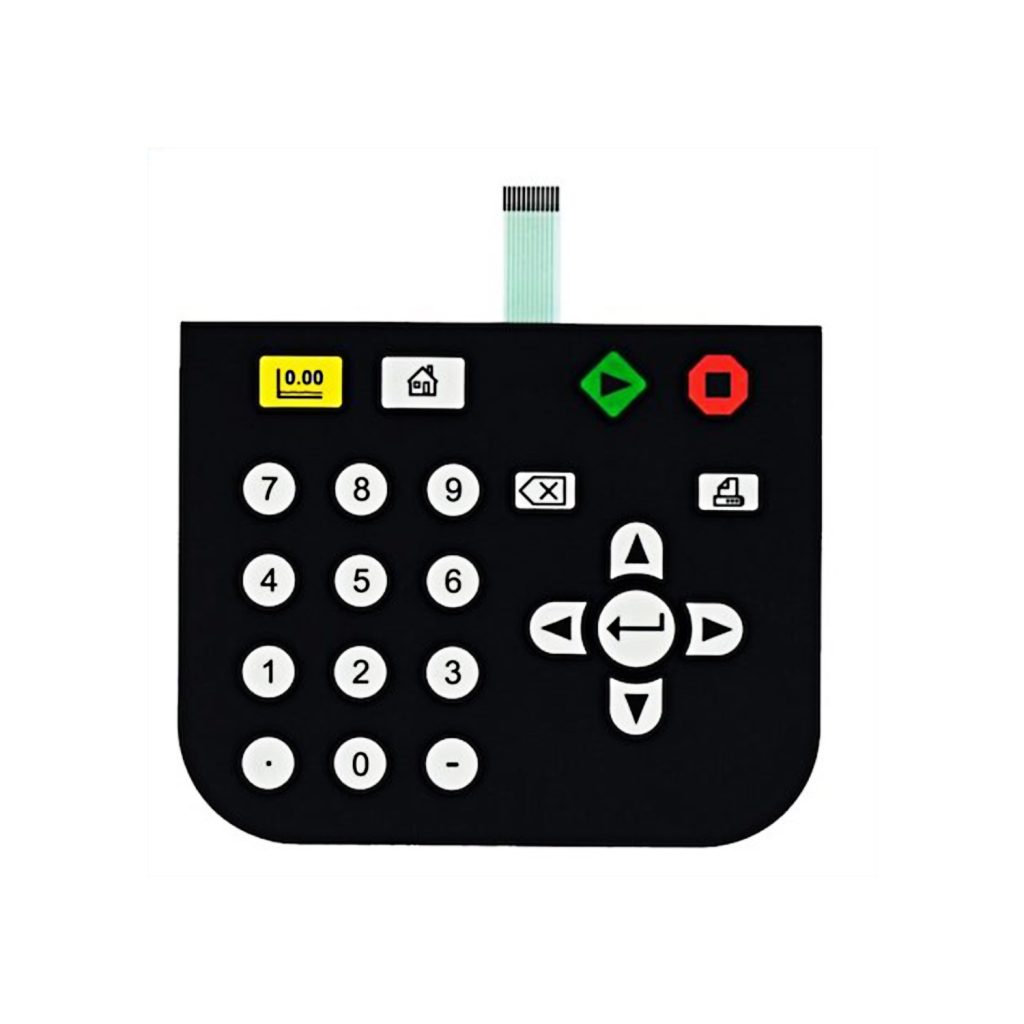
Production equipment is expected to run for years, often with continuous operator input. Achieving multi-million cycle life requires careful dome selection, consistent adhesive performance, and circuit designs that tolerate mechanical stress over time.
Environmental Protection
Industrial surroundings introduce fluids, condensation, and airborne particles. Protection levels such as IP65 are commonly targeted, but achieving them depends heavily on perimeter bonding strategy and tail exit sealing — details that are easy to underestimate during early design.
Chemical Compatibility
Cleaning procedures vary widely between facilities. Alcohol-based wipes, degreasers, or specialty solvents may contact the interface regularly. Overlay materials must resist swelling, ink degradation, and adhesive weakening under repeated exposure.
Operation with Protective Gloves
Perhaps the most defining industrial requirement is glove usability. Operators may wear anything from nitrile gloves to thick cut-resistant types. Adequate emboss geometry and higher actuation forces help maintain tactile clarity and prevent missed inputs.
Visibility Across Lighting Conditions
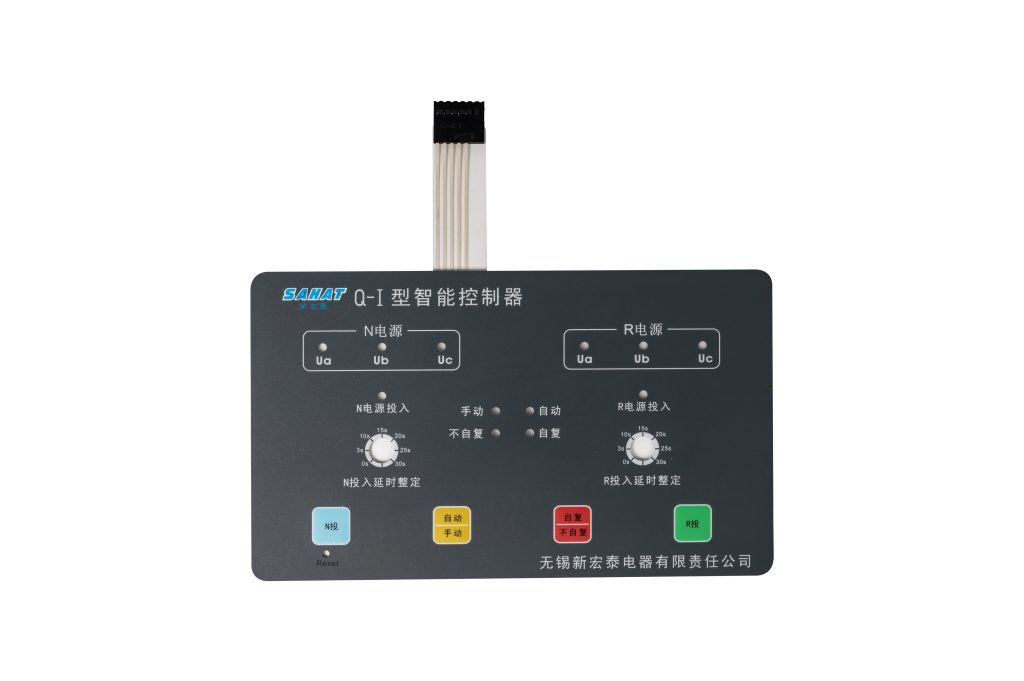
Control panels may be installed in dim workshops, brightly lit production areas, or outdoor environments. Durable graphics and appropriate backlighting strategies ensure instructions and status indicators remain readable throughout the product lifecycle.
Where Industrial Membrane Switch Interfaces Are Commonly Used
In practice, these interfaces appear in a wide variety of equipment, including:
- Automation system control boxes and robot controllers
- Packaging and filling machinery exposed to washdown cycles
- Process control stations in food and chemical plants
- Environmental and mechanical testing equipment
- Power distribution and generator monitoring panels
Despite application differences, the underlying need remains consistent — dependable operator interaction under demanding conditions.
Design Details That Frequently Influence Field Performance
From a manufacturing and support perspective, several specification choices repeatedly affect long-term outcomes.
Overlay Material Matching
Polyester generally offers stronger chemical resistance, while polycarbonate provides optical clarity for display-focused panels. Selecting one without considering exposure conditions often leads to premature aging symptoms.
Actuation Force Definition
Interfaces used with gloves typically benefit from higher actuation force ranges to balance usability and accidental activation risk.
Circuit Robustness
Critical signals may incorporate redundant traces to improve tolerance against localized wear or damage.
Tail Integration Strategy
Routing space inside industrial cabinets can be limited. Tail length, orientation, and optional shielding should be defined early to avoid installation constraints.
Electromagnetic Considerations
Nearby motors and drives can introduce interference. Incorporating shielding layers helps preserve signal stability, particularly in sensitive systems.
What Real Projects Tend to Teach
Laboratory validation is important, but field deployment often exposes practical nuances.
One packaging equipment project revealed that thick operator gloves reduced perceived responsiveness. Adjusting emboss height and dome force quickly resolved usability concerns.
Another case involved aggressive cleaning solvents causing gradual graphic fading. Upgrading overlay material and ink chemistry prevented recurrence.
Outdoor installations have also highlighted the importance of UV stabilization, as unprotected materials can discolor or embrittle faster than expected.
These situations reinforce a recurring theme: interface reliability often depends on small specification decisions made early in development.
Supporting Industrial Interface Development
Manufacturers such as Bx-Panel routinely collaborate with equipment designers to align interface construction with operating conditions. With integrated production capabilities covering overlays, membrane assemblies, and related components, design adjustments can be evaluated rapidly during prototype stages.
For engineers, this collaborative approach typically helps reduce later-stage redesign caused by environmental or usability factors that were initially overlooked.
Project discussions and sample requests can be directed to [email protected].
Closing Thoughts
Industrial control panels demand interfaces that balance durability, environmental resistance, usability, and integration simplicity. Membrane switch technology continues to meet these expectations not because it is novel, but because it has repeatedly demonstrated dependable performance across diverse industrial settings.
When material selection, structural design, and operating environment are considered together, the resulting interface becomes a stable link between operator intent and machine response — often operating unnoticed, yet essential every day.