


In electronics manufacturing, one decision affects everything: do you use a flexible printed circuit (FPC) or a standard printed circuit board (PCB)? Each option serves a different purpose. Picking the right one influences your product’s cost, durability, and final design. At XINBIXI Electronic Technology Co., Ltd. (Bx-Panel), we help clients navigate this choice every day. We combine our factory production with design knowledge to find the best fit for your project. Let’s look at what sets these two technologies apart.
Understanding the Basics: What Are They?
First, we should clarify the terms. Most people know what a Printed Circuit Board (PCB) is. People often call it a rigid PCB. It is the green board inside almost every electronic device. It is stiff and strong. Its job is to hold components like chips and resistors. It uses copper tracks to connect them electrically. It is the reliable foundation for most circuits.
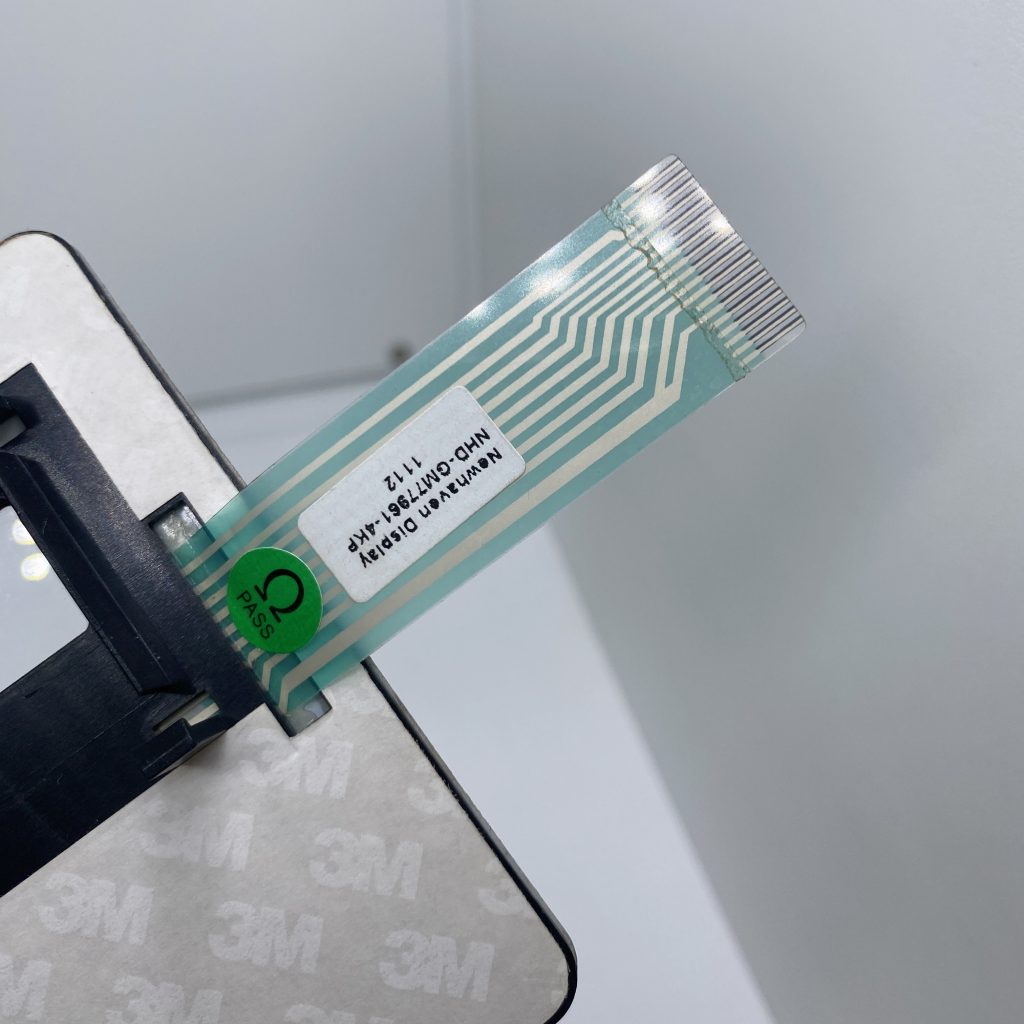
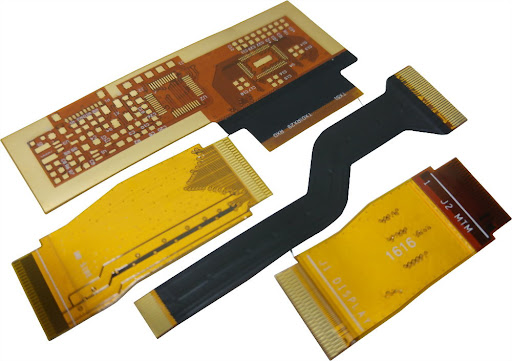
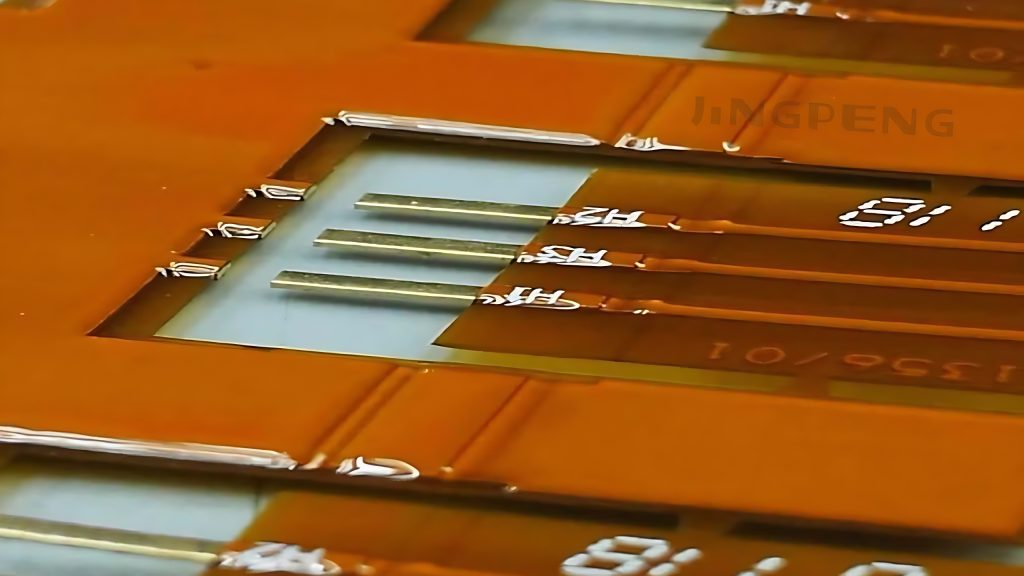
A Flexible Printed Circuit (FPC), or flex circuit, is different. It uses a thin, bendable plastic base. This material, often polyimide, lets the circuit bend and twist. You can fold it to fit tight spaces. It is perfect for parts that move. This flexibility opens new design possibilities that rigid boards cannot offer.
Key Benefits: Why Choose One Over the Other?
Your product’s needs determine the best choice. Here is a simple comparison.
The main strengths of Flexible PCB (FPC) are:
- They save space and weight. FPCs are very thin and light. This makes them ideal for miniaturized electronics. They help make devices smaller.
- They bend and last long. A quality FPC can bend millions of times. It will not break easily. This makes it perfect for hinged or moving assemblies like flip phones or rotating cameras.
- They allow creative designs. You can shape them in three dimensions. They fit into odd spaces. This can reduce the need for extra wires and connectors. It simplifies the whole product.
- They manage heat and signals well. Their thin build spreads heat effectively. With good design, they also provide reliable high-frequency signal transmission. This is important for fast data.
The main strengths of Rigid PCBs are:
- They are cost-effective for big runs. For simple, stationary devices, rigid boards usually cost less. This is especially true for large production orders.
- They are strong and sturdy. They offer a solid, unmoving platform. You can mount heavy parts like large transformers or heat sinks. They will not wobble or flex.
- They are easier to fix and test. Their stiffness makes them simple to handle on an assembly line. Technicians can easily probe, test, and repair them if needed.
- They offer many material options. You can make them with many different materials. They can also have many layers (high-layer-count boards). This supports very complex and powerful electronics, like computer servers.
Where You Find Them: Industry Applications
These different strengths lead them to different industries.
FPCs rule where devices bend or space is tight:
- Consumer Electronics: Look inside your smartphone. The connector from the screen to the motherboard is often an FPC. You also find them in laptops, cameras, and wearable tech like smartwatches.
- Automotive Electronics: Modern cars use many FPCs. They are in dashboard displays, sensor systems, and under the hood. They handle engine vibration very well.
- Medical Devices: This field needs small, reliable parts. FPCs go into hearing aids, pacemakers, and small probes for internal scans (endoscopic probes).
- Industrial & Robotics: Robot arms need to move. Printing heads move back and forth. FPCs enable this repeated motion reliably.
Rigid PCBs form the backbone of stationary devices:
- Computing & Data Storage: The motherboard in your computer is a rigid PCB. They are also in server racks, SSD controllers, and power supply units.
- Industrial Control Systems: Factories use them in Programmable Logic Controllers (PLCs), power converters, and control panels for machines.
- Consumer Appliances: Your washing machine, microwave, and LED lights all have control boards built on rigid PCBs.
- Telecommunications: Networking gear, routers, and cell phone tower modules rely on the strength and complexity of rigid boards.
How Bx-Panel Connects These Technologies for You
At Bx-Panel, we do more than just understand these differences. Our 3000㎡ factory in Xiamen has over 100 skilled workers and a design team. We bridge the gap between FPC and PCB in real products. Many modern devices use both. We help you build that hybrid solution.
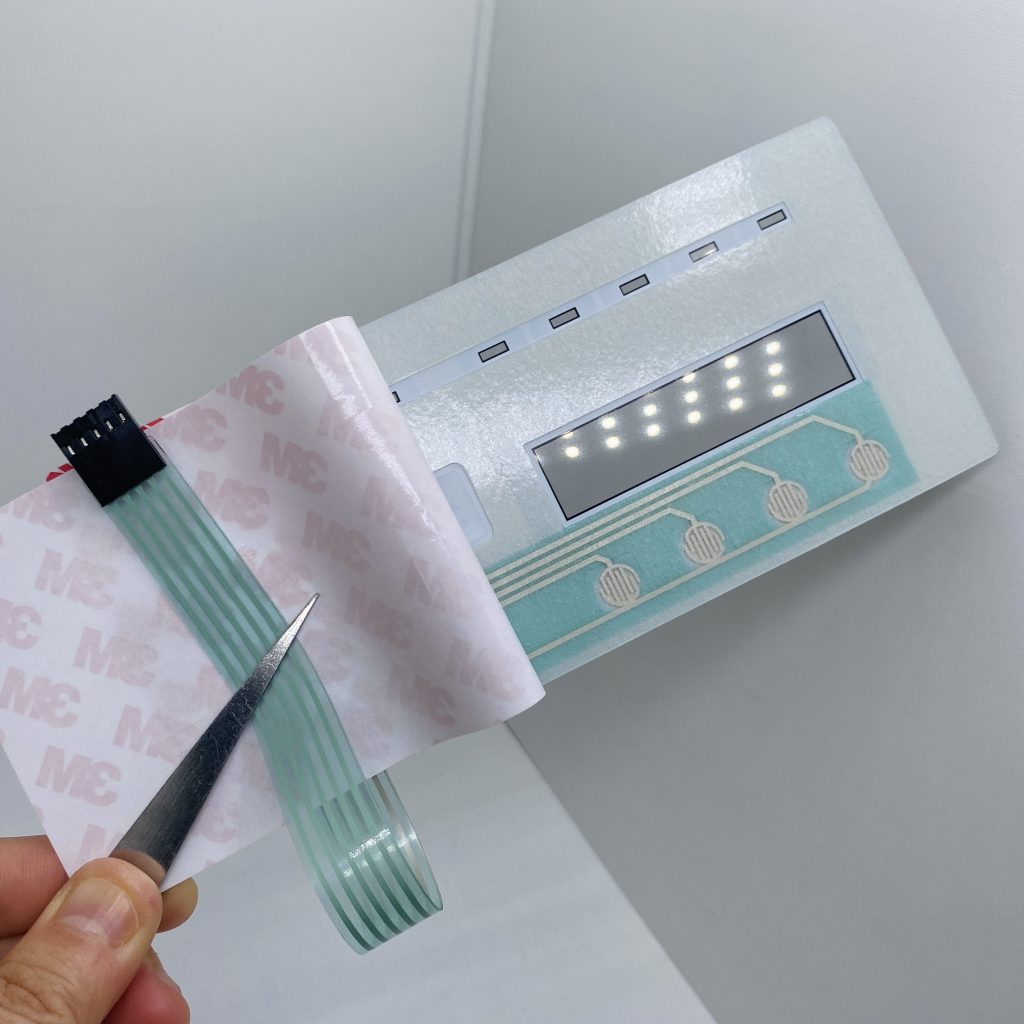
Our other products work directly with these circuits. For example, our Membrane Switches and Graphic Overlays create the user interface. They often connect directly to FPC or PCB backends. Our Acrylic Panels and Nameplates are the protective and labeled surfaces that house these circuits.
We also make key supporting parts. Our Insulation Gaskets protect both FPCs and PCBs. They prevent short circuits and shield against dust or moisture. Our Crystal Dome Labels provide a tactile feel for buttons on control panels that use these circuits.
We offer a complete service. It starts with your idea. We provide custom PCB design support. It ends with shipping the final product. We produce the functional panels, labels, and gaskets. We are a reliable flexible circuit supplier and a partner for high-quality rigid PCB assembly. For OEMs and electronics manufacturers, this means one reliable partner for many needs. It makes your supply chain simpler.
Ready to See the Difference?
The choice between FPC and PCB shapes your product’s future. We are here to help you make that choice with confidence. Visit our website at www.bx-panel.com to see our full range of capabilities. If you want to test quality firsthand, contact our business manager at [email protected] to discuss product samples or your custom project. Let’s build something great together.