


Membrane switches are widely used in industrial equipment, medical devices, and consumer electronics. Although their structure may appear simple, pricing can vary significantly from one project to another.
In practice, two designs that look similar on the surface can have vastly different costs. These differences usually stem from materials, structure, and production details rather than size or appearance alone.
Understanding what influences membrane switch cost helps avoid unnecessary expenses and makes supplier communication far more efficient.
Why Membrane Switch Pricing Is Not Standardized
Unlike off-the-shelf components, membrane switches are almost always custom-made.
Each project may involve different:
- material selections
- circuit designs
- tactile requirements
- environmental conditions
For this reason, there is no fixed pricing model. Cost is typically determined by design complexity and manufacturing requirements.
- Material Selection
Material choice is one of the most direct cost drivers.
For example:
- Polyester (PET) is commonly used for overlays due to its durability
- Polycarbonate (PC) may be chosen for impact resistance
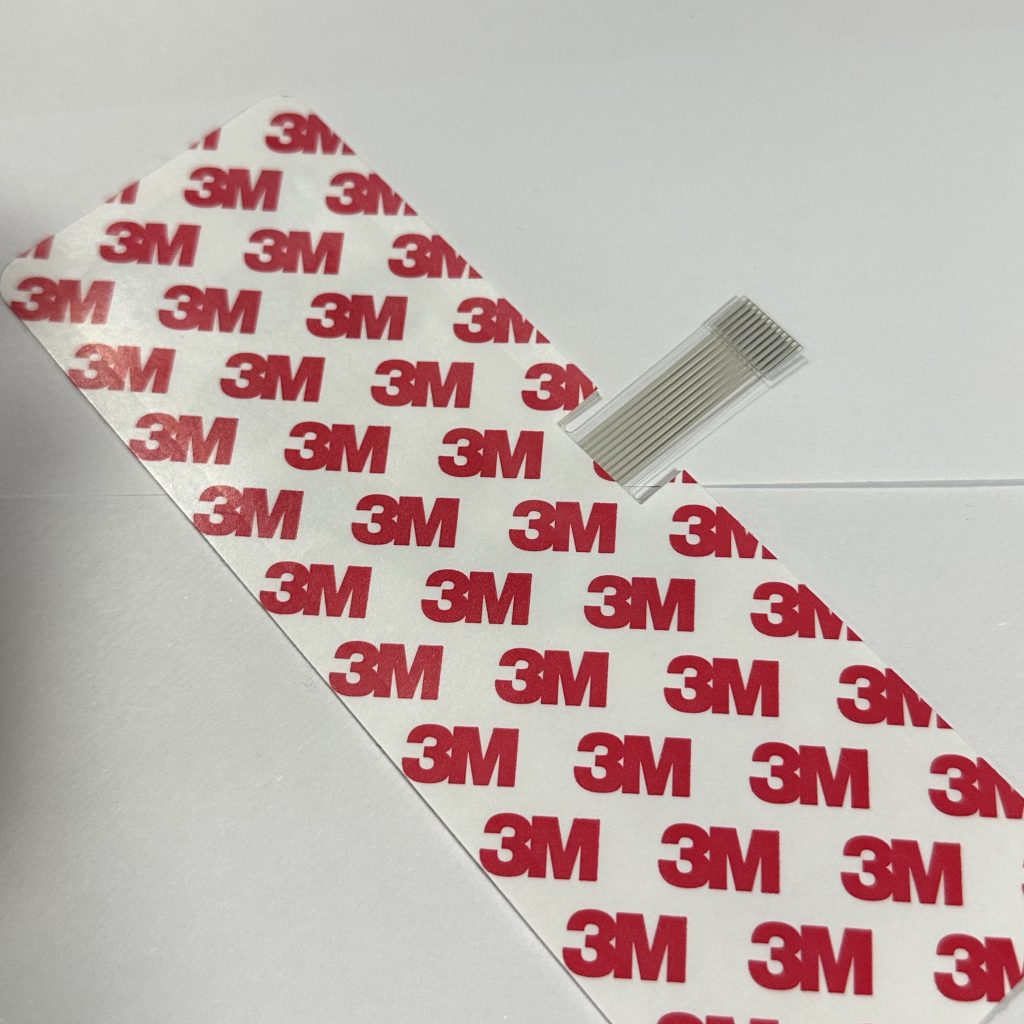
- Higher-grade adhesives offer better environmental resistance
Special materials, such as UV-resistant coatings or chemical-resistant layers, will further increase the membrane switch cost.
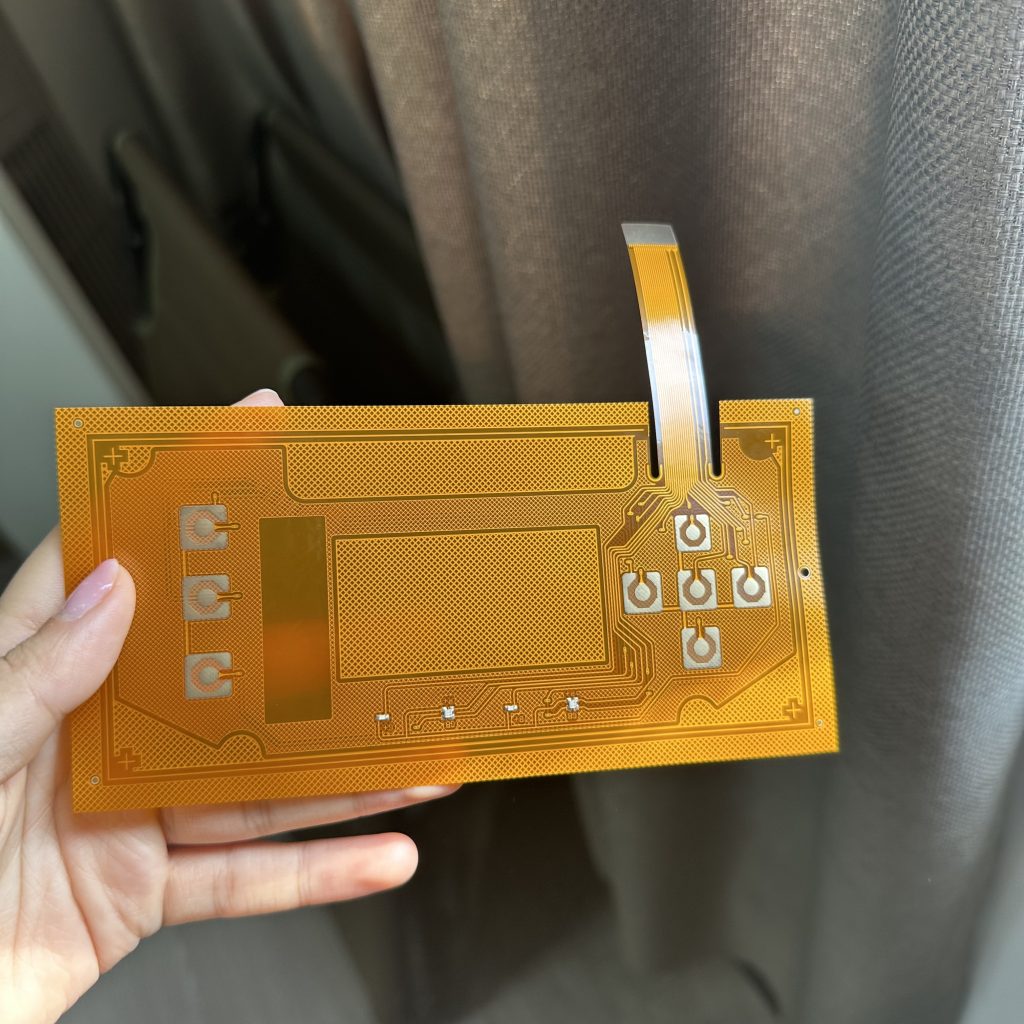
- Circuit Complexity
The design of the circuit layer significantly affects price.
Key factors include:
- number of layers (single-layer vs. multi-layer circuits)
- trace density and layout complexity
- use of shielding or grounding structures
More complex circuits require additional printing steps and stricter quality control, which drives up production costs.
- Tactile Design (Metal Dome vs. Flat)
Whether the switch provides tactile feedback also influences pricing.
- Metal domes add extra components and assembly steps
- Non-tactile designs are simpler and generally cost less
High-end designs may also require precise actuation force control, adding further manufacturing complexity.
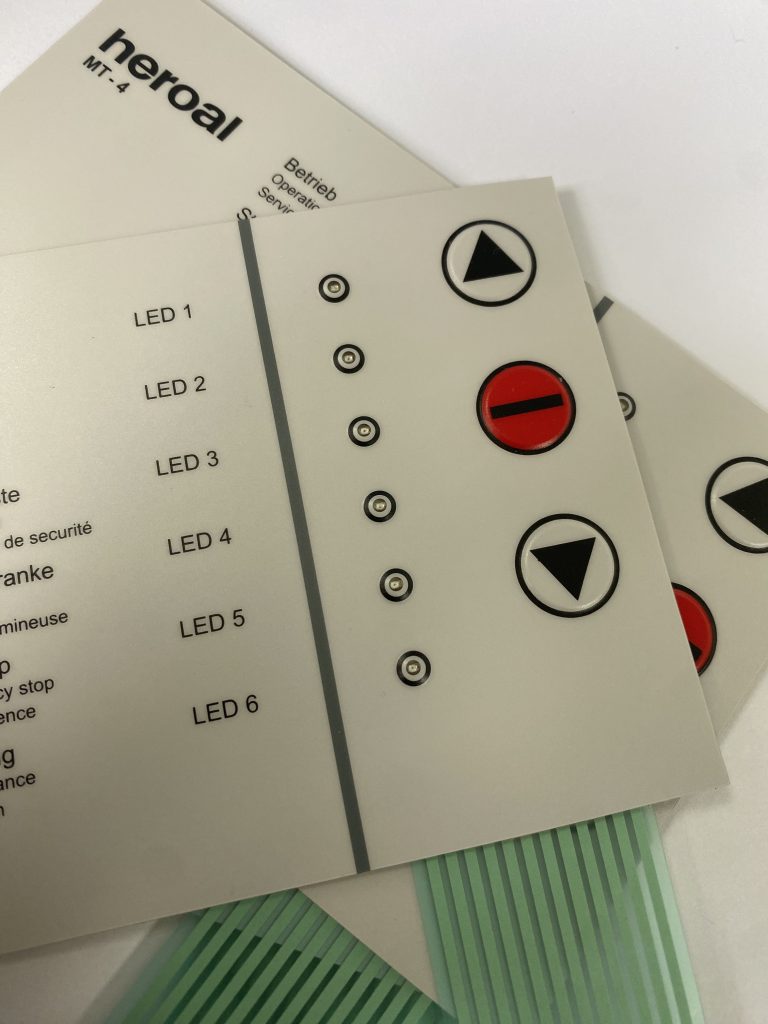
- Graphic Overlay Requirements
The overlay is not just cosmetic—it can significantly impact cost.
Cost increases with:
- multi-color printing
- transparent windows for backlighting
- embossing or surface textures
- scratch-resistant or anti-glare coatings
Complex overlays often require multiple printing passes and tighter quality control.
- Backlighting and Additional Components
If the design includes backlighting or electronic components, costs rise accordingly.
Examples include:
- LED integration
- light guide films (LGF)
- resistors or connectors
These features add both material and assembly costs, especially in compact or high-precision designs.
- Order Quantity
Production volume has a major impact on unit price.
- Low-volume orders → higher cost per unit (setup costs spread over fewer pieces)
- High-volume orders → lower cost per unit
Tooling, screen preparation, and setup processes involve fixed costs, so larger orders benefit from economies of scale.
- Tooling and Prototyping
Before mass production, most projects require samples or prototypes.
This may involve:
- screen setup
- die-cut tooling
- initial material preparation
These upfront costs are usually one-time expenses, but they can noticeably affect the total project cost in the early stages.
How to Optimize Membrane Switch Cost
In many cases, cost can be reduced without compromising performance.
Some practical approaches include:
- simplifying circuit design where possible
- avoiding unnecessary decorative features
- selecting standard materials instead of custom options
- increasing order quantity to lower unit cost
Early communication with the manufacturer often helps identify cost-saving opportunities before production begins.
Conclusion
Membrane switch cost is shaped by a combination of material choices, design complexity, and production volume. Even small design decisions can lead to noticeable differences in pricing.
For companies developing electronic products, understanding these cost factors makes it easier to balance performance, reliability, and budget.
Working with an experienced manufacturer early in the design stage can help avoid unnecessary costs and improve overall project efficiency.
For more details on custom solutions, visit:
https://bx-panel.com/membrane-switches/