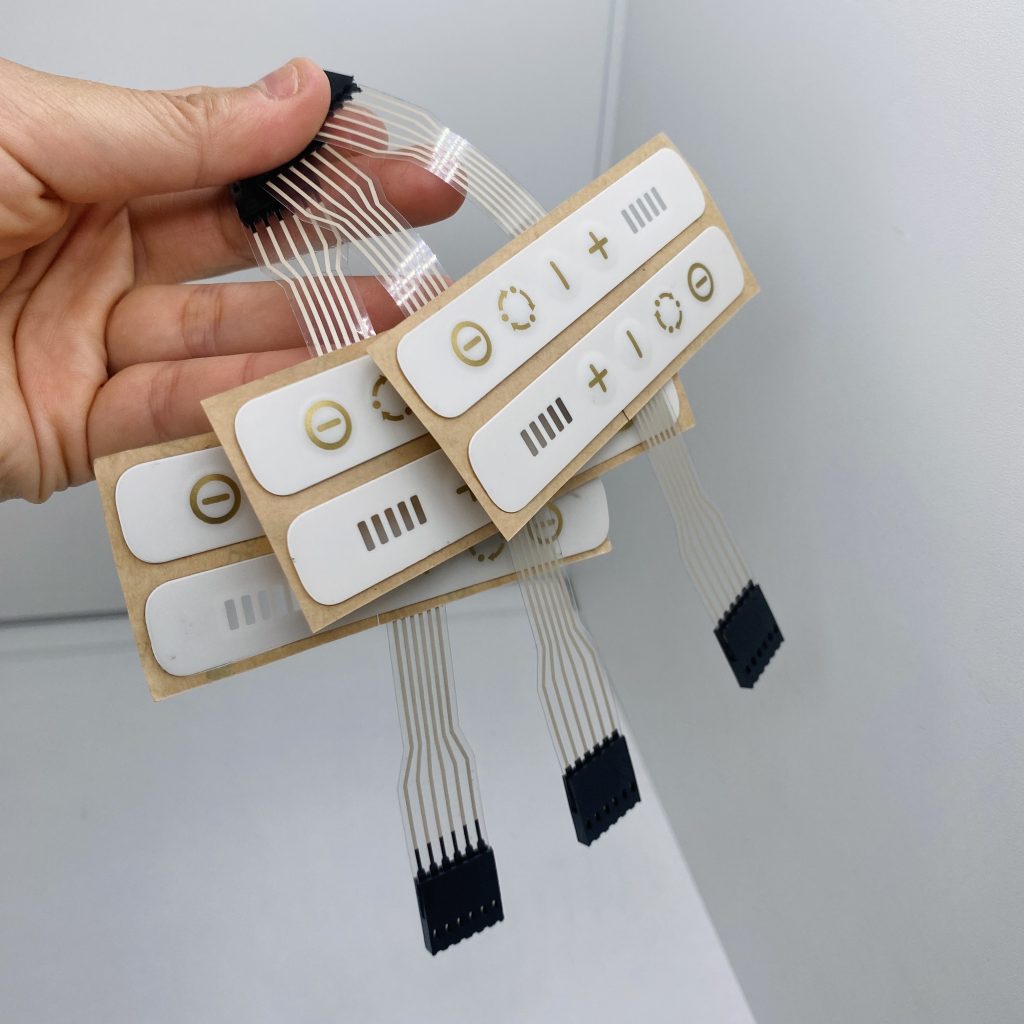
When people see a finished membrane switch, it usually appears to be nothing more than a thin control panel with printed icons and buttons.
Behind that simple interface, however, there is a fairly structured engineering workflow. From defining product requirements to validating prototypes and preparing for production, each stage of the membrane switch design process plays a role in determining how reliable the final product will be.
For OEM equipment manufacturers, understanding this process early in development often helps avoid design revisions and unexpected delays later in the project.
Below is a practical overview of how a custom membrane switch typically moves from concept to production.
Defining Application Requirements in Membrane Switch Design
Every membrane switch project begins with understanding how the interface will be used.
At this stage, engineers and product managers define the basic application conditions that will guide the design.
Typical questions include:
- Will the equipment operate indoors, outdoors, or in industrial environments?
- How many keys are required, and should they provide tactile feedback?
- Are additional features needed, such as backlighting, waterproof sealing, or chemical resistance?
These factors directly influence structural decisions later in the membrane switch development process.
For example, outdoor control panels often require UV-resistant materials and IP sealing, while laboratory equipment may prioritize easy cleaning and chemical durability.
Clarifying these requirements early usually prevents structural changes later in development.
Graphic Overlay Design and User Interface Layout
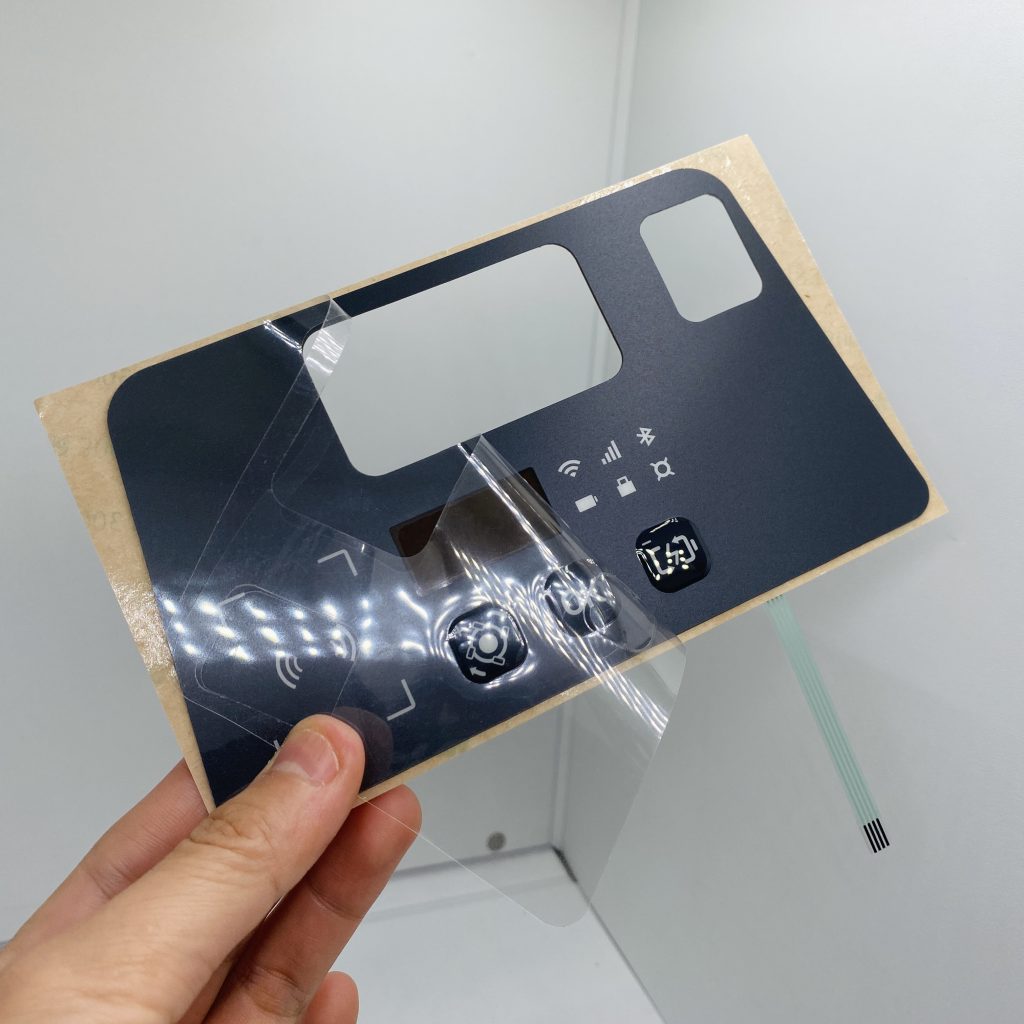
Once the functional requirements are clear, attention shifts to the graphic overlay, which defines the visible interface of the switch.
Although it looks simple, the overlay plays several important roles:
- guiding the user through the interface
- defining key activation zones
- displaying instructions, symbols, and branding
Design teams typically focus on:
- icon placement and button spacing
- readability of text and symbols
- color consistency with the product design
- surface finish, such as matte or textured coatings
Material selection also affects performance. Polyester (PET) is commonly used for its durability and chemical resistance, while polycarbonate (PC) may be selected when higher optical clarity is required for backlit panels.
Circuit Layer Engineering in Membrane Switch Development
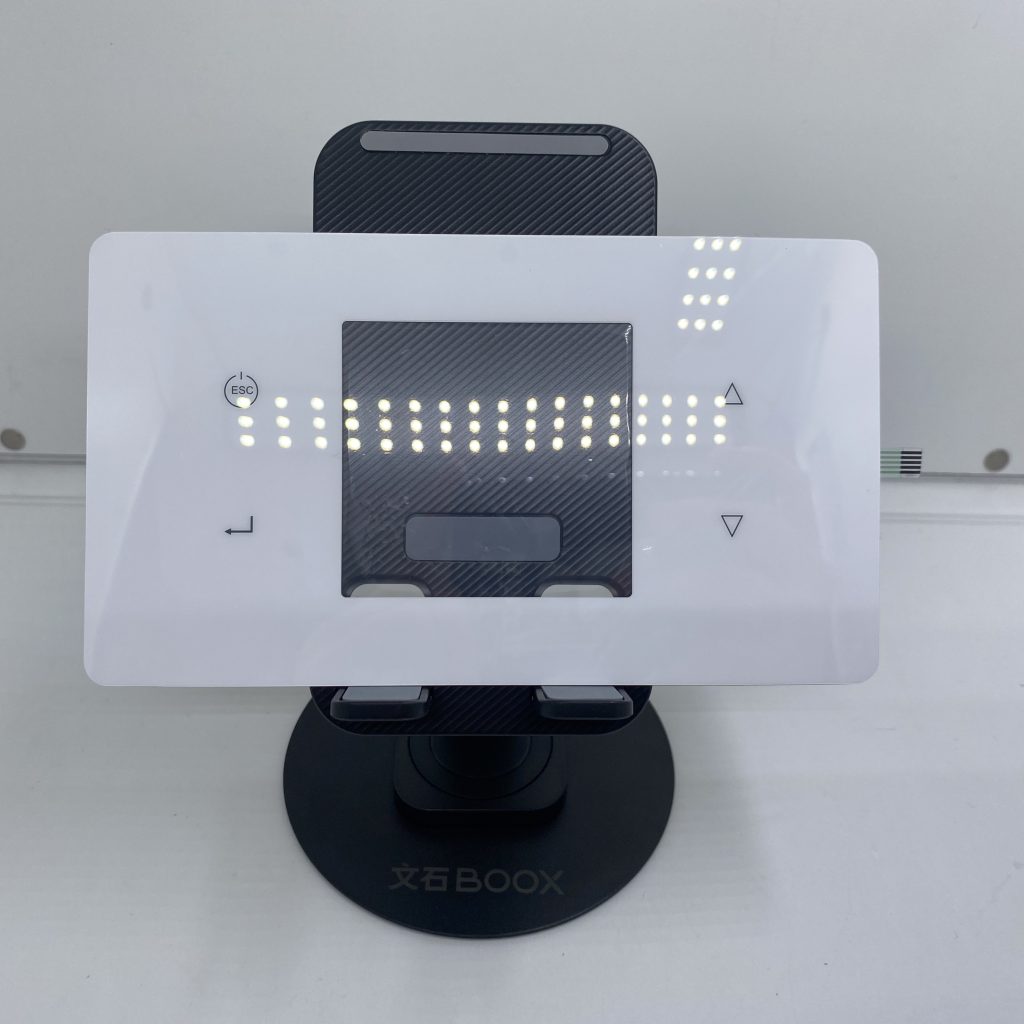
After the interface layout is finalized, engineers convert the visual design into an electrical structure.
This phase forms the technical core of the membrane switch development process.
Key engineering considerations include:
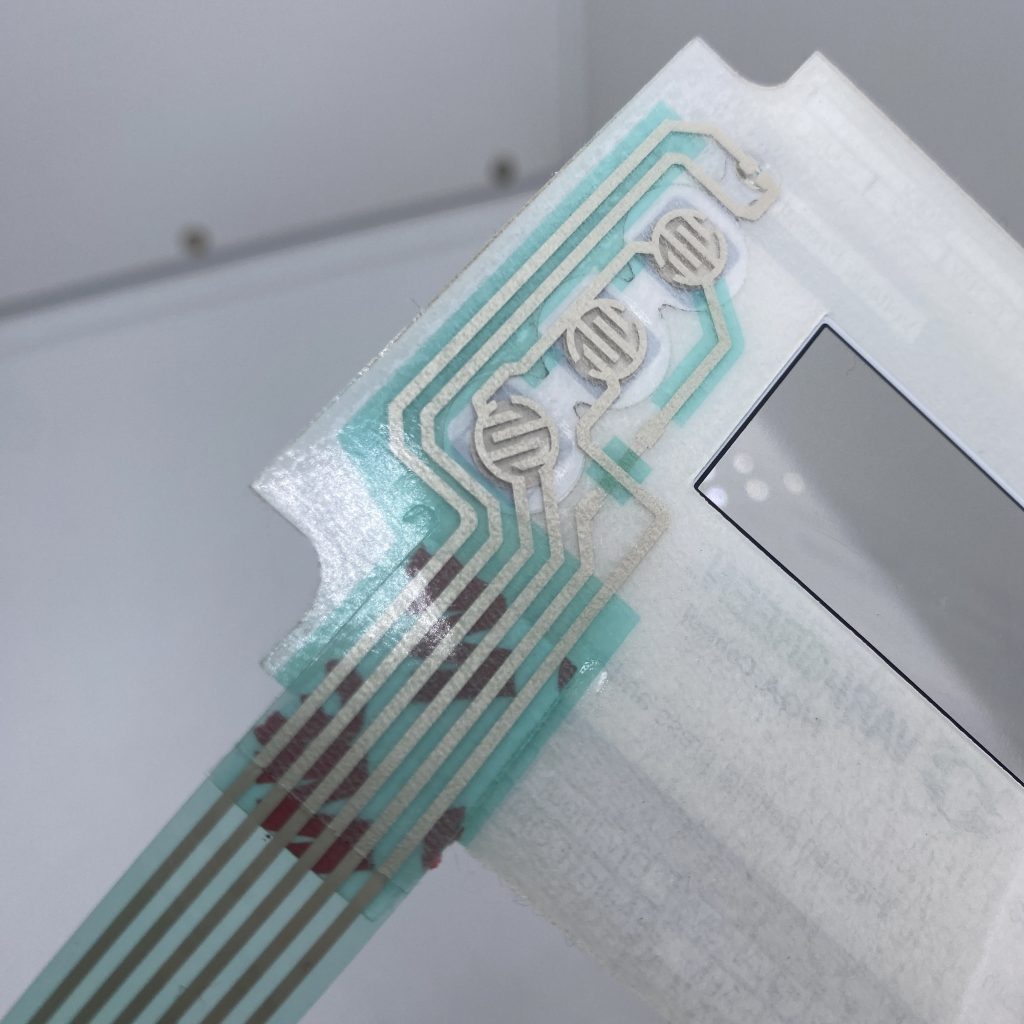
- routing conductive traces using silver or copper inks
- determining switch actuation force
- selecting metal domes or polyester domes for tactile feedback
- choosing connectors compatible with the product’s PCB
A typical membrane switch structure may include several layers:
- graphic overlay
- spacer layer separating electrical contacts
- upper and lower circuit layers
- adhesive bonding layers
- rear mounting adhesive
The design of these layers determines the switch’s tactile response, electrical performance, and durability.
Membrane Switch Prototype Development and Evaluation
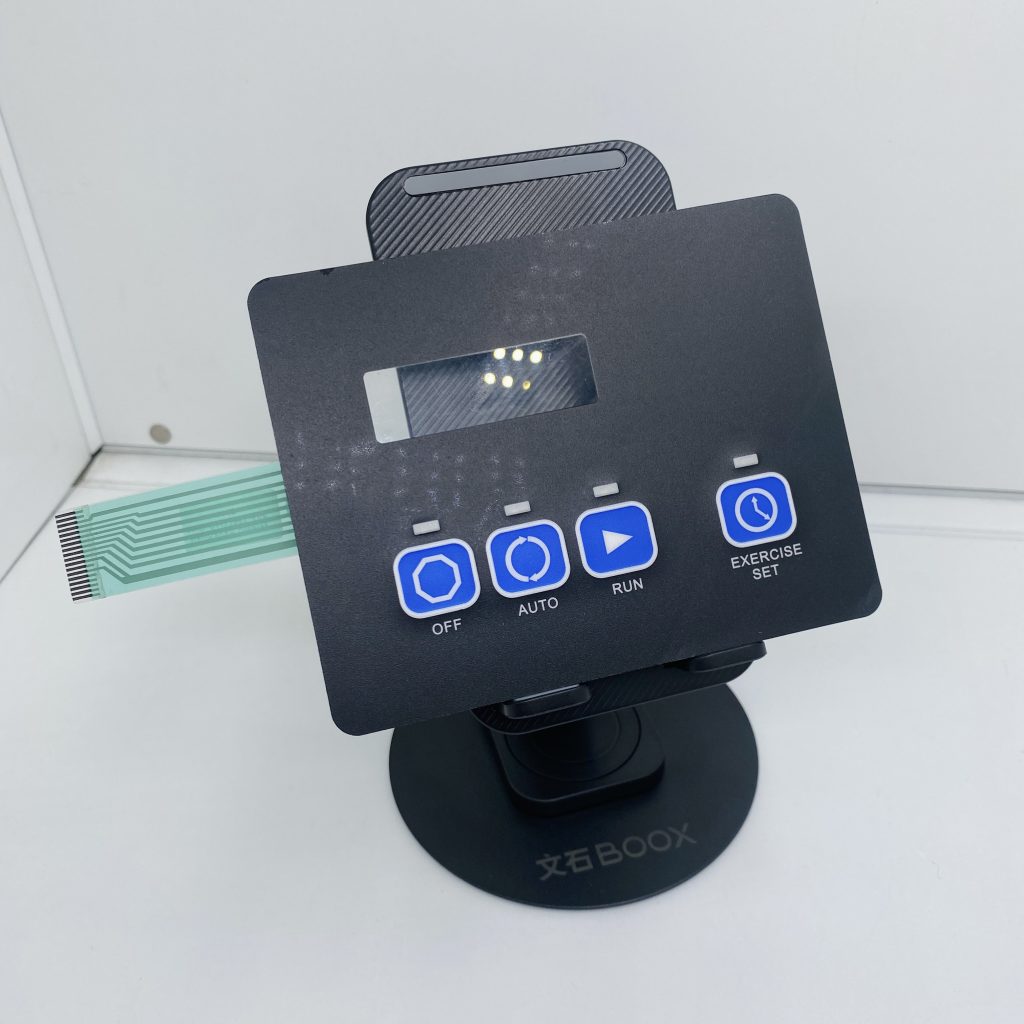
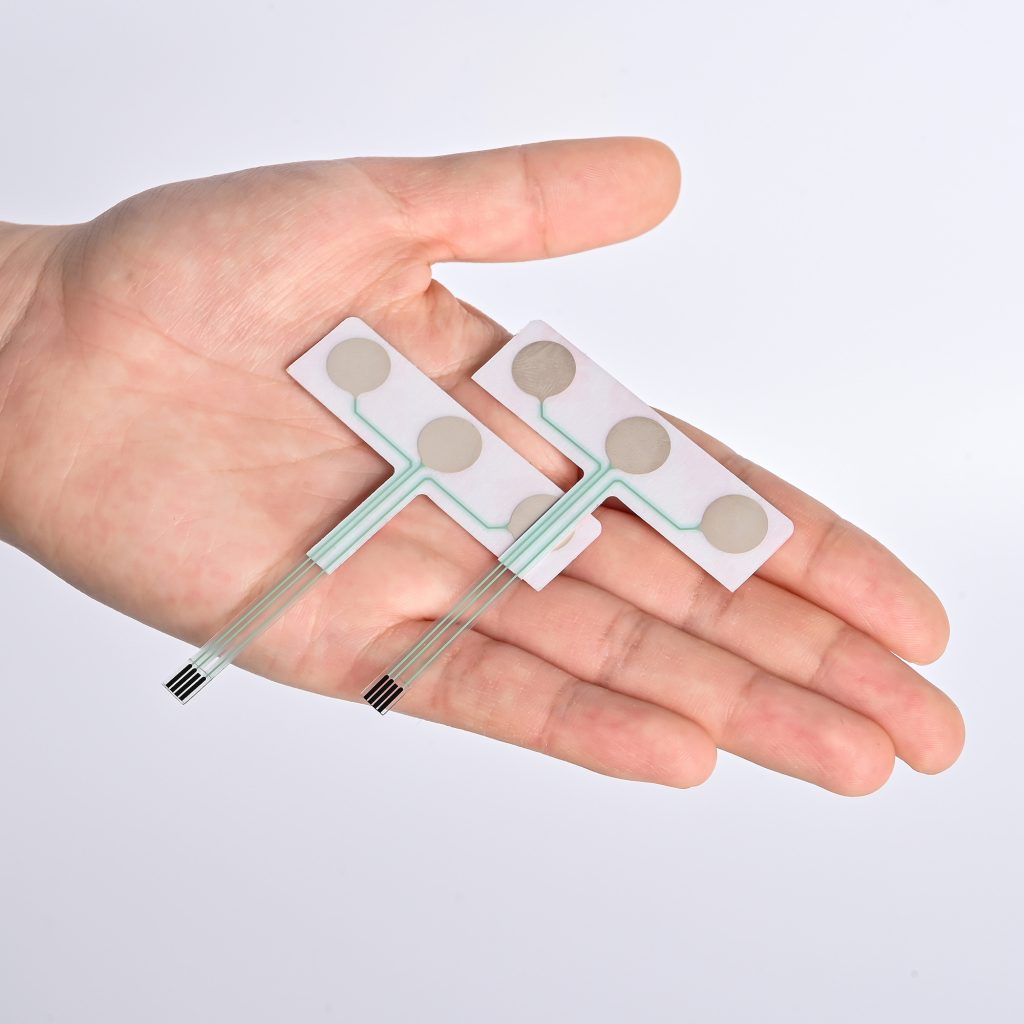
Before a design enters mass production, manufacturers normally produce prototype samples.
The membrane switch prototype stage allows the development team to verify several critical aspects:
- mechanical fit within the equipment enclosure
- key response and actuation force
- electrical functionality
- visual appearance and printing quality
For many OEM projects, this stage also involves internal product testing or user feedback sessions.
It is typically the most efficient point in the process to adjust layout, materials, or structural details before committing to full production.
Reliability Testing in the Membrane Switch Manufacturing Process
Once the prototype is confirmed, the design usually undergoes reliability testing to verify long-term performance.
Common tests include:
- lifecycle testing, simulating thousands or millions of key presses
- temperature cycling, exposing the switch to extreme hot and cold conditions
- humidity testing, evaluating resistance to moisture exposure
- adhesion testing, ensuring layers remain properly bonded
For industrial or outdoor equipment, additional validation may involve vibration tests, chemical resistance testing, or ingress protection (IP) verification.
These evaluations help confirm that the switch will function reliably in the real operating environment.
Transitioning to Mass Production
After the design and testing phases are completed, the project moves into full-scale manufacturing.
The membrane switch manufacturing process typically includes:
- screen printing of graphic layers and conductive circuits
- lamination of multiple functional layers
- precision die cutting to the final outline
- electrical testing of completed switches
Throughout production, quality control procedures are used to ensure that each unit meets the required specifications.
Automated inspection systems and functional tests help detect defects before products leave the factory.
Supporting OEM Integration and Product Development
In most equipment designs, the membrane switch is only one component of a larger human-machine interface (HMI) system.
Because of this, many OEM manufacturers work closely with their switch suppliers during the early stages of product development.
Manufacturers such as BX-Panel (Xiamen XINBIXI Electronic Technology Co., Ltd.) often assist OEM teams with:
- structural compatibility with device enclosures
- mounting and installation methods
- environmental sealing strategies
- connector and cable configurations
Early collaboration between the equipment manufacturer and the switch supplier often results in a more reliable and cost-effective interface solution.
Final Thoughts on the Membrane Switch Design Process
Although membrane switches appear simple from the outside, their development involves several coordinated engineering steps.
From defining application requirements to prototype validation and production planning, each phase of the membrane switch design process contributes to the final performance of the interface.
For OEM manufacturers and product development teams, understanding this workflow helps reduce risk, shorten development cycles, and deliver more reliable equipment interfaces.