


A comprehensive guide to industrial HMI interface comparison and mechanical button replacement panels for engineers and procurement specialists.
By [BX-Panel]
XIAMEN, CHINA – For decades, the rhythmic click of a mechanical button was the unmistakable sound of industry. Factories hummed with the tactile feedback of push buttons controlling heavy machinery. However, as industrial equipment moves toward smarter, more sealed, and more reliable systems, a fundamental debate is taking place on factory floors and in engineering departments worldwide: Membrane Switch vs Mechanical Buttons industrial applications.
While mechanical buttons have been the industry standard for a century, the rise of human-machine interface (HMI) technology has introduced a challenger that is rapidly becoming the preferred choice for modern control panels.
Here at Bx-Panel, a leading manufacturer based in Xiamen, China, we have witnessed this evolution firsthand. With a dedicated 3000㎡ factory floor, over 100 skilled workers, and a specialized design team, we engineer the components driving this change. We specialize in Membrane Switches, Graphic Overlays, Acrylic Panels, Nameplates, Insulation Gaskets, and Crystal Dome Labels.
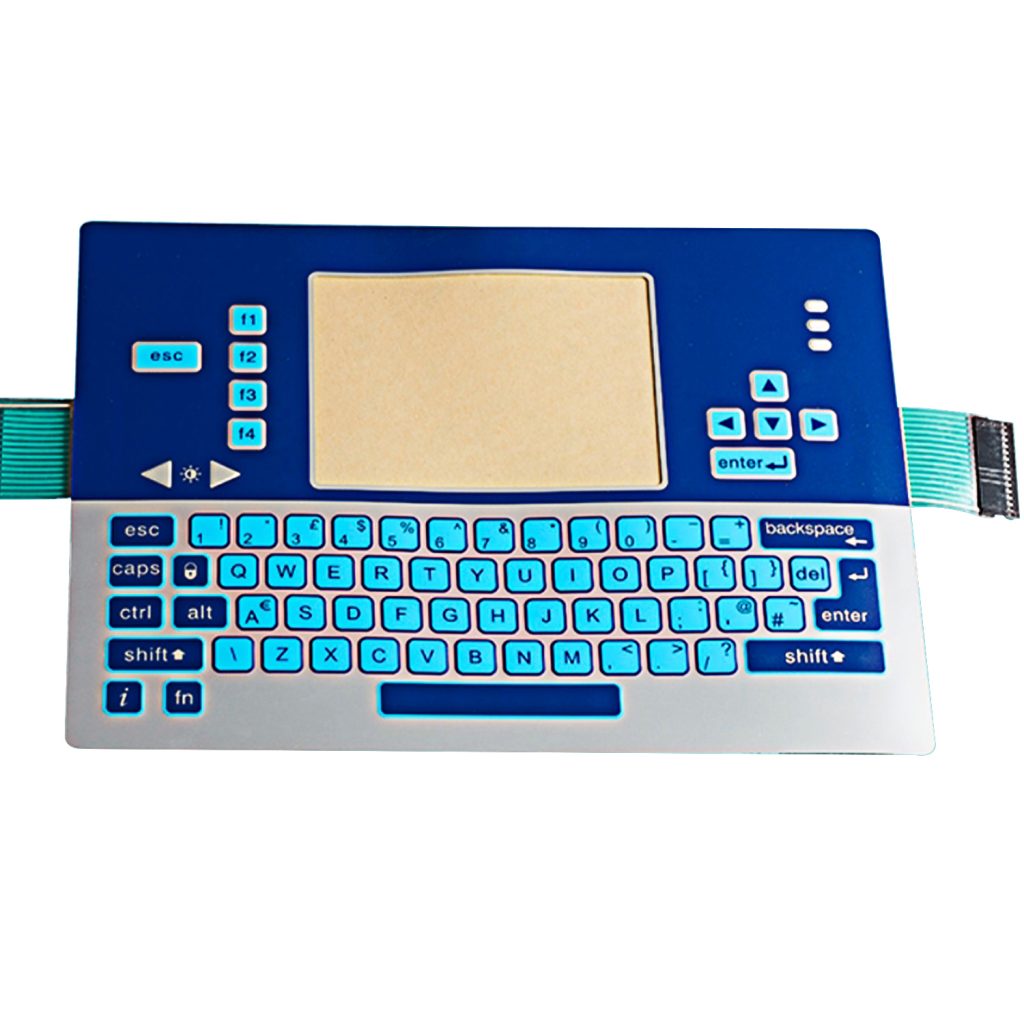
So, when should you choose a sleek membrane interface over a traditional push button? Let’s dive into the industrial keypad comparison.
The Industrial Interface Evolution
The modern industrial environment is unforgiving. Dust, moisture, vibration, and extreme temperatures are the enemies of electronics. The evolution from bulky mechanical buttons to low-profile membrane switches is driven by the need for equipment that lasts longer and requires less maintenance. This isn’t just an aesthetic upgrade; it is a functional necessity for many applications.
The Limitations of Mechanical Buttons
Mechanical buttons have been the workhorses of industry, but they come with inherent mechanical button limitations:
- Entry Points for Contaminants: Traditional buttons require a hole in the panel. Every hole is a potential entry point for water, oil, and dust, which can short-circuit electronics or corrode internal components.
- Mechanical Wear: They rely on moving plastic parts and springs. Over millions of actuations, these parts fatigue, break, or become stuck.
- Size and Weight: Mechanical switches require depth behind the panel. In compact, modern equipment, this internal real estate is often too valuable to waste.
The Advantages of Membrane Switches
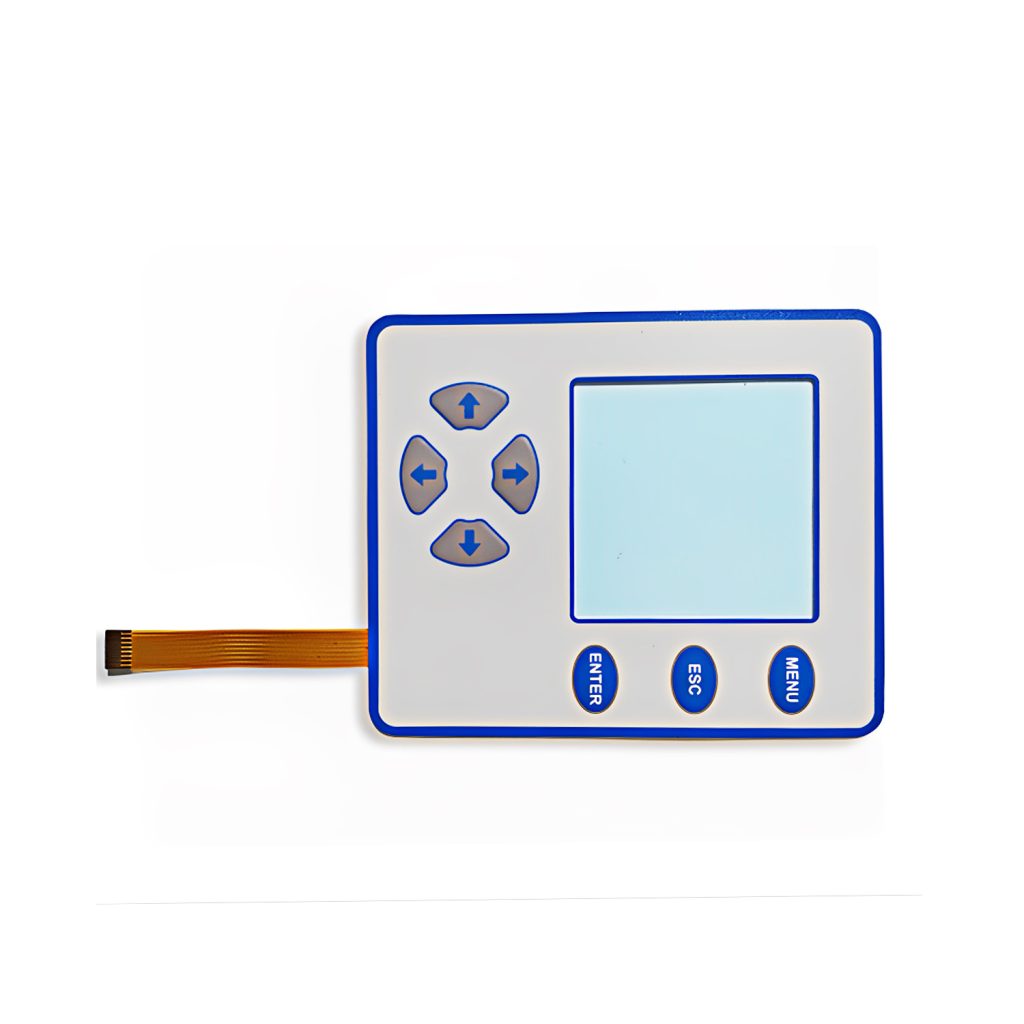
When conducting a membrane vs push button panel analysis, the advantages of the former become immediately clear. Bx-Panel engineers design these interfaces to solve the specific pain points of industrial users.
- Sealed for Survival: A membrane switch integrates the circuit into a flat, graphic overlay. It creates a single, sealed unit. When bonded to an enclosure, it effectively seals out the environment, achieving high IP ratings (IP65, IP67) essential for washdown environments.
- Space Efficiency: As an industrial HMI interface comparison point, membrane switches are incredibly thin. They allow for sleek, modern designs where the interface sits flush with the enclosure.
- Customization: With Graphic Overlays, you aren’t limited to stock buttons. You can have custom logos, specific color schemes, and complex graphic instructions printed directly on the interface. We combine this with Crystal Dome Labels and Nameplates to create a professional, branded look.
When Mechanical Still Wins
Despite the rise of membrane technology, mechanical buttons aren’t obsolete. They excel in specific scenarios:
- High-Vibration Environments: Where operators are wearing thick gloves, the high-actuation-force of a mechanical button can be beneficial.
- Emergency Stops: In safety-critical applications, the tactile “snap” and latching function of a mechanical E-stop is often legally required and psychologically preferred by operators.
The Cost Comparison
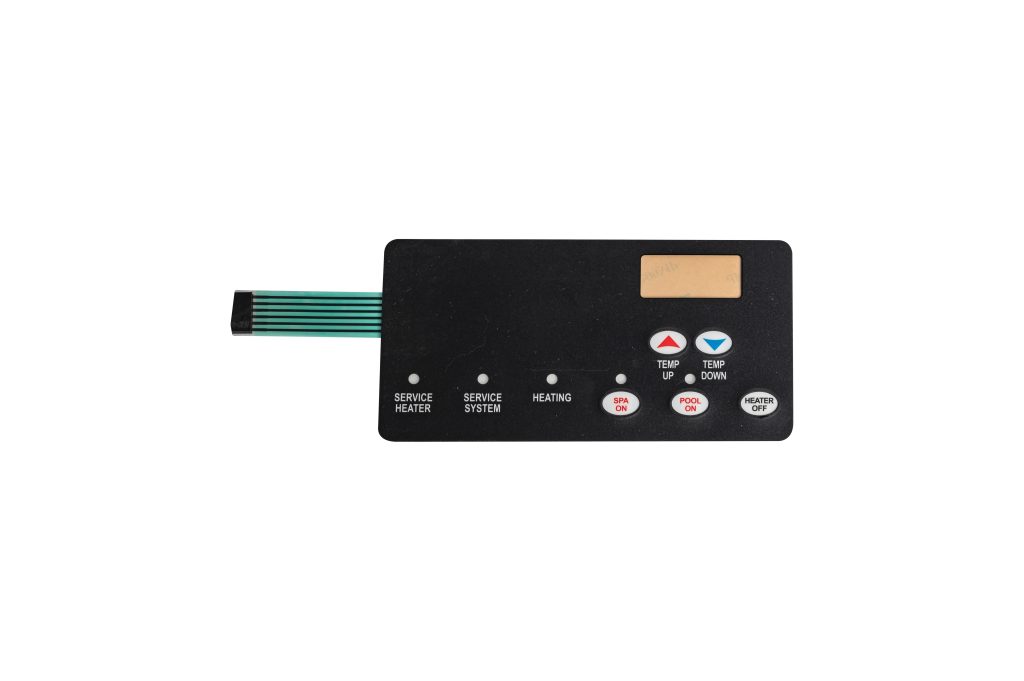
In a pure cost comparison, a single mechanical push button might seem cheaper. However, the total installed cost tells a different story. A custom membrane switch integrates the wiring, the graphic interface, and the switching matrix into one component. This drastically reduces assembly time, eliminates wiring errors, and lowers inventory costs (you buy one part number instead of ten). For businesses looking for a mechanical button replacement panel, the long-term ROI of membrane switches is undeniable.
The Bx-Panel Decision Guide
Making the switch requires a partner who understands both the technology and the application. At Bx-Panel, we don’t just manufacture parts; we provide solutions.
- Assess the Environment: If your equipment faces dust or moisture, go membrane.
- Consider the User: For complex machinery requiring clear instructions, a printed graphic overlay with integrated membrane switches improves user experience.
- Think Long-Term: Membrane switches offer a lifecycle of millions of actuations with no mechanical fatigue.
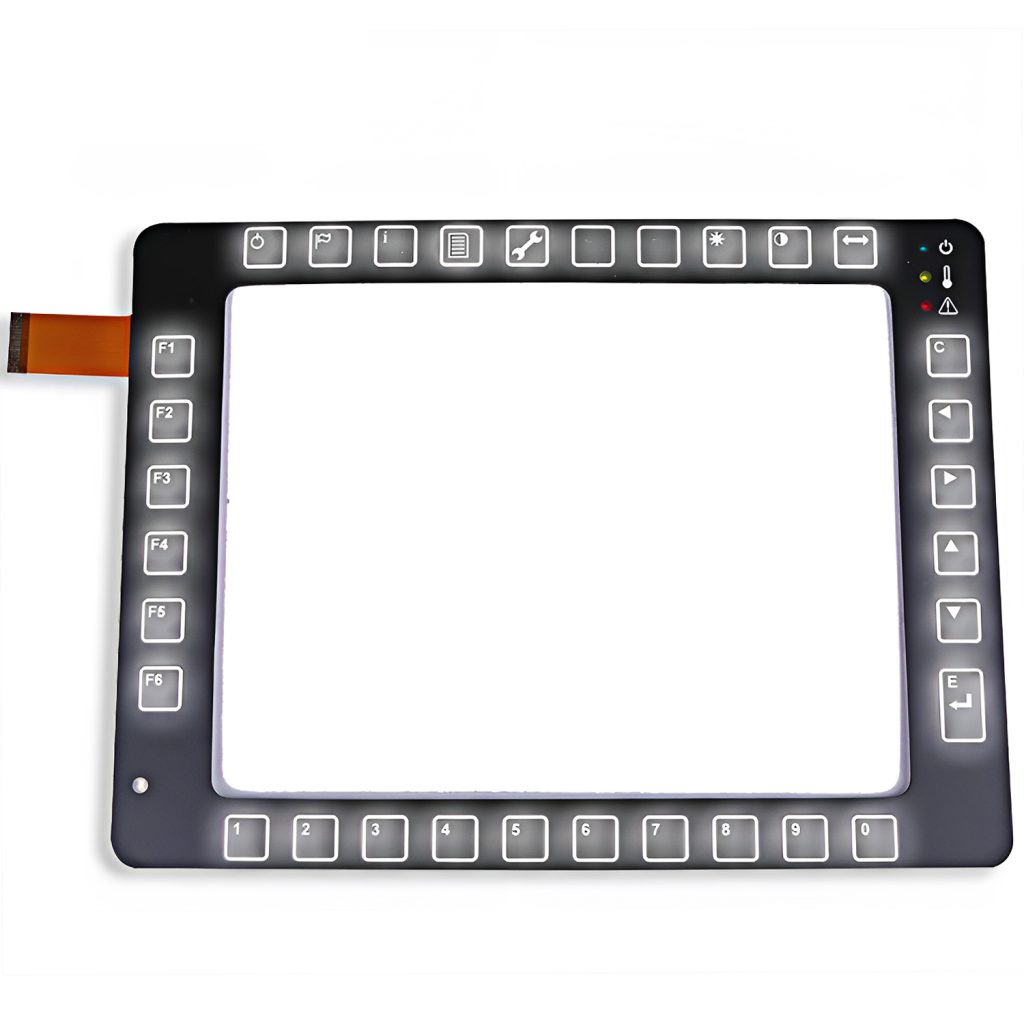
If you are currently redesigning a control panel or developing new industrial equipment, we invite you to explore the possibilities of membrane technology. Our team in Xiamen is ready to assist with design and prototyping.
Ready to upgrade your interface?
Visit our website at www.bx-panel.com to see our portfolio of Membrane Switches, Acrylic Panels, and custom nameplates. For inquiries about samples or custom products, contact our business manager directly at [email protected].
For a deeper look into control panel design, read our previous article: [← Industrial control panel article]
To start your custom project today: [→ Custom membrane switch manufacturer page]