


Designing membrane switches for medical devices requires strict attention to hygiene, chemical resistance, sealing, and lifecycle stability. This guide explains key engineering requirements for reliable healthcare interfaces.
In modern healthcare environments, the interface between clinician and equipment must operate with absolute reliability. A membrane switch used in medical devices is not simply a control panel — it functions as a safety-relevant component exposed to continuous operation, frequent cleaning cycles, and conditions where failure is unacceptable.
Compared with commercial electronics, medical applications impose a distinctly higher engineering threshold. Whether installed in bedside monitors or portable emergency equipment, these interfaces must support hygienic operation, tolerate chemical exposure, and maintain stable performance throughout extended service life.
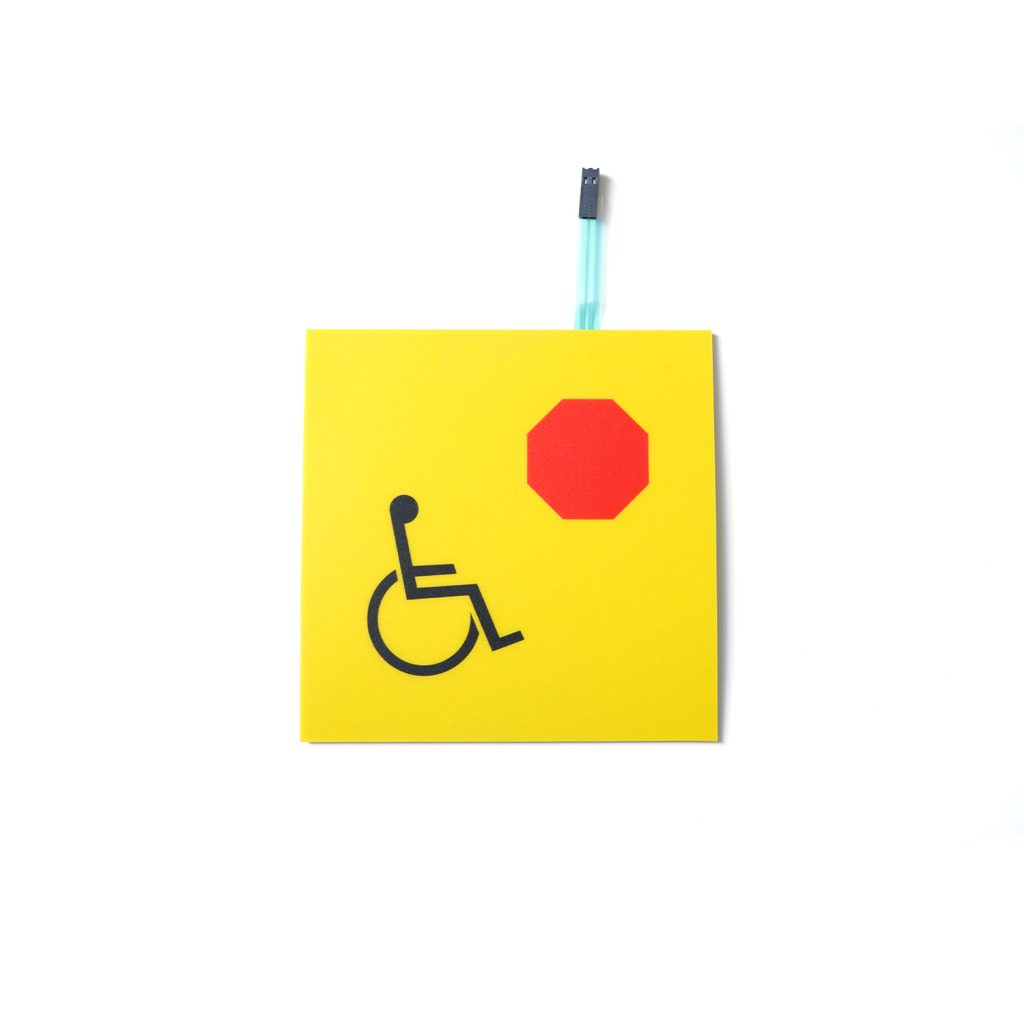
The Critical Role in Patient Care Equipment
Membrane switches are widely deployed across diagnostic, monitoring, and therapeutic platforms. Their low profile and inherent sealing capability allow designers to create durable, easy-to-sanitize operator interfaces without adding mechanical complexity. Typical applications include:
- Patient monitoring systems requiring frequent parameter adjustment
- Infusion pumps where accurate programming directly impacts therapy delivery
- Diagnostic analyzers operating in laboratory environments with fluid exposure
- Portable emergency devices such as defibrillators demanding instant usability
- Rehabilitation equipment subjected to repeated daily interaction
In each case, the user interface represents the primary human–machine interaction point, meaning its reliability directly influences overall device usability and safety.
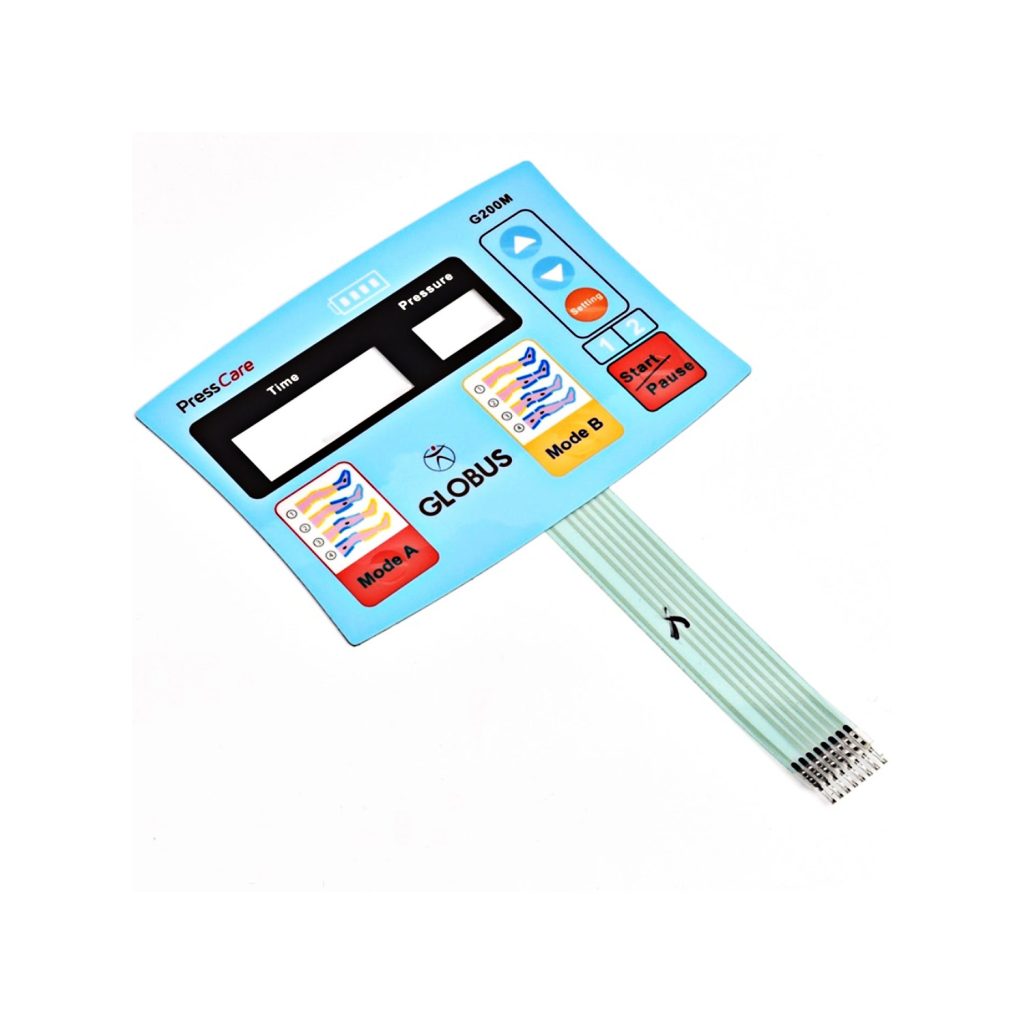
5 Core Design Requirements for Medical-Grade Interfaces
Designing a membrane switch for healthcare equipment involves addressing several constraints that are less critical in general industrial applications.
1. Hygienic and Easy-to-Clean Surface
Infection control requirements strongly influence interface design. Smooth, sealed surfaces reduce contamination risk and simplify cleaning procedures.
- Flush surface construction minimizes fluid and debris retention
- Optional antimicrobial overlay formulations help suppress surface bacterial growth
- Continuous front surface geometry allows rapid wipe-down without residue accumulation
These characteristics support routine disinfection workflows without degrading usability.
2. Chemical Resistance
In practice, chemical exposure is one of the most common causes of cosmetic and structural degradation in medical interfaces. Materials must tolerate repeated contact with hospital disinfectants such as:
- Alcohol-based cleaners
- Bleach and peroxide formulations
- Quaternary ammonium disinfectants
- Mixed hospital sanitation agents
Overlay films, inks, and adhesives must maintain adhesion, color stability, and mechanical integrity despite ongoing chemical exposure.
3. Sealing and Moisture Protection
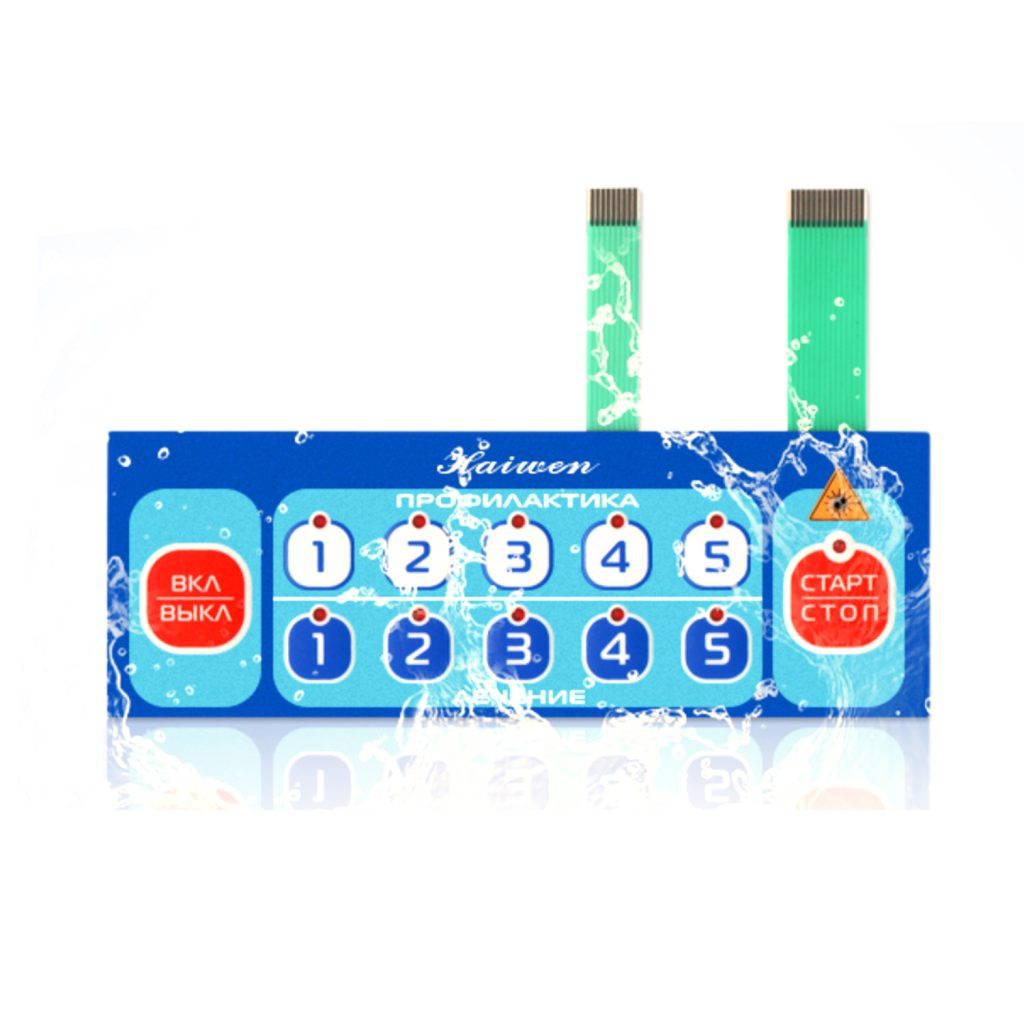
Medical environments frequently involve fluid handling, making ingress protection a baseline requirement rather than an enhancement.
- Targeted IP performance levels typically range from IP65 to IP67 depending on device usage
- Continuous perimeter bonding strategies prevent liquid migration between layers
- Tail exit sealing approaches mitigate capillary ingress along flex connections
Effective sealing design protects internal circuitry while preserving tactile performance.
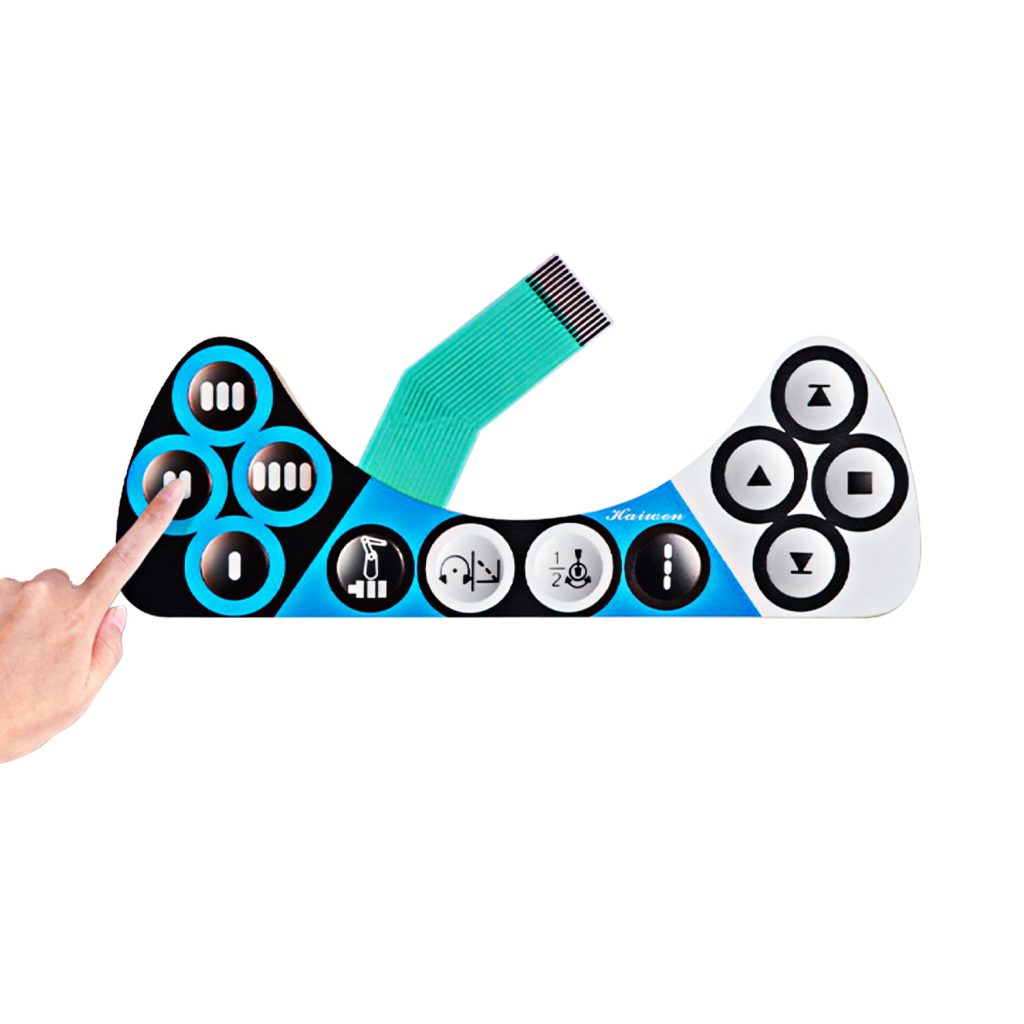
4. Consistent Tactile Feedback and Lifecycle Stability
Operators often rely on tactile confirmation while maintaining visual attention on patients or displays. Consistency therefore becomes critical.
- Dome selection must consider fatigue characteristics over high actuation counts
- Uniform actuation force across keys reduces operator uncertainty
- Clear tactile response improves confidence and helps prevent unintended input repetition
Reliable tactile performance supports safe and efficient clinical workflows.
5. Visual Clarity and Backlighting Integration
Healthcare devices operate across diverse lighting environments, from brightly illuminated clinical spaces to dim patient recovery areas.
- Durable high-contrast graphics ensure long-term legibility
- Integrated backlighting solutions enable low-light operation
- Optional EMI shielding structures can be incorporated for electrically sensitive equipment
These design elements collectively improve usability without compromising device reliability.
The Importance of Material Selection in Medical Applications
Material selection forms the foundation of medical membrane switch performance. Overlay substrates such as polyester or polycarbonate are chosen based on chemical resistance, optical clarity, and durability requirements. Adhesive systems must provide stable bonding while avoiding outgassing or contamination risks. Similarly, printed graphics must withstand both mechanical wear and repeated cleaning cycles.
Because these requirements vary significantly between devices, medical membrane switch development typically benefits from early collaboration between device designers and interface manufacturers rather than reliance on standardized configurations.
Conclusion: Precision Engineering for Critical Care Interfaces
Medical membrane switch design represents a multidisciplinary engineering exercise combining hygienic design principles, material science, environmental protection strategies, and human-factors considerations. When these elements are addressed systematically, the resulting interface can deliver stable, intuitive operation throughout the device lifecycle — a critical contribution to dependable healthcare technology.
Ready to discuss your next project?
Medical applications often involve unique environmental and lifecycle constraints. Early design collaboration can help identify appropriate materials, sealing strategies, and interface structures to support reliable long-term performance.