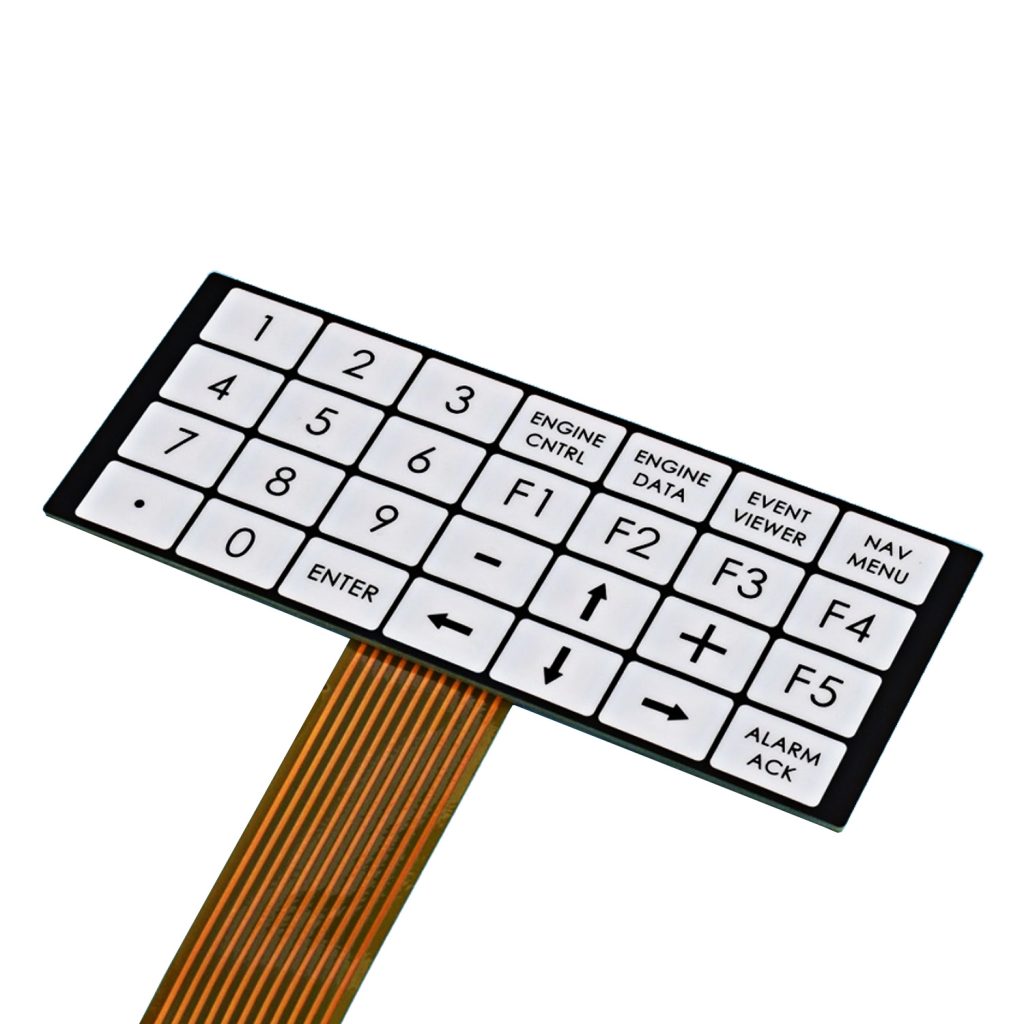
In human-machine interface (HMI) development, prototyping is the step that turns a concept into a real product. For engineers, product managers, and sourcing teams, preparing the right information before starting a membrane switch prototyping project can save significant time and cost.
Although membrane switches appear simple, their design involves multiple factors—mechanical fit, circuit layout, materials, and user interaction. Without a clear prototype specification, development can quickly run into delays or repeated revisions.
At BX-PANEL (Xiamen XINBIXI Electronic Technology Co., Ltd.), we have supported hundreds of OEM projects involving custom membrane switches. Based on that experience, the following guide outlines the key information customers should prepare before requesting a prototype.
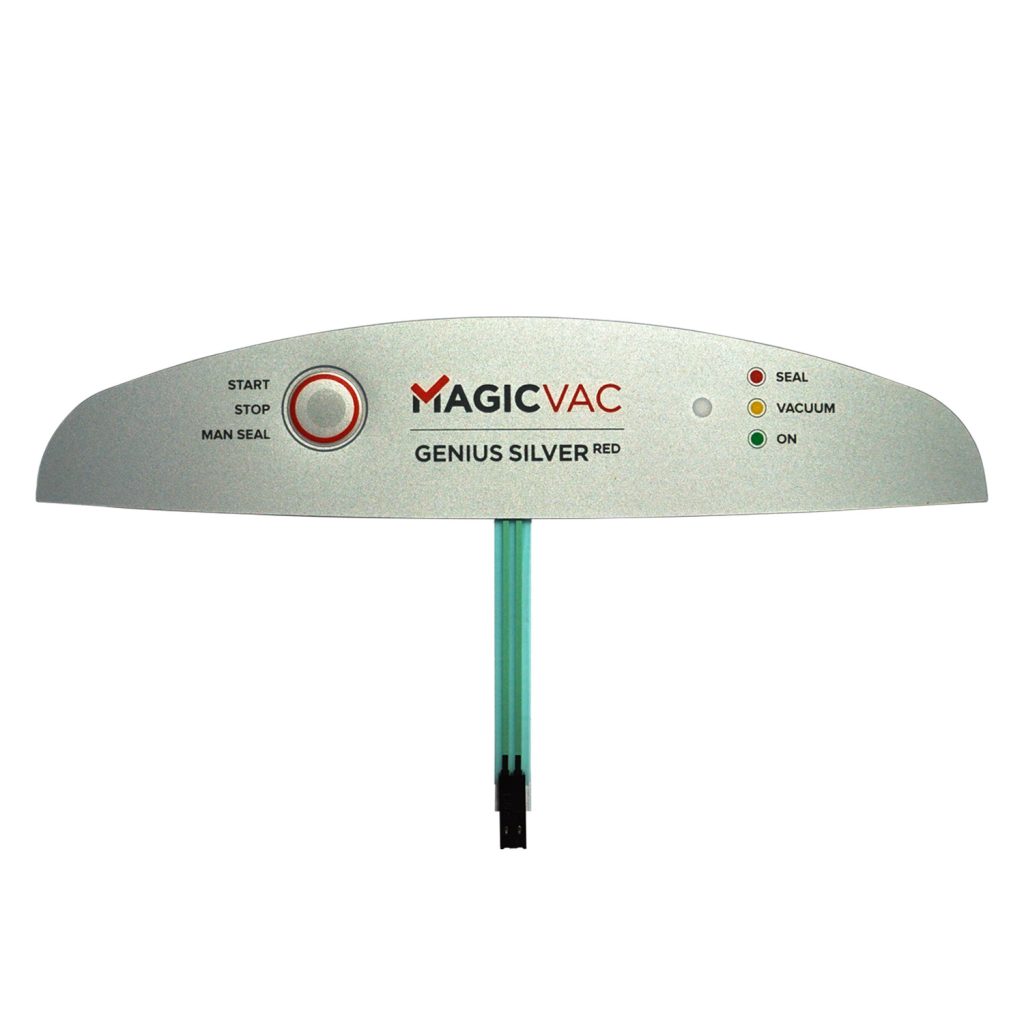
Why Membrane Switch Prototyping Is Important
A membrane switch prototype allows designers to verify critical aspects of the interface before committing to production tooling.
A prototype typically helps confirm:
- Mechanical fit – ensuring the switch integrates correctly with the enclosure or front panel.
- Tactile performance – verifying actuation force and the feel of metal domes or embossed keys.
- Electrical function – testing circuit continuity, resistance values, and connector compatibility.
- Graphic appearance – reviewing colors, legends, windows, and backlighting effects.
Detecting problems at the prototype stage is far easier than correcting them during mass production. Early validation reduces the risk of design changes later in the development cycle and helps bring products to market faster.
Key Information Customers Should Prepare Before Prototyping
Clear documentation is the foundation of successful membrane switch prototyping. Before contacting a manufacturer, it is helpful to organize the following information.
Product Dimensions and Mechanical Drawings
Start with the physical layout of the switch and how it will integrate with the device.
Important details include:
- Overall panel size and thickness
- Mounting hole locations and diameters
- Tail (flex circuit) exit direction and length
- Cutouts for displays, LEDs, or indicators
- Tail bending requirements if routing space is limited
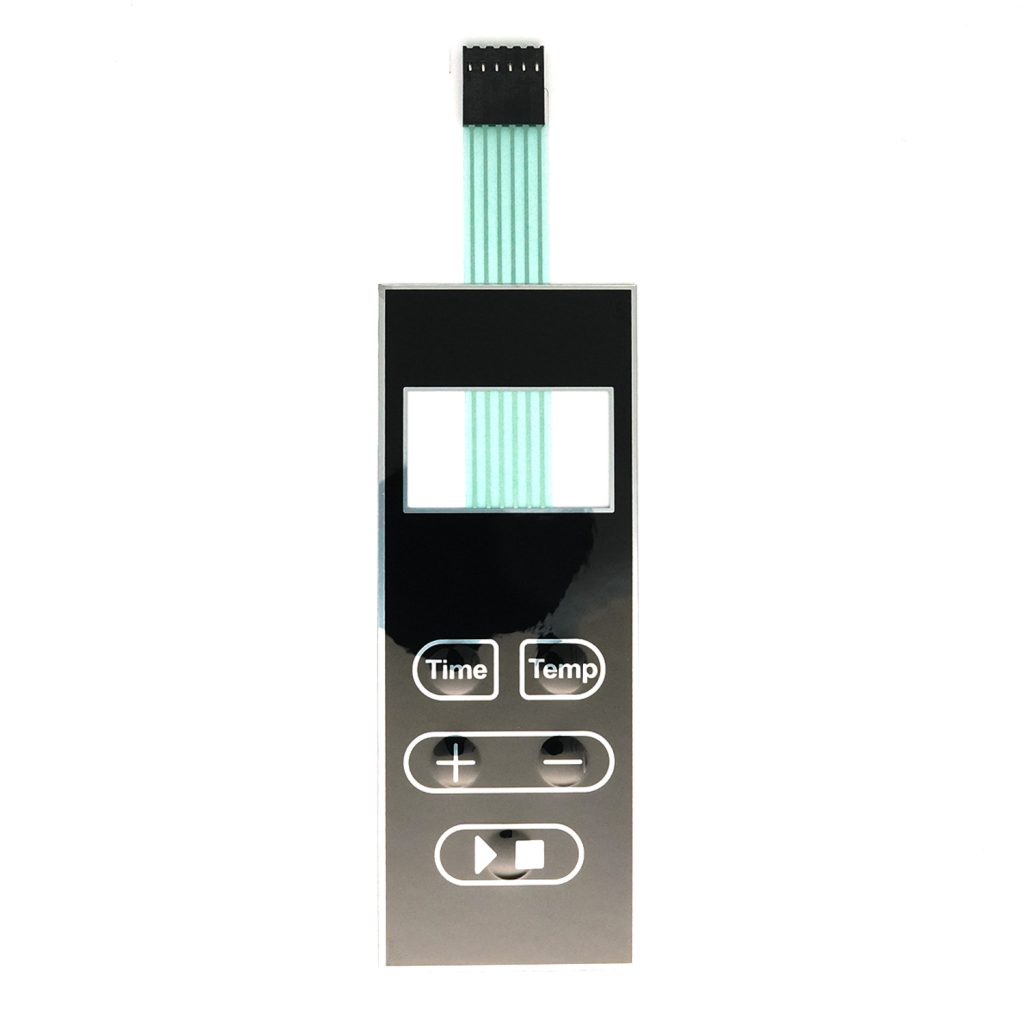
Providing enclosure drawings—such as 2D DXF/DWG files or 3D CAD models—greatly helps the manufacturer verify that the custom membrane switch design fits the product housing correctly.
Circuit Requirements
The circuit structure determines how the membrane switch communicates with the main electronics.
Useful information includes:
- Number of keys and matrix configuration
- Connector type (FFC, ZIF, solder pads, or wire leads)
- Pin assignments
- Operating voltage and current
- Any ESD protection or shielding considerations
If available, provide a membrane switch circuit drawing. Even a simple schematic or annotated sketch can help engineers understand the required layout.
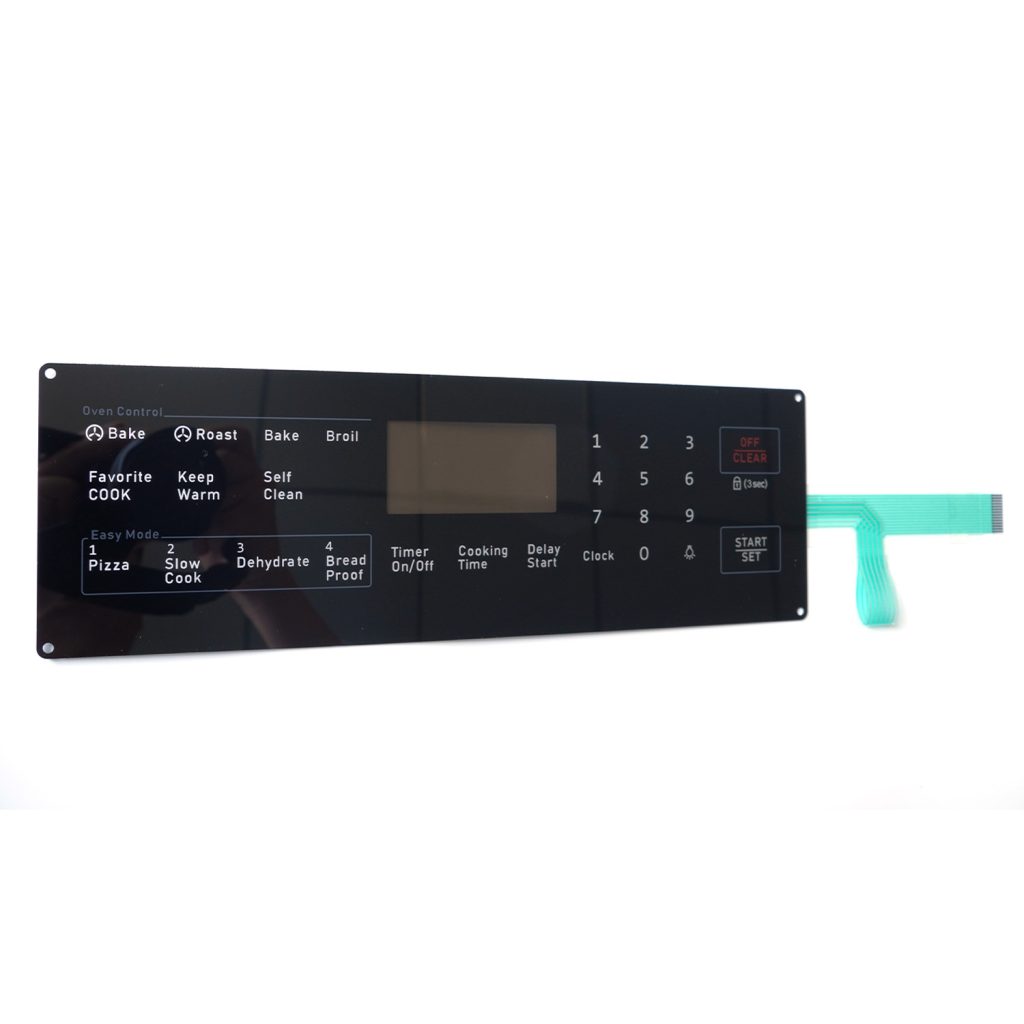
Graphic Overlay Design
The graphic overlay defines the visual interface and is often the first element users notice.
To avoid confusion during production, prepare:
- Vector artwork files (AI, CDR, or PDF)
- Pantone color references
- Icon and text placement
- Backlighting requirements if illumination is needed
- Surface finish preferences such as matte, gloss, or textured coating
- Display windows (clear or tinted)
Clear artwork files help ensure accurate printing and alignment during prototype fabrication.
Environmental Requirements
Membrane switches often operate in challenging environments, so defining operating conditions early is essential.
Important parameters may include:
- Operating temperature range
- Required IP protection level
- Chemical exposure from cleaning agents or oils
- Outdoor use and UV resistance
- Expected actuation life cycles
These conditions influence material choices such as polyester overlays, adhesives, and sealing methods.
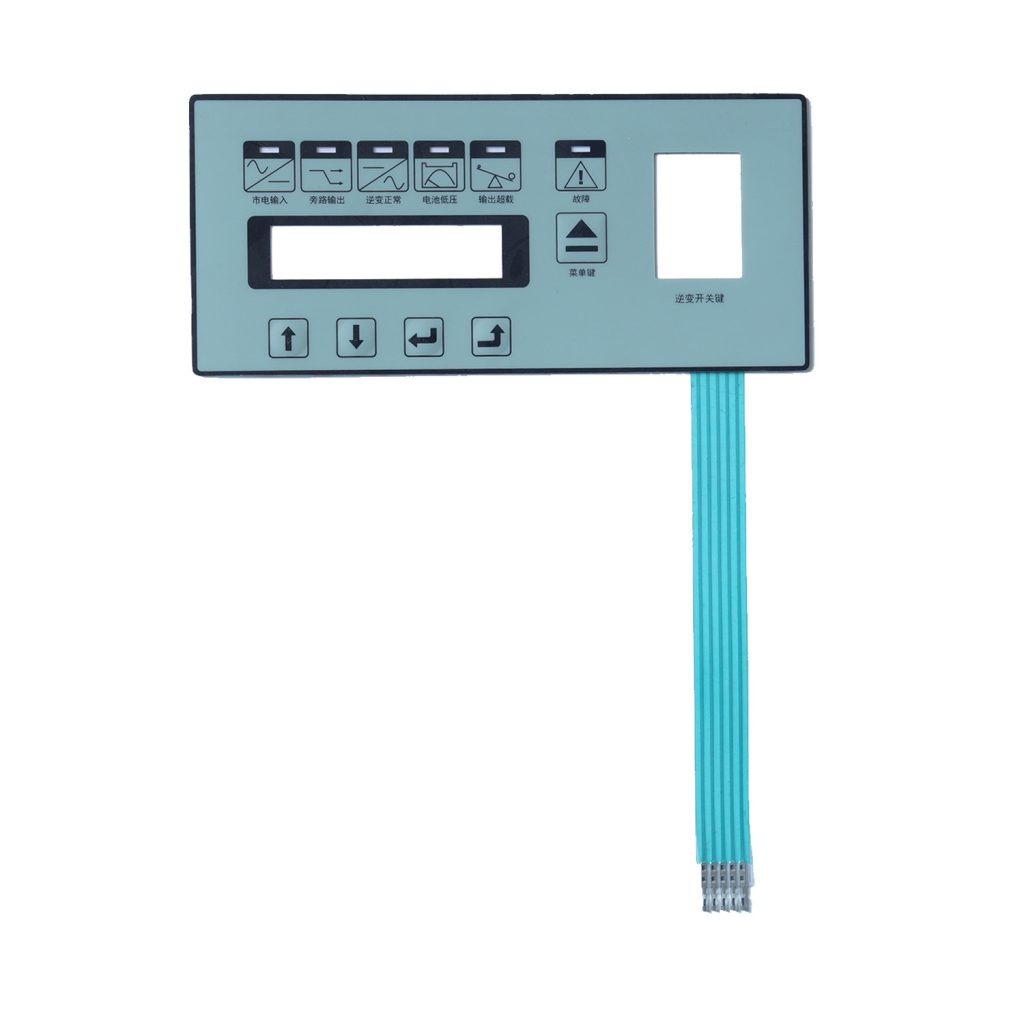
Common Issues During Membrane Switch Prototyping
Even well-planned projects sometimes encounter avoidable issues. The most common ones include:
- Incomplete mechanical drawings, leaving key mounting details unclear
- Unclear button layout, causing confusion about actuation areas
- Incorrect connector specification, which may not match the mating cable
- Missing environmental data, leading to unsuitable material choices
- Low-resolution artwork, which produces poor printing results
Reviewing these details before sending a prototype request can significantly streamline the membrane switch development process.
Working With a Membrane Switch Manufacturer
An experienced manufacturer can help refine the design even if your initial documentation is still evolving.
At BX-PANEL, our engineering team regularly assists customers with:
- Design for Manufacturability (DFM) evaluation
- Material and structural recommendations
- Graphic artwork verification
- Rapid prototype production
In many cases, early communication helps identify potential design improvements before the prototype stage, saving both time and development cost.
Conclusion
A successful membrane switch prototyping project starts with clear preparation. By organizing mechanical drawings, circuit specifications, graphic artwork, and environmental requirements, customers can significantly reduce development risks.
Taking time to prepare this information not only speeds up the prototype stage but also improves the reliability of the final product. With proper planning and collaboration, membrane switch prototypes can quickly evolve into production-ready interface solutions.
For OEM projects requiring custom HMI components, BX-PANEL provides support from initial design consultation to full-scale manufacturing. To discuss your project, visit www.bx-panel.com or contact our team at [email protected].