Requesting a quote for a custom membrane switch may seem straightforward. However, in real projects, incomplete or unclear specifications often lead to inaccurate pricing, extended lead times, and repeated back-and-forth communication.
For engineers, product managers, and procurement teams, providing clear and structured information upfront is the most efficient way to obtain an accurate quotation and avoid costly revisions later.
This article outlines the essential information required for a custom membrane switch quote, helping streamline the sourcing process and improve overall project efficiency.
Why Detailed Information Matters in Quotation
Unlike standardized components, membrane switches are fully customized assemblies. Pricing is not fixed—it varies based on materials, structure, electrical design, and environmental requirements.
Insufficient input information can easily result in:
- Misestimated costs
- Design mismatches between expectation and production
- Delays in prototyping and mass production
A well-prepared RFQ (Request for Quotation) allows manufacturers to evaluate feasibility, optimize design suggestions, and provide accurate pricing based on real project conditions.
1. Graphic Overlay Requirements
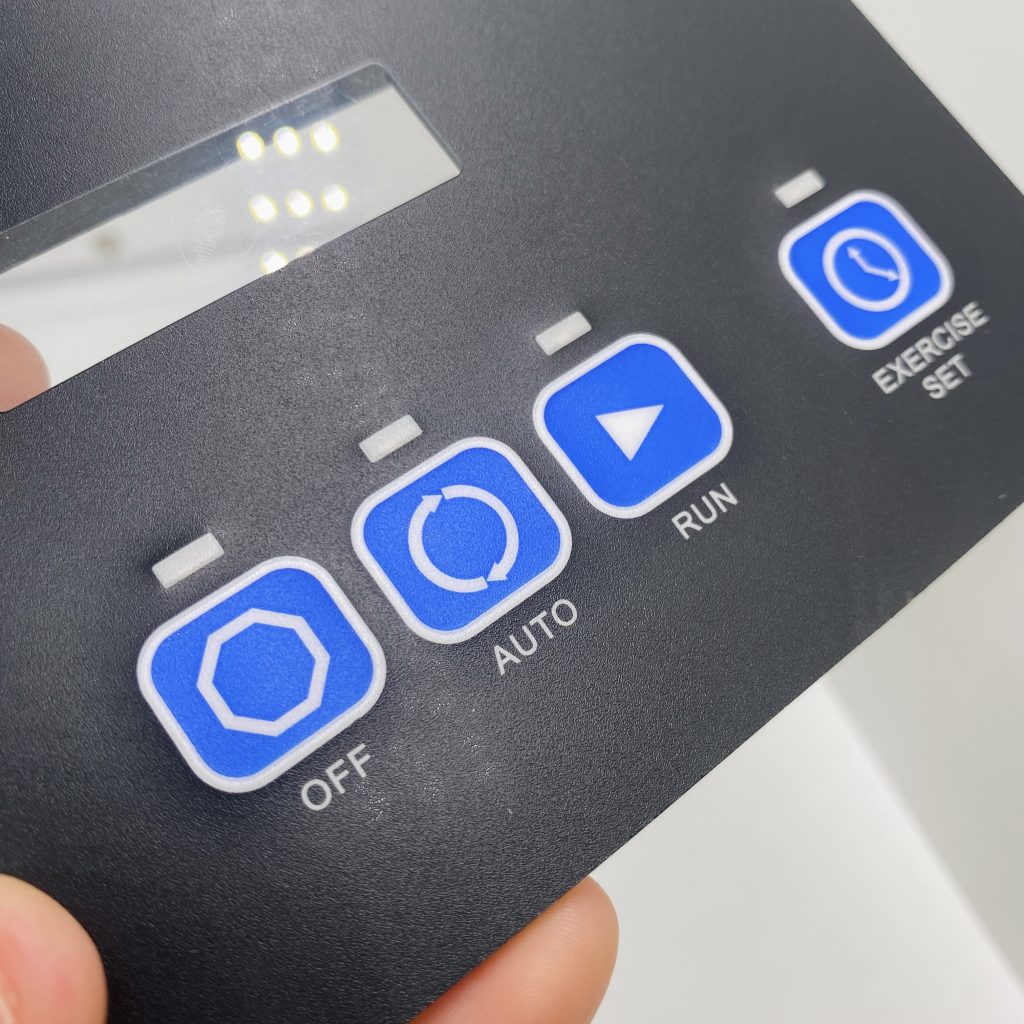
The graphic overlay defines both the visual interface and the user interaction layer, making it one of the first elements evaluated during quotation.
Key details to provide:
- Dimensions and shape (2D drawings or CAD files preferred)
- Color specifications (Pantone or CMYK values)
- Surface finish (matte, gloss, textured)
- Display windows (transparent, tinted, or printed)
- Embossing requirements (flat, pillow, rim emboss)
Providing editable artwork files (AI, PDF, EPS) helps reduce interpretation errors and speeds up the review process.
2. Circuit Design Specifications
The circuit layer directly determines electrical performance and long-term reliability.
Important information includes:
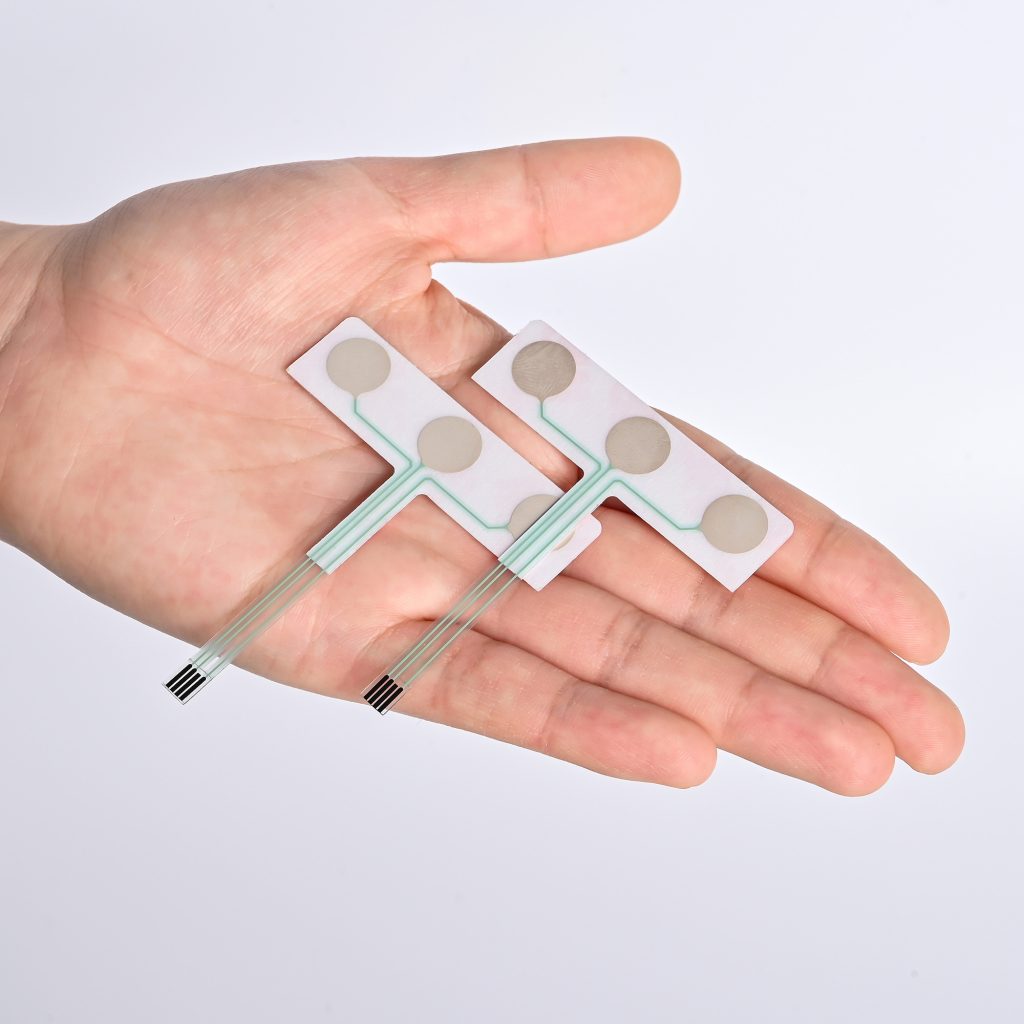
- Circuit type (silver printed, FPC, or PCB hybrid)
- Number of keys and layout
- Trace routing or schematic (if available)
- Connector type and pitch
- Tail length and exit direction
Even if the design is not finalized, a clear functional description can help manufacturers recommend a suitable structure early on.
3. Tactile Feedback Requirements
Key feel plays a critical role in user experience, especially in industrial and medical applications.
Specify whether you require:
- Tactile or non-tactile switches
- Metal dome specifications (diameter, actuation force)
- Expected lifecycle (e.g., 1 million+ actuations)
Different tactile solutions not only affect user feedback but also influence durability and overall cost.
4. Backlighting and Display Features
For applications used in low-light environments, backlighting design becomes essential.
Provide details such as:
- Backlighting type (LED, EL, fiber optic)
- Light color and brightness expectations
- Uniformity and light-blocking requirements
- Icon transparency design
Lighting design often adds complexity to both tooling and assembly, so early clarification helps avoid redesign later.
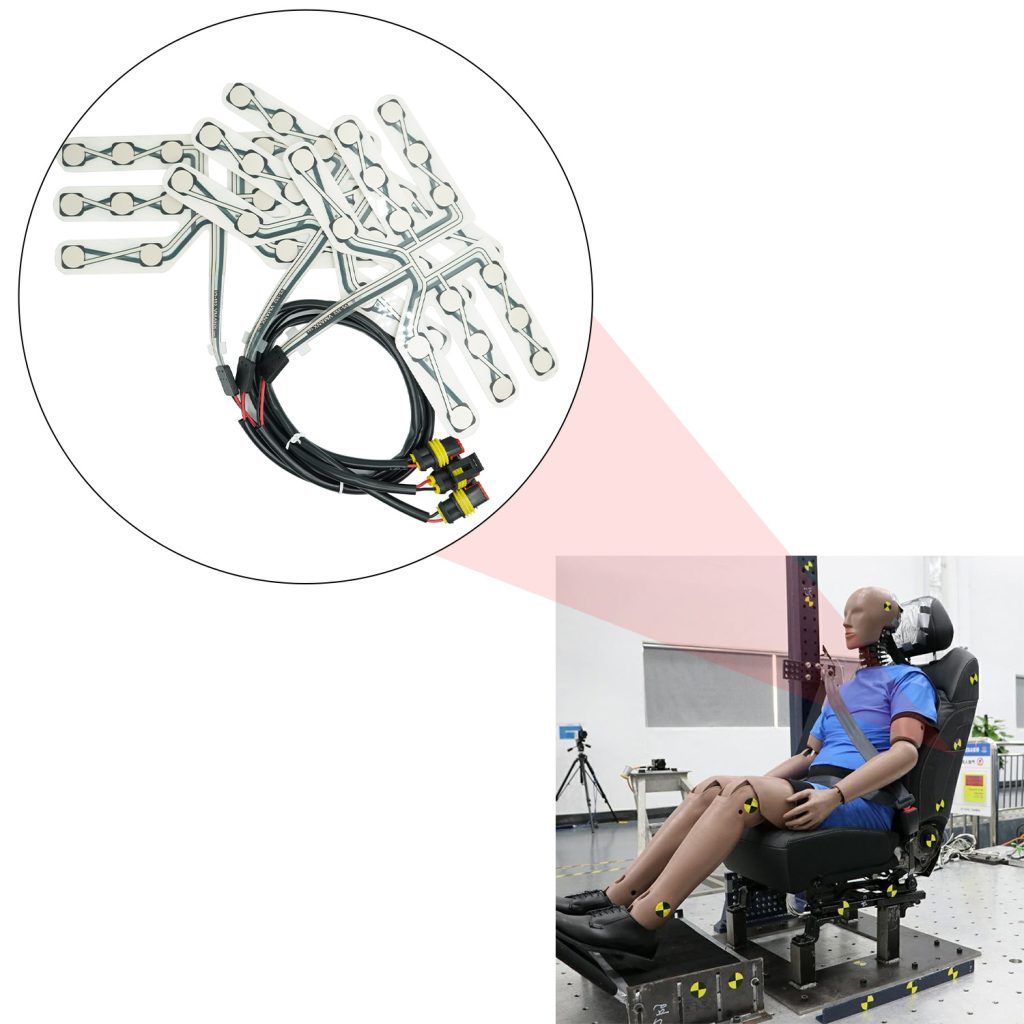
5. Environmental and Application Conditions
Real-world operating conditions have a direct impact on material selection and product lifespan.
Key factors include:
- Indoor or outdoor use
- Operating temperature range
- Exposure to moisture, UV, or chemicals
- Required IP rating (e.g., IP65, IP67)
For outdoor or harsh environments, additional sealing, UV-resistant materials, or protective coatings may be necessary.
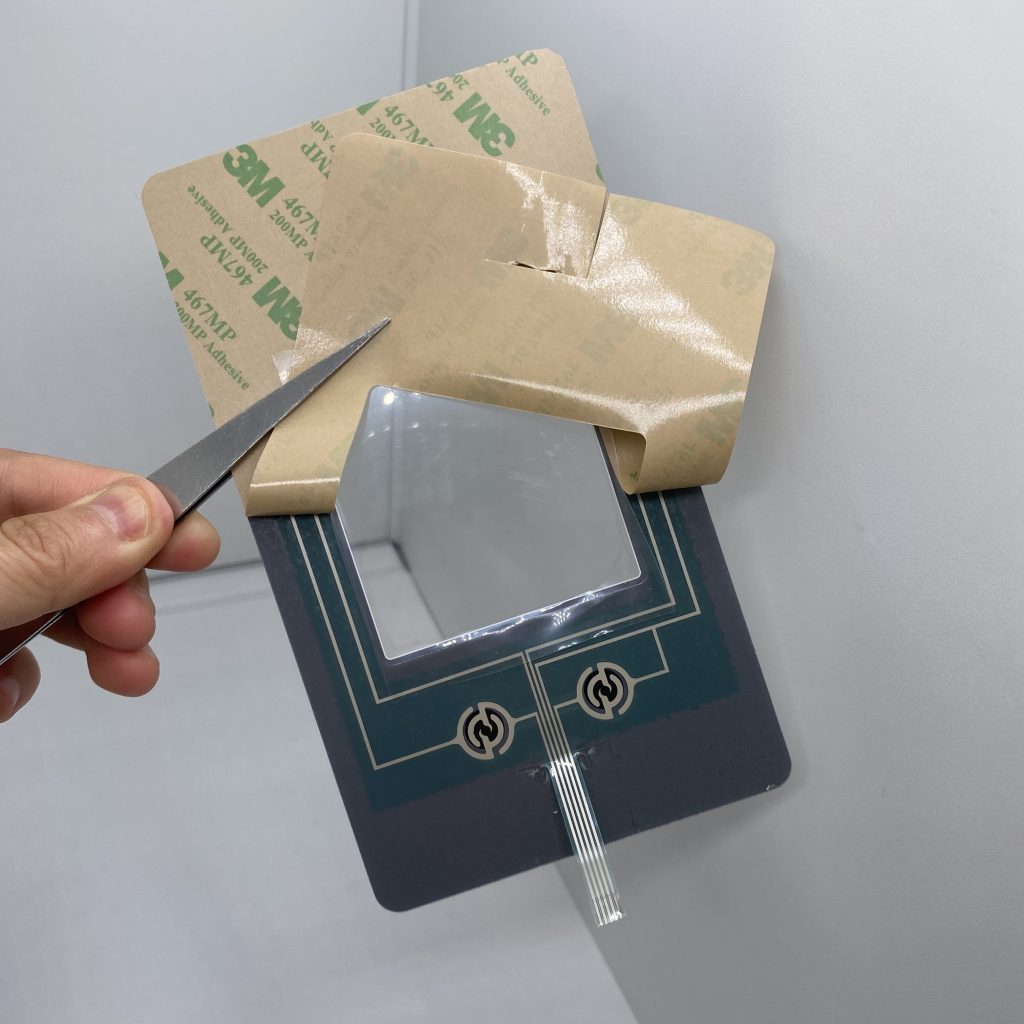
6. Adhesive and Mounting Requirements
Adhesive selection is often underestimated, yet it is one of the most common causes of field failure.
Clarify the following:
- Mounting surface material (metal, plastic, glass)
- Preferred adhesive type (such as 3M series)
- Thickness limitations
- Removable or permanent bonding requirements
Choosing the correct adhesive system ensures long-term stability and prevents issues like edge lifting or delamination.
7. Quantity and Project Timeline
Production cost is closely tied to volume and scheduling.
Be sure to include:
- Estimated order quantity (prototype, small batch, mass production)
- Annual demand forecast
- Target delivery timeline
This information allows suppliers to optimize tooling strategies and production planning, often reducing unit costs.
8. Certifications and Special Requirements
In many industries, compliance is not optional.
Common requirements include:
- RoHS and REACH compliance
- UL certification
- Medical or industrial-grade standards
Highlighting these requirements early ensures that materials and processes align with regulatory expectations from the start.
Common Mistakes to Avoid
In practice, many quotation delays are caused by avoidable gaps in information.
Typical issues include:
- Providing only reference images without dimensions
- Missing electrical or connector details
- Unclear usage environment
- Frequent design changes after initial quotation
A structured RFQ significantly reduces communication cycles and speeds up project progress.
Conclusion
A precise custom membrane switch quote is more than just a price—it reflects design clarity, manufacturability, and long-term reliability.
By preparing complete information across graphics, circuit design, tactile feedback, environmental conditions, and production volume, buyers can greatly improve quotation accuracy and shorten lead times.
In actual projects, experienced manufacturers will often assist in refining incomplete specifications and suggesting cost-effective alternatives. For example, companies like Xiamen XINBIXI Electronic Technology Co., Ltd. (BX-PANEL), with over 10 years of manufacturing experience and in-house production capabilities, typically support customers from early RFQ evaluation through design optimization and mass production—helping bridge the gap between concept and scalable manufacturing.
Company: Xiamen XINBIXI Electronic Technology Co., Ltd. (BX-PANEL)
Website: www.bx-panel.com
Email: [email protected]