


In many electronic products, the first thing users touch is not the internal circuit, not the hardware, but the surface interface.
The panel.
The labels.
The printed layer with icons, text, and windows.
This is the graphic overlay.
It looks simple. In reality, it often determines how a product is perceived, how long it lasts, and whether it performs reliably in real-world conditions.
What Is a Graphic Overlay?
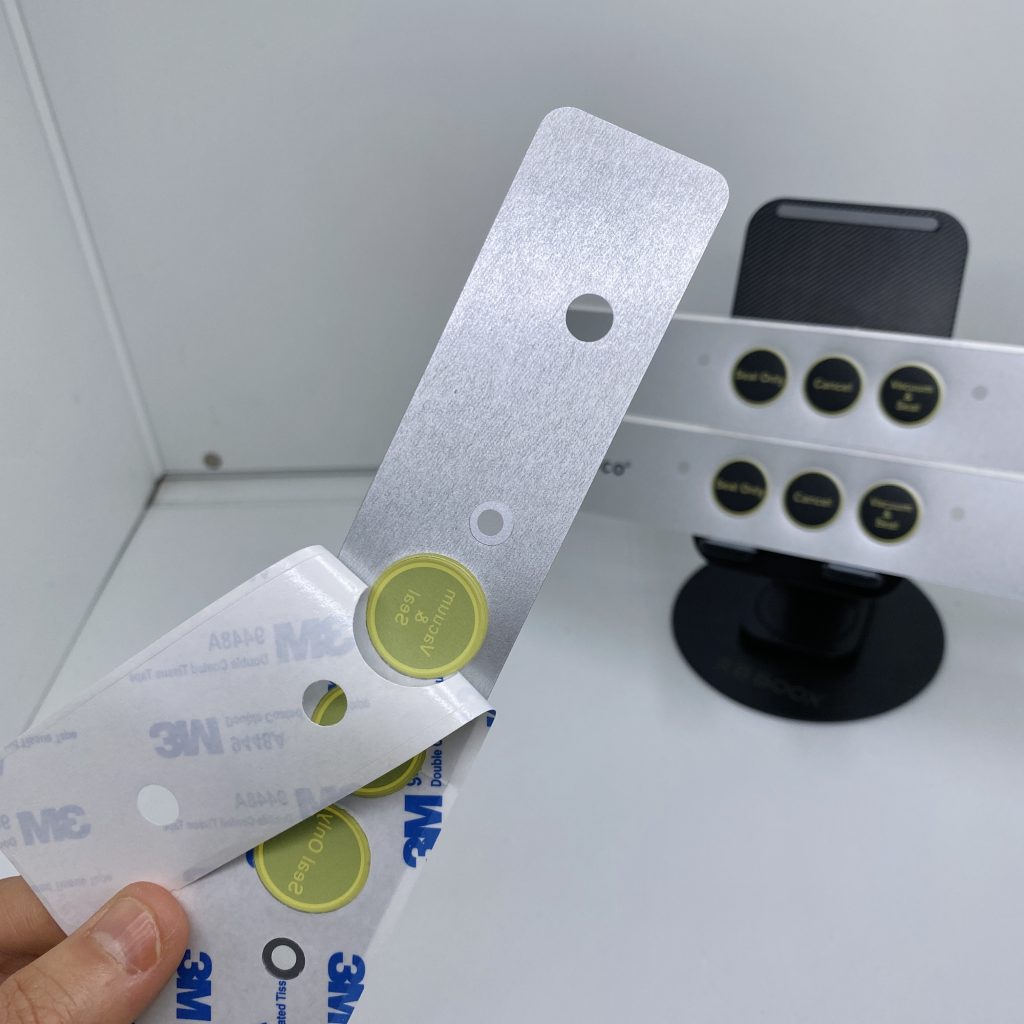
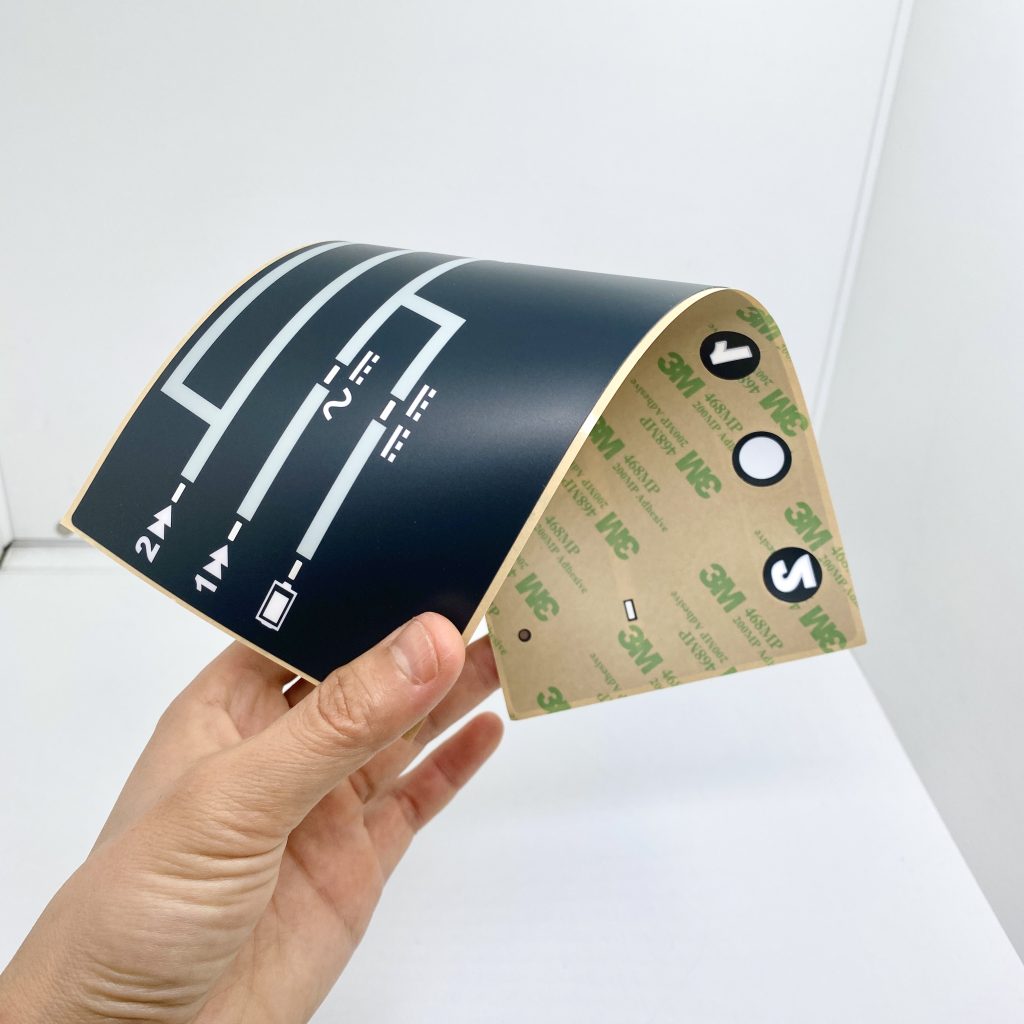
A graphic overlay is a printed and finished layer applied to the surface of a device, typically used in control panels, industrial equipment, medical devices, and consumer electronics.
It serves as the visual and functional interface between the user and the product.
A typical graphic overlay includes:
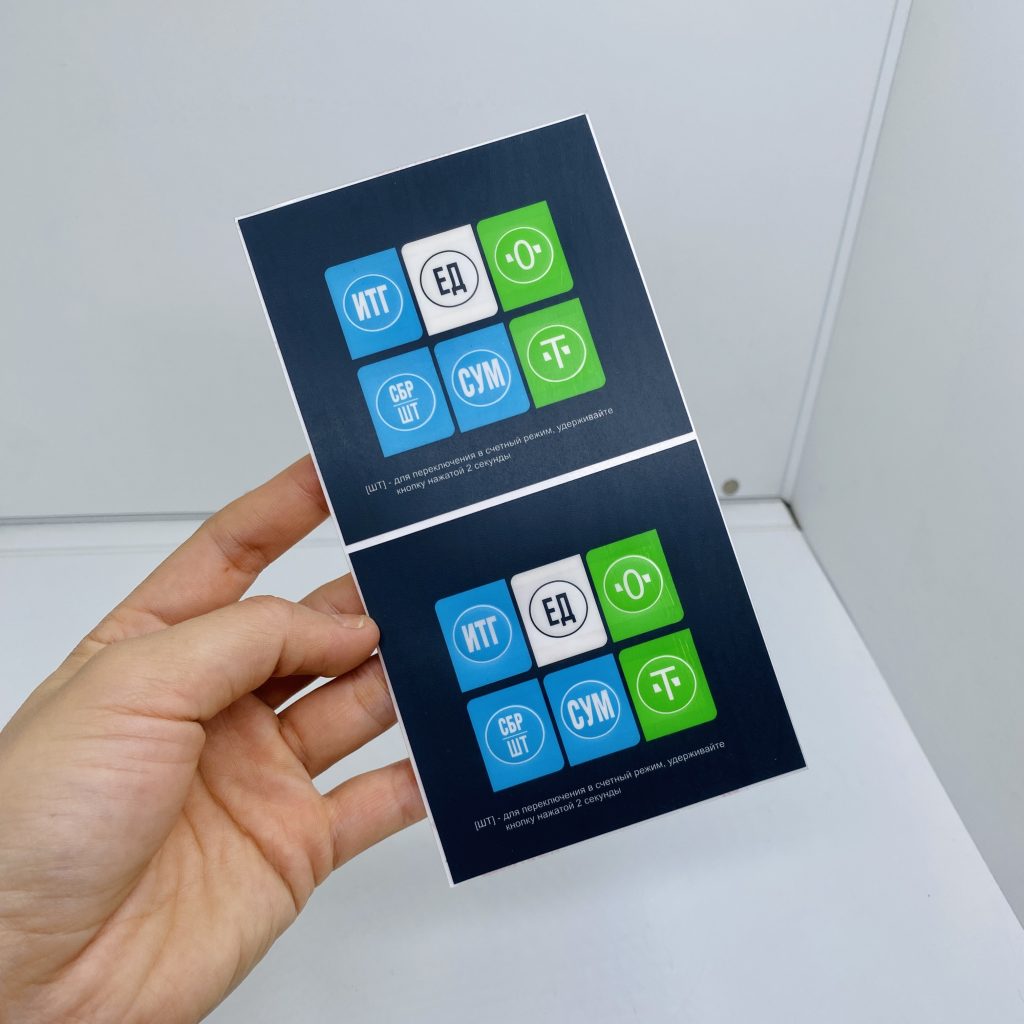
- Printed graphics (icons, text, branding)
- Functional areas (buttons, indicators)
- Transparent windows for LEDs or displays
- Surface finishes (matte, gloss, textured)
- Adhesive backing for mounting
Common materials include PET (polyester) and polycarbonate, selected based on durability, flexibility, and environmental requirements.
Why Graphic Overlays Matter More Than Expected
Many product teams focus heavily on internal components, but overlook the overlay.
In practice, this is where problems often begin.
1. First Impression Is Defined by the Overlay
Before a user interacts with performance, they judge the product visually and physically.
If the overlay:
- looks cheap
- has inconsistent colors
- feels uneven
the entire product is perceived as low quality—even if the internal engineering is solid.
In long-term OEM projects, this is one of the most underestimated factors affecting product positioning.
2. Durability Starts at the Surface
The overlay is the first layer exposed to:
- scratches
- UV exposure
- chemicals
- moisture
- repeated use
If materials or processes are not properly selected, common failures include:
- fading or discoloration
- surface wear
- bubbling
- edge lifting
From a manufacturing perspective, these issues are rarely accidental—they are usually determined during early design and material selection.
3. Functional Performance Depends on Overlay Design
A graphic overlay is not just visual—it directly affects usability.
For example:
- Poor window design reduces LED visibility
- Incorrect embossing affects tactile response
- Weak adhesive leads to misalignment or peeling
- Surface texture impacts usability in different environments
These are not design “details”—they are functional decisions.

Common Mistakes in Graphic Overlay Design
Across different projects, several patterns appear repeatedly:
Ignoring Material Differences
PET and polycarbonate differ significantly in flexibility, durability, and chemical resistance.
Choosing based on price alone often leads to long-term issues.
Overlooking the Application Environment
An overlay that works indoors may fail quickly outdoors due to:
- UV exposure
- temperature fluctuations
- humidity
Treating Overlay as “Just Printing”
In reality, graphic overlays involve:
- material engineering
- surface treatment
- structural integration
- adhesive compatibility
Not simply ink on film.
A Practical Insight from Production
In real production environments, overlay-related failures are rarely caused by printing defects alone.
More often, they come from:
- incorrect material selection
- lack of early design validation
- mismatch between use conditions and specifications
In some OEM cases, a small overlay issue has led to full product rework or delayed launches—something many teams only realize after mass production begins.
Working with a manufacturer that understands both design intent and production constraints can significantly reduce these risks.
Where Graphic Overlays Are Used
Graphic overlays are widely applied in:
- Industrial control panels
- Medical equipment interfaces
- Home appliances
- Outdoor systems (charging stations, kiosks)
- Consumer electronics
Each application requires a different balance between appearance, durability, and functionality.
About BX-Panel
BX-Panel (Xiamen XINBIXI Electronic Technology Co., Ltd.) is a custom manufacturer based in Xiamen, China, with a 3,000㎡ production facility and over 100 skilled workers, supported by an in-house engineering and design team.
The company specializes in:
- Membrane switches
- Graphic overlays
- Acrylic panels
- Nameplates
- Insulation gaskets
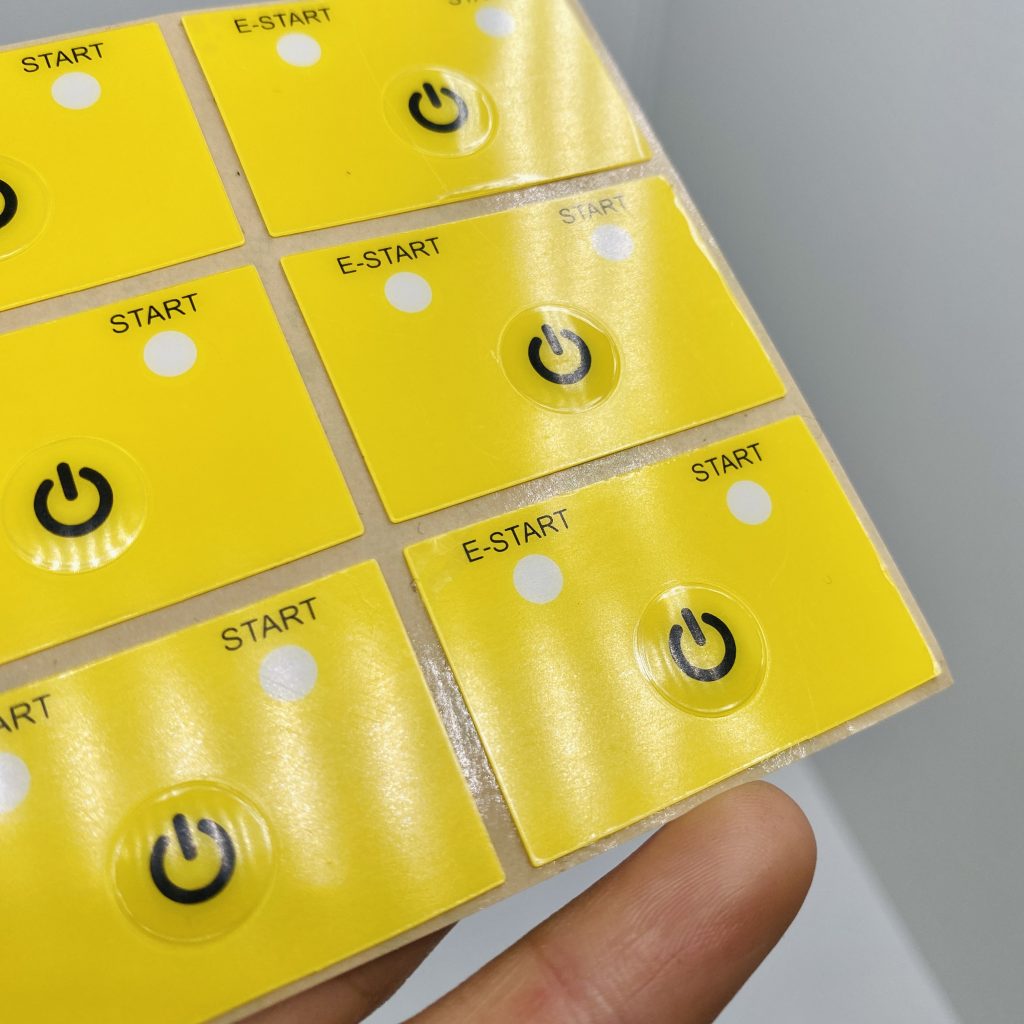
- Crystal dome labels
- Stickers
From a manufacturing standpoint, projects are typically approached not just from a printing perspective, but from the integration of material selection, structural design, and real-world application requirements.
Final Thoughts
A graphic overlay may appear to be just a thin surface layer.
But in reality, it directly impacts:
- product appearance
- user experience
- durability
- long-term reliability
For engineers and OEM buyers, it is not a secondary component—it is part of the product’s core interface.
If you are evaluating or developing a custom graphic overlay, early-stage decisions will determine long-term performance.
For sample inquiries or custom projects:
🌐 www.bx-panel.com
📩 [email protected]