


Basic Structure, Working Principle, and Why It Matters for Your Product Design
Bx-Panel Electronics Technology
Membrane switches are widely used human–machine interface (HMI) components in modern electronic devices. Their performance directly affects product reliability, user experience, and long-term durability.
In this guide, we explain what a membrane switch is, how it works, and why its structure plays a critical role in real-world applications. Backed by over 10 years of manufacturing experience, Bx-Panel Electronics Technology provides fully customized membrane switch solutions for global OEM and industrial customers.
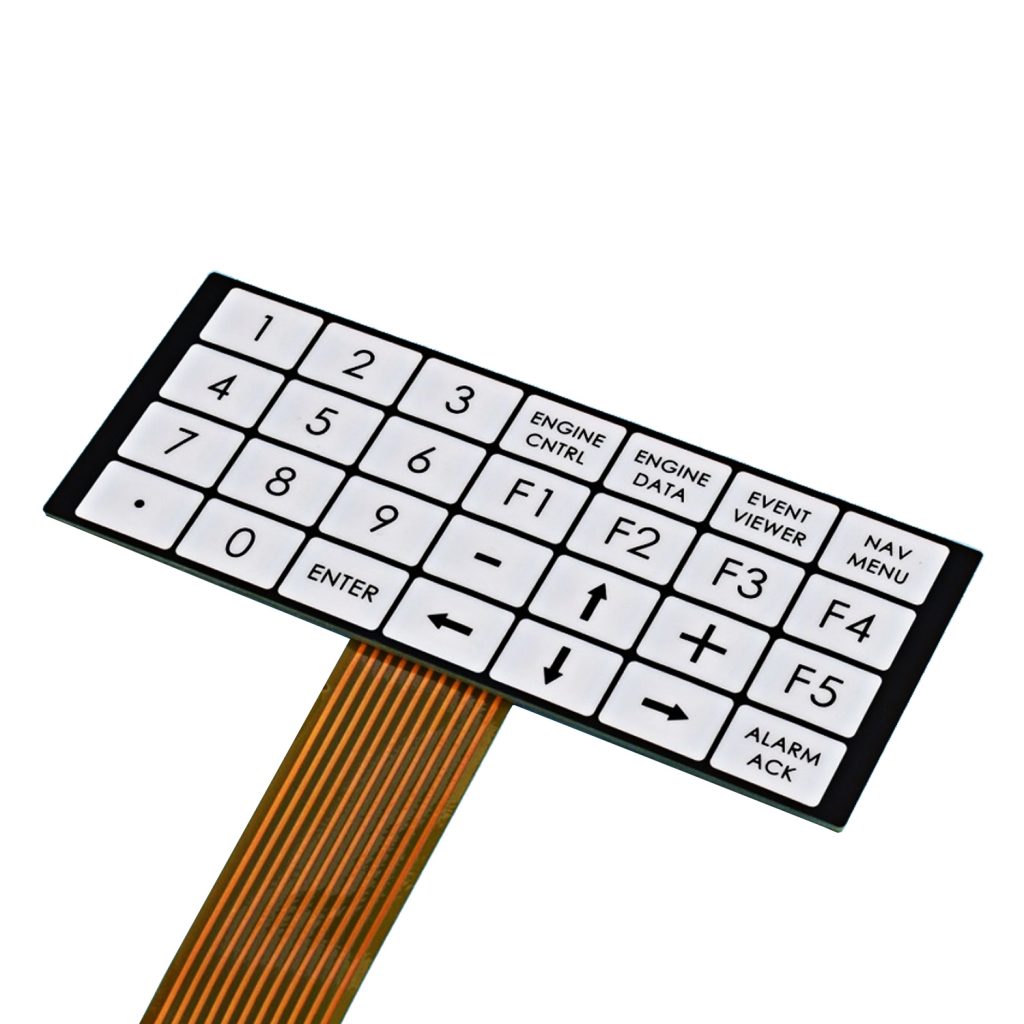
What Is a Membrane Switch?
A membrane switch is a low-profile, flexible electrical switch that integrates graphic identification, conductive circuitry, and tactile input into a single laminated structure.
Unlike mechanical switches, membrane switches rely on printed conductive layers and pressure contact to complete a circuit. This design makes them especially suitable for applications requiring:
- Compact form factors
- Sealed and dustproof interfaces
- High customization and stable performance
Membrane switches are commonly used in industrial control panels, medical devices, home appliances, automotive electronics, and consumer equipment.
Basic Structure of a Membrane Switch
A membrane switch consists of multiple functional layers, laminated together to ensure reliable electrical performance and mechanical durability.
Graphic Overlay
The top layer that users interact with.
Typically made from PET (polyester) or PC (polycarbonate) film, it provides visual identification such as symbols, text, and color coding.
Bx-Panel supports customized overlays with matte, glossy, anti-glare, and textured finishes, ensuring both aesthetics and usability.
Upper Circuit Layer
This layer contains printed conductive traces made from silver paste or carbon ink:
- Silver circuits provide low resistance and stable conductivity
- Carbon circuits offer better wear resistance and cost efficiency
Spacer Layer
A precisely die-cut PET layer that separates the upper and lower circuits.
It ensures the circuit remains normally open until pressure is applied.
Lower Circuit Layer
Aligned with the upper circuit to form a complete electrical path when pressed.
Adhesive Layer
Industrial-grade adhesives, such as 3M, are used to securely mount the membrane switch to the device enclosure, ensuring long-term adhesion.
Optional Tactile Dome Layer
To improve tactile feedback, metal domes or polyester domes can be added.
This creates a clear “click” sensation, enhancing operational accuracy.
How Does a Membrane Switch Work?
The operating principle of a membrane switch is based on a momentary circuit contact mechanism:
- At rest:
The spacer layer keeps the upper and lower circuits separated. The circuit is open. - When pressed:
External pressure causes the upper circuit to deform and contact the lower circuit through the spacer opening, closing the circuit and sending a signal. - After release:
The elastic materials return to their original position, separating the circuits and breaking the connection.
This simple yet reliable mechanism ensures fast response, long service life, and excellent sealing performance.
Why Are Membrane Switches Widely Used?
Membrane switches offer several advantages that make them a preferred choice for modern electronic products:
- Ultra-thin and lightweight
Total thickness is typically under 1 mm, ideal for compact devices. - Sealed and protected
The laminated structure supports IP65–IP67 protection, preventing dust and liquid ingress. - High design flexibility
Graphics, circuits, LED backlighting, transparent windows, and embossed keys can all be customized. - Cost-effective for mass production
Suitable for medium to large production volumes with stable quality and low maintenance. - High durability
Designed to withstand millions of actuations under normal operating conditions.
Why Choose Bx-Panel for Membrane Switch Manufacturing?
Bx-Panel Electronics Technology is a professional membrane switch manufacturer based in Xiamen, Fujian, China, with a 3,000㎡ self-owned factory and a skilled team of over 100 professionals.
Our Key Strengths
- One-stop solution:
Membrane switches, graphic overlays, acrylic panels, nameplates, insulation gaskets, crystal dome labels, and stickers. - Strong manufacturing capability:
Advanced printing, lamination, forming, and testing equipment ensure consistent quality and on-time delivery. - Engineering support:
Our design team helps optimize structure, materials, and graphics to balance performance, appearance, and cost.
We do not simply manufacture products—we help customers build reliable and scalable interface solutions.
Get Your Customized Membrane Switch Solution
Understanding the basic structure and working principle of membrane switches is essential for correct product selection and long-term reliability.
Whether you need a standard design or a fully customized solution, Bx-Panel Electronics Technology is ready to support your project.
Contact us today:
- 🌐 Website: www.bx-panel.com
- ✉ Email: [email protected]
Our engineering and sales team will respond within 24 hours with professional recommendations and samples.