


Bx-Panel Explains Key Design Choices for Durable and Cost-Effective Membrane Switch Panels
Membrane switches are the reliable, slim interfaces behind countless industrial controls, medical devices, and consumer electronics. Understanding their construction is key to selecting the right switch for an application. This guide from Bx-Panel, a professional membrane switch manufacturer with over a decade of experience, breaks down the components, materials, and working principles to help engineers make informed decisions.
Industry Background & The Design Challenge
In today’s competitive market, product designers face the dual challenge of creating user interfaces that are both aesthetically pleasing and extremely durable, often under tight budget constraints. The membrane switch, a composite structure that integrates graphics, circuitry, and switching into a single thin unit, provides an elegant solution. However, its performance and longevity are entirely dependent on the quality of materials and precision of construction—this is where manufacturer expertise becomes critical.
Deconstructing the Membrane Switch: A Layer-by-Layer Analysis
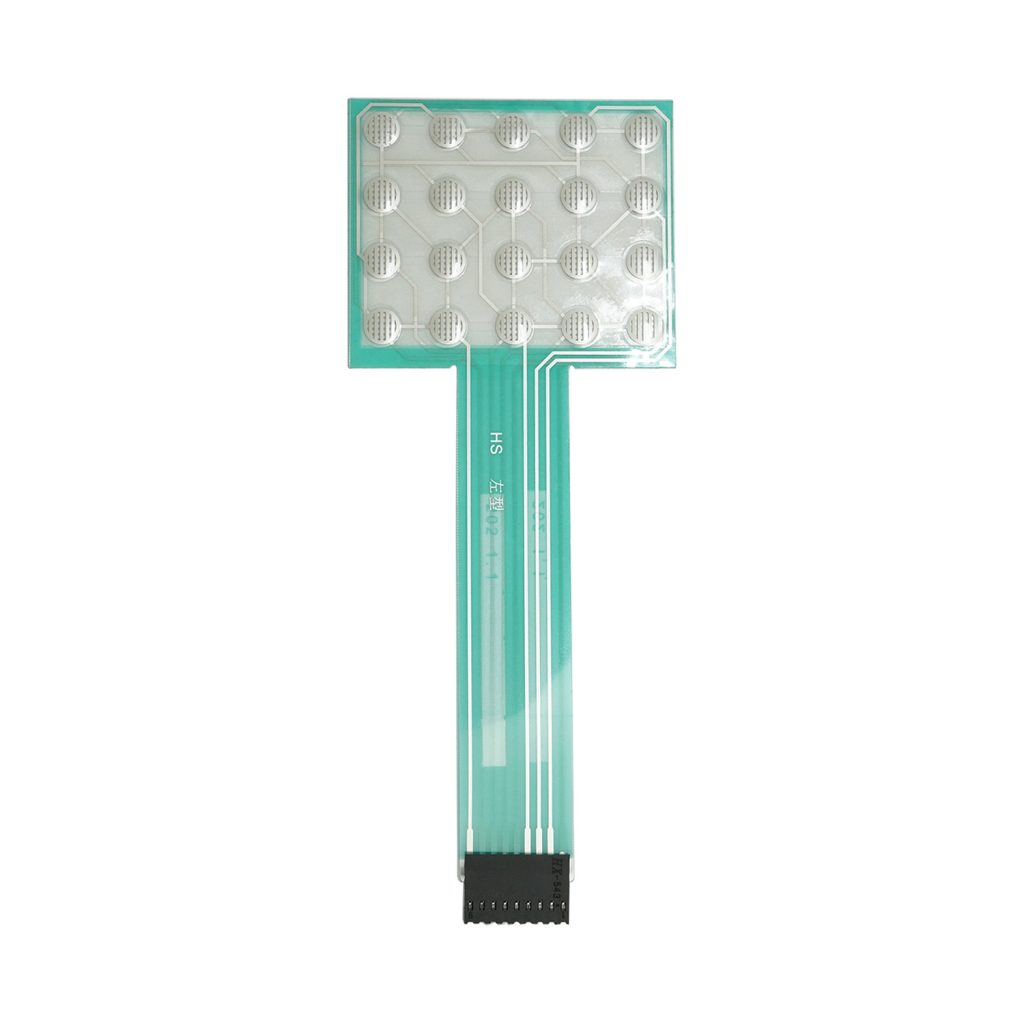
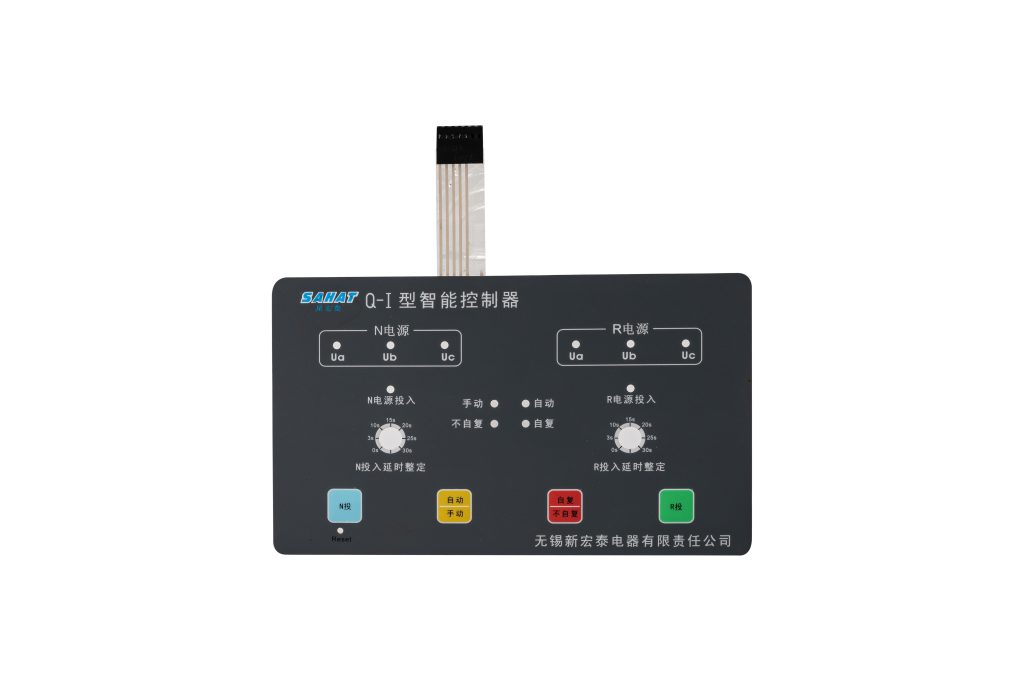
A typical membrane switch is a sophisticated sandwich of functional layers. Here’s what each layer does and the material options that define its character:
- Graphic Overlay (The User Interface): This is the visible, tactile surface. PET (Polyester) and PC (Polycarbonate) are the primary materials.
- PET vs. PC: PET is known for excellent chemical resistance, dimensional stability, and a lower cost point, making it ideal for industrial and medical equipment. PC offers superior impact resistance and clarity but can be more susceptible to chemical degradation. The choice impacts the product’s final feel, clarity, and environmental suitability.
- Circuit Layer (The Brain): This layer contains the printed conductive traces that complete the circuit when pressed. The ink choice is paramount for lifespan.
- Silver (Ag) Paste vs. Carbon Ink: Silver paste circuits offer very low initial resistance and excellent conductivity. Carbon ink circuits, while having slightly higher resistance, provide superior long-term stability, corrosion resistance, and are more cost-effective for designs with long, dense traces. The lifespan of a carbon ink circuit often exceeds that of silver in humid or demanding environments, as carbon is less prone to galvanic migration.
- Spacer / Adhesive Layers (The Mechanics): These layers create the air gap between the circuit and the opposing contact. The thickness and adhesive type (such as pressure-sensitive 3M adhesives or custom-formulated adhesives for specific environments) directly influence actuation force and tactile feedback. A thicker spacer generally requires a firmer press but can improve tactile sensation and prevent accidental activation.
- Tactile Layer (Optional, for Feedback): For a positive “click” feel, metal or polymer domes are added.
- Metal Domes vs. Polydomes: Metal domes provide a sharp, crisp tactile snap and a long mechanical life (often over 5 million cycles). Polydomes offer a softer, more dampened tactile feel and are completely silent in operation.
- Backing Layer (The Support): This final layer provides structural support and seals the assembly. It often includes a strong adhesive backing for permanent mounting to the product enclosure.
Why Partner with a Professional Manufacturer? The Bx-Panel Advantage
Designing a membrane switch involves balancing electrical requirements, tactile feel, aesthetics, and cost. An experienced partner like Bx-Panel ensures this balance is perfectly struck.
- Expertise in Material Selection: We guide clients on the optimal choice between PET and PC, or silver and carbon ink, based on the specific application environment (e.g., outdoor, medical sterilization, chemical exposure).
- Precision Engineering for Optimal Feel: We fine-tune spacer thickness and dome selection to achieve the exact tactile response desired, whether it’s a light touch or a firm click.
- End-to-End Control & Quality: With our own 3,000㎡ factory in Xiamen, China, and a team of over 100 skilled workers and designers, Bx-Panel maintains strict control over every production step, from design and printing to die-cutting and assembly. This ensures consistent high quality, reliable lead times, and the ability to handle both large-volume orders and customized prototypes.
About Bx-Panel / XINBIXI Electronic Technology Co., Ltd.
Bx-Panel is a leading manufacturer specializing in high-quality human-machine interface (HMI) components. With over 10 years of industry experience, our core products include Membrane Switches, Graphic Overlays, Acrylic Panels, Nameplates, and Insulation Gaskets. We serve a global clientele across industries such as industrial automation, medical instrumentation, household appliances, and consumer electronics. Our commitment is to provide durable, precisely engineered solutions that enhance our clients’ products.
Call to Action:
Ready to integrate a reliable, custom-designed membrane switch into your product? Visit our website at www.bx-panel.com to explore our technical capabilities and product gallery. For specific inquiries, sample requests, or to discuss your custom project requirements, please contact our sales team directly at [email protected].