


In membrane switch sourcing, OEM buyers often face a practical choice: work with a trading company, or go directly to a factory.
At first glance, both options may seem similar. Quotations look close, samples may not show obvious differences, and lead times appear comparable. But once a project moves into development or production, the gap becomes more noticeable.
In most cases, the difference is not about the product itself, but about control—over quality, communication, and execution. Choosing a factory direct membrane switch supplier is less about cutting cost, and more about reducing uncertainty throughout the project.
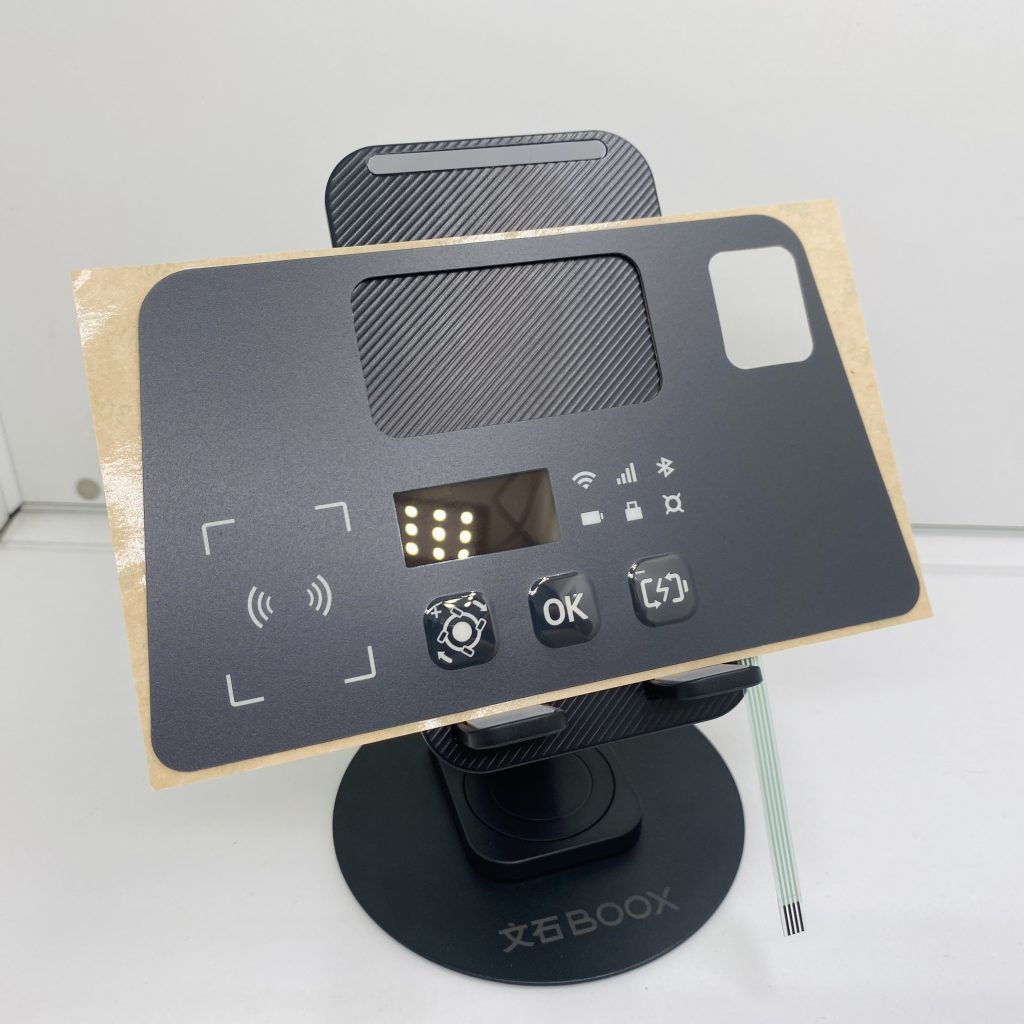
Factory Direct vs Distributor: What’s the Real Difference?
The core difference is straightforward.
A distributor or trading company mainly acts as a coordinator. They collect your requirements, pass them to a factory, and relay information back. In contrast, a factory handles design, engineering, and production within the same system.
This distinction matters more than it seems.
When communication passes through multiple layers, technical details can get simplified or misunderstood. Small issues—like connector orientation or adhesive selection—may not be clarified in time, and only show up later during assembly or testing.
Working directly with a factory shortens that chain. Questions go straight to the people who are actually building the product.
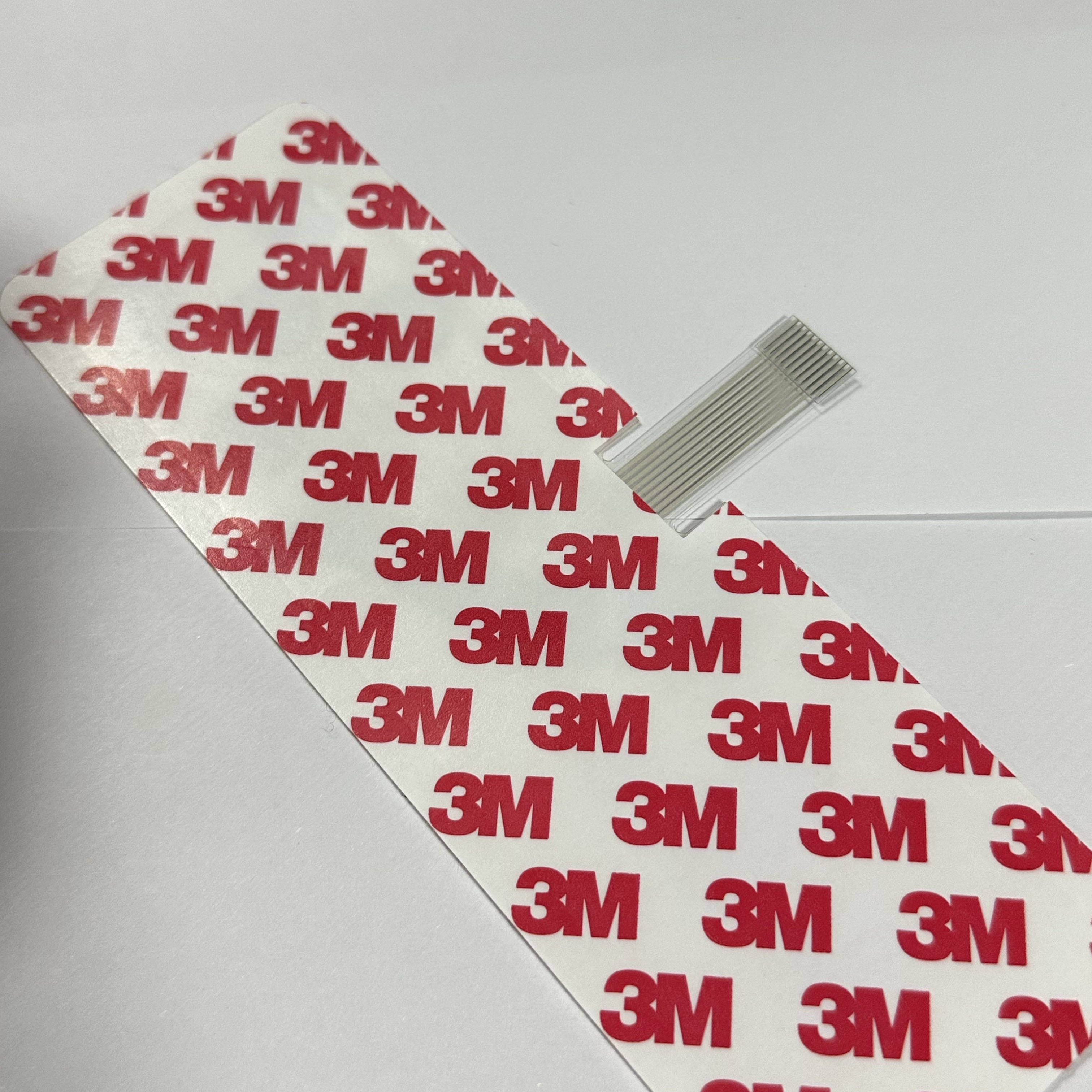
Better Cost Control, Not Just Lower Pricing
Factory-direct sourcing is often associated with lower prices, but in practice, the bigger advantage is cost control.
Without intermediaries, pricing is more transparent. More importantly, a factory can help adjust the design to better match your cost target—whether that means changing materials, simplifying layers, or optimizing the structure.
In real projects, cost is rarely fixed at the quotation stage. It evolves during design refinement. A factory that understands both engineering and production can usually offer more practical ways to balance cost and performance.
Faster Communication and Fewer Misunderstandings
One of the most common sources of delay in OEM projects is not production—it is communication.
When working through a middle layer, even simple technical questions can take time to resolve. Back-and-forth clarification slows down decision-making, especially during prototyping or design changes.
Direct communication with a factory tends to be more efficient. Engineers can discuss details such as circuit layout, dome force, or sealing structure without translation or interpretation.
In many cases, problems are not caused by incorrect execution, but by incomplete or distorted information. Reducing communication layers helps avoid that.
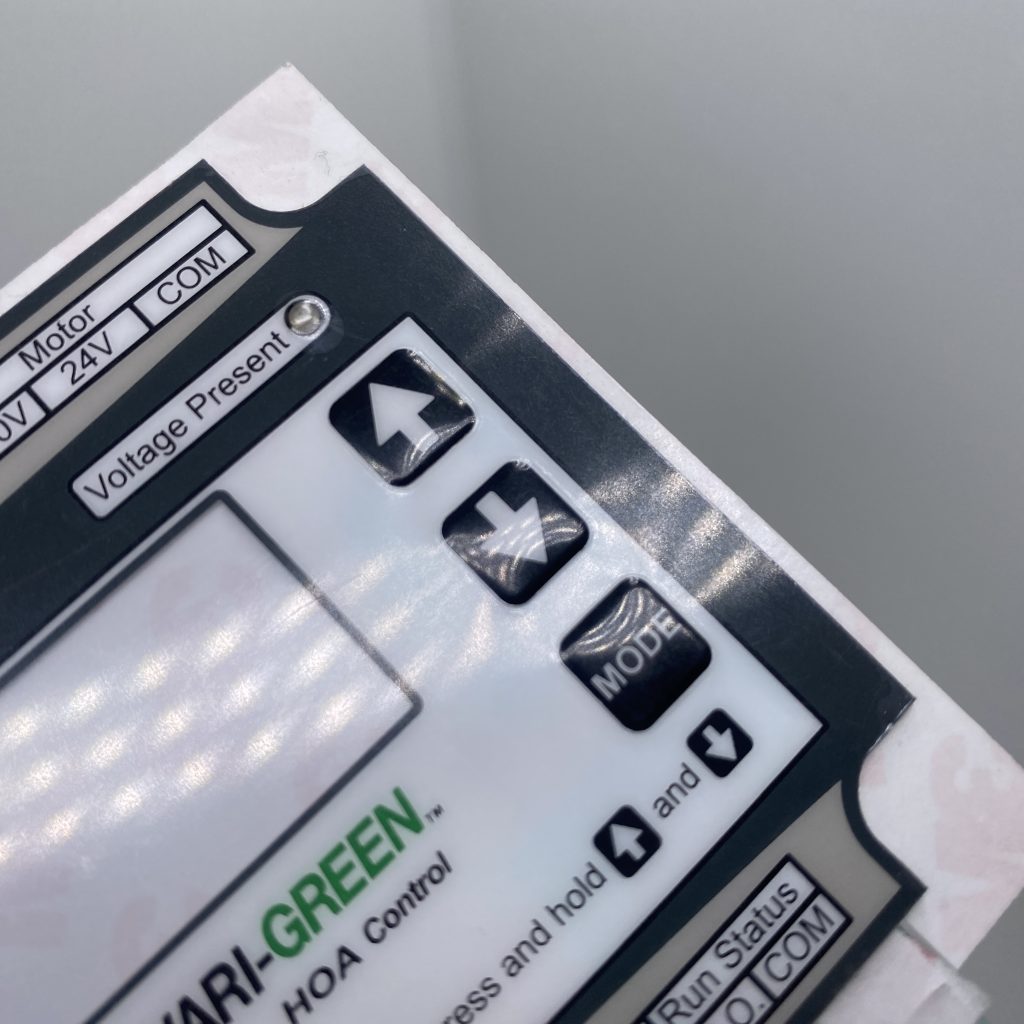
Stronger Engineering Support from the Source
A factory-direct membrane switch manufacturer is usually in a better position to provide practical engineering input.
Instead of only reviewing drawings, they can suggest adjustments based on real production experience. This might include:
- improving circuit routing for better reliability
- selecting adhesives that match the operating environment
- adjusting structural details to reduce stress or improve assembly
These changes are often small, but they can have a significant impact on long-term performance.
A supplier that only passes information along typically cannot provide this level of input.
More Reliable Quality Control and Consistency
Quality consistency is one of the biggest concerns in long-term supply.
When working with a factory, quality control is tied directly to the production process. Materials, printing, lamination, and testing are all managed within one system, which makes it easier to maintain stability between batches.
In contrast, when production is outsourced through multiple layers, it becomes harder to trace the source of a problem if something goes wrong.
In practice, most quality issues are not caused by a single defect, but by variations in process control. Working directly with a factory reduces that variability.
Greater Flexibility in Prototyping and Production
OEM projects rarely follow a straight path. Design iterations, testing feedback, and adjustments are all part of the process.
Factory-direct suppliers are usually more flexible when it comes to prototyping and small-batch production. They can respond faster to design updates and support multiple rounds of samples without excessive delays.
This flexibility becomes especially important in early development stages, where timing and responsiveness can affect the overall project schedule.
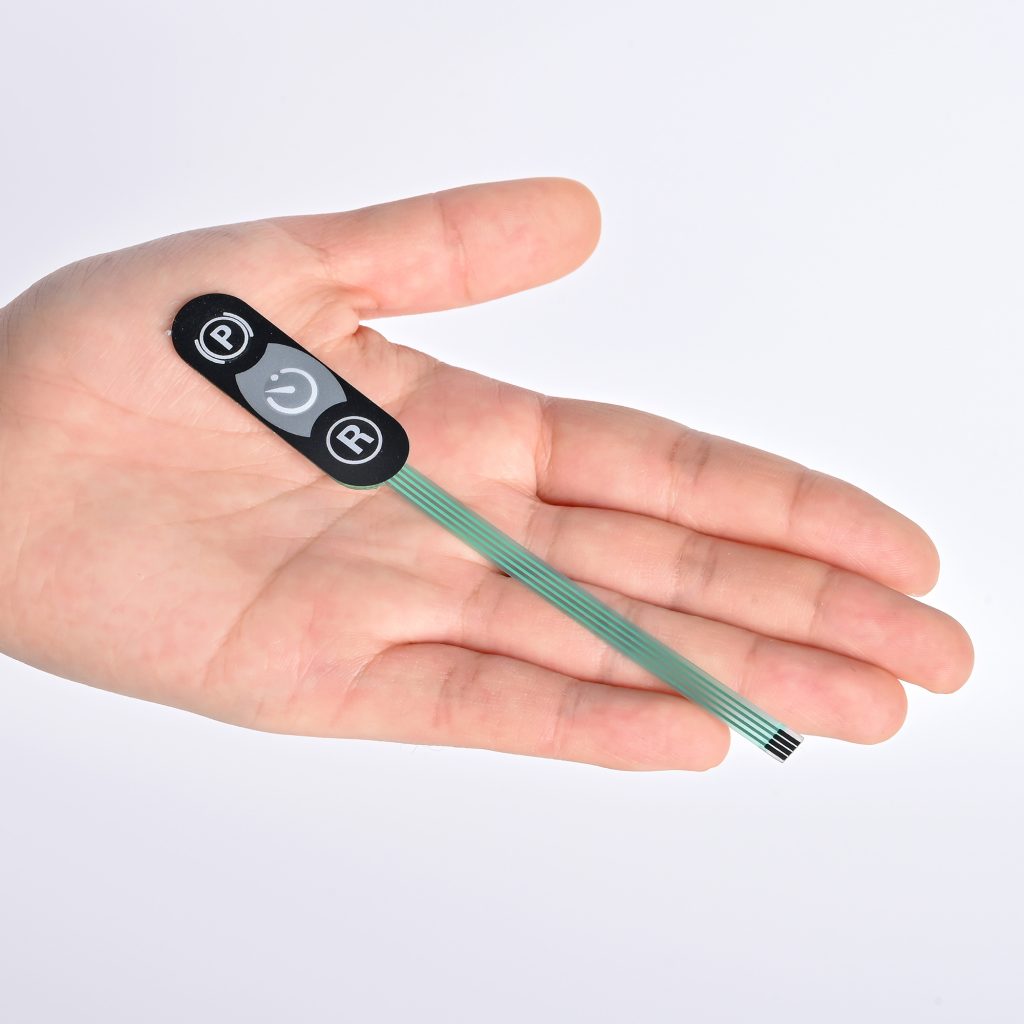
When a Distributor Might Still Make Sense
That said, working with a distributor is not always the wrong choice.
In some situations—such as standard products, very small quantities, or when local stock is needed quickly—a distributor can be more convenient.
However, for projects that involve customization, engineering input, or long-term production, working directly with a factory is generally more effective.
Working with a Factory-Direct Manufacturer
For OEM projects that require stable quality and reliable execution, working directly with a manufacturer can simplify the entire process.
BX-Panel (Xiamen XINBIXI Electronic Technology Co., Ltd.) has nearly a decade of experience in membrane switch manufacturing, supported by its own production facility and a dedicated team across engineering and production.
By operating as a factory-direct manufacturer, BX-Panel is able to maintain closer control over materials, processes, and quality standards, while also supporting customers during design and prototyping stages.
For many OEM clients, this direct collaboration helps reduce communication gaps and improve overall project efficiency.
Website: www.bx-panel.com
Email: [email protected]
Final Thoughts
For OEM buyers, sourcing decisions are not just about finding a supplier—they are about building a reliable production chain.
Working with a factory direct membrane switch partner provides better visibility into the manufacturing process, more effective communication, and stronger control over quality and timelines.
Over time, this level of control often determines whether a project runs smoothly—or runs into avoidable problems.