


Open your laptop and repeatedly open and close the screen. The wires connecting the motherboard to the screen, located inside the hinge, remain functional despite years of constant bending – a testament to flexible technology that rigid circuit boards simply cannot match. In smartphones, the wires connecting the camera module to the motherboard wind through a confined space, and the only suitable solution is a flexible printed circuit board (FPC).
Market research reports predict that the global printed electronics market will experience significant growth by 2032 (data source: Grand View Research market report summary). This growth is being redefined by the unique physical characteristics of FPCs.
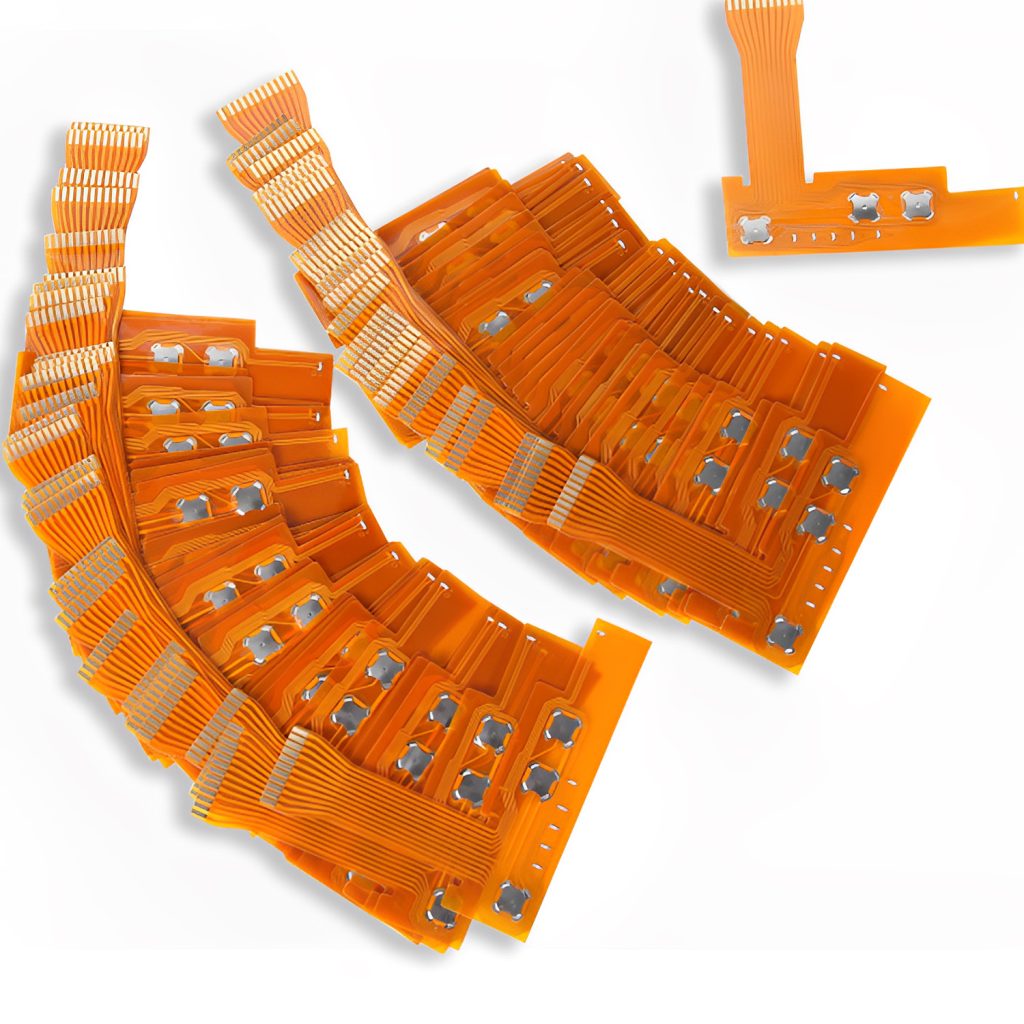
The limitations of traditional rigid printed circuit boards (PCBs) lie in their inability to bend. However, modern consumer electronics, automotive electronics, and emerging wearable devices have increasingly compact and irregularly shaped internal spaces, requiring circuits to be flexibly arranged in three dimensions.
Flexible electronics technology has therefore become a key development direction and is listed as one of the key future industries in China’s 15th Five-Year Plan. At the local level, China’s FPC industry has formed a multi-faceted cluster development. In addition to Yancheng in the Yangtze River Delta region, the southeastern coastal region, represented by Xiamen, has also established a large-scale, technologically advanced high-end flexible circuit board industry cluster, leveraging its strong consumer electronics manufacturing base and complete industrial chain support.
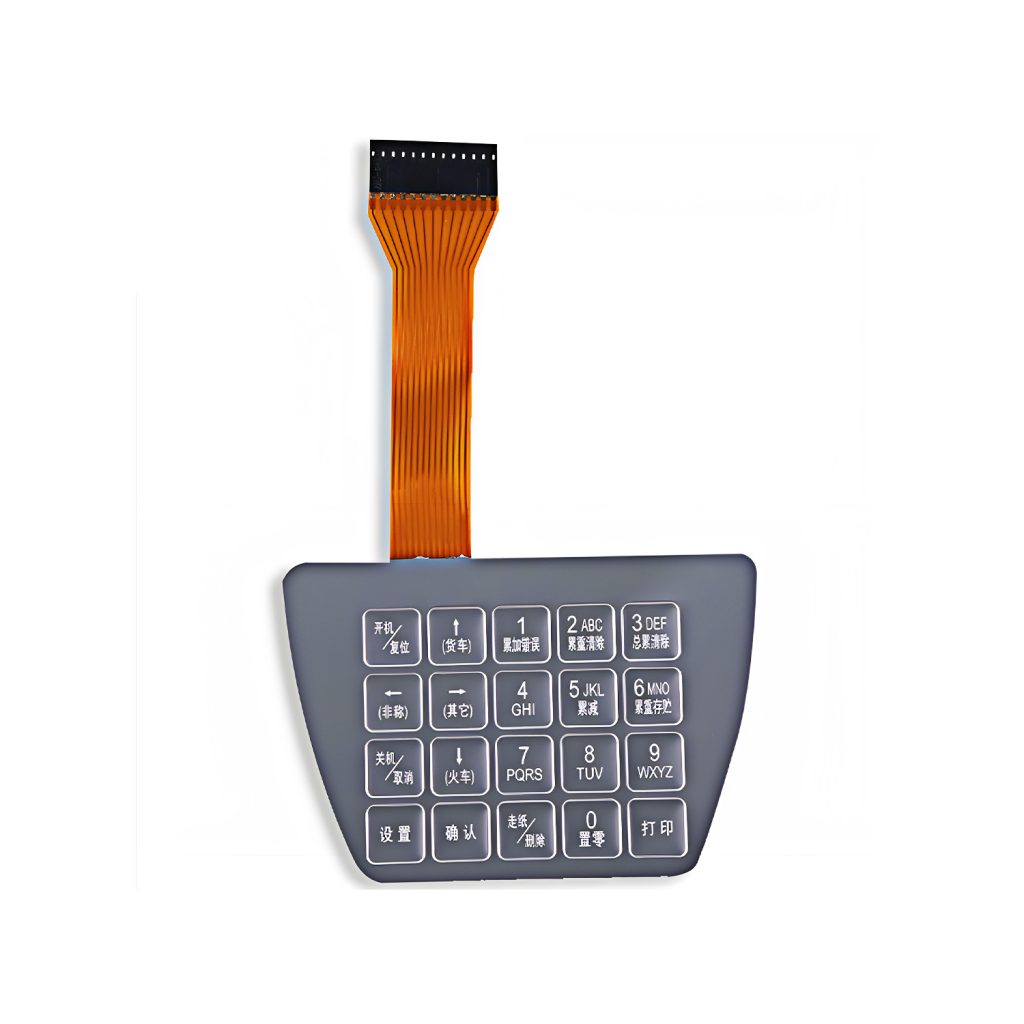
The flexibility of FPCs stems from innovations in materials and structure. The base material typically uses flexible films such as polyimide (PI), with a thickness of less than 0.1 millimeters. The conductive lines are formed using specially treated copper foil through a precision etching process.
More advanced designs employ a “island-bridge” structure to address stretchability requirements. A South Korean research institution has demonstrated a FPCB that can be three-dimensionally thermoformed at a specific temperature (technical case reference: relevant research abstract in Science Advances journal). Furthermore, the conductive materials themselves are also undergoing innovation, such as the exploration of silver flake-based conductive inks.
The ability to arrange circuits in three-dimensional space is the most significant advantage of FPCs. In the confined, non-planar spaces within smartphones, such as between the camera module, screen, and motherboard, FPCs are the only viable connection solution.
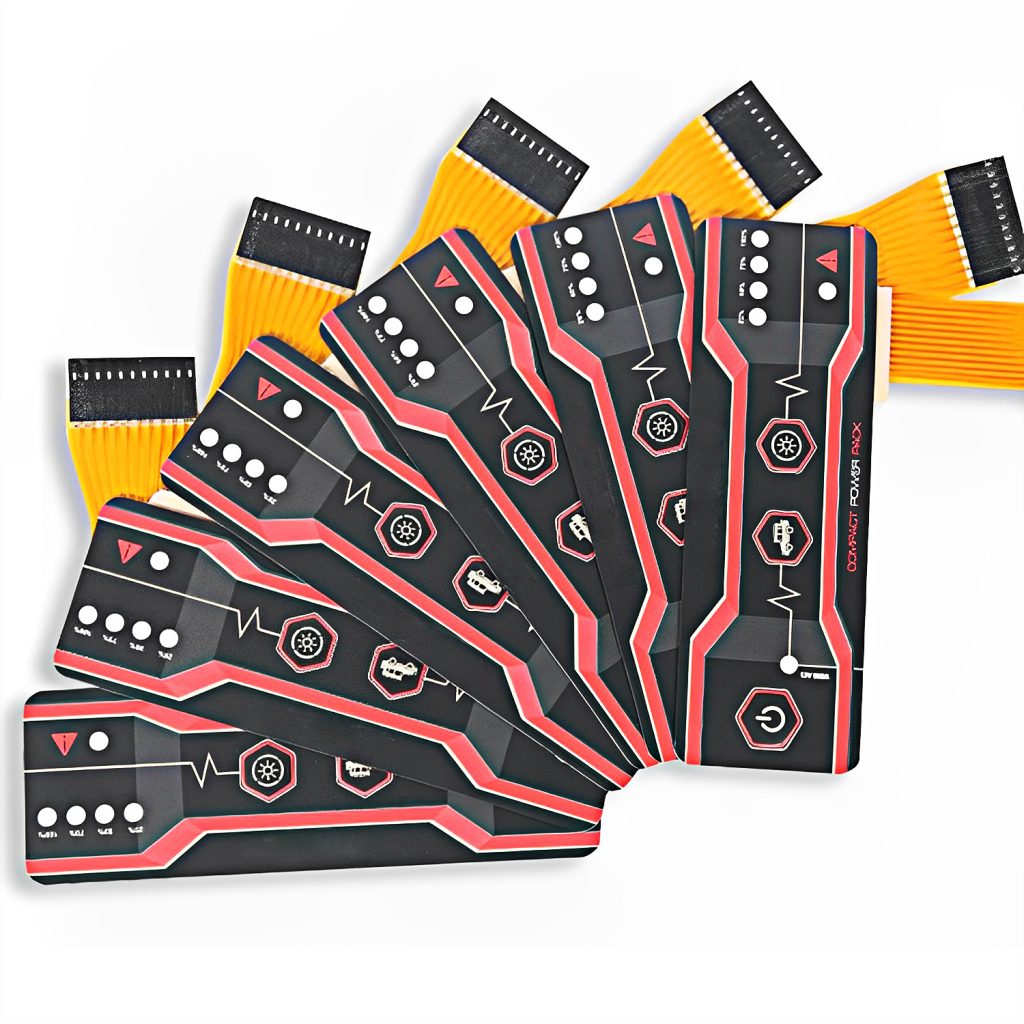
Dynamic reliability is another key strength. High-quality FPCs can withstand hundreds of thousands of repeated bends. This makes them ideal for applications such as laptop screen hinges, foldable phone hinges, and sensor connections in automotive transmissions.
Their lightweight and thin profile are also significant advantages. The overall thickness of an FPC can be around 0.1 millimeters or even thinner, which is crucial for weight-sensitive products such as drones and portable medical devices.
In the consumer electronics field, FPCs are the “neural network” of modern smartphones, and the rise of foldable phones has pushed their performance to the extreme. Automotive electronics is another major market for FPCs, where circuit connections for in-car displays and sensors need to adapt to complex spaces and vibration environments.
Medical and wearable devices are emerging fields. Companies like Murata Manufacturing have developed “stretchable circuit boards” using flexible materials, suitable for devices that attach to the body surface to collect biological information (technical case reference: Murata official technical news). Thin and lightweight circuit boards developed by American and Chinese researchers have already been conceptually proven to create “smart bandages.”
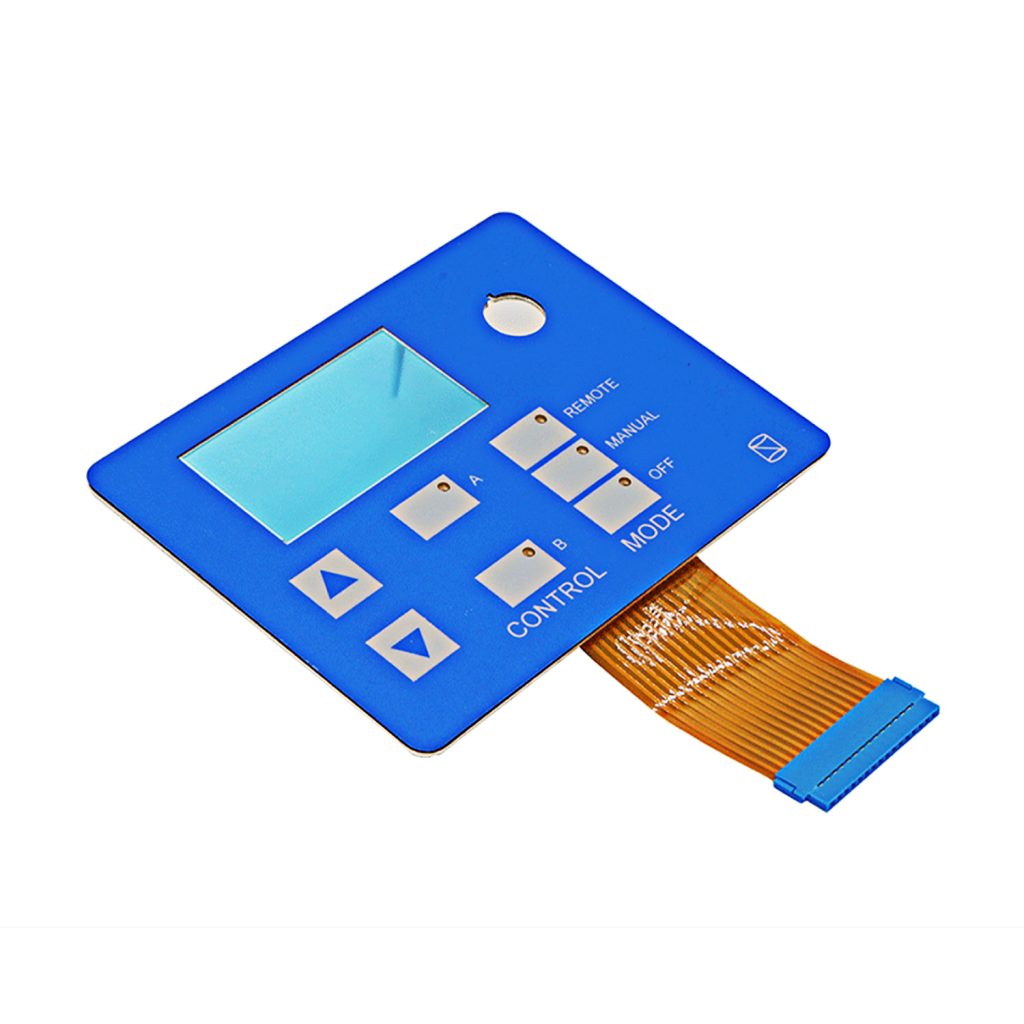
Facing market growth and technological advancements, XINBIXI Electronics Technology Co., Ltd., with over ten years of industry experience, has established a complete capability from R&D to mass production. The company owns physical factories and a professional team of hundreds of people, focusing on providing high-quality FPC products to customers in various industries.
In terms of technological development, XINBIXI continuously tracks the latest industry trends, such as the mass application of advanced technologies like HDI flexible circuit boards and rigid-flex PCBs. The company understands that in fields such as automotive and medical, the quality of electronic components is critical to safety, and therefore has established a strict quality control system.
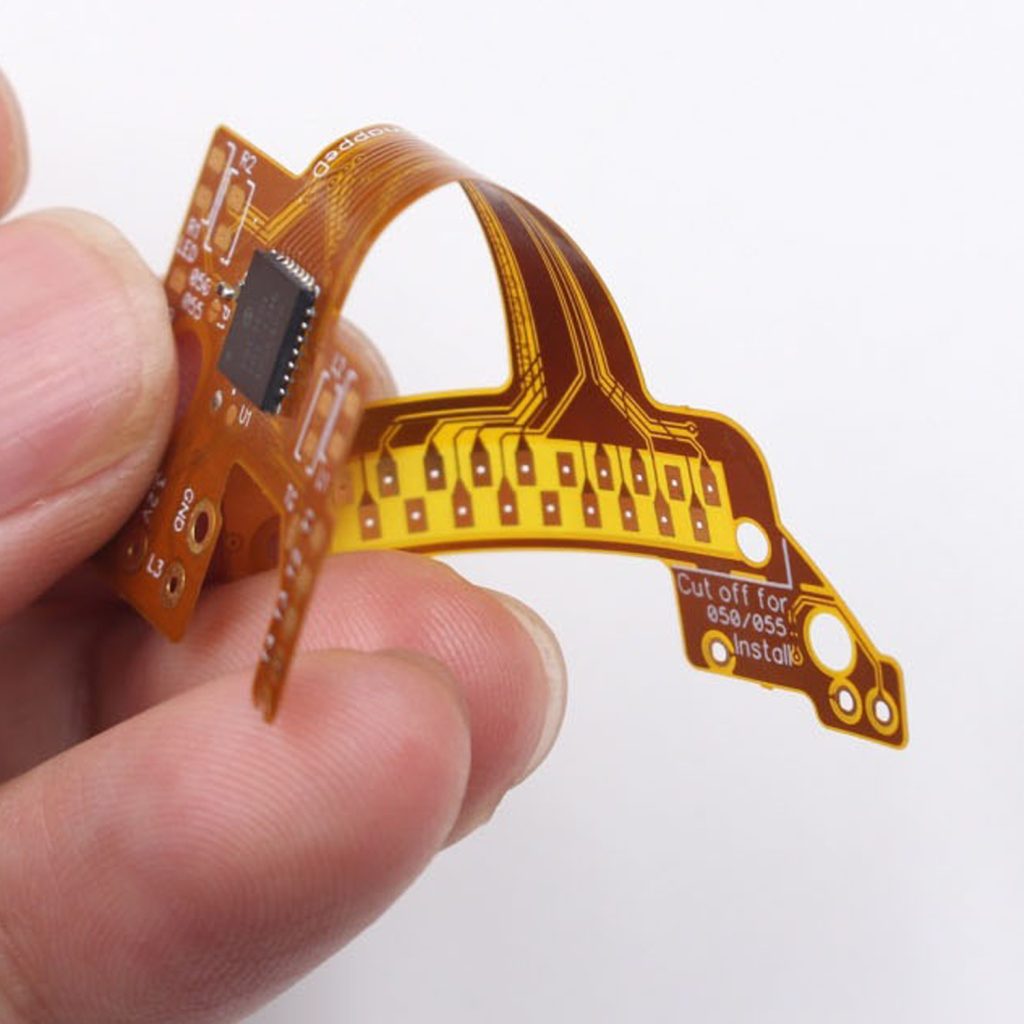
Flexible electronics technology will continue to drive innovative applications, such as more comfortable smart wearable devices and bendable displays. By 2025, the global printed electronics market size is expected to reach a considerable value (data source: Statista market forecast report).
In this wave of technological advancement, companies like XINBIXI Electronics, with their solid manufacturing capabilities and technological expertise, are providing fundamental support for the intelligent and lightweight transformation of various industries. We are committed to becoming a trustworthy supplier to our customers with stable quality and sufficient production capacity.
Contact:
Sales & Engineering Team
Bx-Panel (XINBIXI Electronics Technology Co., Ltd.)
Website: www.bx-panel.com
Email: [email protected]