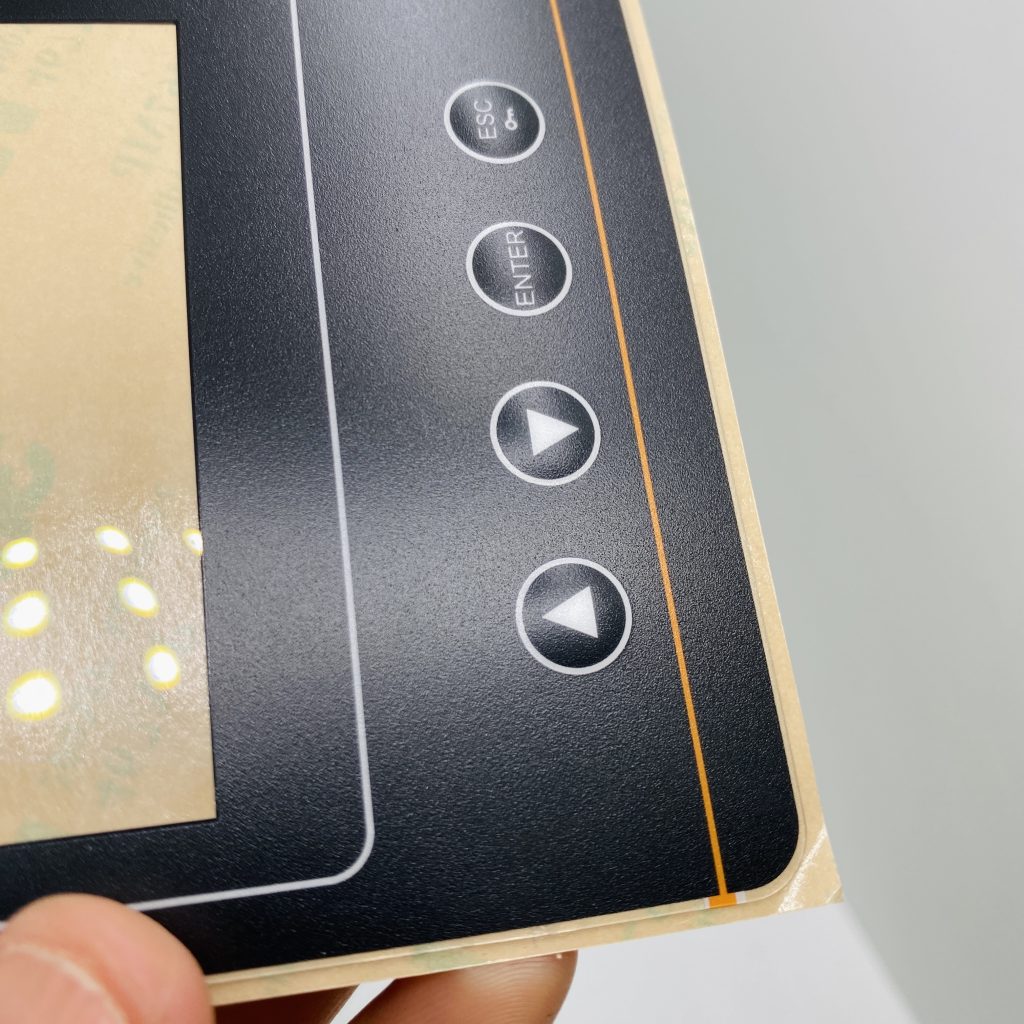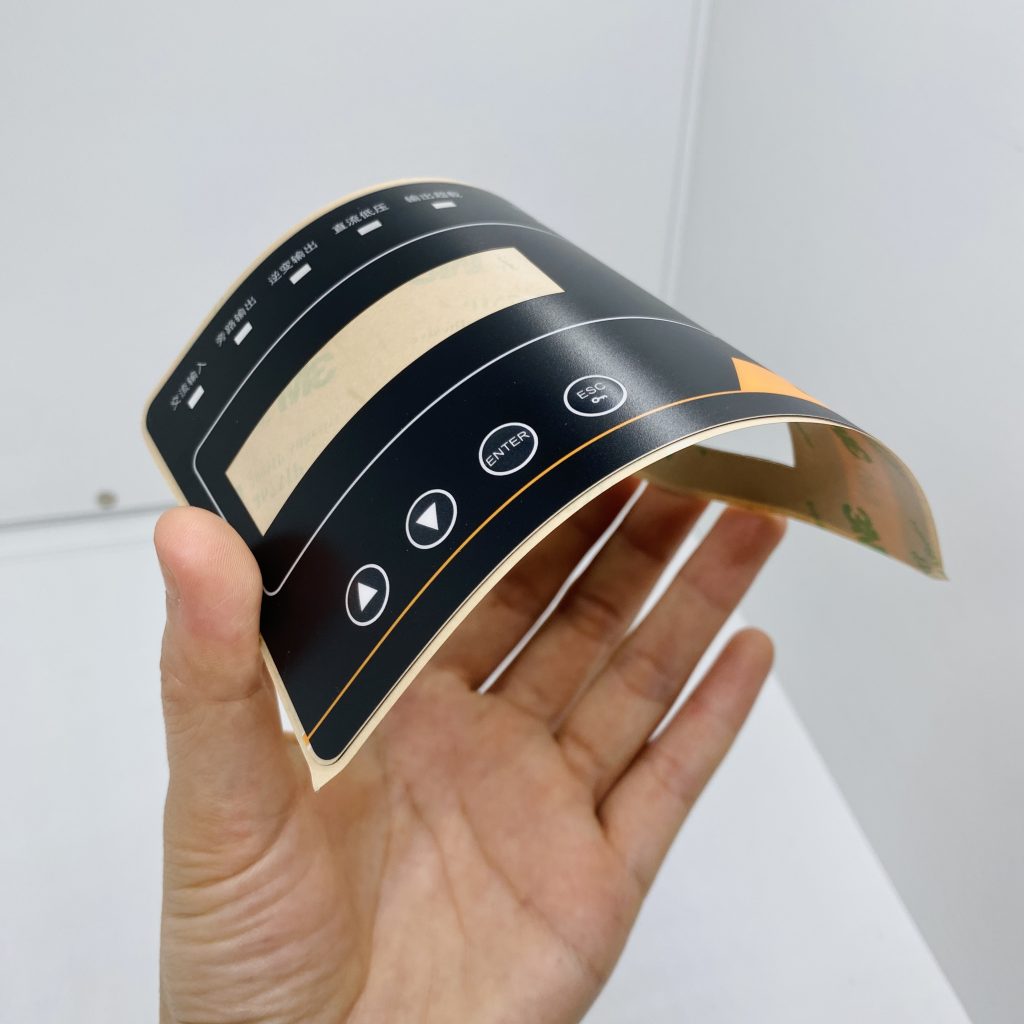



On a heavy manufacturing floor, a control panel’s visual appeal means absolutely nothing if the graphic overlay peels, cracks, or fades within a year.
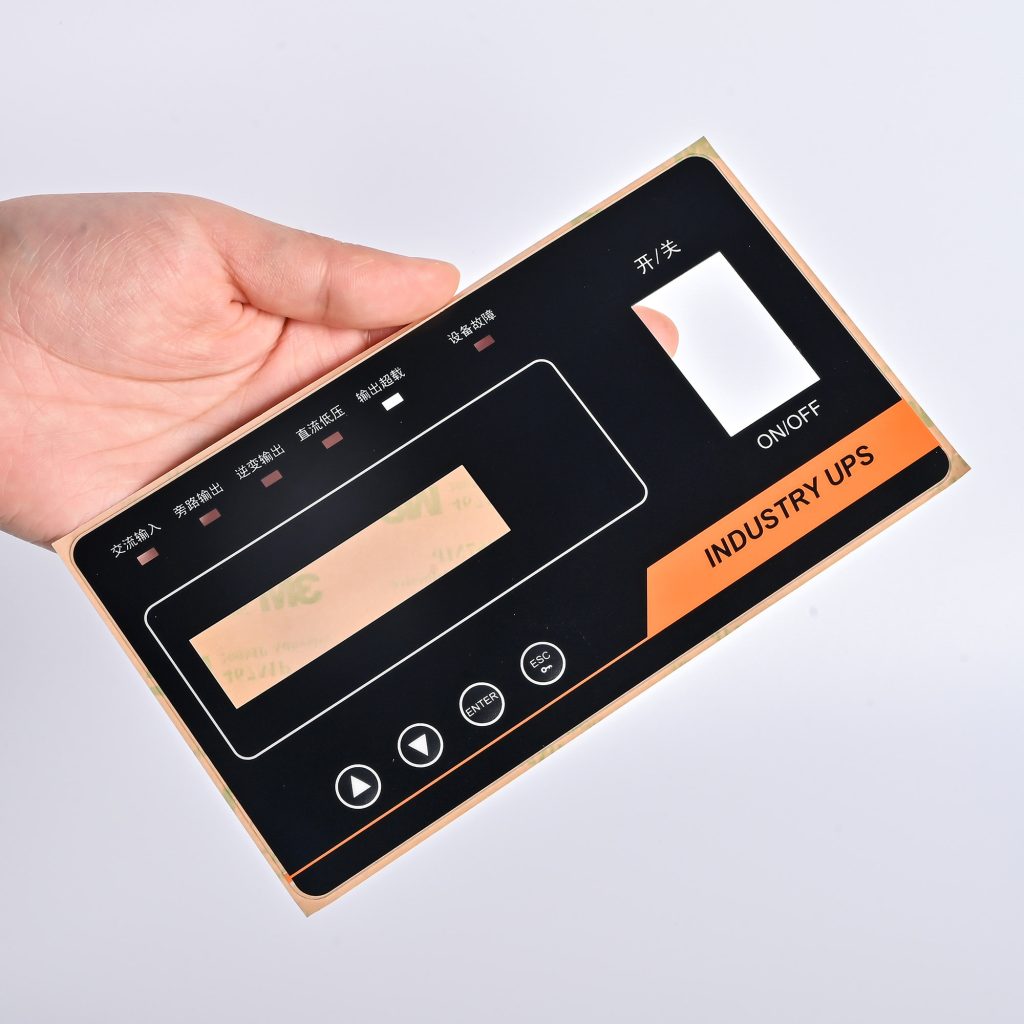
In the industrial sector, graphic overlays are not decorative stickers. They are the frontline defense for sensitive electronics (PCBs and membrane switches), the primary human-machine interface (HMI), and a critical safety component. Equipment in these environments faces relentless physical abuse, chemical washdowns, extreme temperature swings, and UV radiation.
For hardware engineers and procurement teams, prioritizing durability over aesthetics isn’t just about extending the product lifespan—it’s about preventing catastrophic machine downtime and reducing the total cost of ownership.
Here is an inside look at how source manufacturers engineer industrial graphic overlays to survive the harshest conditions.
1. The True Cost of Overlay Failure
A graphic overlay is the barrier between a rugged industrial environment and the delicate circuitry beneath. What happens when an OEM compromises on durability to save a few cents on the BOM (Bill of Materials)?
- Moisture and Chemical Ingress: A cracked overlay or failed adhesive seam allows cutting fluids, machine oils, or washdown chemicals to reach the PCB, causing immediate short circuits.
- Loss of Tactile Feedback: If the embossed buttons flatten or wear through, operators lose the physical confirmation required to safely operate machinery without looking away from their work.
- Safety Hazards: When UV exposure or chemical solvents fade critical warning labels and emergency stop (E-Stop) indicators, the equipment becomes a severe liability.
Safety and operational continuity always outweigh superficial flair. A minimalist, sleek design is useless if it cannot survive an IP67 washdown.
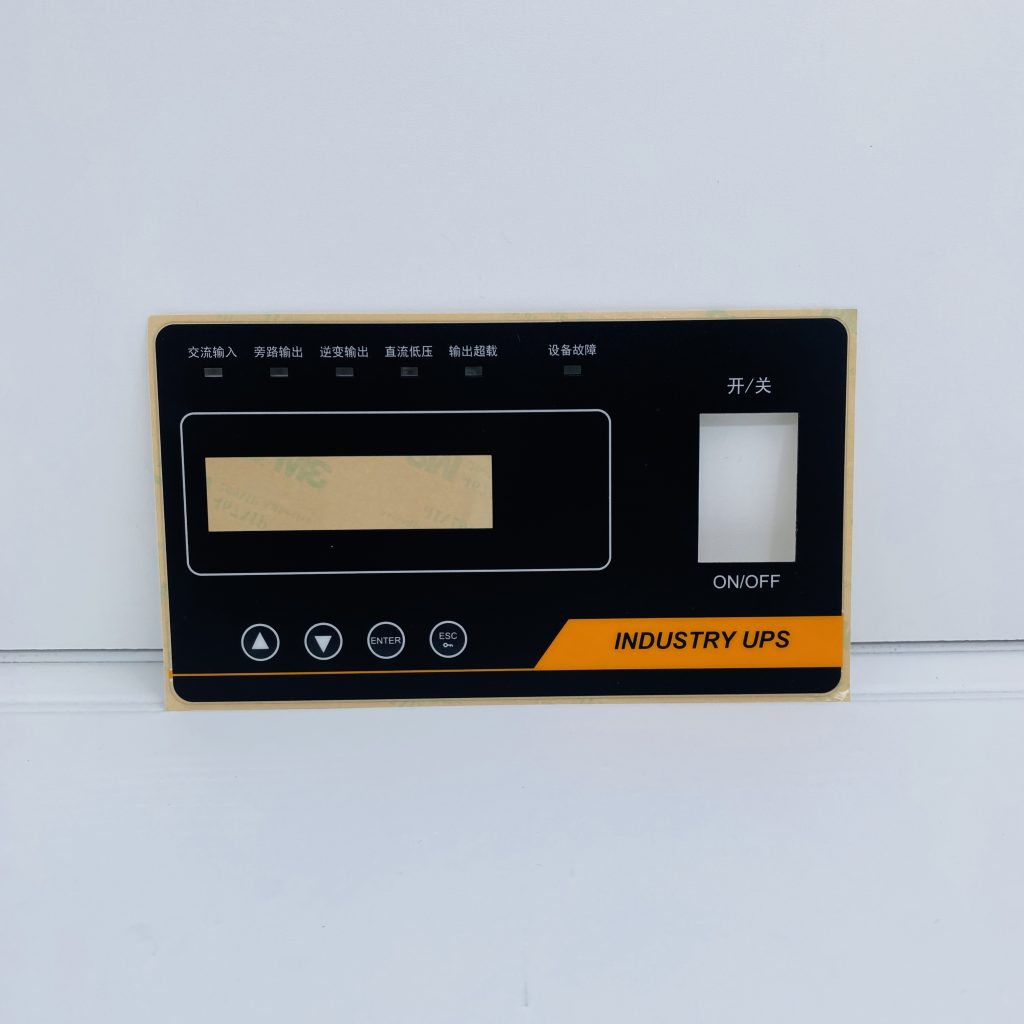
2. Material Selection: The Core of Industrial Resilience
Specifying the correct substrate material is the single most critical decision in DFM (Design for Manufacturability) for overlays. At the industrial level, the debate usually comes down to two heavyweights:
- Polycarbonate (PC) – The Impact Resistor: Polycarbonate is renowned for its outstanding optical clarity and impact resistance. It is the go-to choice for heavy-duty panels that might suffer blunt force impacts or require crystal-clear LED display windows. Engineering Note: Standard PC is susceptible to harsh solvents, so industrial-grade PC must be treated with a specialized hard-coat to resist chemicals and scratching.
- Polyester (PET) – The Flex & Chemical Champion: PET is the undisputed gold standard for membrane switch overlays. It boasts a phenomenal flex life (easily surpassing 1 million actuations without micro-fracturing) and possesses inherent resistance to a massive range of industrial chemicals, greases, and solvents.
- Why We Reject PVC for Heavy Industry: While Polyvinyl Chloride (PVC) is cheap and easy to print, it has no place in harsh industrial settings. It turns brittle in cold environments, degrades quickly under UV exposure, and lacks the flex life required for tactile buttons.
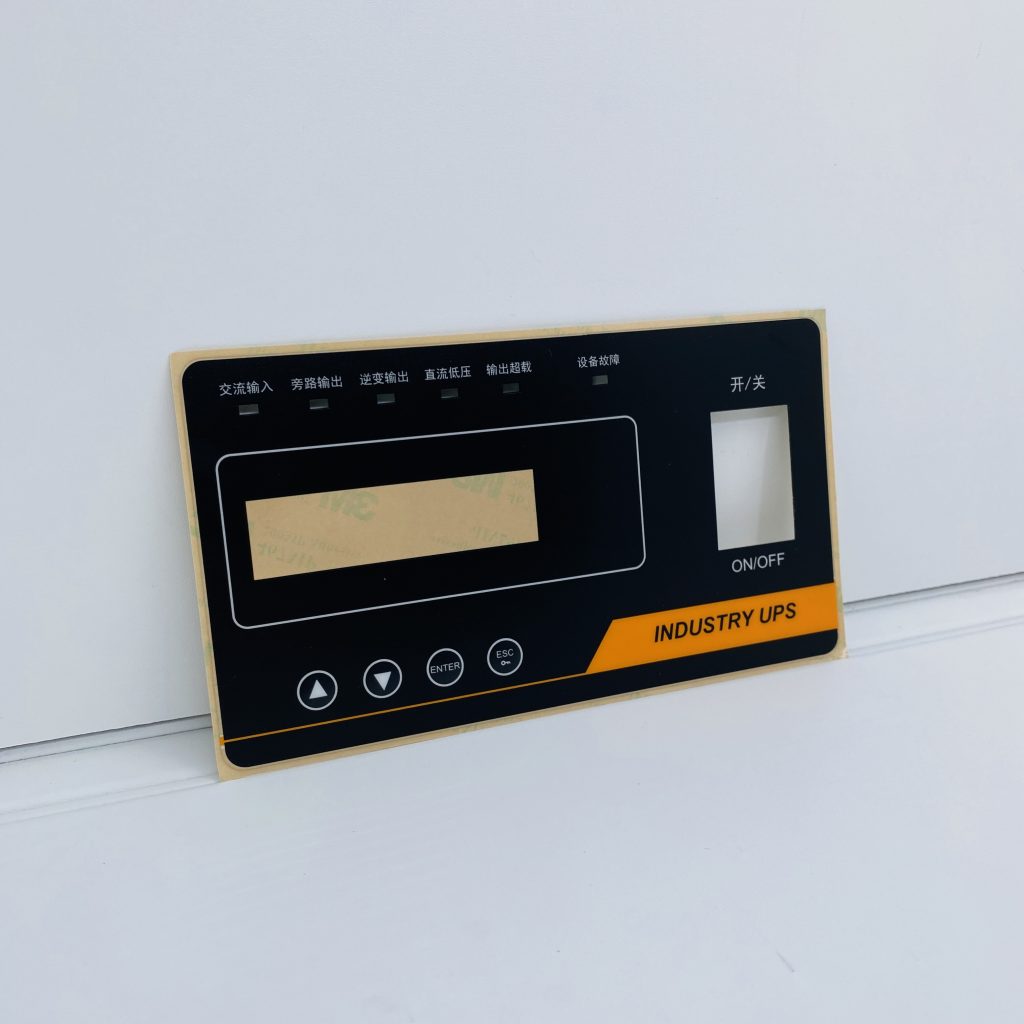
3. Engineering Against Environmental Stressors
Real-world industrial environments subject HMI panels to a gauntlet of stressors. A truly durable overlay requires a multi-layered engineering approach:
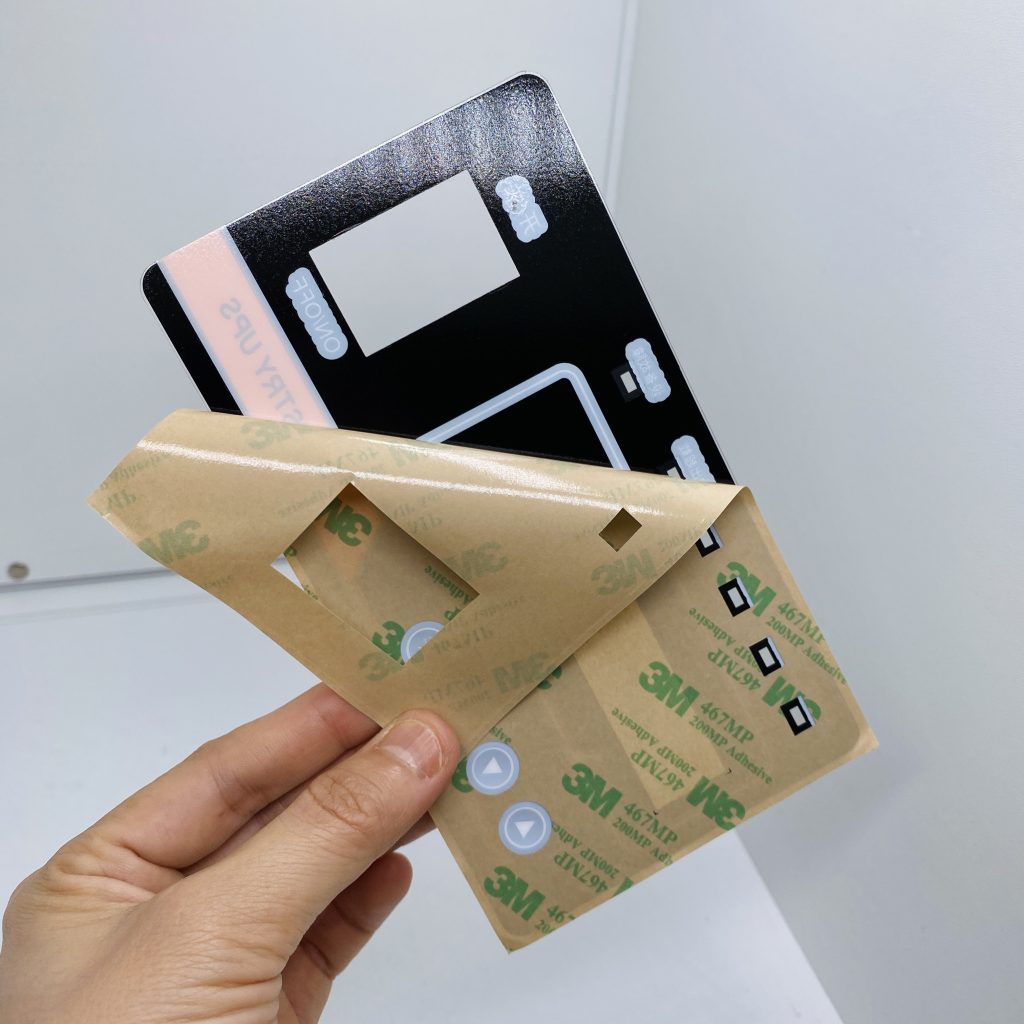
- Aggressive Adhesives for Extreme Temps: Standard double-sided tape will delaminate in high-heat factory settings or peel under high humidity. Industrial overlays require high-shear, heavy-duty acrylic adhesives (like the 3M 300LSE or 467MP series) specifically chosen to bond with the target housing material, whether it’s powder-coated metal or low-surface-energy (LSE) plastics.
- Sub-Surface Printing (Second-Surface): To prevent industrial abrasives or operators’ heavy work gloves from rubbing the ink off, all graphics must be printed on the underside of the clear substrate. The ink is permanently sandwiched between the plastic film and the adhesive, making it immune to surface wear.
- UV Stabilization: For outdoor equipment (like telecom enclosures or heavy agricultural machinery), UV radiation will yellow transparent windows and bleach inks. Using UV-resistant substrate variants and specialized outdoor ink formulations prevents premature degradation.
4. Can You Have Both? Balancing Durability and Design
Prioritizing durability does not mean industrial overlays have to be ugly. In fact, smart design enhances functionality without sacrificing toughness.
High-contrast color schemes improve readability in low-light factory corners. Anti-glare matte finishes prevent blinding reflections from overhead warehouse lights. Precision embossing provides distinct tactile zones for operators wearing thick safety gloves. The secret is embedding these ergonomic and aesthetic choices within the boundaries of a rugged material stack-up.
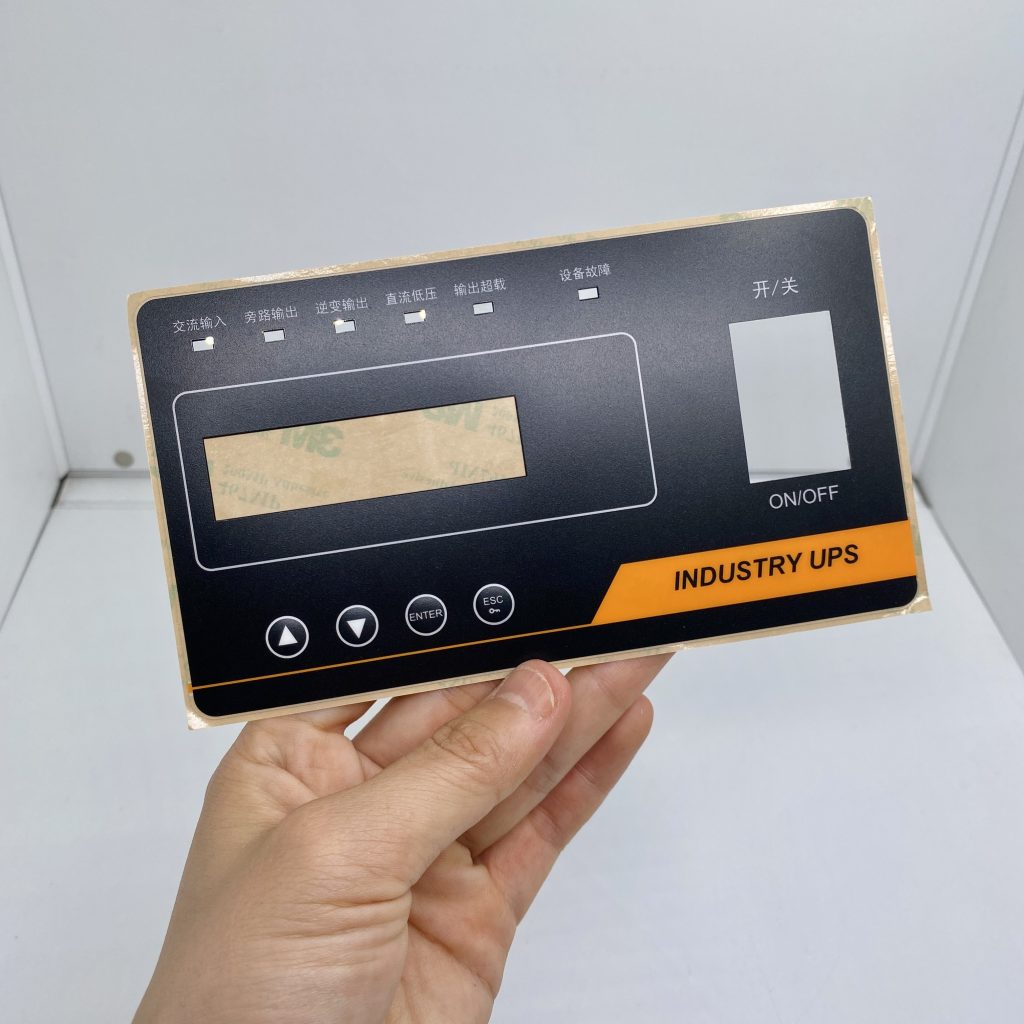
The BX-PANEL OEM Advantage
When machine failure is not an option, BX-PANEL (Xiamen XINBIXI Electronic Technology Co., Ltd.) delivers solutions engineered to outlast the equipment itself.
With nearly a decade of source-manufacturing experience, our 3,000㎡ vertically integrated facility controls every variable of the overlay production process—from custom ink matching and screen printing to precision CNC die-cutting and cleanroom lamination.
We do not believe in one-size-fits-all solutions. Whether your project requires an IP67-rated PET overlay for a marine engine diagnostic tool, or a hard-coated polycarbonate interface for CNC machinery, our engineers work directly with your BOM requirements to specify the exact material stack-up needed.
Stop letting failed control panels ruin your equipment’s reputation in the field.
Connect with our engineering team for a project evaluation:
- 🌐 Website: www.bx-panel.com
- 📧 Engineering Consultation: [email protected]