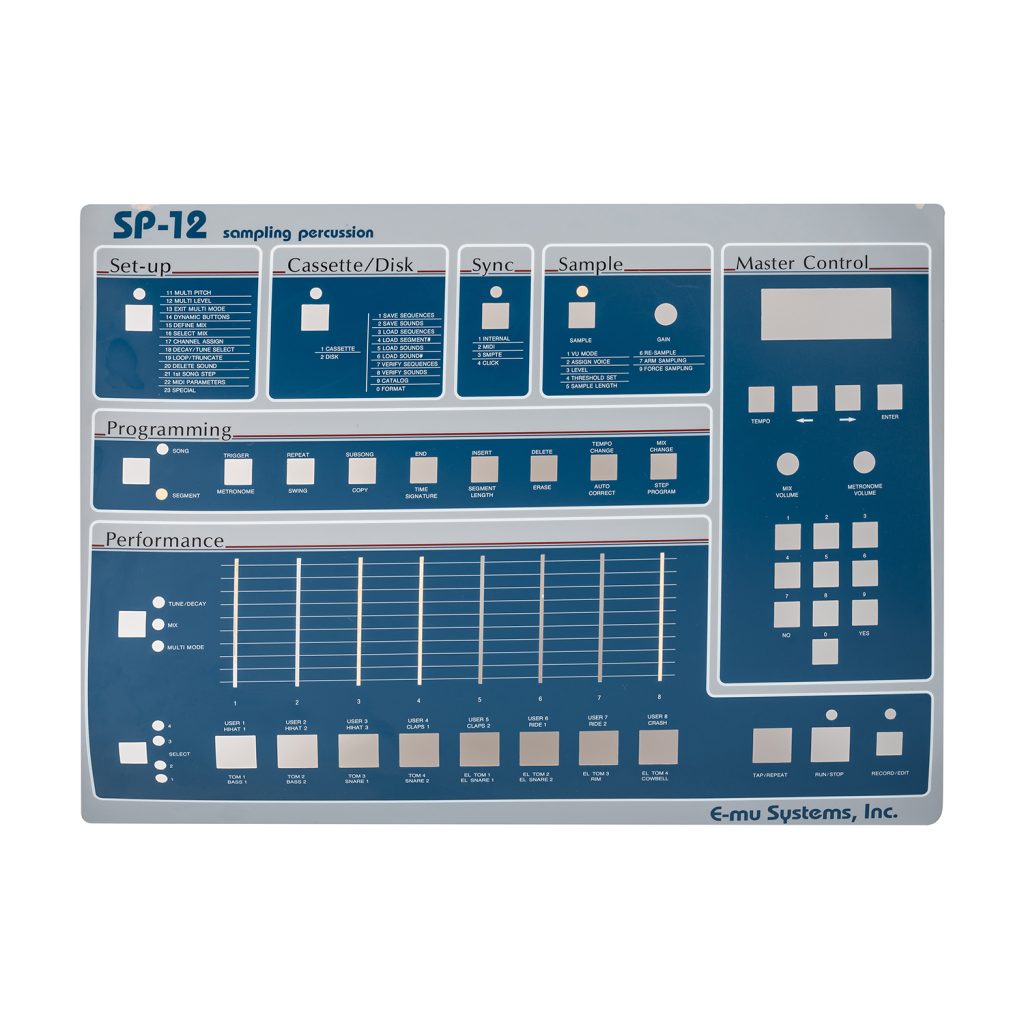



In consumer electronics, a peeling control panel is a minor annoyance. In a clinical setting, a failing graphic overlay on a diagnostic machine or surgical device is a critical contamination risk and a direct path to a regulatory audit.
For medical hardware engineers, the graphic overlay is not merely a decorative label. It is the primary human-machine interface (HMI), a sterile barrier against fluid ingress, and a crucial component in maintaining FDA and international compliance.
Designing an overlay for the healthcare sector requires abandoning standard commercial specifications. Here is the engineering breakdown of what it actually takes to manufacture a reliable medical device overlay.
1. Surviving the Hospital Wipe-Down: The Material Selection
Medical environments are brutally harsh on plastics. Equipment is subjected to daily, aggressive cleaning protocols using heavy disinfectants, including isopropyl alcohol, bleach solutions, and quaternary ammonium compounds.
A common mistake in procurement is specifying standard Polycarbonate (PC) for medical overlays because of its impact resistance. However, untreated polycarbonate is highly susceptible to Environmental Stress Cracking (ESC) when exposed to hospital-grade chemicals. Within months, a PC overlay will become hazy, brittle, and eventually shatter.
The Engineering Standard: For medical applications, Hard-Coated Polyester (PET) is the mandatory substrate. PET offers superior tensile strength and extreme chemical resistance. When treated with an antimicrobial or textured hard-coat, it withstands thousands of cleaning cycles and UV sterilization without fading, yellowing, or structural degradation.
2. Regulatory Compliance and Traceability
Medical device manufacturing operates under zero-tolerance regulatory frameworks, such as ISO 13485 and FDA guidelines. The overlay plays a direct role in this compliance.
Critical operating instructions, warnings, and Unique Device Identification (UDI) codes cannot wear off over the product’s lifespan.
The Engineering Standard: All critical graphics and legends must be sub-surface printed (second-surface printing). By printing the ink on the underside of the clear PET film, the graphics are physically encapsulated between the plastic substrate and the adhesive layer. No amount of surface abrasion or chemical scrubbing will ever degrade the visibility of the control layout.
3. Fluid Ingress and IP-Rated Sealing
Blood, saline, ultrasonic gel, and liquid disinfectants are constant threats in operating rooms and clinics. If capillary action draws liquid beneath the edge of an overlay, it will short-circuit the underlying PCB or membrane switch dome array.
The Engineering Standard: A medical overlay must be engineered as a sealed system, typically targeting IP65 or IP67 ratings. This requires migrating away from standard foam tapes and utilizing medical-grade, high-shear acrylic adhesives (such as specialized 3M series). Furthermore, the design should incorporate continuous perimeter sealing and, if necessary, edge-wrapping techniques to eliminate exposed adhesive seams where bacterial growth or fluid pooling could occur.
4. Tactile Safety and Intuitive UI/UX
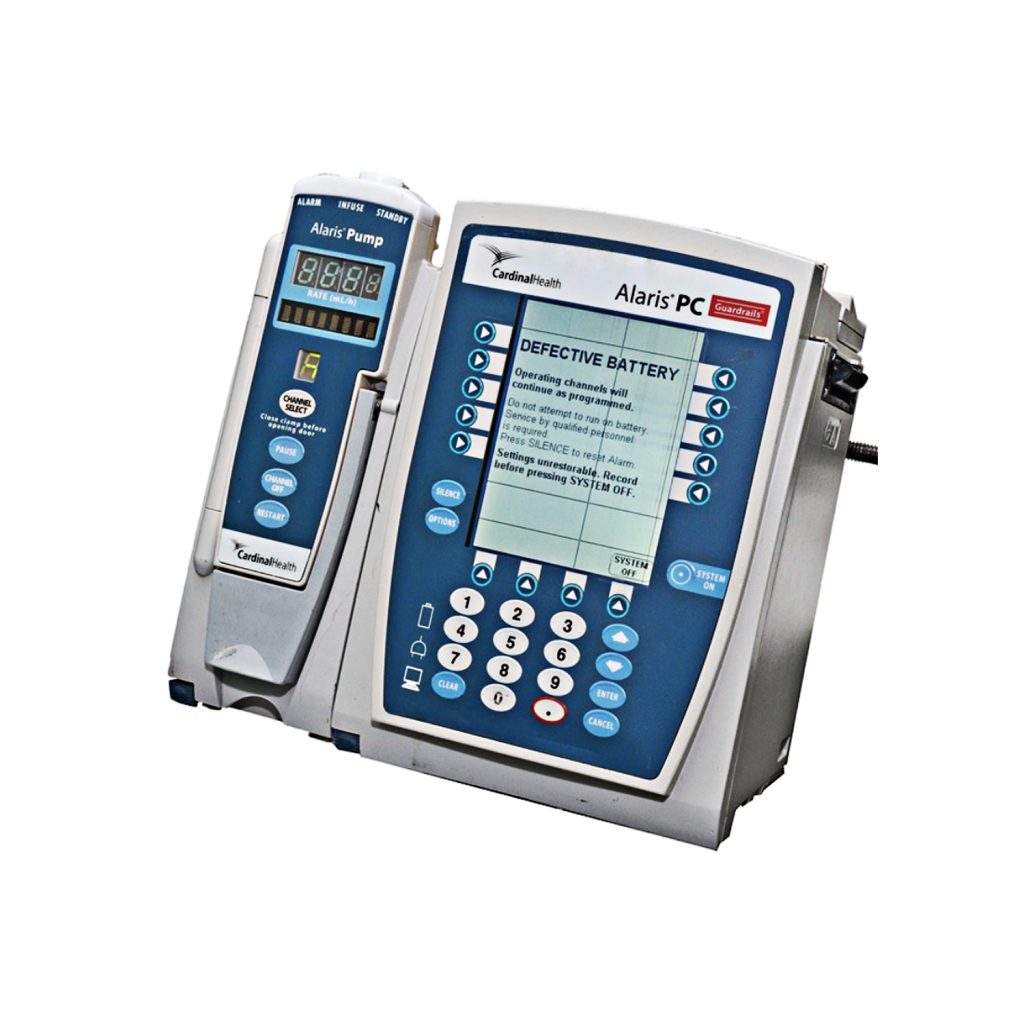
In emergency rooms or high-stress surgical environments, operators do not have the time to look down and search for a flat button. They are often wearing double latex gloves, reducing their tactile sensitivity.
The Engineering Standard: Medical overlays must integrate physical feedback into the flat surface. This is achieved through precision rim embossing or pillow embossing over the active key areas. This tactile boundary allows a gloved operator to locate a critical function purely by touch. Additionally, incorporating “Dead Front” backlit graphics—where a warning light or icon remains completely invisible until illuminated from behind—helps prevent cognitive overload, ensuring doctors only see critical alerts when they actually happen.
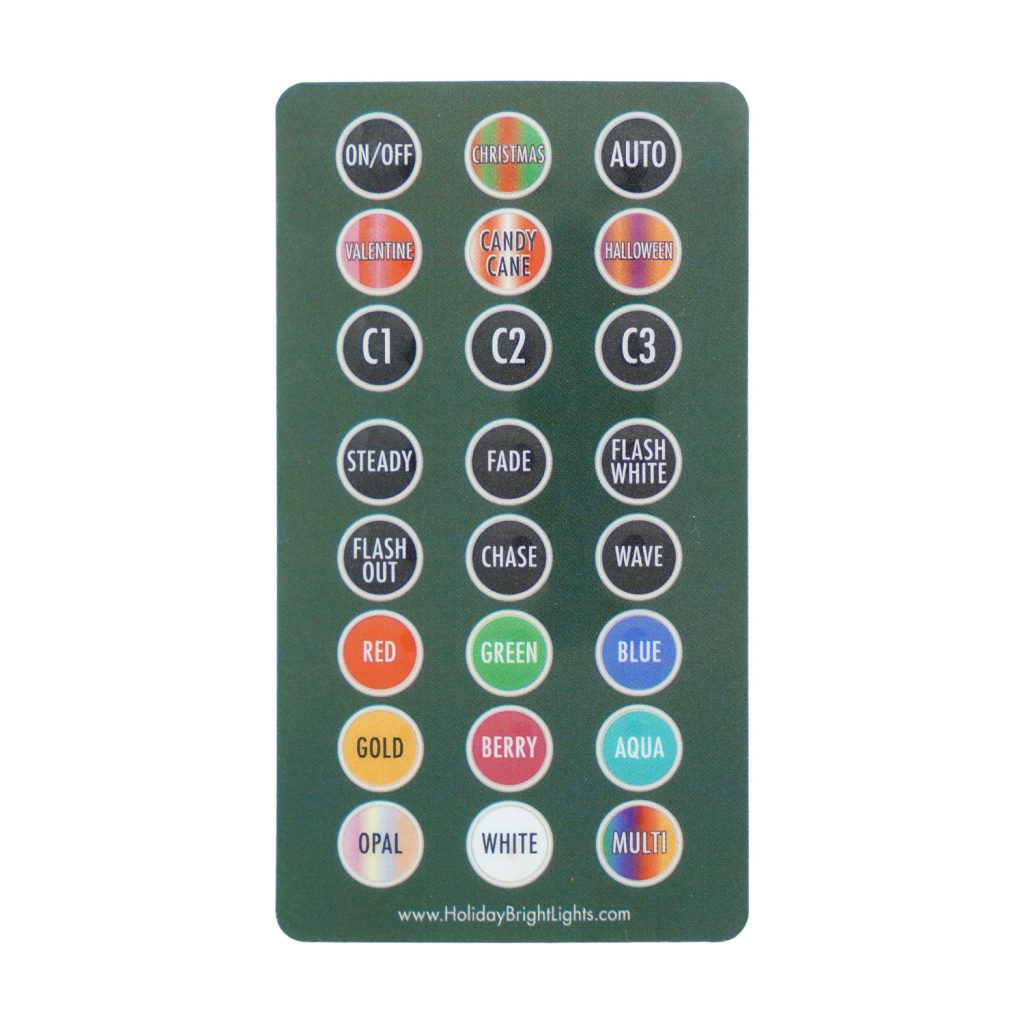
Precision Manufacturing is the Only Safeguard
Designing a medical-grade graphic overlay is a complex exercise in material science and process control. You cannot assemble a compliant medical interface by outsourcing printing to one shop and die-cutting to another.
At Xiamen XINBIXI Electronic Technology Co., Ltd. (BX-PANEL), we understand that medical equipment manufacturers require absolute traceability and uncompromising quality. Operating a 3,000㎡ vertically integrated manufacturing facility, our team of over 100 skilled technicians controls every variable in-house—from custom ink formulation and clean-room lamination to CNC precision die-cutting.
We don’t just print overlays; we engineer robust interface solutions that help medical OEMs pass strict regulatory testing and perform flawlessly in the field.
Developing a new medical device? Partner with a source manufacturer equipped for the healthcare industry.
- 🌐 Website: www.bx-panel.com
- 📧 Engineering Consultation: [email protected]