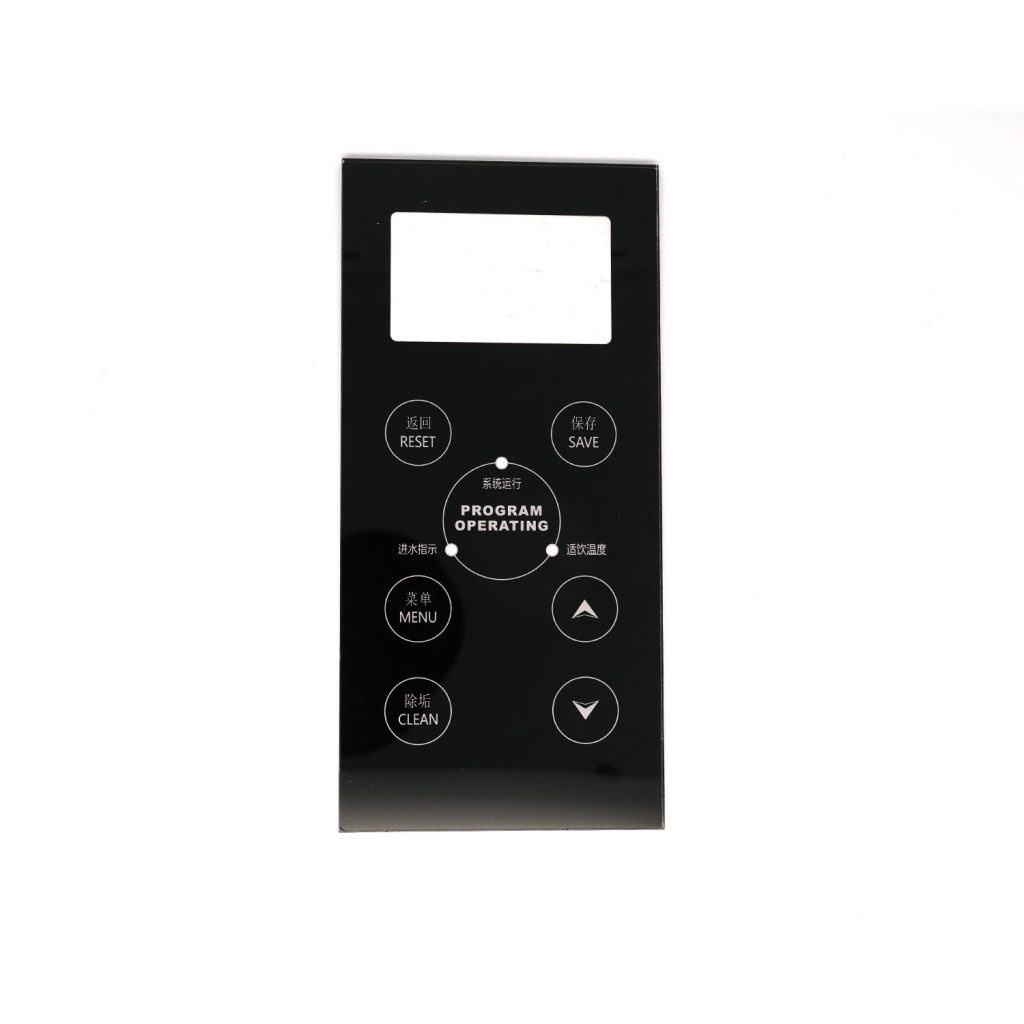
In the industrial manufacturing sector, applying an indoor-grade graphic overlay to an outdoor control panel is a guaranteed recipe for field failure. Yet, many procurement teams still specify standard polycarbonate and basic acrylic adhesives for agricultural machinery, marine dashboards, or outdoor kiosks, expecting them to survive.
Why do some control panels look pristine after five years in direct sunlight, while others crack, yellow, and peel within six months? The answer rarely lies in a sudden manufacturing defect; it is almost always rooted in a failure to engineer the Bill of Materials (BOM) for specific environmental stressors.
Designing an outdoor graphic overlay or membrane switch is not a simple printing job—it is a rigorous exercise in material science. Here are the five critical environmental factors that dictate the lifespan of an outdoor interface, and how experienced manufacturers engineer around them.
1. UV Radiation: The Molecular Degrader
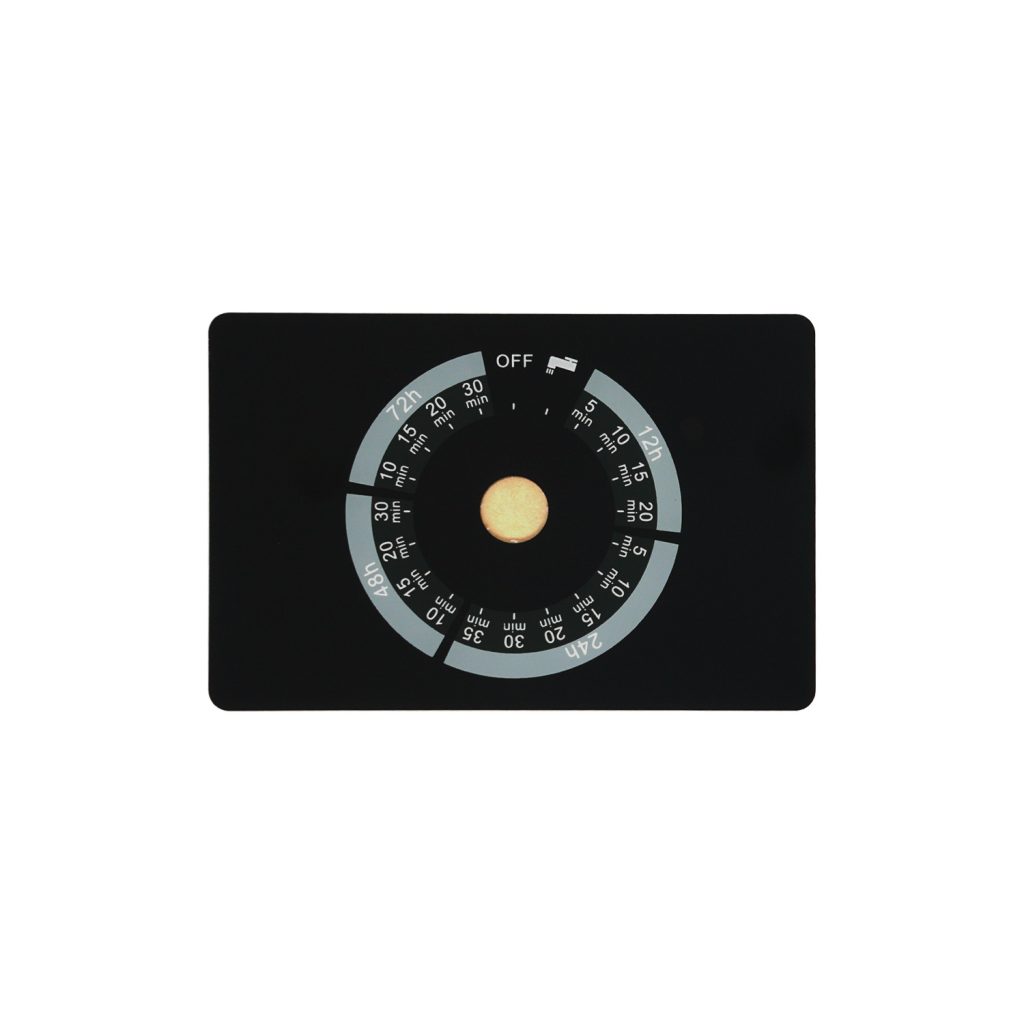
The most visible failure mode in outdoor overlays is fading and severe yellowing, caused primarily by prolonged exposure to Ultraviolet (UV) radiation. However, the damage extends far beyond aesthetics; UV breaks down the polymer chains of the plastic itself.
Standard untreated polycarbonate (PC) and polyester (PET) will quickly become embrittled under the sun. This leads to micro-cracking across the surface, which subsequently opens microscopic pathways for moisture to bypass the waterproof seal and short-circuit the underlying PCBA.
The Engineering Fix: For outdoor applications, specifying a substrate with a co-extruded UV cap layer (such as specialized UV grades of Lexan™ or Makrolon®) is non-negotiable. Furthermore, standard screen-printing inks will bleach out within 12 to 18 months outdoors. The manufacturing process must utilize highly pigmented, UV-cured, or specialized epoxy inks for sub-surface (second-surface) printing, ensuring the graphic layer is physically shielded by the UV-resistant plastic above it.
2. Thermal Shock: Managing CTE Mismatch
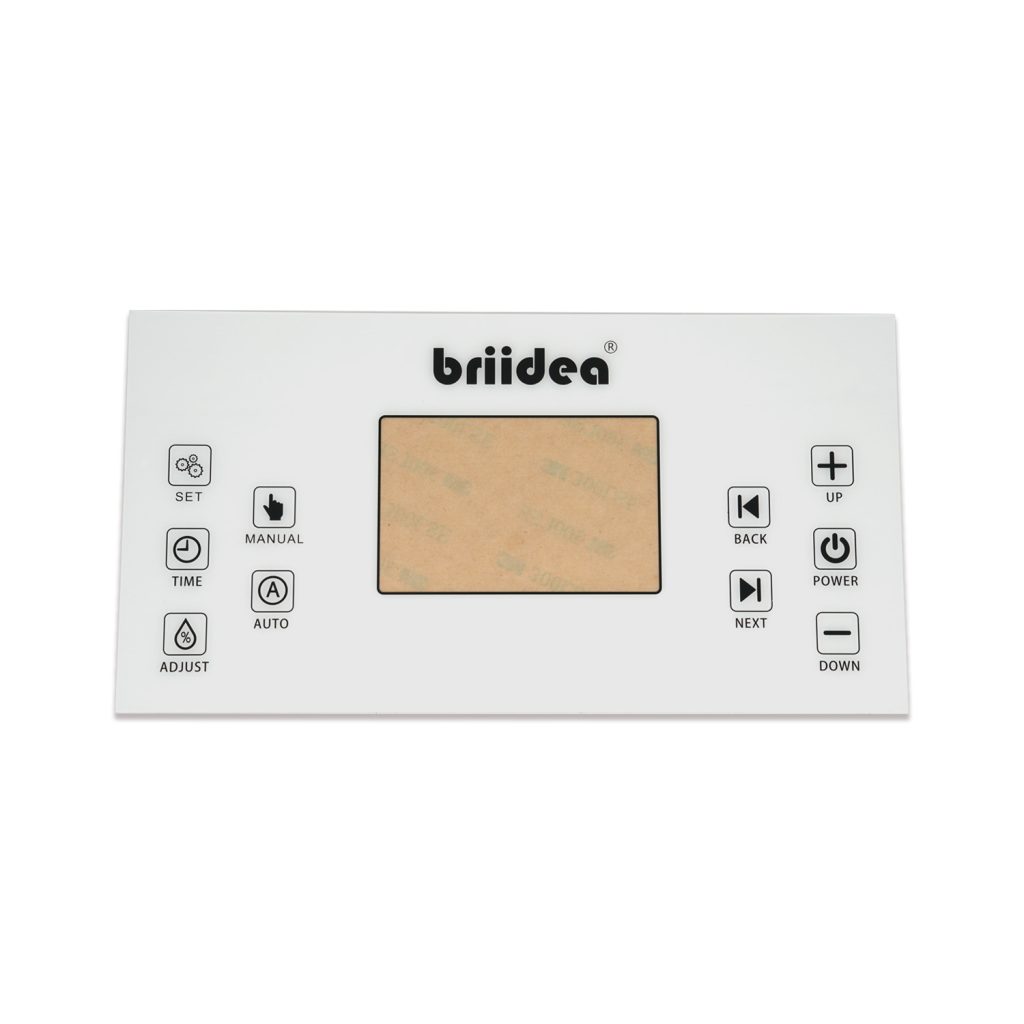
Outdoor enclosures experience brutal temperature swings—dropping below freezing at night and baking to over 60°C (140°F) in direct midday sun. These rapid fluctuations expose a hidden mechanical killer: the Coefficient of Thermal Expansion (CTE) mismatch.
The plastic overlay expands and contracts at a vastly different rate than the aluminum or stainless steel housing it is bonded to. This constant push-and-pull creates severe shear stress on the adhesive layer, inevitably leading to “tunneling” (air bubbles forming under the center of the panel) and edge delamination.
The Engineering Fix: Standard rubber-based adhesives will fail under this dynamic stress. Engineers must specify high-tack, high-shear acrylic adhesives (such as the 3M™ 300LSE or 468MP series) that possess the cohesive strength to absorb thermal movement without losing their mechanical grip on low-surface-energy powder coats or metals.
3. Moisture Ingress and Capillary Action
Waterproofing an outdoor panel is not just about repelling rain from the top surface; it is about securing the microscopic interface between the overlay and the equipment housing. Capillary action will actively draw standing water or morning dew into any microscopic gap at the edge of the panel.
The Engineering Fix: For applications demanding an IP65 or IP67 rating, edge geometry is critical. The design must incorporate rounded corners to diffuse peeling stress. For high-humidity environments, tactile membrane switches must feature maze-routed internal venting. This allows the air displaced by a button press to circulate internally without breaching the outer waterproof seal, simultaneously preventing internal condensation fogging behind display windows.
4. Chemical Warfare: Environmental Stress Cracking (ESC)
Outdoor equipment doesn’t just face weather; it faces aggressive maintenance protocols. Heavy machinery is frequently blasted with pressure washers using harsh industrial detergents, or exposed to hydraulic fluid leaks, ammonia, and saltwater spray.
Standard polycarbonate is highly susceptible to Environmental Stress Cracking (ESC) when exposed to strong degreasers or solvents, causing the material to shatter under its own molded tension.
The Engineering Fix: If chemical resistance is a higher priority than extreme impact resistance, Hard-Coated Polyester (PET) is often the superior substrate. PET is naturally resistant to a wide array of industrial solvents that would otherwise destroy polycarbonate. To prevent abrasive dirt and chemicals from lodging in the surface, the topcoat should specify a pencil hardness of 3H or higher.
5. Mechanical Abrasion and Tactile Degradation
Outdoor overlays are subjected to constant physical abuse: wind-blown sand, ice scraping, and operators pressing buttons with heavy, soiled work gloves. Over time, the clear window positioned over an LCD or LED display will become heavily scratched and hazy, rendering the screen unreadable.
The Engineering Fix: Premium manufacturers employ Selective Texturing. By applying a durable, glare-reducing matte hard-coat to the background, while leaving a perfectly clear, scratch-resistant polished window for the display, the panel maintains both durability and optical clarity. Additionally, utilizing rim embossing around the tactile keys provides a distinct physical boundary, allowing gloved operators to locate buttons accurately without looking.
The BX-PANEL Manufacturing Standard
Designing a high-reliability outdoor control panel is a systems engineering task. It requires balancing optical clarity with chemical resistance, UV stability, and aggressive adhesive performance.
At Xiamen XINBIXI Electronic Technology Co., Ltd. (BX-PANEL), we do not leave outdoor reliability to chance. With over a decade of deep manufacturing expertise and a fully equipped production facility, our engineering team conducts rigorous Design for Manufacturing (DFM) reviews on every project.
From selecting the precise grade of UV-capped polycarbonate to engineering maze-vented IP67 adhesive stacks, we control the entire material science process in-house. We build interfaces designed to survive the environments where standard labels fail.
Evaluating a new outdoor hardware project? Partner with a source manufacturer that understands the science of survival.
- 🌐 Website: www.bx-panel.com
- 📧 Engineering Support: [email protected]