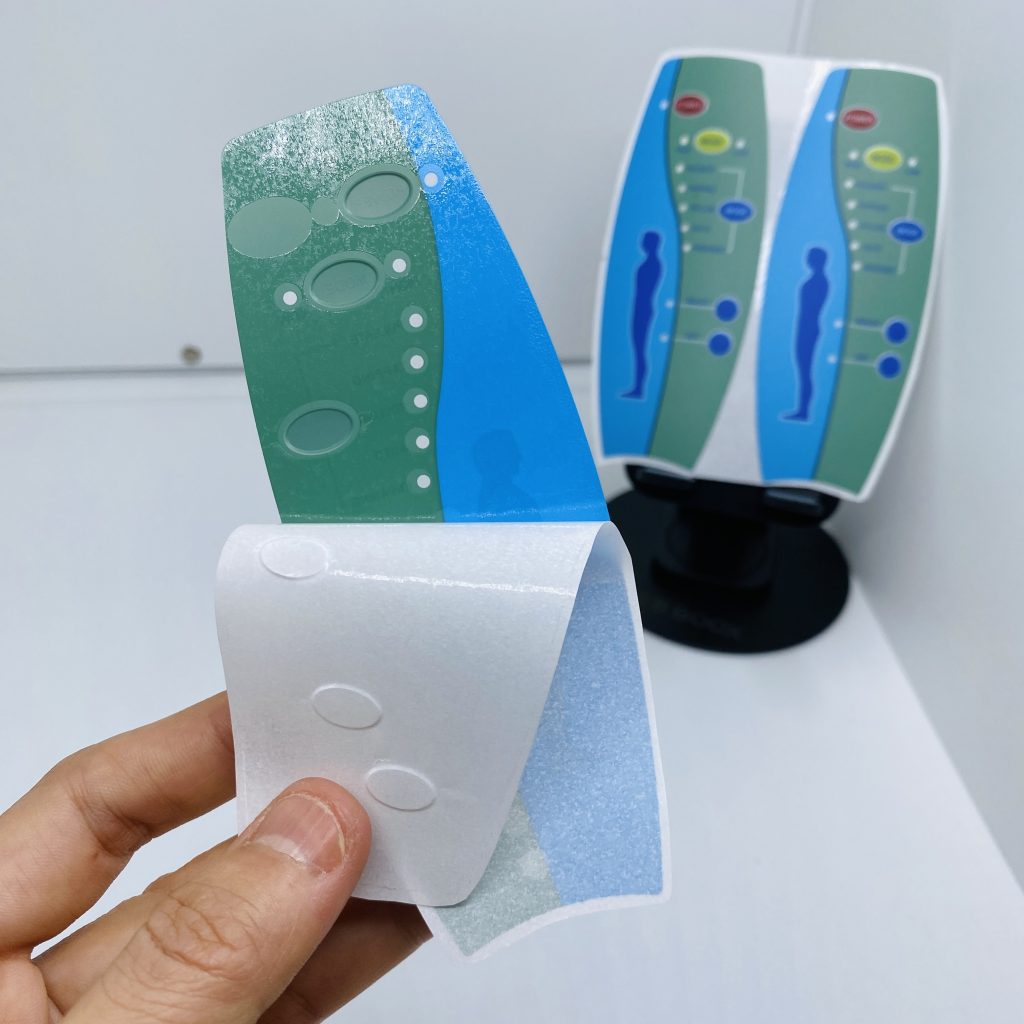
A peeling graphic overlay is more than just a cosmetic defect—it is a critical failure that can lead to moisture ingress, compromised internal circuitry, and costly warranty claims. When an overlay starts lifting at the edges or bubbling in the center, engineering teams are often left pointing fingers. Is it because of a fundamental design flaw, or did the factory use the wrong materials?
Membrane switches, industrial control panels, and medical devices rely on these overlays for both functionality and environmental protection. Once peeling begins, contamination is inevitable. Understanding whether the root cause lies in the design blueprint or the material stack-up is the first step to solving the problem permanently.
Drawing on over a decade of hands-on manufacturing experience at Xiamen XINBIXI Electronic Technology Co., Ltd. (BX-PANEL), here is a factory-floor guide to diagnosing and preventing overlay delamination.
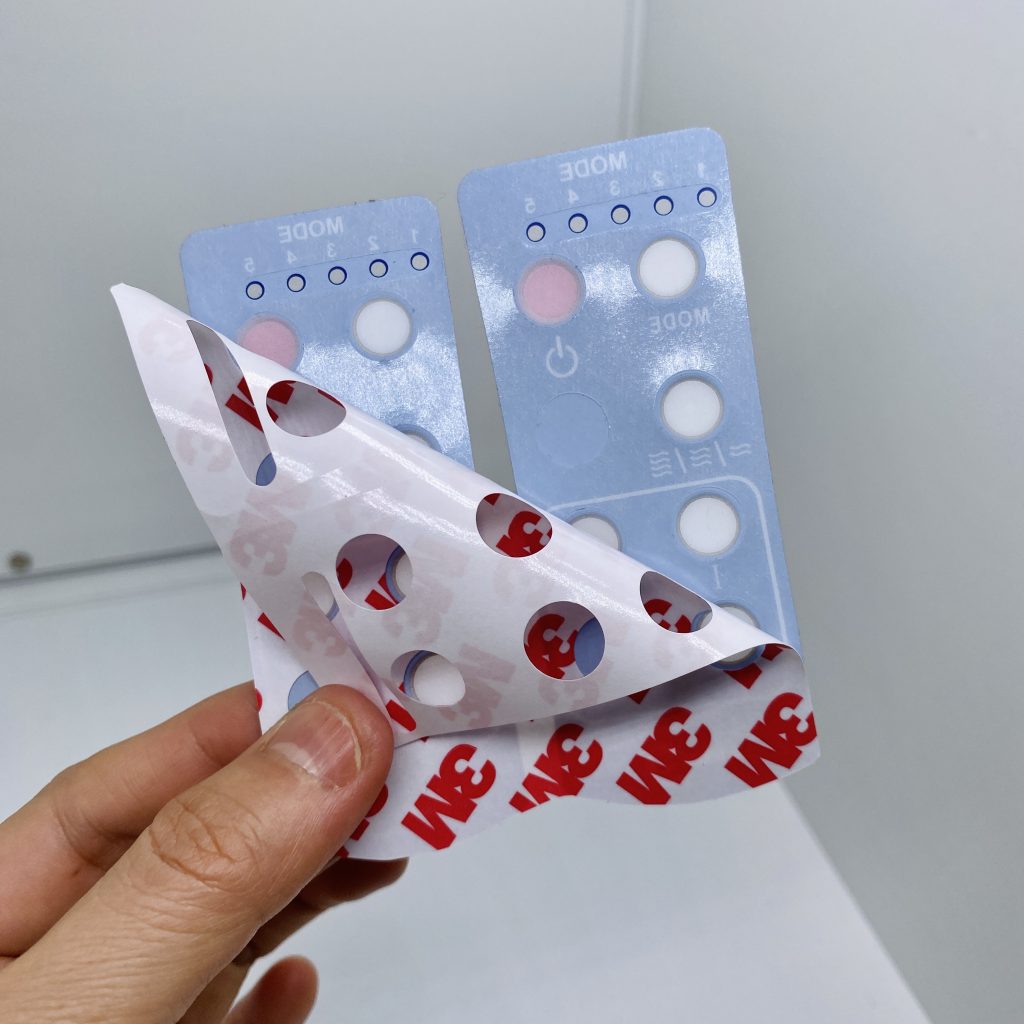
When Good Materials Fail Due to Poor Design
Even the most expensive, high-performance materials will peel if the overlay is poorly engineered. Before blaming the adhesive, check your CAD files for these common design-related failures:
- Insufficient Edge Clearance: If the adhesive layer does not extend close enough to the cut edge of the panel, dust and moisture will work their way underneath, acting as a wedge to initiate peeling. A minimum adhesive margin of 1.5mm to 2mm is the industry standard, yet many cost-cut designs ignore this critical buffer.
- Sharp Internal Corners: Designs featuring acute internal angles (less than 90 degrees) create severe stress concentration points. Over time, repeated physical pressing or thermal expansion causes these sharp corners to lift first.
- Overly Complex Embossing: Deep or sharply angled embossing stretches the polycarbonate or PET film unevenly. This internal material stress pulls against the adhesive layer, weakening the contact at the perimeters of the embossed buttons.
- Missing Adhesive Vents: In tactile membrane switch assemblies, trapped air generated by pressing a button needs a path to escape. Poorly routed adhesive venting leads to air bubbles that eventually grow into full-scale delamination.
At BX-PANEL, every client blueprint undergoes a rigorous Design for Manufacturing (DFM) review. By ensuring proper edge margins, rounding sharp corners (minimum R1.5mm), and validating embossing depths, our engineering team eliminates design-related peeling before tooling even begins.
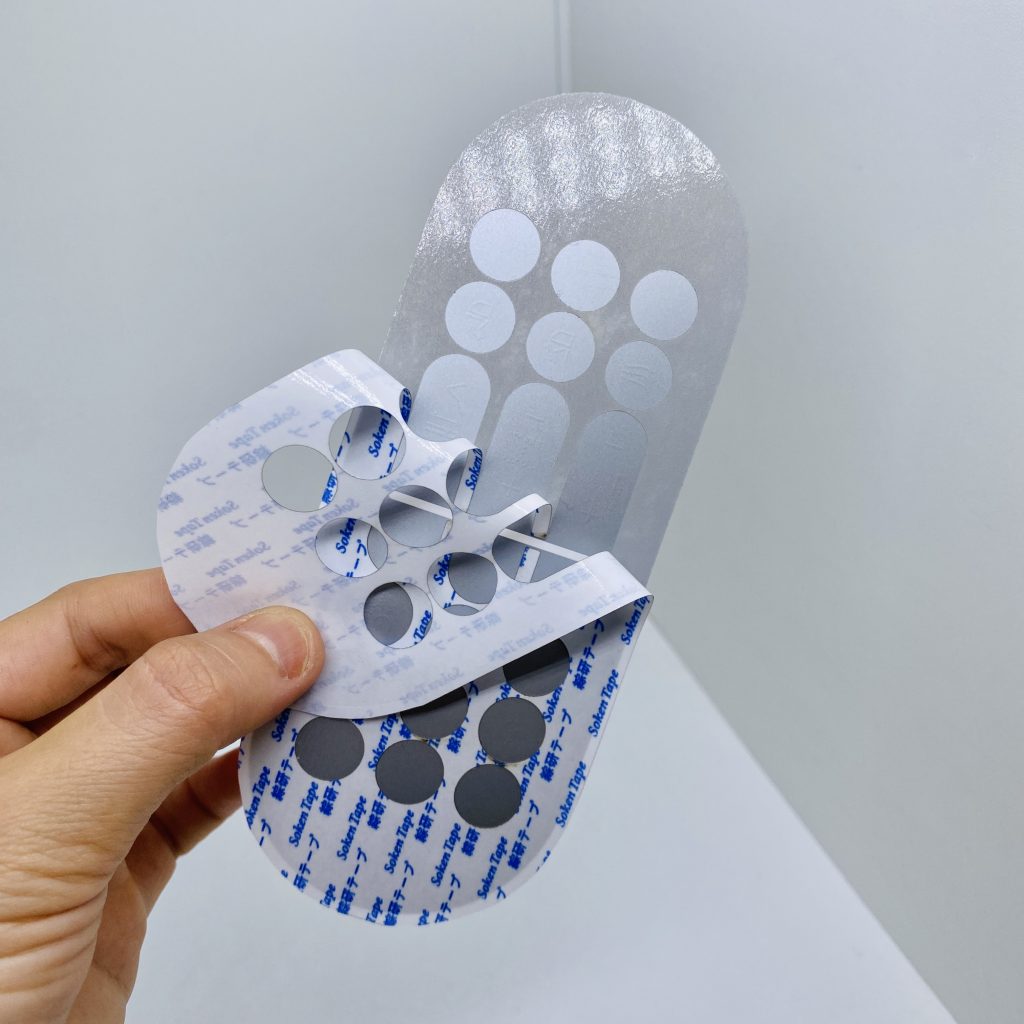
When the Right Design Meets the Wrong Material
Even a perfectly designed overlay will fail if the material stack is mismatched or of inferior quality. Material-driven peeling typically falls into one of three categories:
- Incompatible Material Layers: Not all films bond well together naturally. For example, untreated Polyester (PET) has a notoriously low surface energy, making adhesive bonding difficult. Premium manufacturers utilize corona or plasma treatments to alter the surface tension of the film before applying adhesive, a step that low-cost suppliers frequently skip.
- The Wrong Adhesive Chemistry: A general-purpose adhesive will fail under extreme heat, humidity, or cold. A membrane switch mounted in a commercial kitchen requires a vastly different adhesive chemistry than one used on an outdoor heavy-machinery panel. Common failures include adhesive oozing under pressure, plasticizer migration, or a complete loss of bond strength above 70°C.
- Substrate Contamination: Sometimes, the overlay is perfect, but the substrate it is being applied to (the metal or plastic housing) is contaminated. Microscopic layers of machine oil, dust, or silicone mold release agents prevent the adhesive from bonding. This is a material handling issue, but it is almost always misdiagnosed as an adhesive failure.
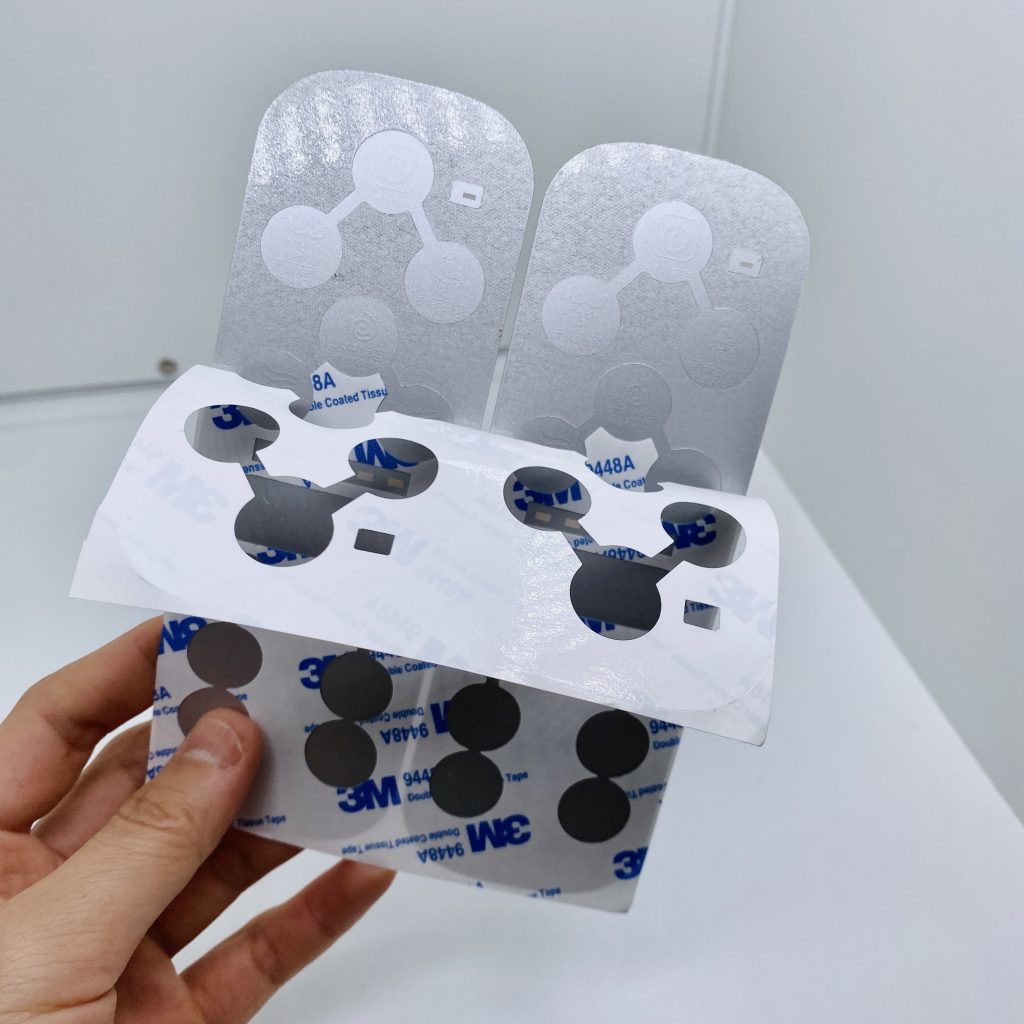
Diagnostic Checklist: Design or Material?
Before spending capital on redesigns or switching suppliers blindly, use this diagnostic framework to identify the root cause of your peeling issue:
| Visual Symptom | Likely Root Cause | Engineering Solution |
| Peeling starts exclusively at sharp internal corners. | Design (Stress concentration points). | Redesign with rounded corners (R1.5mm minimum). |
| Peeling is uniform across the entire outer edge. | Adhesive weakness or wrong adhesive specified. | Upgrade to a higher-tack, industrial adhesive (e.g., 3M 300LSE). |
| Peeling occurs only after heat/humidity exposure. | Environmental material incompatibility. | Specify high-temp or marine-grade acrylic adhesives. |
| Bubbles appear before the peeling starts. | Trapped air or chemical outgassing. | Reroute adhesive vents or verify ink/adhesive compatibility. |
| Overlay lifts, but the adhesive remains on the device housing. | Poor surface energy on the overlay film. | Require corona/plasma surface treatment prior to lamination. |
| Adhesive stays on the overlay, leaving the device housing clean. | Substrate contamination. | Thoroughly clean the housing with IPA, or apply an adhesion promoter. |
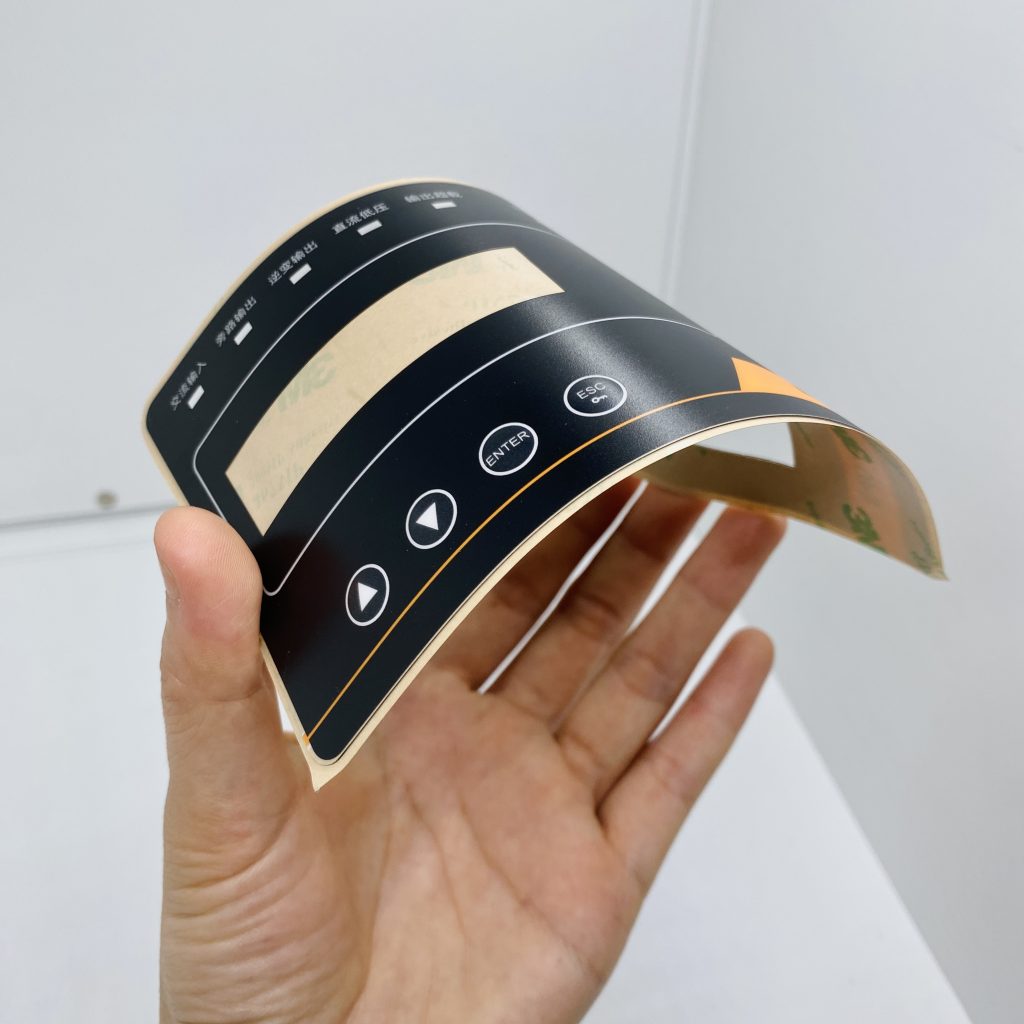
Case Study: Eradicating a 12% Field Failure Rate
To understand how design and materials intersect, consider a recent medical device OEM that partnered with BX-PANEL. They were experiencing a 12% field failure rate due to overlay edge peeling after just 3 to 6 months of use, resulting in costly field replacements.
The client initially assumed the factory was using a “cheap adhesive.” However, our failure analysis revealed a multi-layered problem:
- Design: The CAD files featured sharp internal corners and insufficient adhesive margins.
- Material: The existing overlay film had low surface energy, and the devices were frequently used in cold storage (2–8°C), causing thermal contraction stress that the general-purpose adhesive couldn’t handle.
The BX-PANEL Solution: We redesigned the corners from R0.5mm to R1.5mm, switched the adhesive to a cold-resistant, high-tack alternative, added a corona treatment to the base film, and adjusted the venting pattern. The result? The failure rate dropped to under 0.3%, saving the client over $200,000 annually in warranty costs.
The Factory Floor Difference: Why Process Control Matters
Overlay peeling is rarely caused by just one factor; it is almost always a combination of design oversights, mismatched material chemistry, and poor surface preparation. However, the deeper truth is that peeling is entirely preventable when the designer and the manufacturer work in lockstep from the very beginning.
Many trading companies claim to understand graphic overlays, but very few possess the physical infrastructure to control the entire process. BX-PANEL operates a full-scale physical factory in Xiamen, China, supported by hundreds of skilled workers.
Unlike brokers who outsource lamination, we manage the entire stack-up in-house. From sourcing Tier-1 materials (3M, Nitto, Autotype) and performing in-house environmental testing, to die-cutting and final cleanroom assembly, our vertical integration ensures that your overlays stay bonded for the lifetime of your product.
Are you facing chronic peeling issues with your current supplier? Bring your challenge to a team that has solved it hundreds of times before. Contact BX-PANEL today for a free root-cause consultation.
- 🌐 Website: www.bx-panel.com
- 📧 Engineering Support: [email protected]