



When drafting a Bill of Materials (BOM) for a custom membrane switch or graphic overlay, procurement managers usually default to the industry’s oldest safety blanket: 3M.
There is an old adage in electronic manufacturing: “Nobody gets fired for specifying 3M.” Their 467MP and 300LSE series are undeniable industry legends. However, in the highly competitive world of HMI (Human-Machine Interface) manufacturing, a rigid loyalty to a single brand is a dangerous habit. It can inflate your costs, limit your design flexibility, and expose your supply chain to single-source bottlenecks.
Here is a look inside the converting and printing factory floor, exploring why exploring alternative industrial adhesives often provides a superior technical and commercial fit.
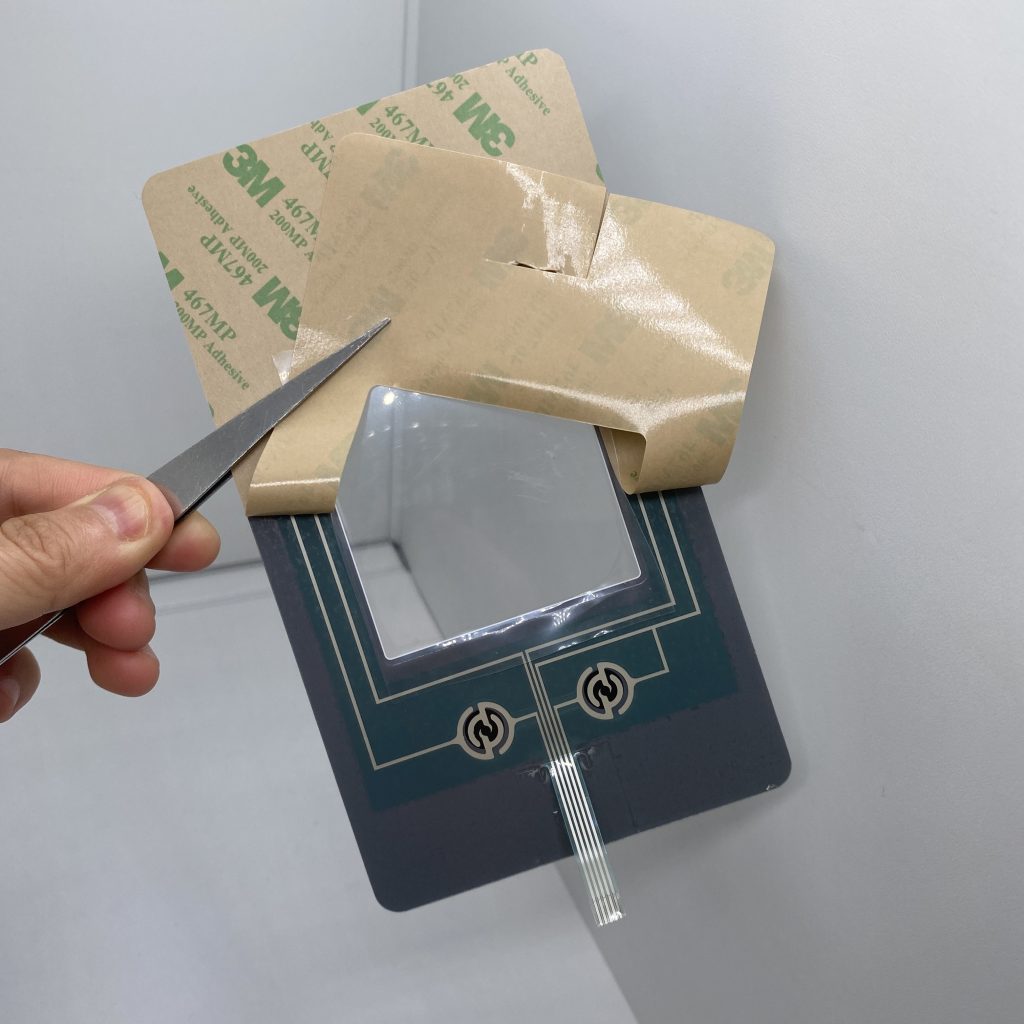
1. The Chemistry Clash: Adhesive vs. Screen-Printed Inks
A graphic overlay is not just a piece of plastic. In industrial printing, the graphics are printed on the back of the substrate (sub-surface printing) using specialized UV-cured or solvent-based inks. The adhesive is then laminated directly onto this ink layer.
This is where the “default” tape choice often fails.
If the chemical makeup of the adhesive reacts poorly with the screen-printing ink, it can cause outgassing—microscopic bubbles that form weeks after assembly, leading to delamination. While 3M offers excellent products, specialized alternative formulators often provide highly tuned acrylic adhesives that exhibit superior compatibility with specific industrial conductive silver pastes and dielectric inks, ensuring a permanent, bubble-free bond.
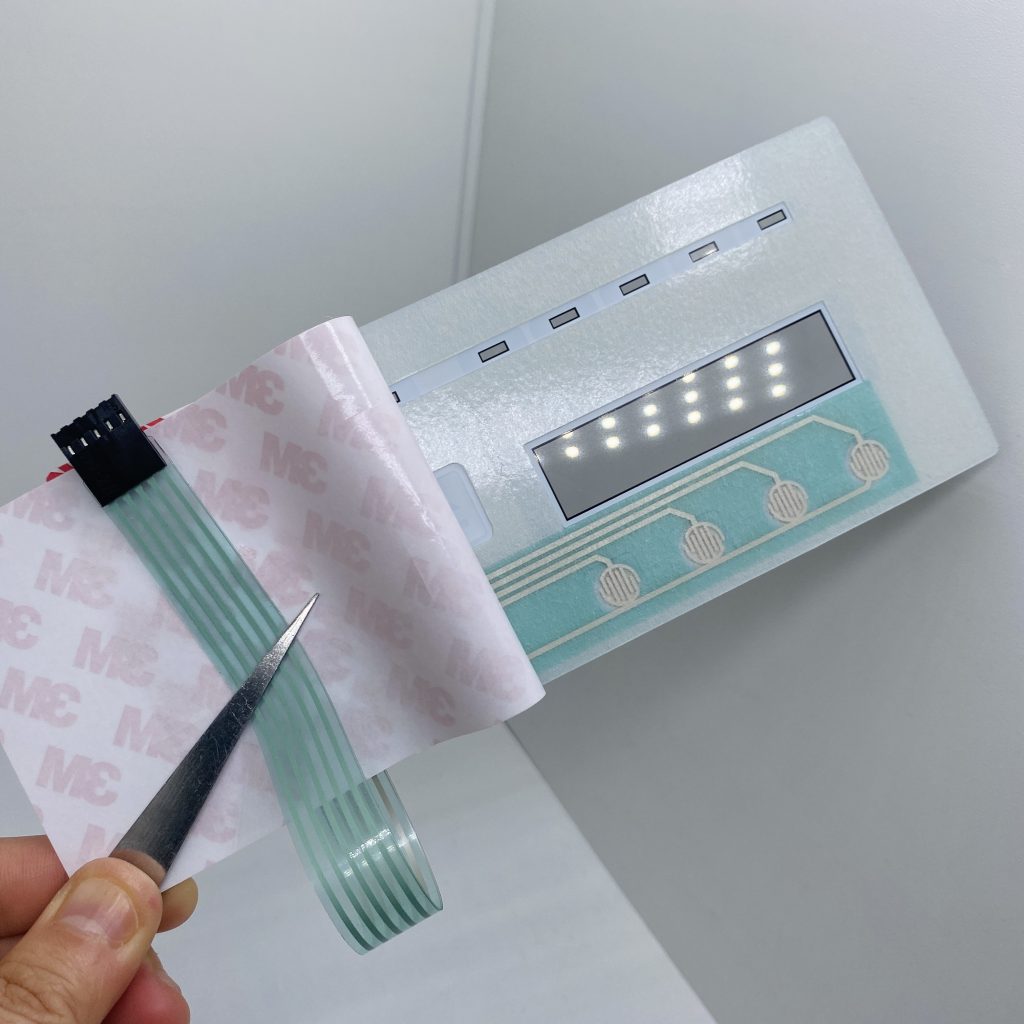
2. The Hidden Cost of “Oozing” During Die-Cutting
What looks great on a datasheet can be a nightmare on the factory floor. In the membrane switch industry, overlays are cut using precise rotary or flatbed die-cutting machines.
Some standard high-strength adhesives are prone to “oozing” (adhesive bleed) when subjected to the extreme pressure of a die-cutting blade. This sticky residue gums up the tooling, forces the machine to be stopped for cleaning, and leaves a sticky edge on the final panel that attracts dust and dirt.
Alternative suppliers (such as Nitto Denko, Tesa, or specific Asian tier-one formulators) have engineered advanced release liners and cohesive adhesive structures that shear cleanly under a blade. This drastically improves manufacturing yield rates, meaning you get cleaner parts, faster, and without edge-contamination.
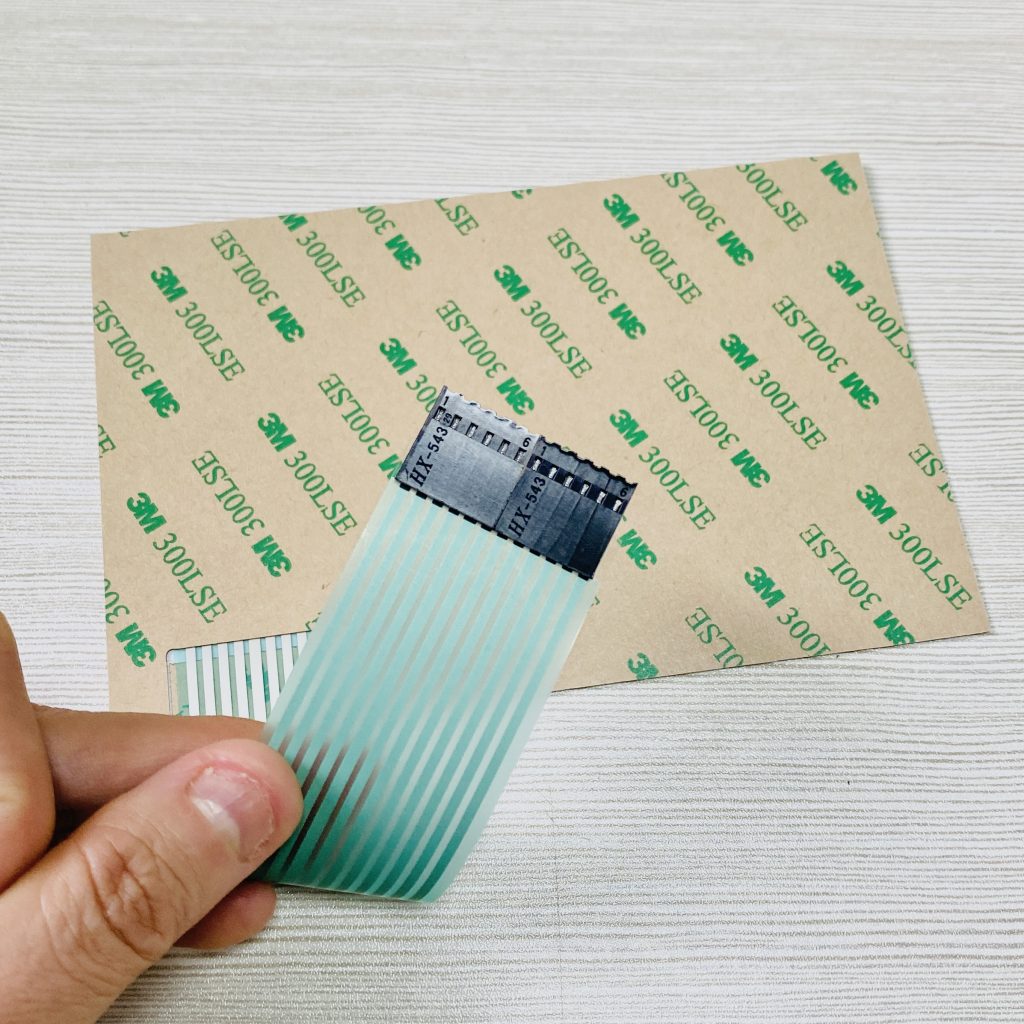
3. Flattening the Cost-Performance Curve
3M’s massive R&D overhead and premium brand equity come at a price. For high-volume, cost-sensitive consumer and industrial electronics, that premium aggressively erodes your profit margins.
Global tier-one alternatives frequently offer absolute performance parity for standard bonding applications. If your panel is being mounted to a standard stainless steel or painted aluminum chassis indoors, over-specifying an extreme-environment 3M tape is a waste of capital. A rigorous engineering audit often reveals that substituting a premium alternative can yield a 15% to 30% cost reduction with zero drop in field reliability.
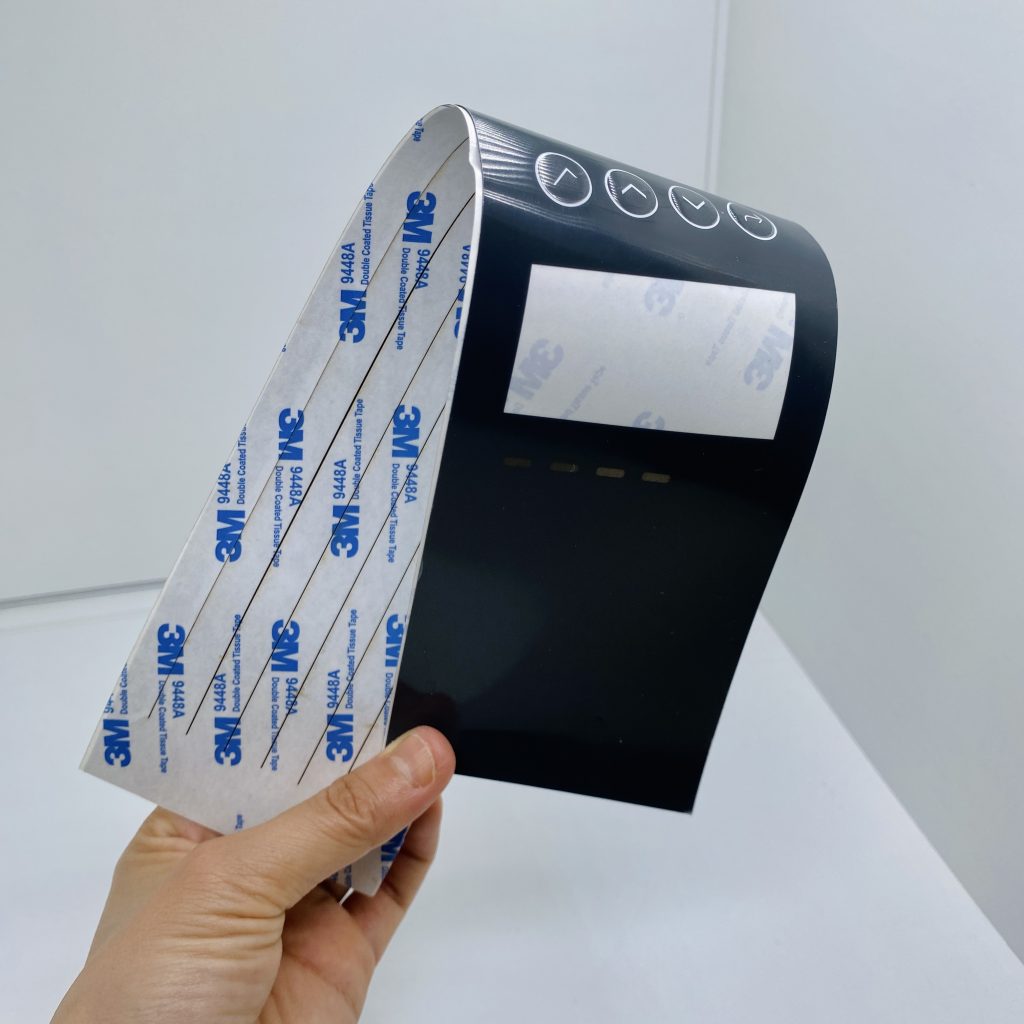
4. Solving Niche Material Challenges (e.g., Silicone)
Where massive brands cover the broad horizon, smaller adhesive chemists dive deep into specific problems.
For instance, bonding a polycarbonate graphic overlay to a silicone rubber keypad is notoriously difficult because silicone has an incredibly low surface energy. While standard acrylic tapes will eventually peel off, alternative suppliers offer primer-less silicone transfer tapes that achieve an immediate, destructive bond without the need for secondary heat curing.
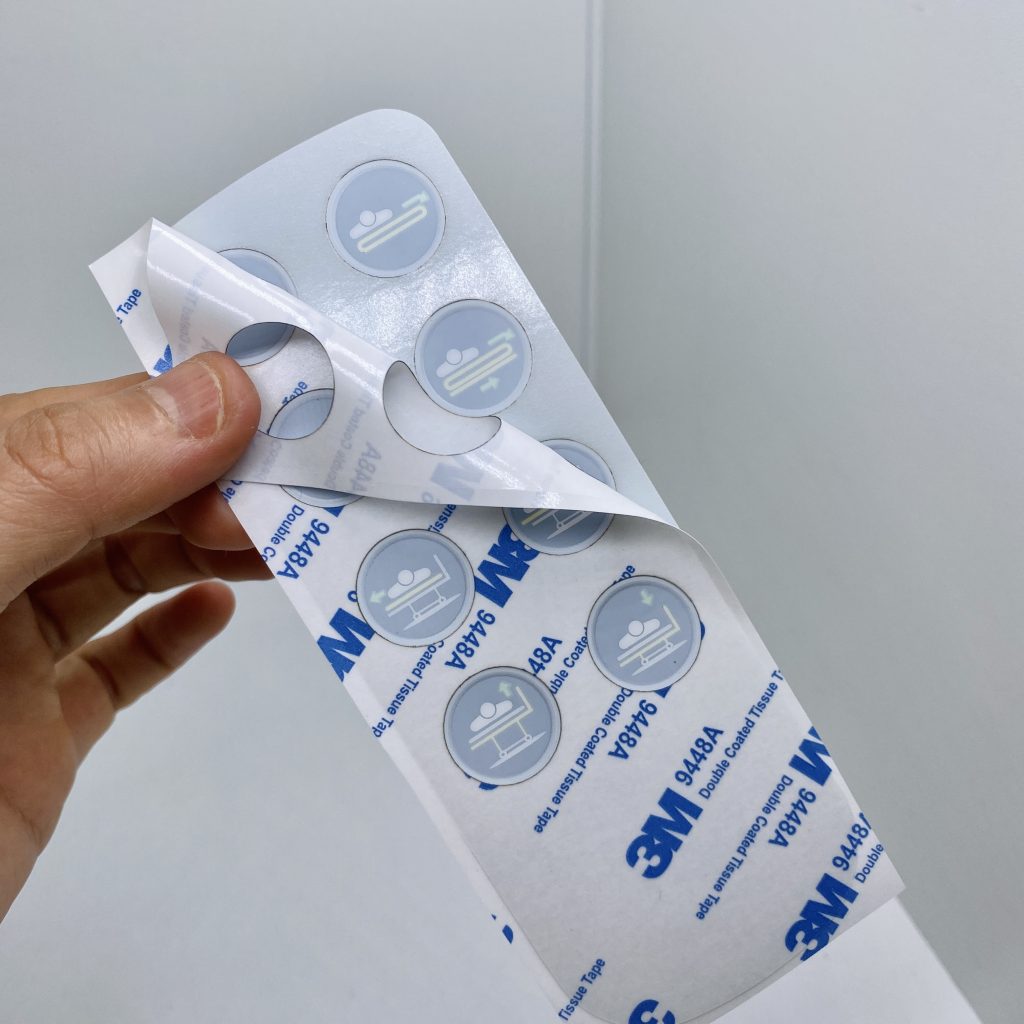
How BX-PANEL Engineers the Perfect Bond
At Xiamen XINBIXI Electronic Technology Co., Ltd. (BX-PANEL), we do not guess on adhesives; we engineer them. With over a decade of OEM manufacturing experience and a fully equipped 3,000㎡ production facility, our approach is rooted in material science, not just brand loyalty.
We maintain a robust library of adhesive systems from global leaders—including 3M, Nitto, Tesa, and specialized chemical formulators.
- Application-First Testing: We match the tape’s shear strength and chemical resistance to the actual environmental stress your product will face (UV exposure, IPA washdowns, extreme temperatures).
- Value Engineering: As a source factory, we help our clients navigate the cost-effectiveness of their BOM. If a 3M tape offers no tangible engineering benefit over an equally durable alternative, we will recommend the alternative to protect your margins.
Your user interface is only as strong as the microscopic layer holding it together. Don’t let default specifications compromise your product’s lifecycle.
Ready to optimize your next membrane switch project? Partner with the converting and printing experts at BX-PANEL.
- 🌐 Website: www.bx-panel.com
- 📧 Request an Engineering Review: [email protected]