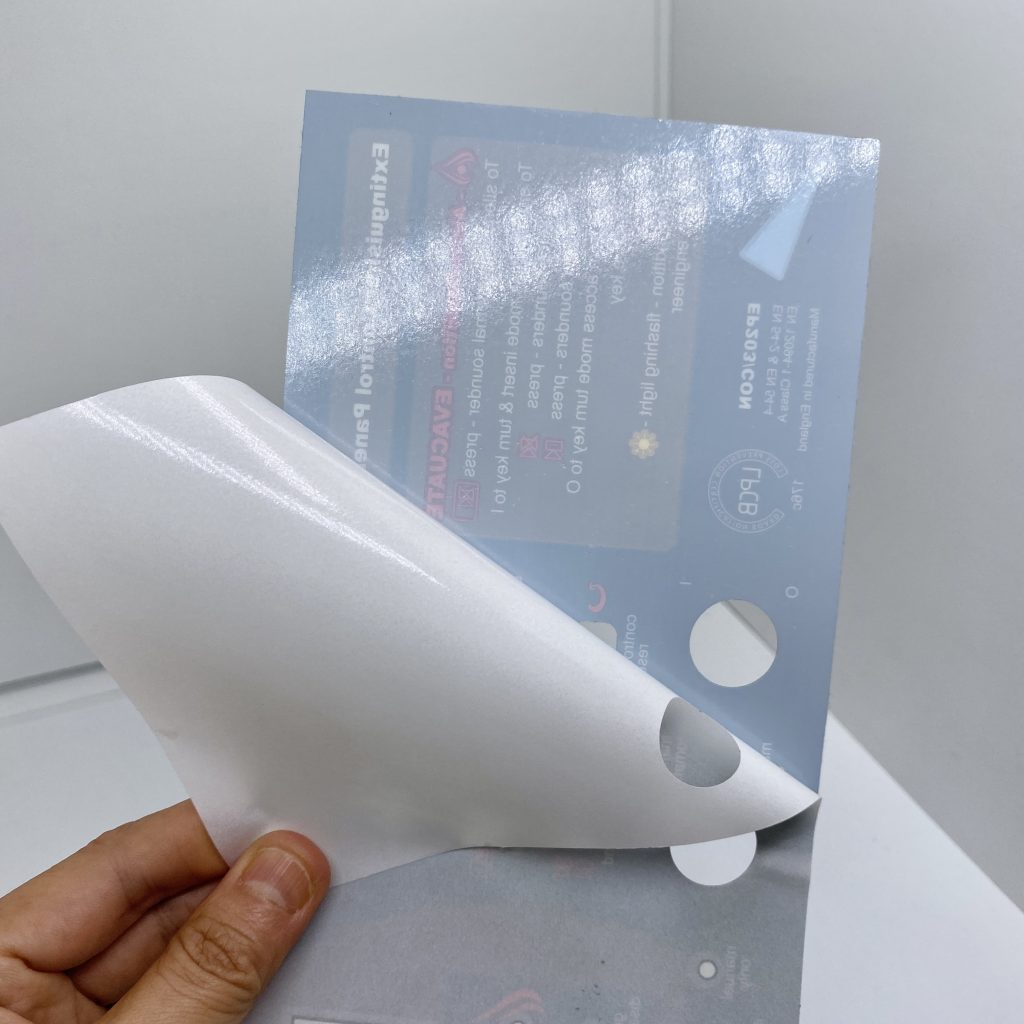



Spend enough time on a factory floor and you notice when buyer behavior starts shifting. The questions change. The documentation requests change. The timing of when procurement gets involved in a product program changes.
Over the past several years, graphic overlays have moved from a line item that got ordered late in the product development cycle — usually by whoever had the lowest quote — to a component that serious OEM buyers are specifying early, auditing carefully, and holding suppliers accountable for in ways they didn’t previously. This piece covers the practical reasons behind that shift.
The Overlay Is the One Component End Users Interact With Every Day
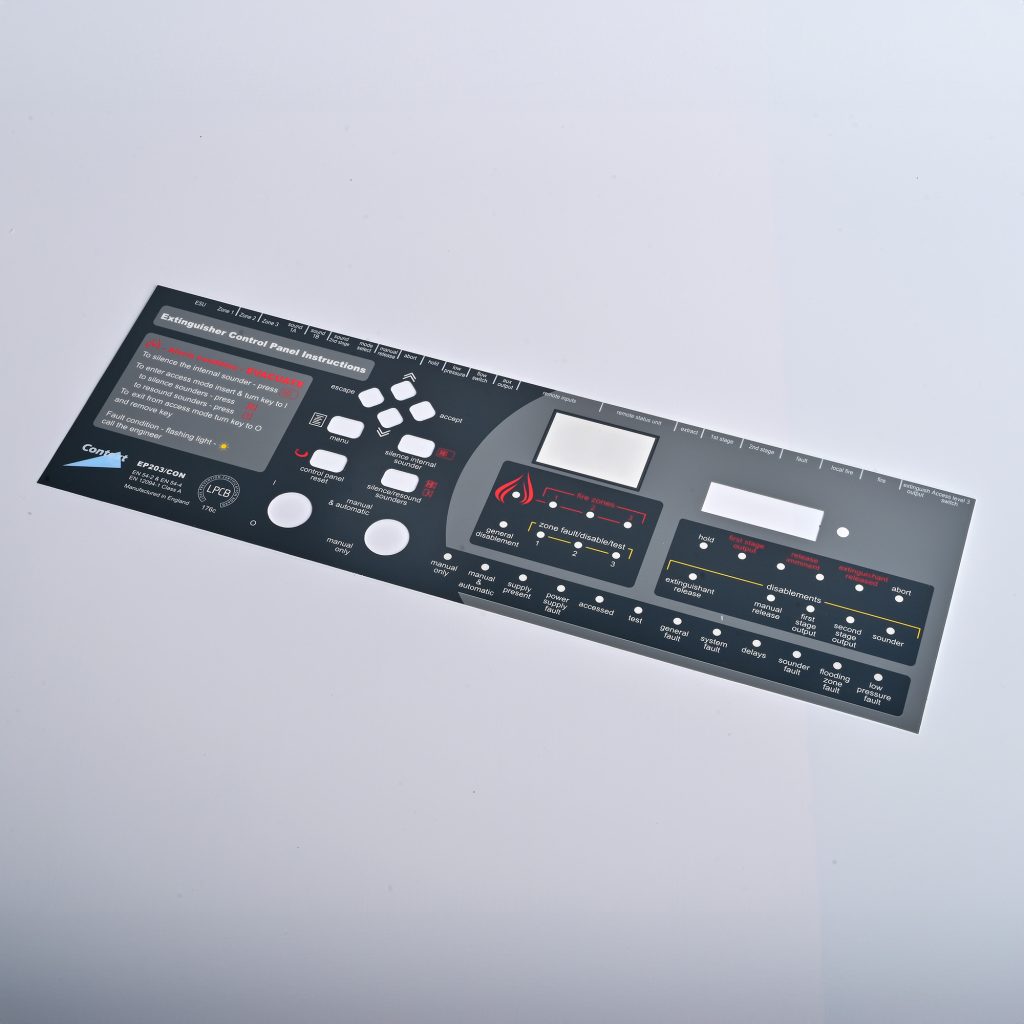
Most of what goes into a finished OEM product is invisible during normal operation. The PCB, the power supply, the internal wiring — none of it gets touched. The graphic overlay does. It is the surface the operator presses, reads, and responds to for the full service life of the device. On industrial control equipment, that can mean ten years of daily use in a harsh environment.
When an overlay fades, peels at the key edges, or loses tactile response before the product reaches its expected service life, the end user doesn’t file a report that says “overlay failure.” They say the product failed. That complaint lands on the OEM’s warranty and service team, goes into field feedback reports, and surfaces in product reviews. The overlay’s unit cost was low. The downstream cost of it failing is not.
OEM buyers who have been through one batch of field returns traced back to a failing overlay treat overlay sourcing differently afterward. It stops being a commodity procurement decision and starts being a quality-critical specification.
Users Form Quality Judgments Before the Device Powers Up
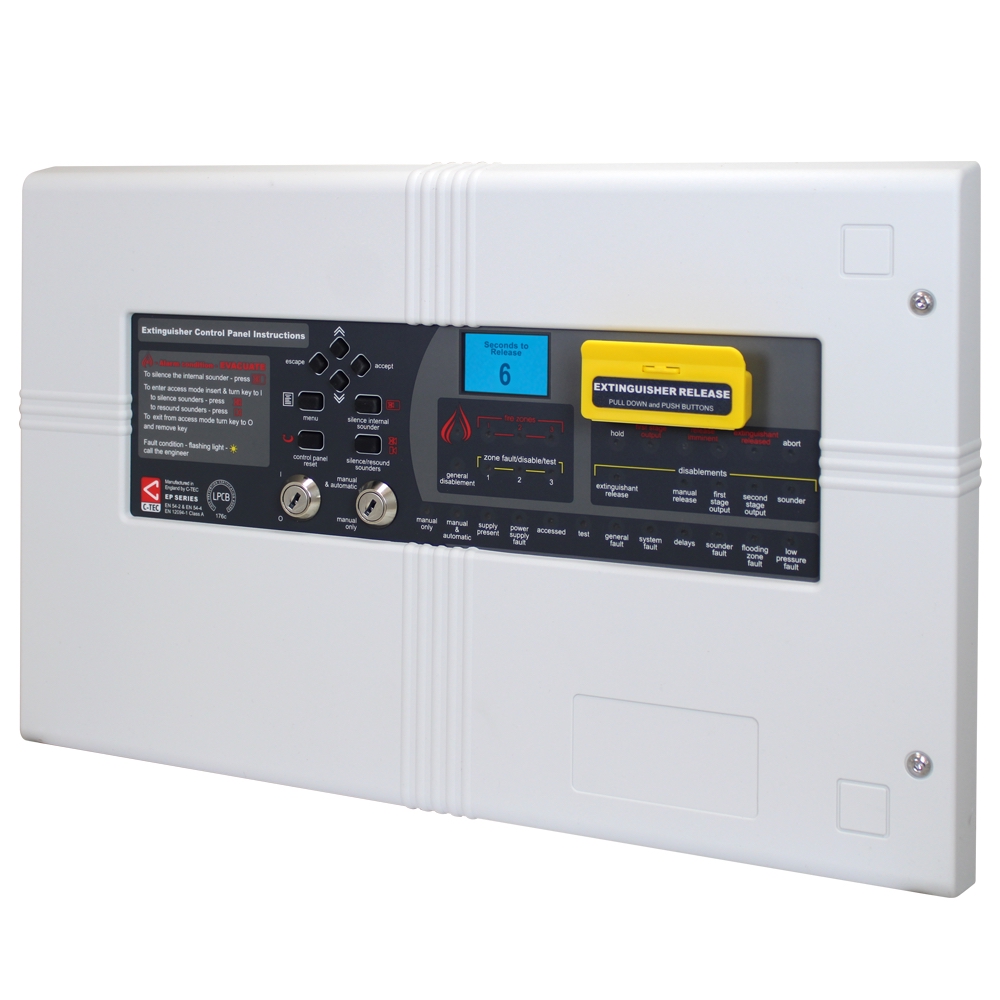
In medical monitors, EV charging stations, building automation controllers, and food service equipment, the operator’s first physical contact with a product is almost always the control panel. The device hasn’t been switched on yet. No function has been demonstrated. But the user has already made a quality assessment based on what the panel looks and feels like.
A panel with accurate colors, sharp graphics, and embossed keys that have consistent snap response creates a quality baseline that the rest of the product inherits. A panel with color drift, soft key feel, or a visible gap at the edge where the overlay meets the housing creates a different baseline — one the product has to spend its entire field life trying to overcome.
Product managers tracking NPS scores and warranty return reasons have started connecting these dots. The overlay is the first quality signal the end user receives from a product. Getting that signal right is cheaper than recovering from getting it wrong.
Supply Chain Consolidation Is Changing the Supplier Selection Criteria
After the supply chain disruptions of the early 2020s, a significant number of OEM procurement teams reduced their approved supplier lists and shifted toward factories they could hold directly accountable for quality outcomes.
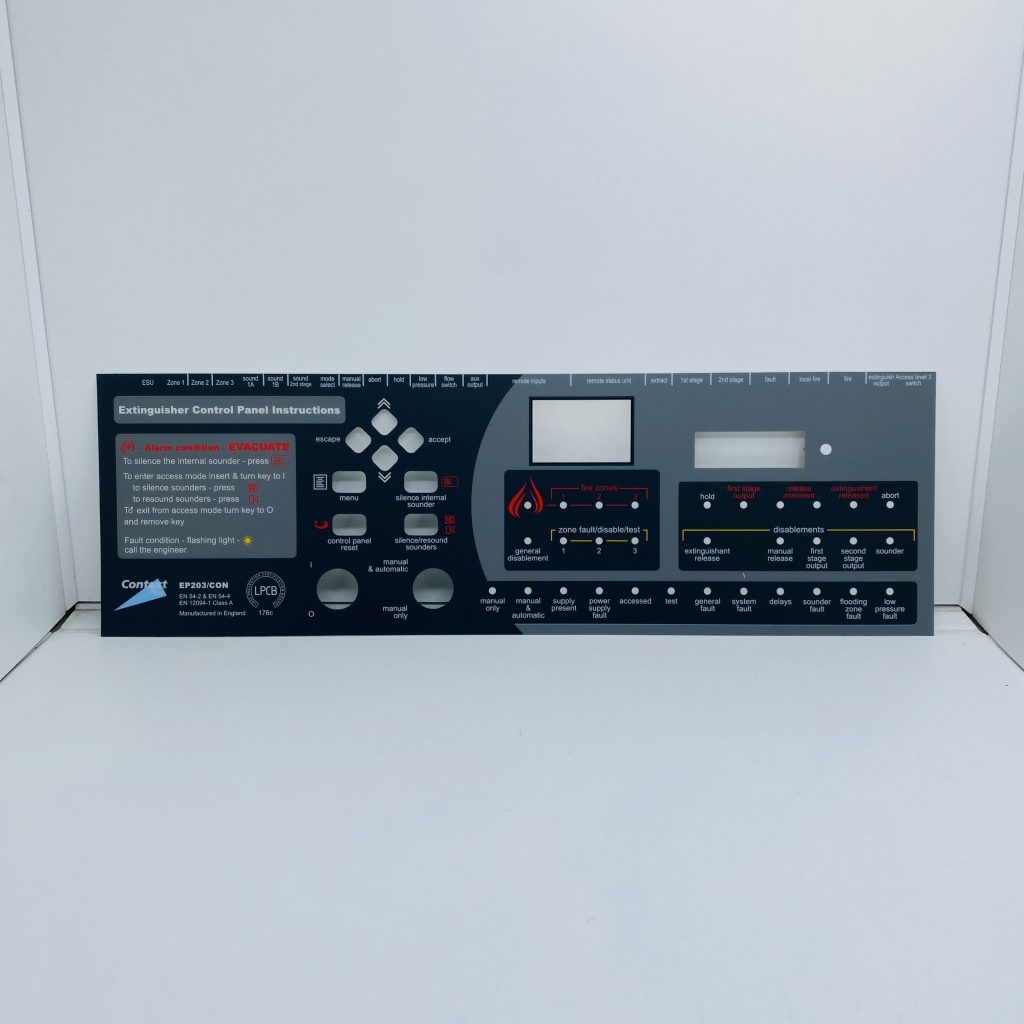
The fragmented overlay supply model — artwork prep at one vendor, screen printing at another, die-cutting at a third, lamination at a fourth — was a structural accountability problem. When a batch failed incoming inspection, the root cause investigation crossed four sets of records and four different interpretations of whose process caused the deviation. Resolution took weeks. Rework decisions took longer. None of that cost appeared on the original purchase order.
A factory that runs every process under one roof — pre-press engineering, printing, embossing, lamination, die-cutting, assembly — can answer a quality question about a specific batch definitively, because everything that touched that batch happened on the same floor. For OEM buyers managing tight program schedules, that accountability is worth more than a marginally lower unit price from a fragmented supply chain.
Certification Audits Now Reach Into the Overlay Supply Chain
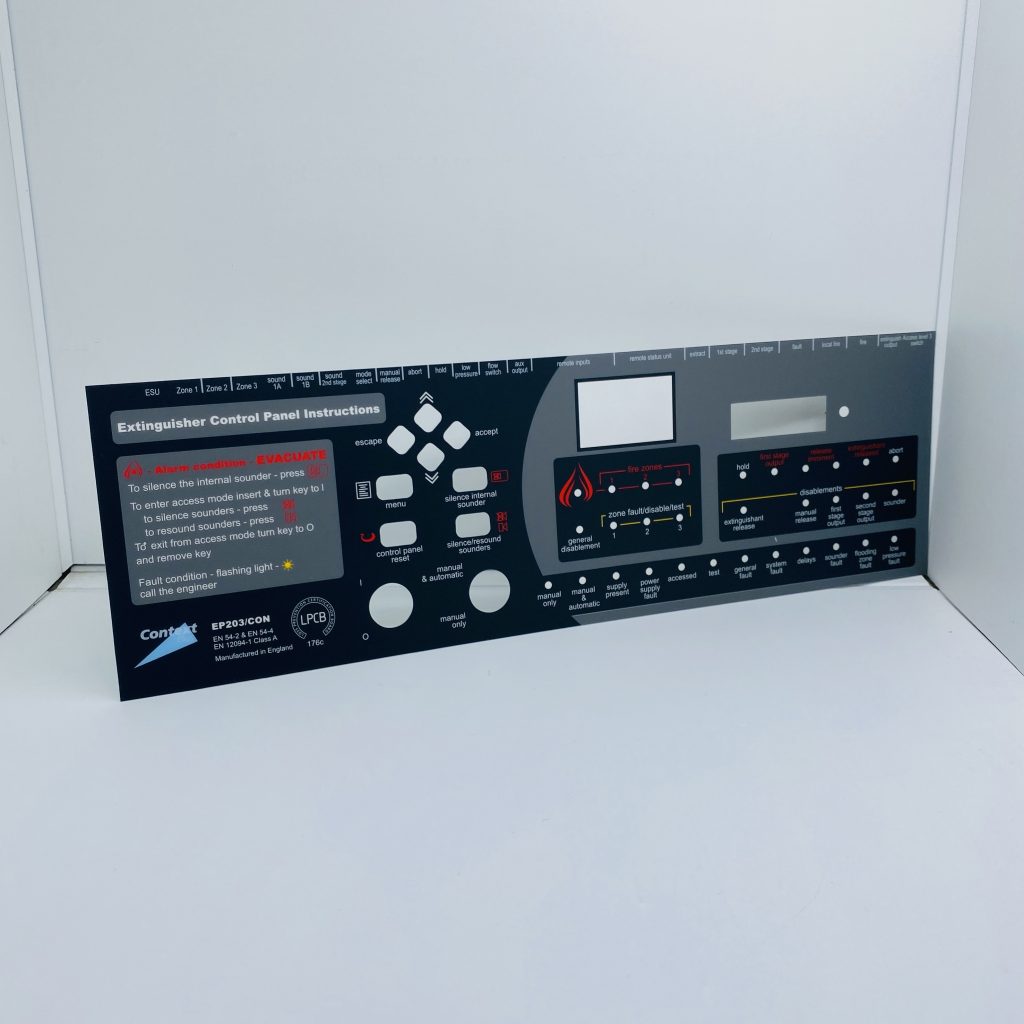
Material traceability requirements for graphic overlays have tightened across several end markets. In medical devices, UL-listed industrial equipment, and CE-marked products for European markets, certification bodies and end customers are asking for film lot numbers, adhesive specification sheets, and ink chemistry declarations that weren’t routinely required a generation ago.
An OEM buyer whose product needs to pass a UL or FDA audit has a direct interest in whether their overlay supplier maintains lot-traceable incoming material records. A supplier that sources film and adhesive on a spot basis — buying whatever is available at the lowest price at order time — cannot produce those records on demand. That makes the overlay supplier a compliance liability in the OEM’s audit picture, not just a quality risk.
The practical result is that OEM buyers in regulated end markets are qualifying overlay suppliers against quality management criteria — documented FAI processes, incoming material inspection records, production batch traceability — that previously applied only to electronic components and not to what was considered a “label.”
The Real Cost Calculation Has Changed
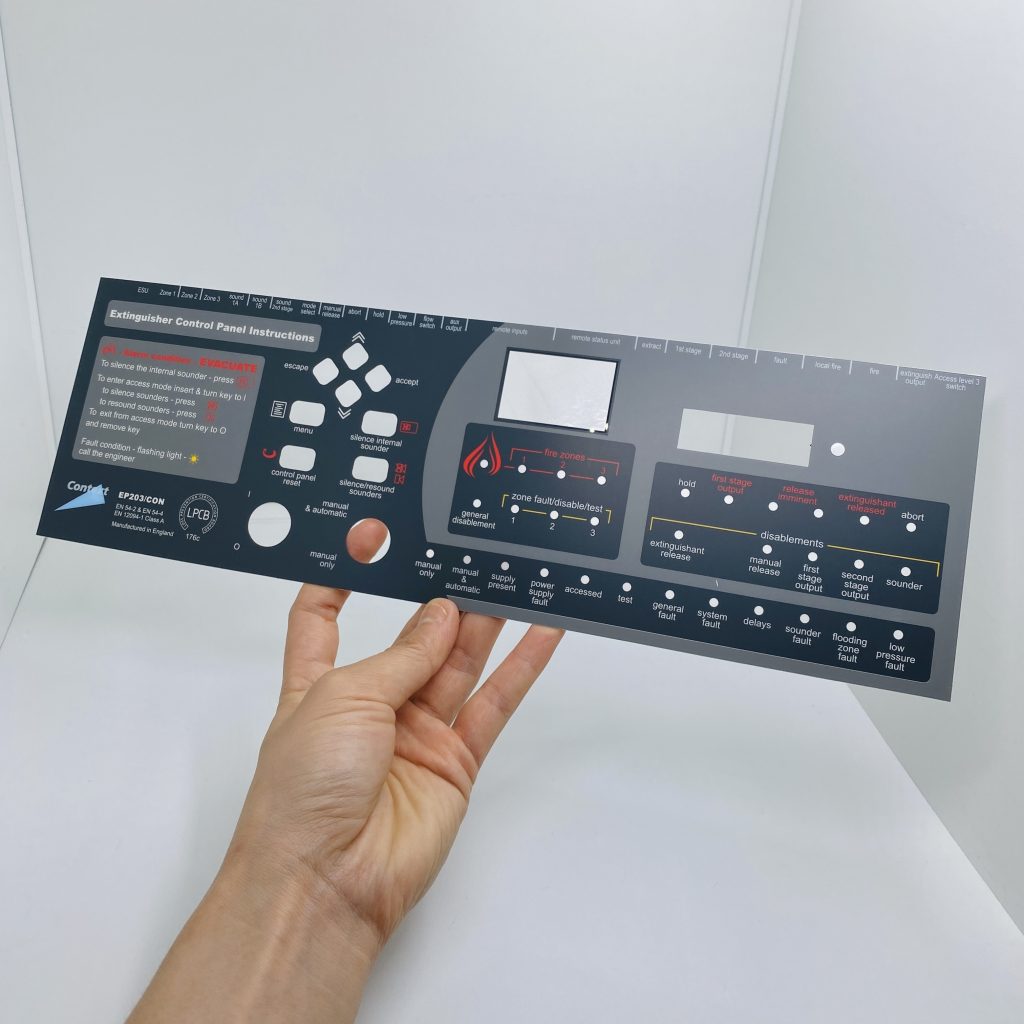
A graphic overlay for an industrial controller might carry a unit cost of a few dollars. The finished controller it installs on might be priced at several hundred. A field return, a service call, or a production line stoppage caused by an overlay that failed incoming inspection costs multiples of the overlay’s original price — in labor, logistics, schedule impact, and customer relationship.
OEM procurement teams that have built total-cost-of-ownership models for their component supply chains arrive at the same conclusion about overlays: quality consistency across a production run is worth more than the lowest unit price at point of purchase. A factory that holds color accuracy across a 5,000-piece run, maintains ±0.2mm on critical cutout dimensions, and delivers FAI documentation as a standard order deliverable is reducing the OEM’s total program cost — not charging a premium for it.
This cost visibility is what changed the conversation. The overlay’s unit price looks small. The cost of it failing does not.
How Procurement Behavior Has Changed in Practice
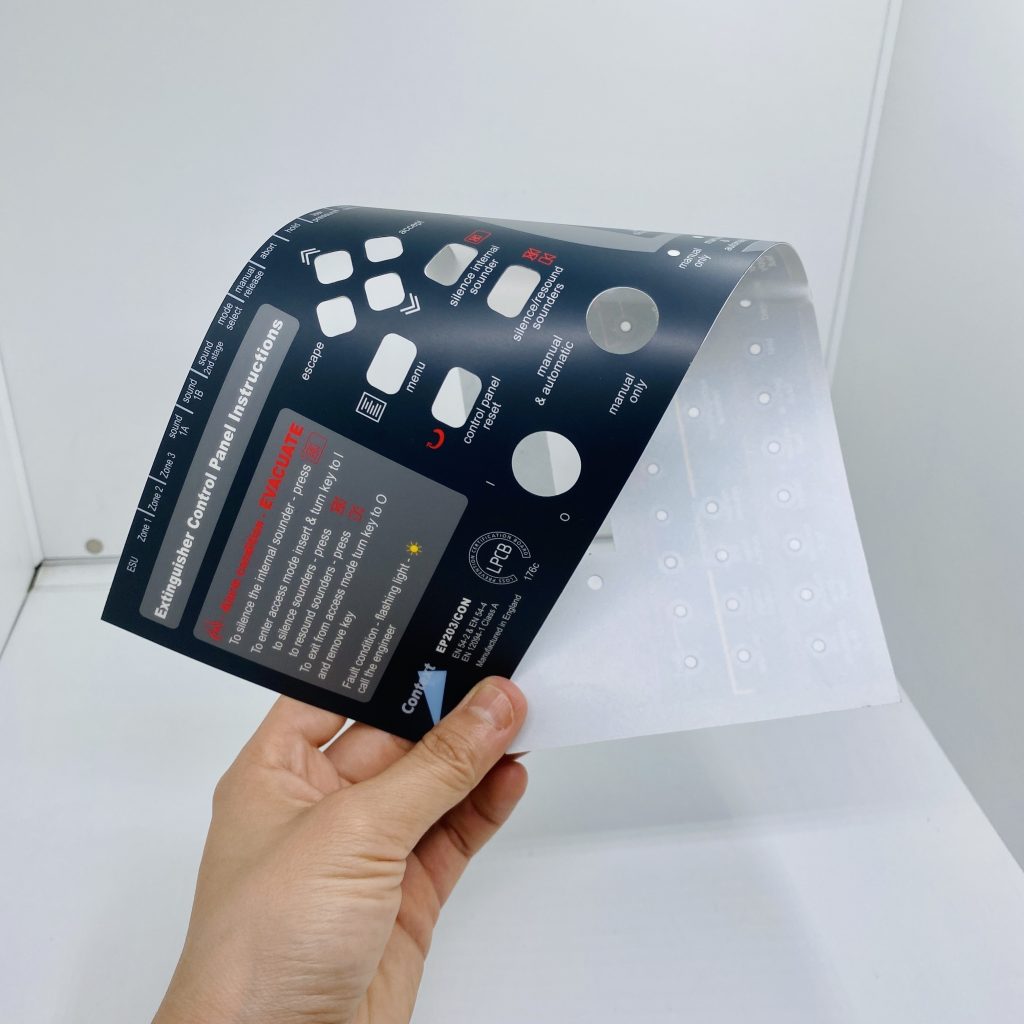
The OEM buyers who have worked through these issues now get overlay suppliers involved earlier in product development — before the enclosure design is finalized, not after. DFM reviews happen before sampling, not after a first-run failure. Material grades are specified in writing before the first proof is printed. FAI documentation is listed as a required deliverable in the purchase order, not requested after a quality issue.
The suppliers that work this way are treated as technical partners. The ones that don’t get replaced after the first production problem.
In our experience at BX-PANEL, the customers who engage this way — early involvement, documented specifications, FAI as standard — rarely have first-run quality issues. The process catches the problems before they cost anything. New OEM programs at our facility start with a DFM review of the artwork before any sampling cost is incurred. Material selection is documented and confirmed before the first sheet is printed. FAI records are issued on every production order.
Our Xiamen facility has run this way for over 10 years, with hundreds of workers across dedicated pre-press, printing, embossing, lamination, die-cutting, and assembly departments under a single quality management system. When a question comes in about a specific production batch, the records exist to answer it — because we built the documentation process before customers started asking for it.
Contact BX-PANEL
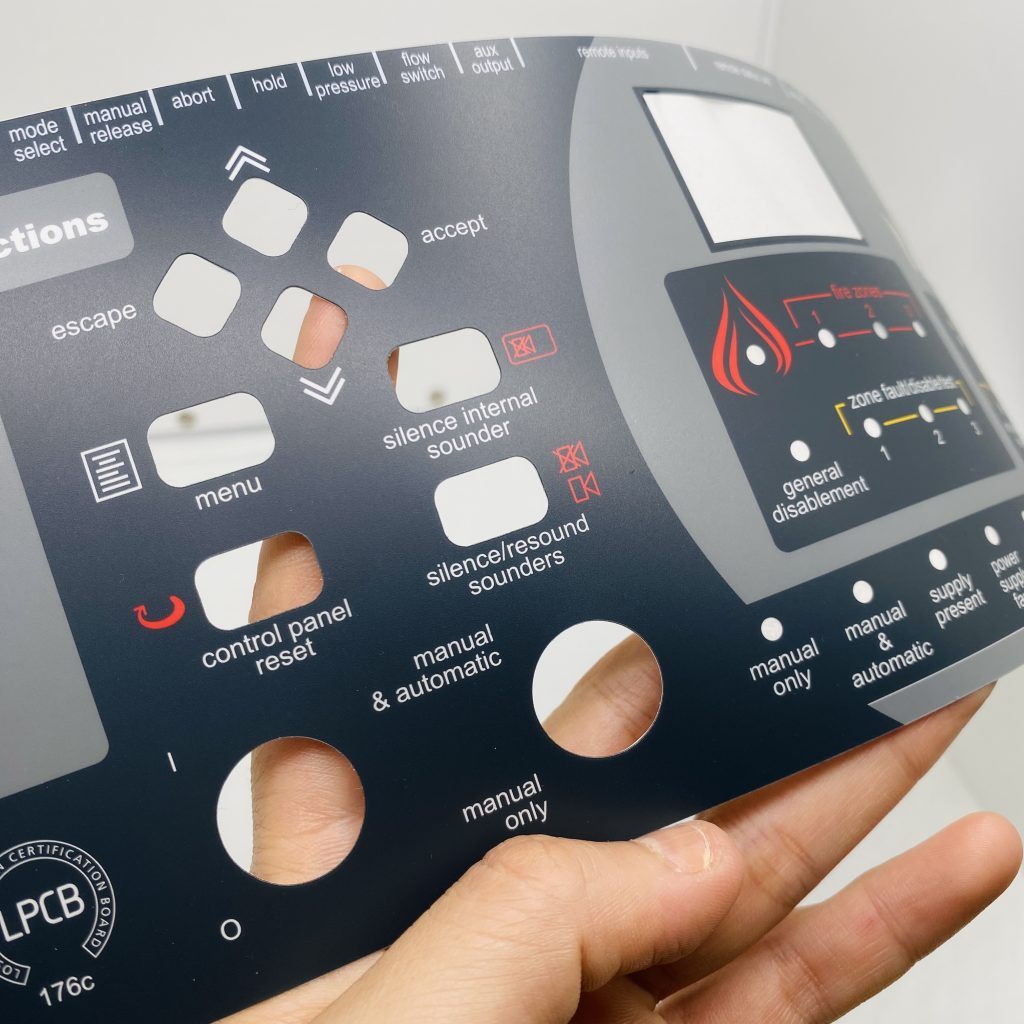
Xiamen XINBIXI Electronic Technology Co., Ltd. (brand: BX-PANEL) manufactures custom graphic overlays, membrane switches, and integrated control panel assemblies for industrial, medical, and commercial equipment.
- Email: [email protected]
- Website: www.bx-panel.com
- Capabilities: Custom graphic overlay manufacturing, membrane switch production, embossed panel assembly, DFM review, die-cut prototyping