



When reviewing technical drawings and Bill of Materials (BOM) from OEM clients, one of the most frequent conversations we have revolves around surface decoration: Should this graphic overlay be screen printed or digitally printed? On a blueprint, the ink is just a designated color. On the factory floor, the printing method you specify dictates your tooling costs, lead times, visual tolerances, and the long-term survival of the product in the field.
While both technologies have their place, they are fundamentally different processes. As a custom manufacturing facility that executes hundreds of unique client designs, we evaluate these methods daily. Here is a practical, factory-level breakdown of screen printing versus digital printing to help you optimize your next procurement cycle.
The Basics: How They Work on the Factory Floor
Screen Printing: The Industrial Workhorse
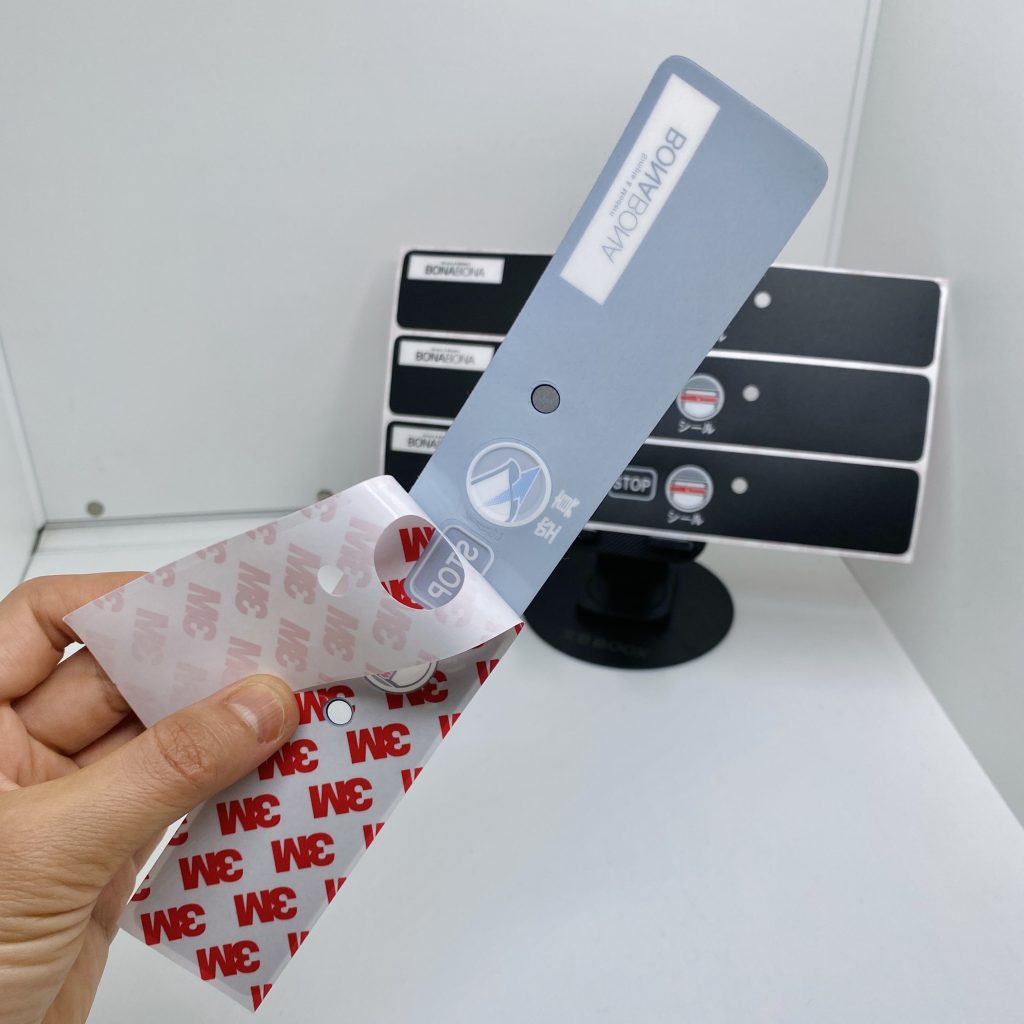
Screen printing is a stencil-based process. For every single color in your design, we must burn a custom mesh screen. During production, a squeegee forces highly durable, specialized inks through the open mesh directly onto the substrate (like Polycarbonate or PET). Each color is applied one by one, requiring precise mechanical registration and curing between layers.
Best for: Polycarbonate faceplates, PET membrane switches, metal nameplates, and glass panels.
Digital Printing: The Agile Alternative
Digital printing eliminates physical screens entirely. Operating much like a high-end desktop printer, industrial UV-flatbed printers deposit tiny droplets of ink (CMYK) directly onto the substrate based on the digital file, instantly curing them with ultraviolet light. All colors are laid down simultaneously.
Best for: Rapid prototypes, complex gradients, and variable data (like sequential serial numbers).
Head-to-Head: What Buyers Actually Need to Know
1. The Cost Curve (Tooling vs. Piece Price)
The financial math between the two methods is completely inverted.
- Screen Printing: High upfront NRE (Non-Recurring Engineering) costs. You are paying for film positives, screen creation, and setup labor for every color. However, once the press is running, the ink and labor cost per unit is pennies. The higher the volume, the cheaper the part.
- Digital Printing: Zero tooling costs. You bypass screen setup entirely. However, the machine time and specialized UV inks make the per-unit cost relatively high and flat. Printing 1,000 pieces doesn’t significantly drop the unit price compared to printing 10 pieces.
The Tipping Point: For a standard 4-color overlay, digital printing is usually cheaper for runs under 100–250 units. Beyond that, the economies of scale make screen printing the undisputed financial winner.
2. Color Accuracy and Opacity
- Screen Printing: If your corporate brand guidelines strictly demand Pantone (PMS) 186 Red, screen printing is the only way to guarantee a 100% exact match. We custom-mix the physical ink before it hits the press. Furthermore, screen printing lays down a thick, highly opaque ink layer, which is crucial when printing lighter colors over dark substrates or keeping LED backlighting properly masked.
- Digital Printing: Digital relies on a CMYK blend to simulate Pantone colors. While modern UV printers get very close, it is an approximate match, not an exact science. Additionally, digital ink layers are thinner. While great for photorealistic images and complex color fades, they may lack the dense opacity required for certain industrial backlit panels.
3. Material Adhesion and Durability
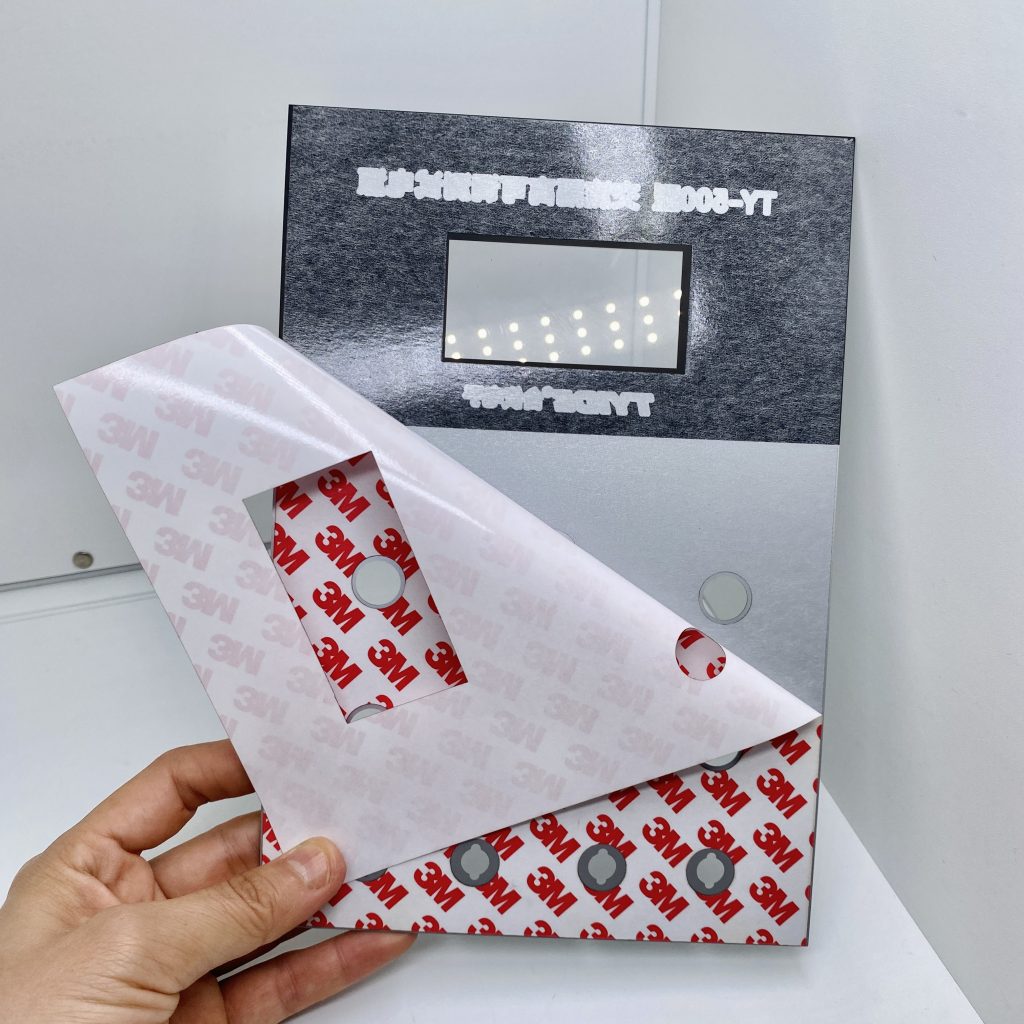
- Screen Printing: Screen inks are aggressive. They are chemically formulated to bite into specific substrates (PET, PC, raw metal) and survive harsh industrial cleaning solvents, heavy abrasion, and extreme UV exposure.
- Digital Printing: UV digital inks sit on top of the substrate. While highly durable and perfectly fine for most commercial applications, they sometimes require liquid primers or adhesion promoters to stick to difficult plastics or metals, and generally do not match the extreme chemical resistance of a baked-on screen ink.
How to Spec the Right Method for Your Production Run
Based on years of executing OEM blueprints, here is how you should align your printing method with your project parameters:
Specify Screen Printing When:
- Volume is High: Your Annual Usage (EAU) is 500+ units.
- Brand Colors are Critical: You need dead-on, repeatable Pantone spot colors.
- The Environment is Harsh: The part will face heavy chemical wash-downs, outdoor weathering, or severe abrasion.
- The Design is Static: You don’t anticipate changing the artwork for the lifecycle of the product.
Specify Digital Printing When:
- You are Prototyping: You need 20 pieces for alpha-testing and engineering validation next week.
- Volume is Low: Your production run is limited to a small batch (under 250 units).
- Data is Variable: Every single part needs a unique QR code, barcode, or sequential serial number.
- The Artwork is Complex: The design features high-resolution photographs, subtle gradients, or dozens of different colors.
Your Blueprints. Our Manufacturing Precision.
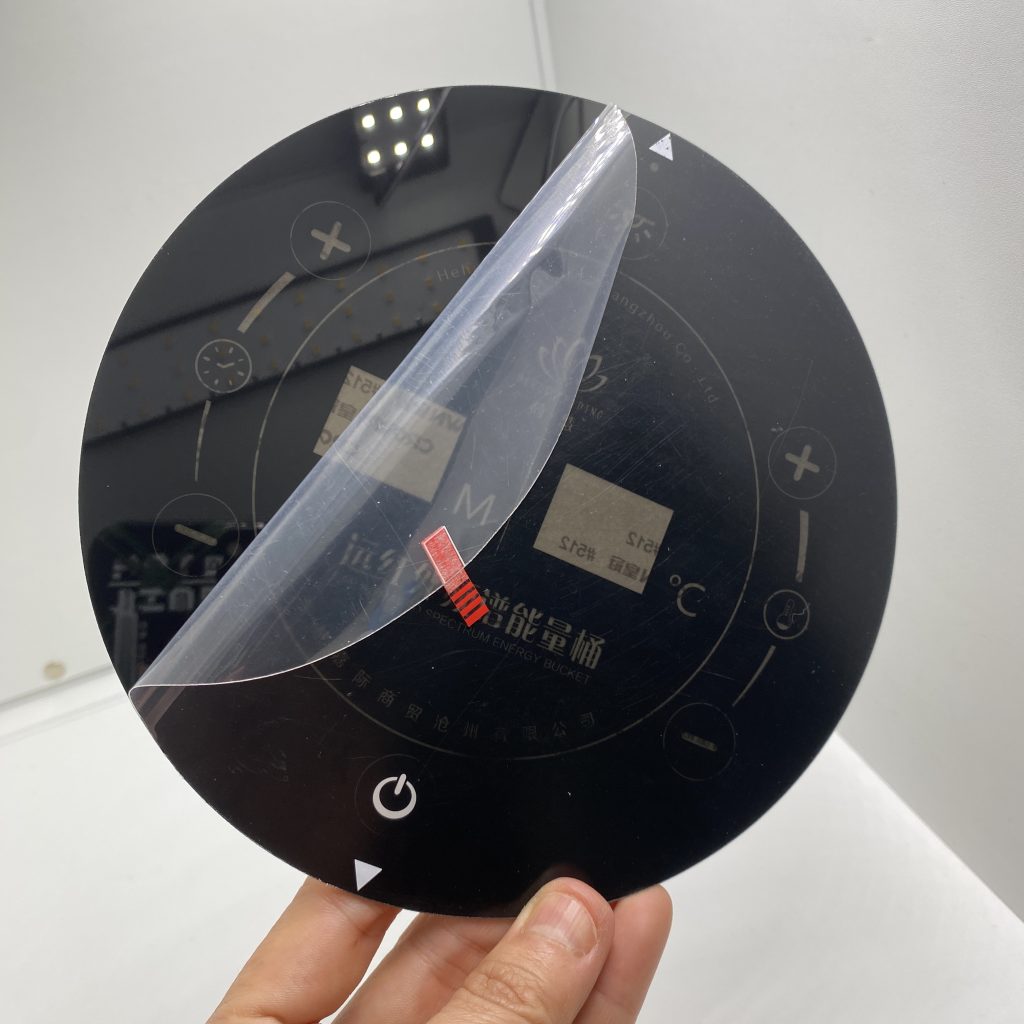
At BX-PANEL (Xiamen XINBIXI Electronic Technology Co., Ltd.), we do not design your products—we manufacture them precisely to your specifications. As a dedicated custom OEM facility, we maintain robust production lines for both high-tolerance screen printing and advanced UV digital printing.
When you submit a technical drawing to our engineering team, we don’t force your project into a single printing method because of equipment limitations. Instead, we run a Design for Manufacturability (DFM) check against your required volume, material BOM, and tolerance specs to ensure the chosen method yields the highest quality at the best price.
Whether you need a quick-turn digital prototype for a trade show next week or a 10,000-piece screen-printed production run for a global rollout, we have the machinery and the cleanrooms to execute your exact vision.
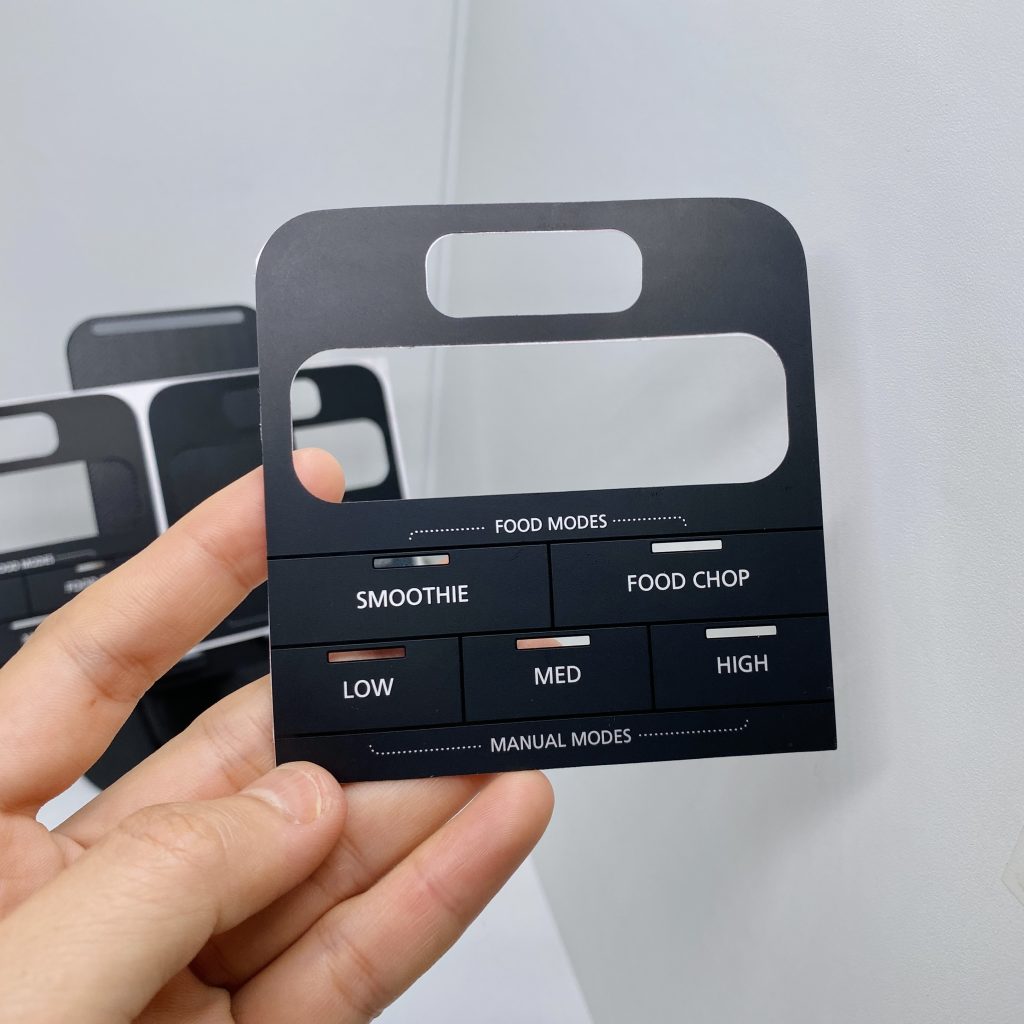
Ready to lock in your BOM and get your overlays into production?
Submit your drawings and volume requirements to our team for a fast, accurate manufacturing assessment.
Website: www.bx-panel.com
Email: [email protected]