Article Body
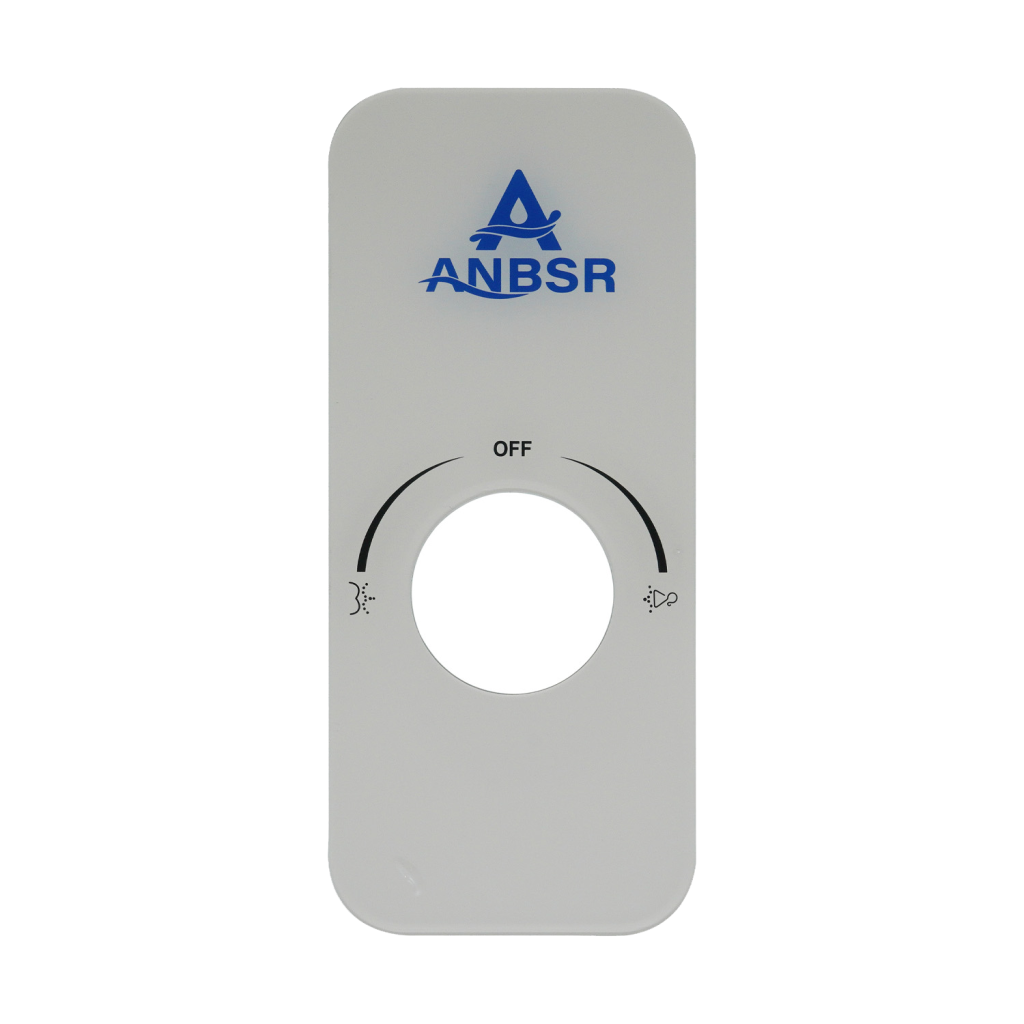
Most graphic overlay rejections we see at BX-PANEL don’t trace back to the production run itself. They trace back to what didn’t get checked before the run started. After more than 10 years manufacturing custom overlays and membrane switches at our Xiamen facility, the pattern is consistent: factories that skip pre-production verification ship panels that look fine in photos and fail in the field.
This is the actual checklist our production team runs before a single panel goes to press.
1. File and Layer Audit
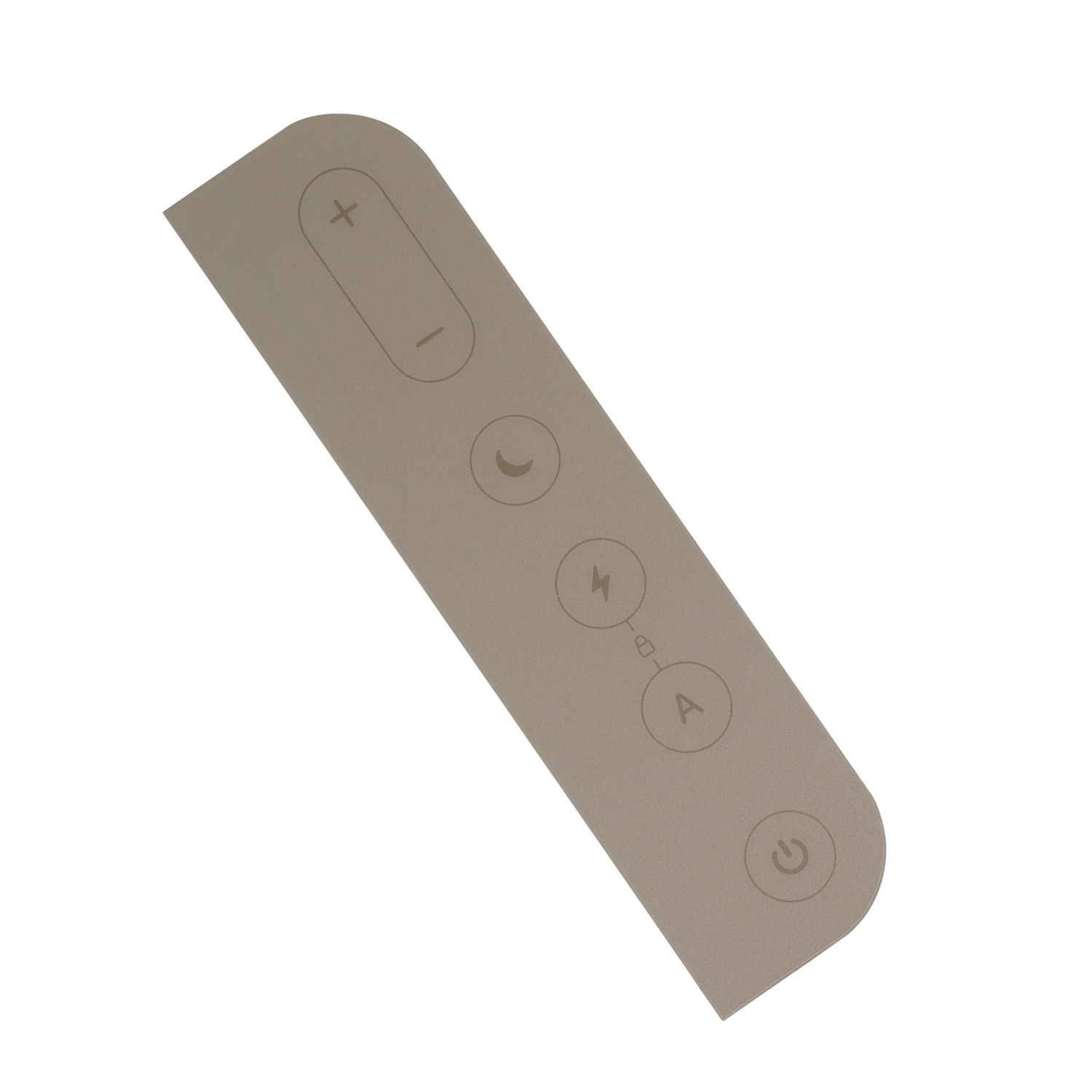
Our engineers open the submitted artwork file before any material is touched. Every layer gets checked individually — color separations, Pantone callouts, window dimensions, LED cutout positions, dome registration marks, and adhesive boundary lines.
The issues we catch most often at this stage: a transparent window edge dimensioned too close to a screen ink zone, causing bleed; a dome position that sits 0.3mm inside a graphic border; a back-print color layer missing from the file entirely. None of these are visible once the panel is finished. All of them are fixable in under five minutes at the artwork stage and expensive to deal with after press.
We resolve every discrepancy directly with the customer before the job moves. No assumptions, no guessing at intent.
2. Incoming Material Inspection
Polycarbonate film and pressure-sensitive adhesive are not commodity items with consistent batch-to-batch behavior. Film thickness can drift within a supplier’s production run. Adhesive lot changes affect peel strength and bond initiation.
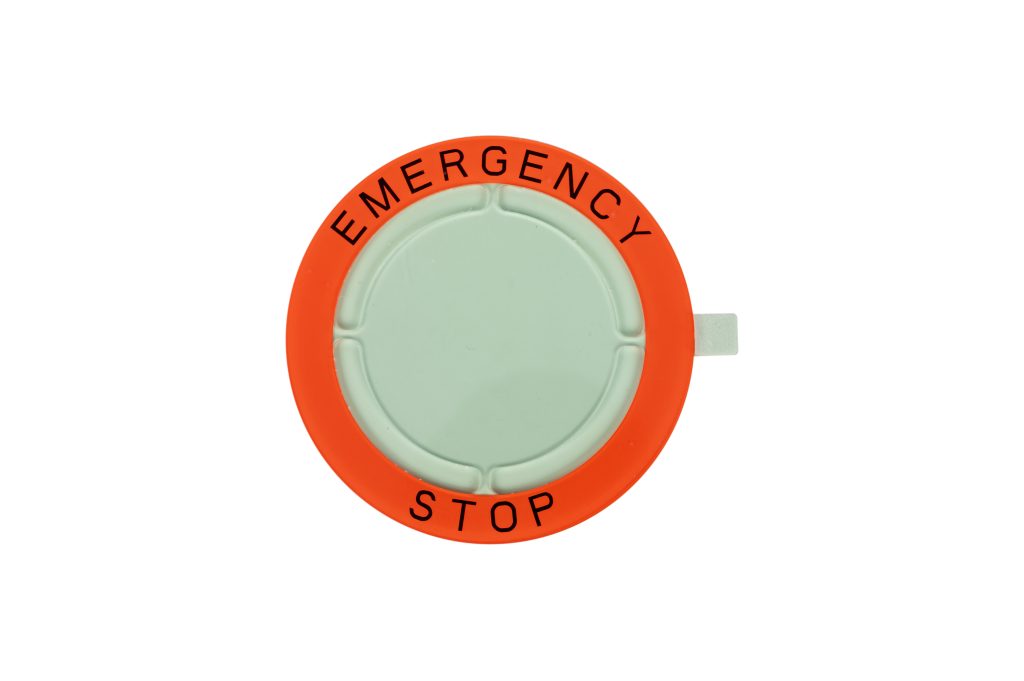
Every incoming shipment at our facility is inspected before it reaches the production floor. For overlay film, we measure thickness tolerance, check surface coating uniformity, and pull samples for clarity under inspection lighting. For adhesives — we stock 3M 467MP and 468MP in-house — we cross-check lot numbers, verify liner integrity, and confirm peel strength against specification.
For panels going into outdoor enclosures or industrial control equipment, the material spec is part of the customer’s product validation. If the adhesive or film that goes into production doesn’t match what was used for the approved sample, the customer’s field performance data is meaningless.
3. Pantone Color Proof Verification
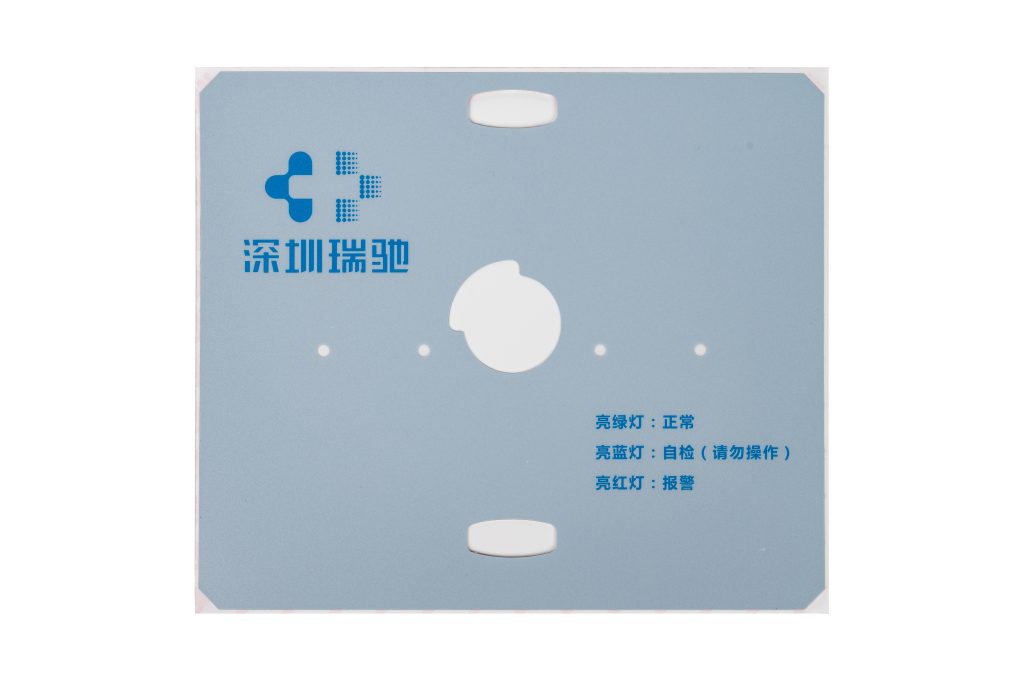
Screen printing color on polycarbonate behaves differently than color on paper or a monitor. Ink opacity, substrate sheen, and backlighting all shift the perceived result. This is the most common source of disputes between overlay buyers and factories — and the most avoidable.
Before a full run is authorized, our press operators print a calibration proof and compare it physically against the customer’s approved Pantone standard under D65 controlled lighting. Digital display comparison is not used. The proof is checked for ink opacity, edge definition, and color match by eye and by instrument.
For back-printed overlays — where the color layer sits between the PC film and the adhesive, and the design is viewed through the substrate — we run an additional check with the proof held face-down over a backlight. A color that reads correctly on the surface can shift one to two Pantone steps when viewed through 0.3mm of polycarbonate under diffused LED illumination.
4. Die Tool Dimensional Check
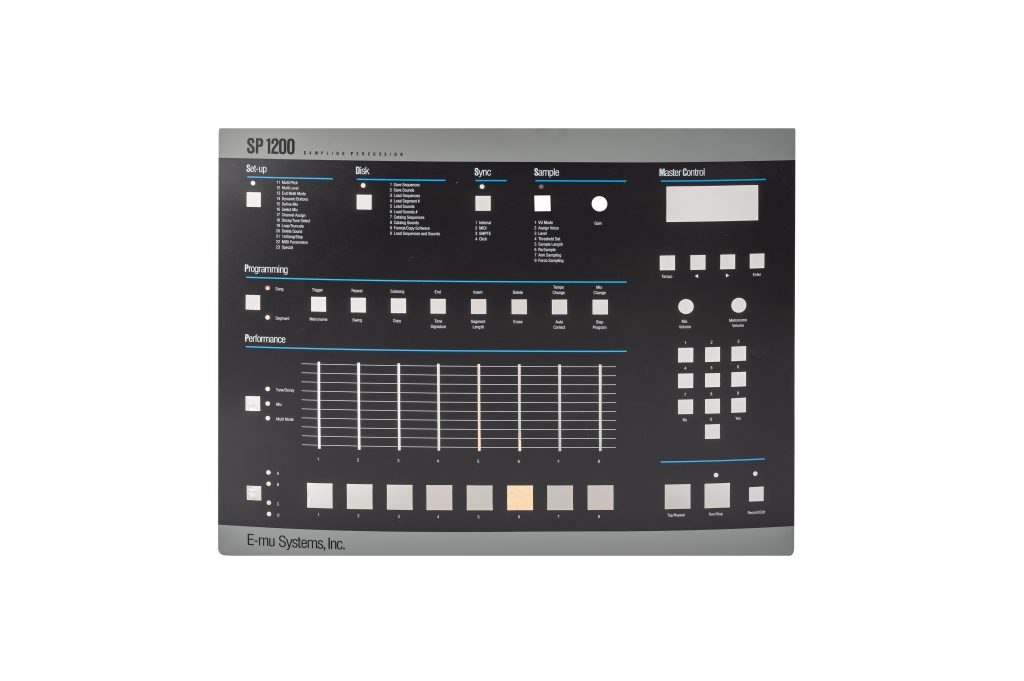
Die tools wear. Corner radii open up, slot edges dull, and critical cutout dimensions drift over repeated production runs. On a consumer product with loose assembly tolerances this may not matter. On an industrial overlay fitting into a machined housing with 0.3mm clearance on each side, a worn tool causes real assembly problems.
Before each job, the relevant die is pulled from the tool store and measured against the approved drawing. We check outer contour dimensions, internal cutout sizes, corner radii, and slot positions. If any dimension is out of tolerance — typically we hold ±0.2mm on precision industrial work — the tool goes to regrind or gets replaced before the run starts.
A window opening 0.5mm oversized won’t be obvious on the bench. It will show as a gap at the bezel edge once the panel is installed on the housing.
5. Emboss Height and Tactile Consistency
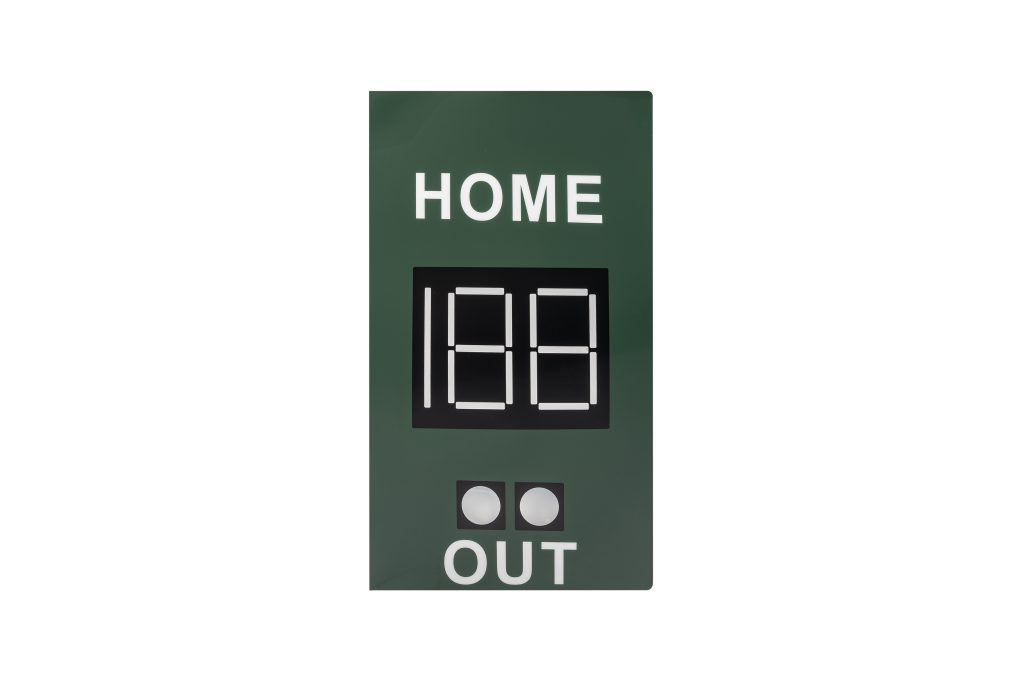
Heat-forming embossed keys into a polycarbonate overlay is not a stamping operation with binary results. The finished height, rim sharpness, and snap ratio of each key depend on tooling temperature, dwell time, material lot, and ambient conditions on the press floor. These variables shift between production runs and even within a single shift.
For panels with embossed keys, we pull a pre-run sample set, measure emboss height against specification, and manually press every key position to check snap ratio consistency. Keys that feel soft or over-formed at this stage indicate a tooling parameter issue. We adjust and re-pull before the run is released.
This matters most for industrial control panels and medical device interfaces, where operators routinely work in gloves or without looking at the panel directly. Inconsistent tactile response across the same panel is a functional defect, not a cosmetic one.
6. First-Article Inspection (FAI)
When the first production panels come off the line, we hold the run and pull a defined sample quantity for formal FAI before authorizing continuation.
FAI covers: visual surface quality (scratches, ink inclusions, voids), dimensional verification against CAD, adhesive coverage and liner peel behavior, display window transparency, emboss height where applicable, and backlight transmission where specified.
The FAI record is documented and filed. Customers can request a copy at any time. Only after FAI sign-off does the remainder of the production run proceed.
A Note on Why This Matters at the Sourcing Stage
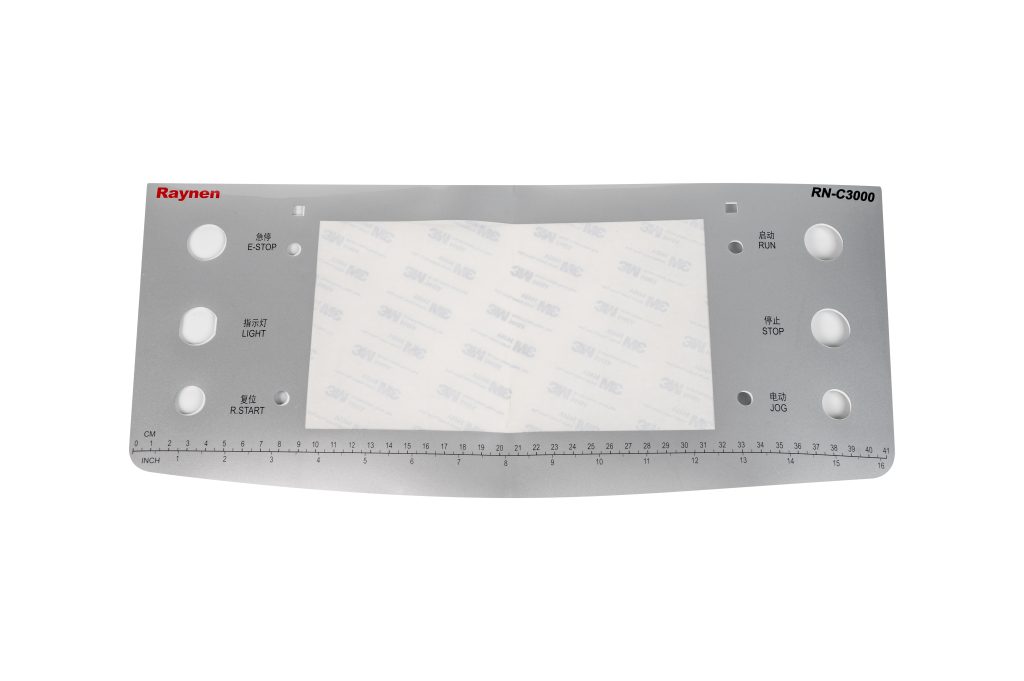
Panels sourced through trading intermediaries typically pass through three or four separate facilities — artwork prep, printing, die-cutting, lamination — each with its own incoming and outgoing inspection gaps. Quality accountability diffuses across handoffs. When a batch fails incoming inspection at the customer’s assembly plant, tracing the root cause back through that chain takes time nobody has.
At BX-PANEL, every step listed above happens inside one facility, managed by one production team. Pre-press engineering, screen printing, UV digital printing, embossing, lamination, die-cutting, and final assembly all operate under the same roof. When a check flags an issue, the correction happens in the same building — usually the same shift.
We’ve been running this production model for over 10 years. The facility is staffed by hundreds of workers across dedicated departments. The sample you approve is built on the same equipment and verified by the same team that runs your volume order.
Contact BX-PANEL
Xiamen XINBIXI Electronic Technology Co., Ltd. (brand: BX-PANEL) manufactures custom graphic overlays, membrane switches, and integrated control panel assemblies for industrial, medical, and commercial equipment.
- Email: [email protected]
- Website: www.bx-panel.com
- Capabilities: Custom graphic overlay manufacturing, membrane switch production, embossed panel assembly, die-cut prototyping