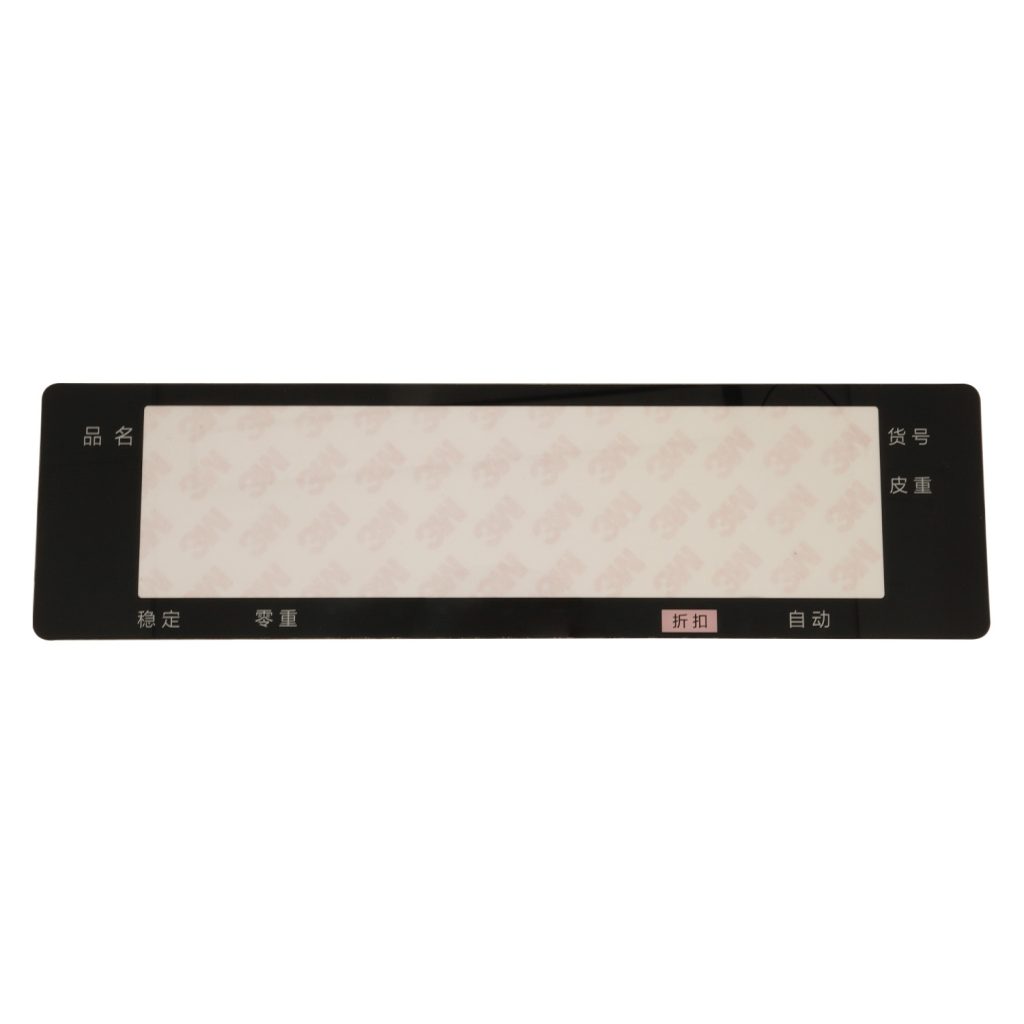



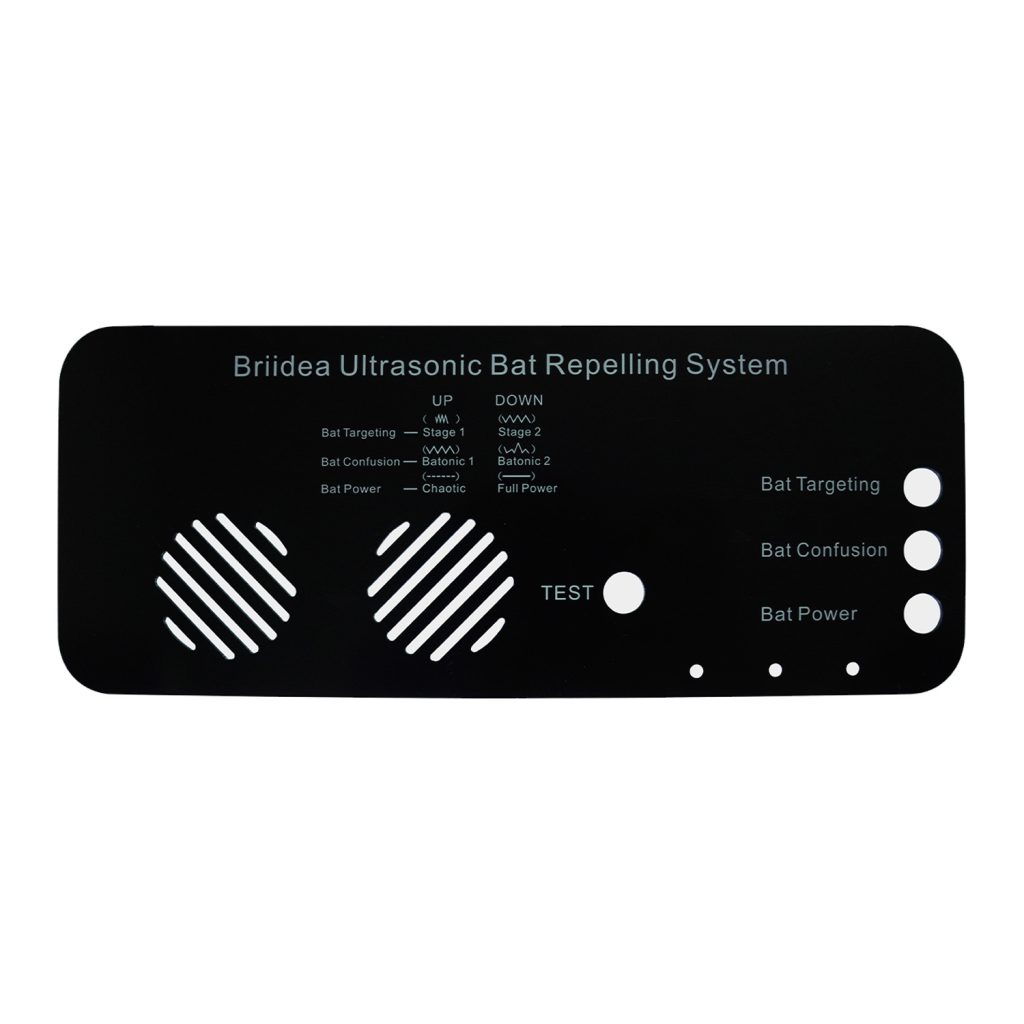
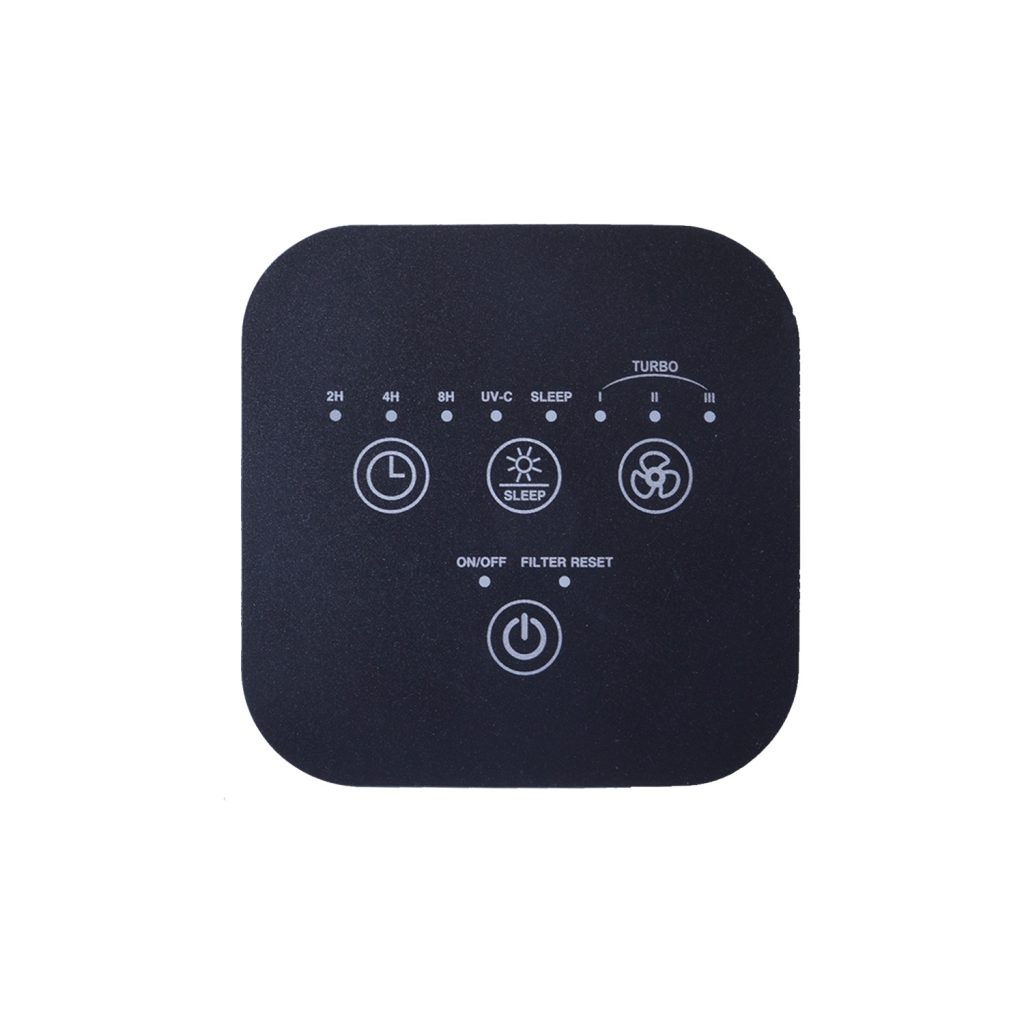
It’s just a sticker on the front of the machine, right? This is a dangerous misconception in membrane switch design. While the graphic overlay might look like a simple cosmetic layer, in real-world production environments, it serves as the frontline defense for your entire control panel.
Recently, a client approached the engineering team at BX-PANEL in full crisis mode. Their newly launched industrial control panels were failing in the field, and they were facing a full batch rework.
The root cause? A seemingly minor decision made months earlier to save a few cents on the overlay material.
Here is the breakdown of what went wrong, why the material failed, and how OEM engineers can avoid making the exact same costly mistake.
The Setup: Trying to Save Pennies on a Premium Product
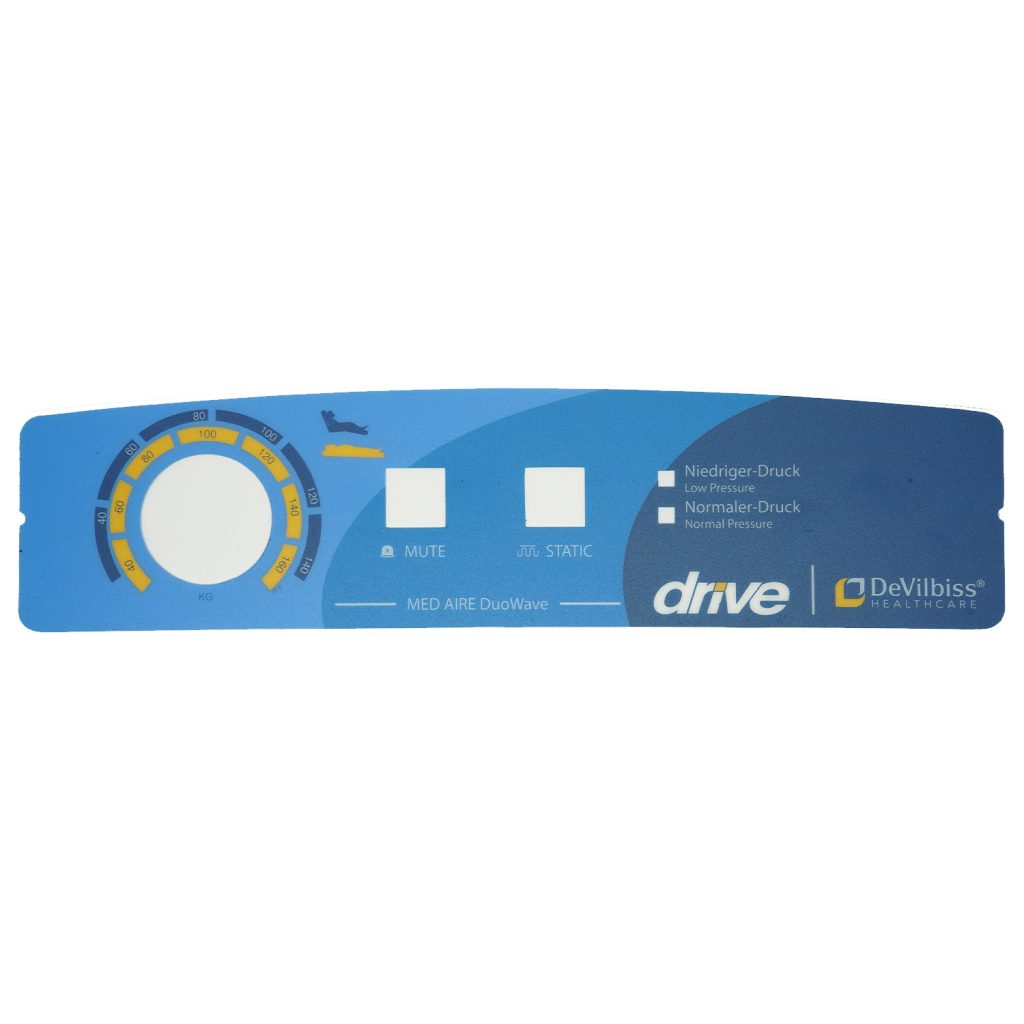
The client was developing an industrial human-machine interface (HMI) designed for semi-outdoor environments. The engineering specifications were clear:
- High Actuation: Buttons would be pressed hundreds of times a day.
- Environmental Stress: Exposure to direct UV light.
- Maintenance Protocol: Routine wipe-downs with harsh industrial cleaning chemicals.
- Lifecycle: Expected lifespan of 3 to 5 years.
To reduce the upfront Bill of Materials (BOM) cost, the original design team specified Polycarbonate (PC) as the graphic overlay material.
On paper, this looked like a reasonable compromise. Polycarbonate is widely available, easy to print on, and highly cost-effective. The prototypes looked fantastic. The product shipped.
Then, the RMA (Return Merchandise Authorization) requests started rolling in.
The Field Failure: When Reality Hits the Spec Sheet
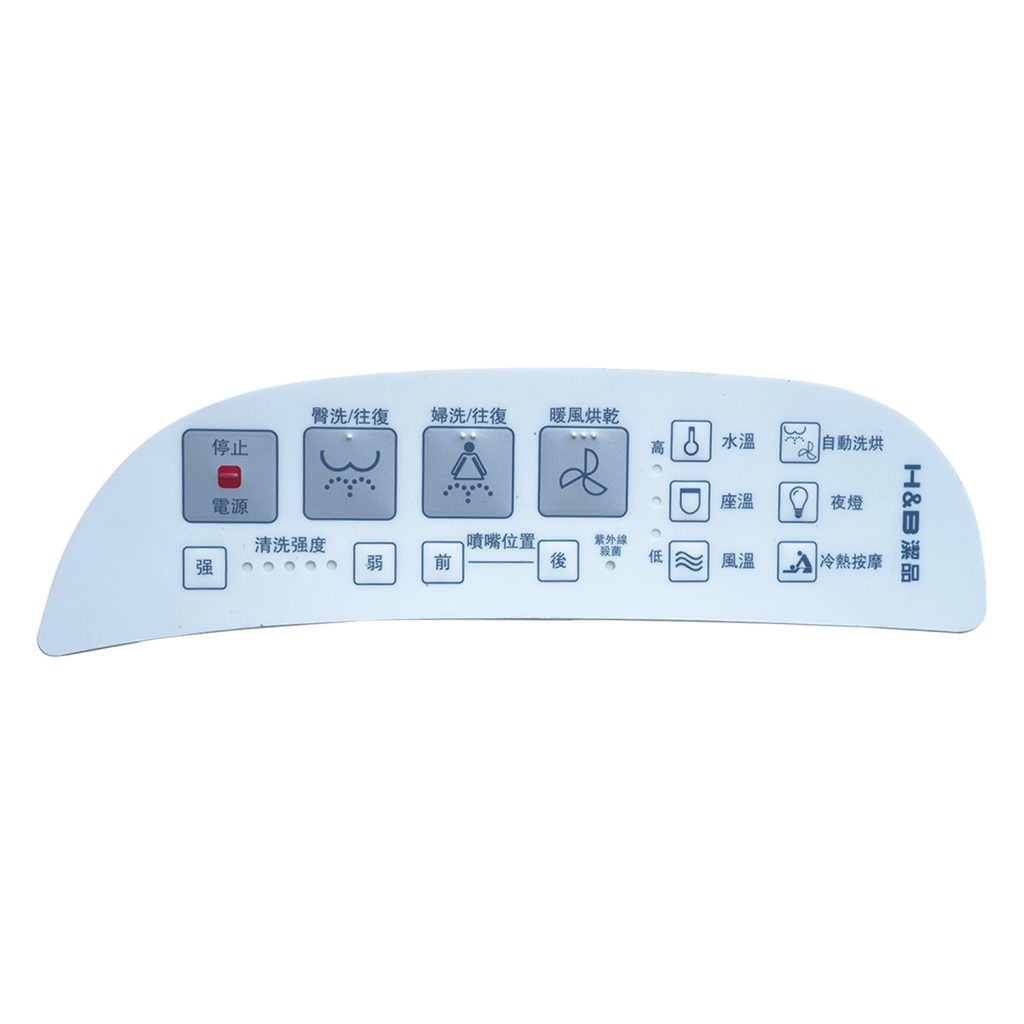
Less than six months after deployment, the control panels began to show severe signs of premature aging. The issues weren’t just cosmetic; they were functional failures:
- Chemical Crazing: The harsh cleaning agents reacted with the unprotected Polycarbonate, causing microscopic cracks (crazing) across the display windows.
- UV Degradation: The printed graphics, lacking proper UV stabilization, faded rapidly under sunlight, rendering the operating instructions unreadable.
- Mechanical Fatigue: The embossed buttons—which were flexed repeatedly during operation—began to crack at the edges, destroying the waterproof seal of the panel.
The fallout was immediate. The client faced skyrocketing customer complaints, severe brand damage, and the astronomical cost of dispatching technicians to replace entire control panels in the field. The initial savings from using Polycarbonate were instantly wiped out by the rework costs.
The Teardown: The Polycarbonate vs. Polyester Trap
When the client brought the failed units to BX-PANEL, our analysis quickly pinpointed the mismatch between the material chemistry and the operating environment.
Why PC Failed Here: While PC has excellent impact resistance (which is why it’s used in safety goggles), it has a remarkably low fatigue life for continuous flexing. Furthermore, standard PC is highly susceptible to chemical attack and yellows quickly under UV exposure unless treated with expensive hardcoats.
Why PET Was Mandatory: For applications requiring frequent button actuation (flexing) and chemical exposure, Polyester (PET) is the undisputed champion. High-grade PET, such as Autotype film, can withstand over 5 million flex cycles without cracking. It inherently resists harsh solvents and provides a vastly superior base for UV-stable outdoor applications.
The verdict was simple: The original material was never engineered for the reality of the application.
The BX-PANEL Solution: Redesigning for Survival
We didn’t just swap the plastic; we completely re-engineered the material stack. Working closely with the client, the BX-PANEL team implemented:
- High-Grade Textured PET: Replaced the PC with a chemically resistant, high-flex polyester substrate.
- Sub-Surface UV Printing: Printed the graphics on the back of the transparent PET layer, ensuring the ink could never be scratched or worn off by operators.
- Targeted Embossing: Redesigned the tactile domes to match the flex characteristics of the new PET material.
The Result: The redesigned panels have been in the field for over two years with a zero percent failure rate related to the graphic overlay. The client restored their reputation and secured their future production runs.
3 Hard Truths for OEM Procurement and Engineering
If you are sourcing membrane switches or graphic overlays, let this case study be a warning. Keep these three rules in mind:
- BOM Cost vs. Total Cost of Ownership: Saving $0.20 on a cheaper overlay material will cost you $200 in field replacement labor. Never specify materials in a vacuum.
- Flex Life is Non-Negotiable: If your overlay has embossed buttons over metal domes, Polycarbonate is almost always a risk. Always default to Polyester (PET) for tactile applications.
- Define the Chemicals Early: Before approving a prototype, explicitly list every cleaning chemical the end-user might apply to the panel.
Get It Right the First Time
At Xiamen XINBIXI Electronic Technology Co., Ltd. (BX-PANEL), we believe that an overlay shouldn’t just look good when it comes out of the box—it needs to survive the factory floor, the hospital ward, and the outdoor elements.
With nearly a decade of experience, a 3,000㎡ in-house manufacturing facility, and a dedicated engineering team, we help OEM clients select the exact material stack their environment demands.
Don’t let a material mismatch ruin your next product launch. If you are currently designing a custom interface or experiencing unexpected field failures, let our experts review your stack-up.
🌐 Website: www.bx-panel.com
📧 Email: [email protected]