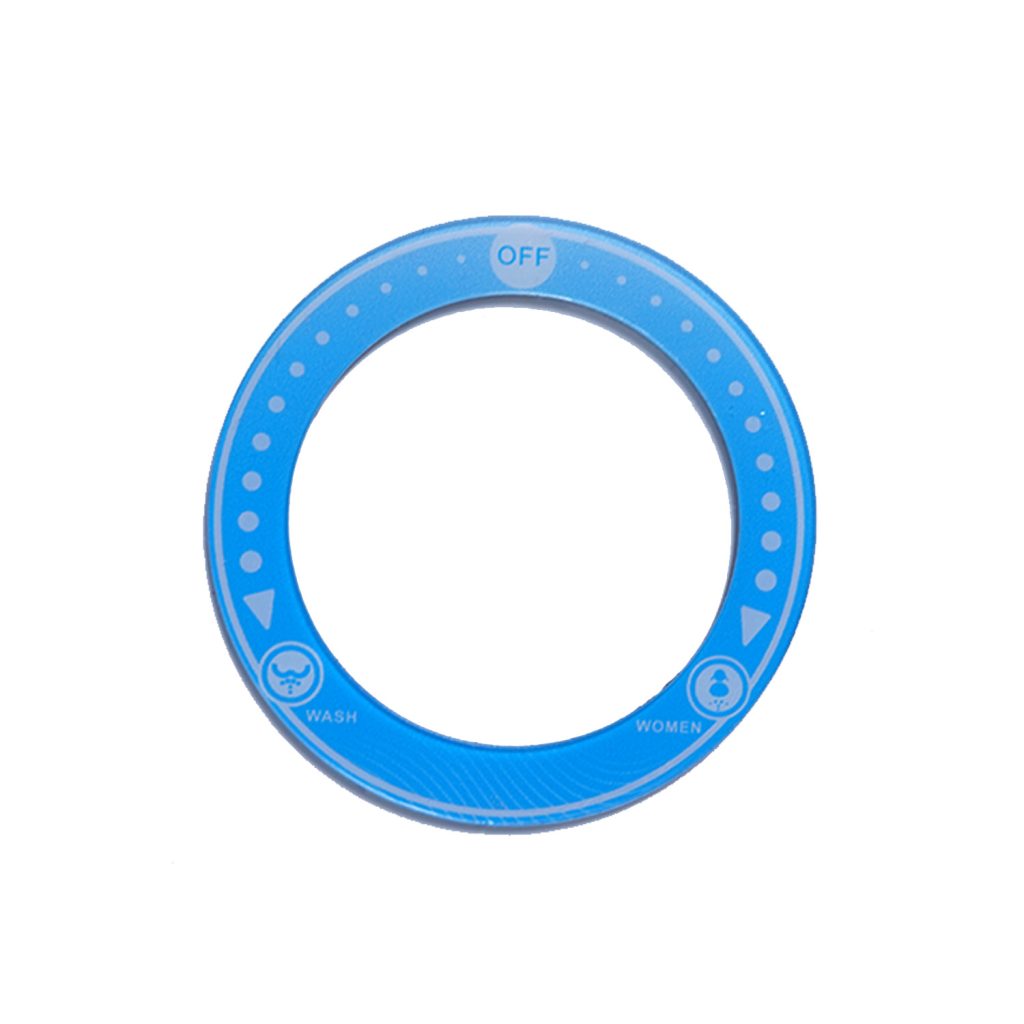



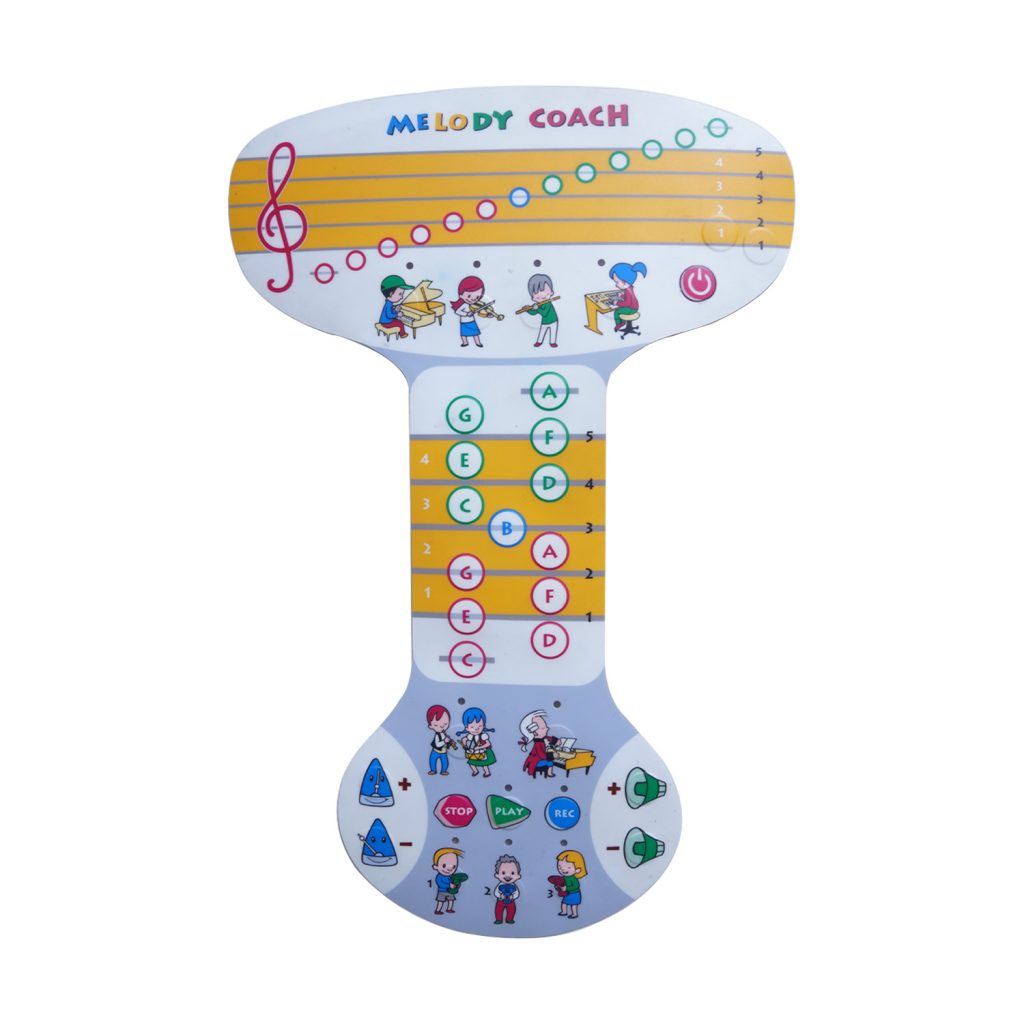
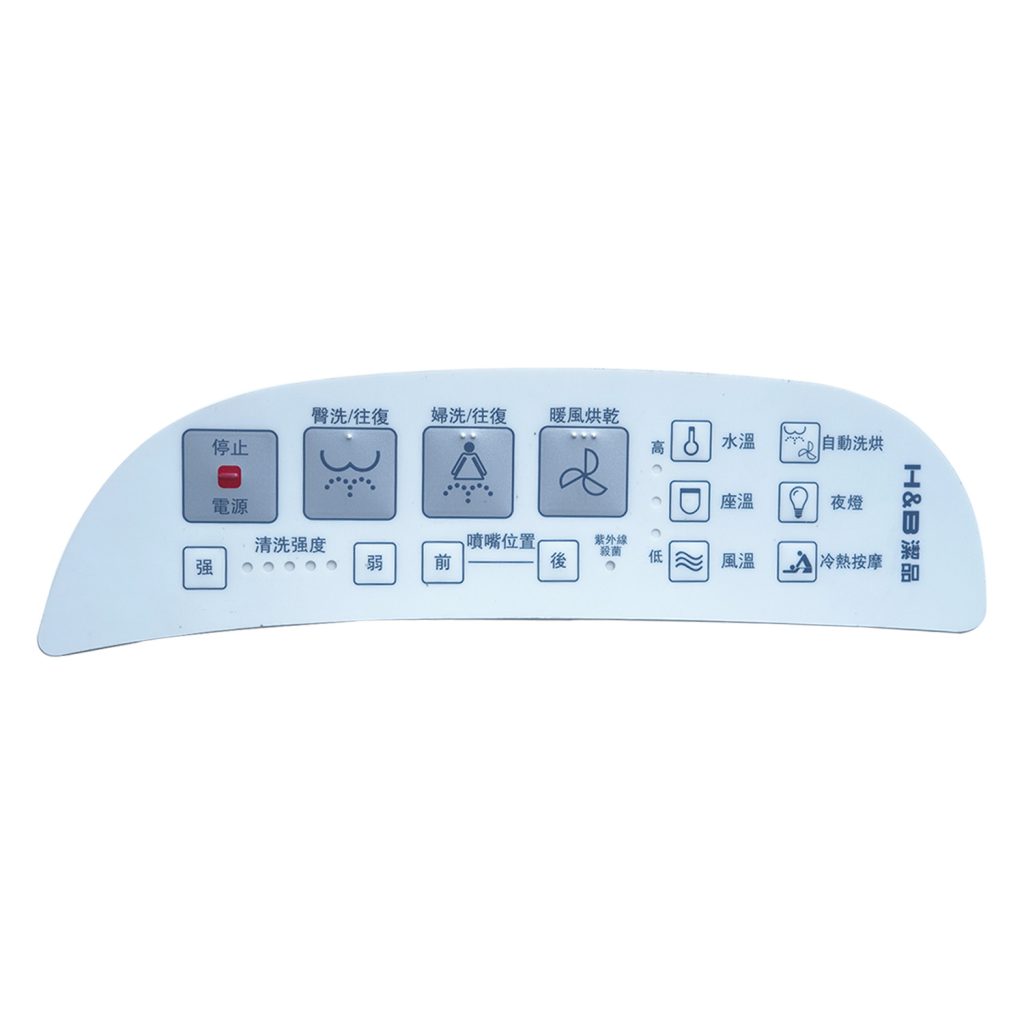
A graphic overlay isn’t just a sticker on a piece of equipment. It is a highly functional interface layer combining material science, printing technology, and user interaction.
Whether you are building a medical ventilator or an industrial control panel, the overlay is often the most handled part of the device. Its performance directly affects both product reliability and how users perceive the brand. In real-world manufacturing, a “universal” overlay simply doesn’t exist. Temperature swings, chemical exposure, and mechanical stress mean that every interface must be engineered specifically for its final environment.
Based on over a decade of manufacturing experience at BX-PANEL, here is a look at how different industries dictate overlay design and how to avoid common engineering pitfalls.
What Makes or Breaks an Overlay?
When engineering an interface, a few core technical decisions determine how long the product will actually survive in the field:
- Substrate Materials: Polyester (PET) is the standard for industrial membrane switches because of its high flex life and tear resistance. Polycarbonate (PC), on the other hand, is generally reserved for consumer products where optical clarity and cost matter more than extreme mechanical endurance.
- Adhesive Systems: You can’t use standard glue on a textured powder-coated metal housing. High-bond acrylic adhesives are necessary for rough surfaces, while silicone-based adhesives are brought in for high-heat environments.
- Printing Methods: Sub-surface printing is non-negotiable for durability. By printing the graphics on the underside of a clear substrate, the ink is permanently protected from fingers, keys, and cleaning chemicals.
- Tactile and Functional Elements: Overlays often house metal domes for physical feedback, dead-front transparent windows (where icons are only visible when backlit), and EMI/RFI shielding to protect the electronics underneath.
- Coatings: Anti-glare finishes improve readability under harsh factory lighting, hard-coats resist scratches, and anti-microbial treatments are standard for healthcare settings.
How Design Requirements Shift by Industry
Medical Devices
In hospitals and clinics, equipment is constantly wiped down with harsh chemicals. Medical device overlays prioritize infection control and ingress protection.
- Chemical Resilience: Must survive repeated exposure to alcohol, bleach, and hospital-grade disinfectants without the ink fading or the plastic crazing.
- Fluid Sealing: Fully sealed edges to prevent fluids from reaching internal electronics.
- Hygiene: Anti-microbial coatings actively reduce the spread of surface bacteria.
- Regulatory Compliance: Designs must align with standards like UL 60601-1 and ISO 10993.
Heavy Industrial Machinery
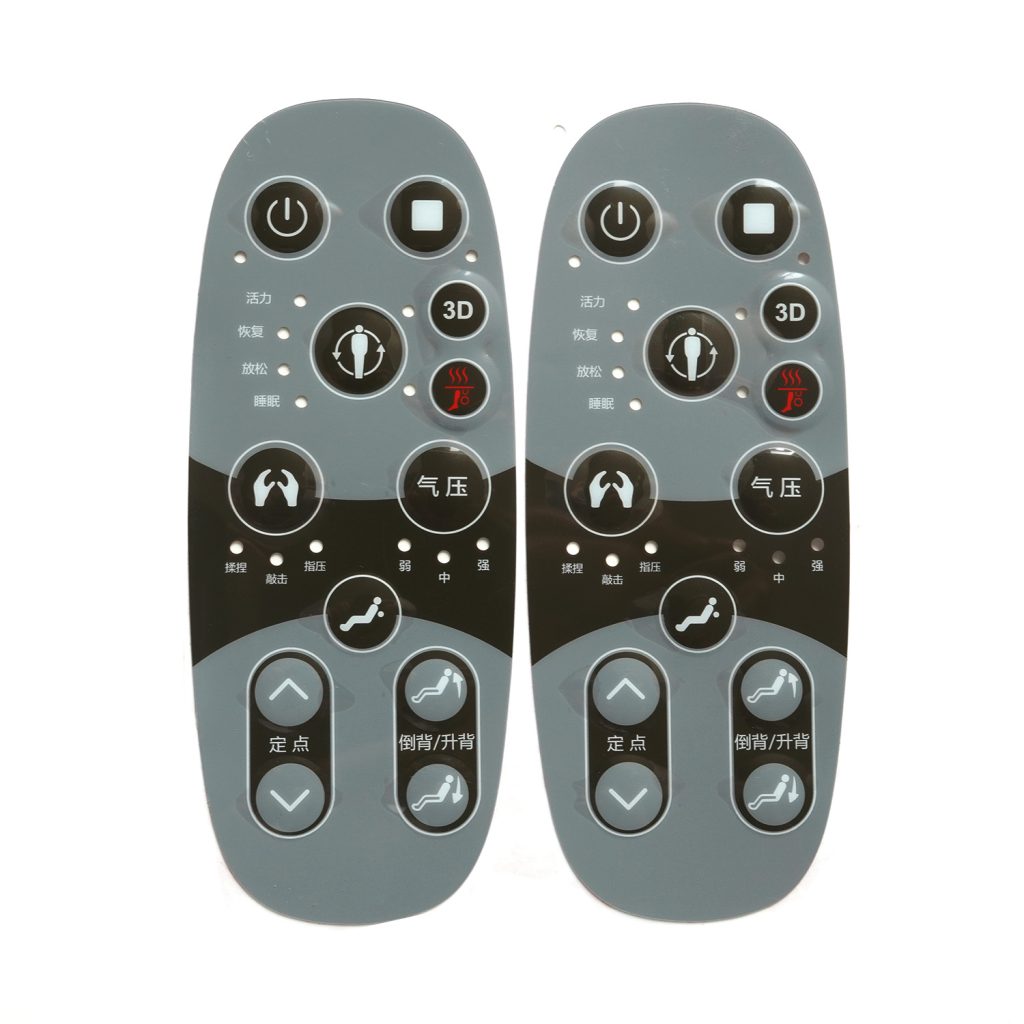
Industrial membrane switches take a beating. Operators use them with heavy gloves, tools are dropped on them, and they are exposed to grease.
- Thick Substrates: Using heavier polyester layers (0.18–0.25 mm) to prevent punctures.
- Aggressive Environments: High tolerance to machine oils, industrial solvents, and abrasive dust.
- Heavy-Duty Adhesives: Formulated specifically to grip rough, cast-metal enclosures.
- Exaggerated Tactile Feedback: Integrated metal domes ensure the operator feels the “click” even through thick protective gear.
Consumer Electronics & Appliances
For home products, the focus shifts to visual appeal and intuitive touch, heavily balancing aesthetics with unit cost.
- Premium Finishes: Glass-like gloss or fingerprint-resistant matte textures.
- Touch Integration: Optimized for capacitive touch sensors rather than physical buttons.
- Smart Illumination: Backlit icons and dead-front displays that look sleek when powered off.
Automotive & Transportation
Vehicle interfaces face violent temperature shifts and require high visibility.
- Thermal Resilience: Materials that won’t warp or crack during rapid freeze-thaw cycles or under intense dashboard heat.
- Driver Safety: Anti-glare coatings to prevent blinding reflections, and distinct physical buttons so drivers can operate controls without taking their eyes off the road.
Outdoor & Renewable Energy
Equipment like solar inverters or EV charging stations sit outside for years. Their overlays have to survive the elements.
- Waterproofing: IP67 or IP68 rated sealing against heavy rain and snow.
- Sun Protection: Highly UV-resistant materials and inks to prevent yellowing, cracking, and fading over a 10+ year lifespan.
Where Designs Usually Go Wrong
The most common failure points we see in the field usually stem from initial design oversights:
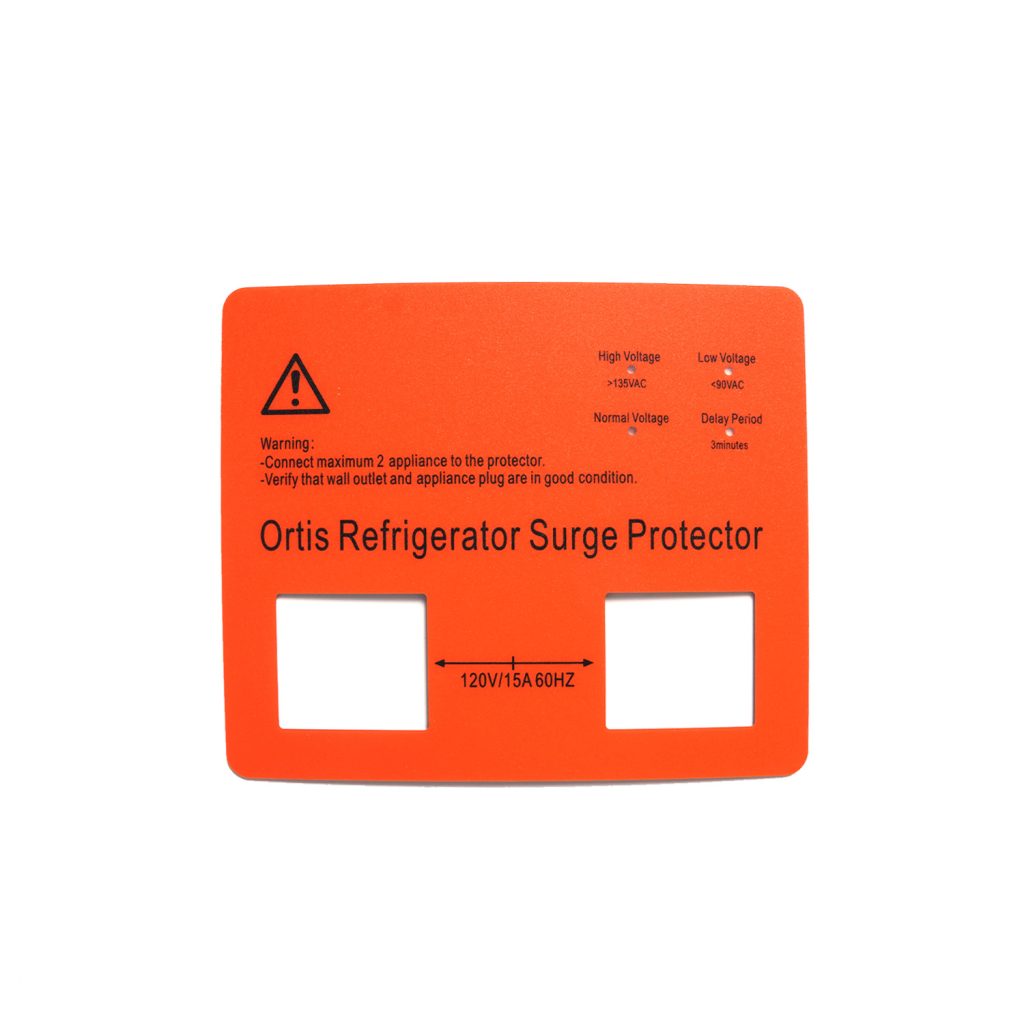
- Copy-pasting specs: Using an indoor consumer-grade PC overlay on an outdoor machine, resulting in yellowing and cracking within a year.
- Ignoring the cleaning process: Overlooking the chemicals an end-user will apply, leading to smeared ink or degraded plastic.
- Under-speccing the adhesive: Failing to account for the texture of the housing material, resulting in the overlay peeling at the corners.
- Poor tactile feedback: Designing a flat interface for an industrial machine, causing operators to press too hard and wear out the underlying sensor.
The Value of Manufacturing Experience
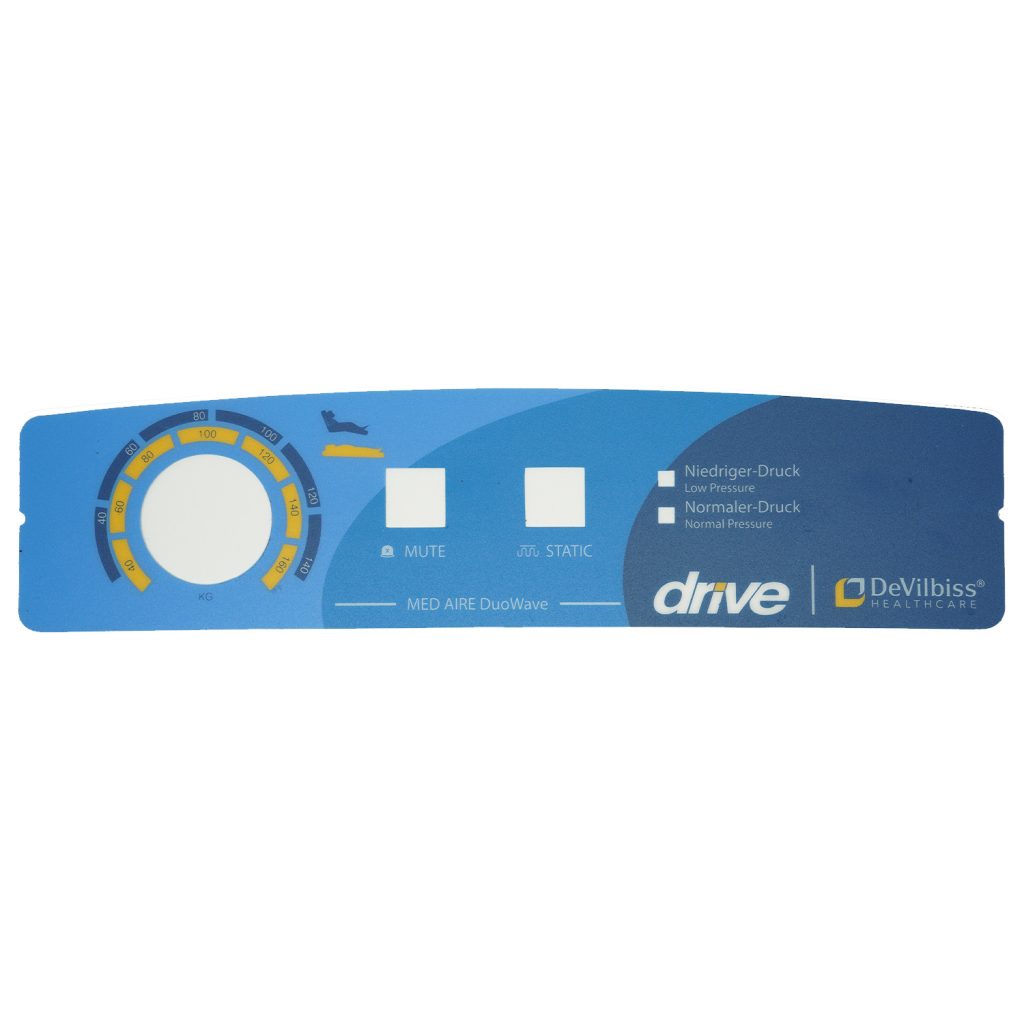
Getting the graphic overlay right requires knowing what materials fail and why. Working with an experienced manufacturer bridges the gap between a design concept and a field-ready product. A specialized supplier doesn’t just print the file; they recommend the exact PET thickness, match the 3M adhesive to your specific metal housing, and ensure compliance with RoHS and REACH.
About BX-PANEL
This guide is drawn from the engineering files of Xiamen XINBIXI Electronic Technology Co., Ltd. (BX-PANEL). With over 10 years of dedicated production experience, we manufacture custom overlays for industrial, medical, and commercial applications globally.
Operating a 3000㎡ facility with over 100 skilled operators, BX-PANEL handles the entire production process in-house—from material selection and sub-surface printing to metal dome integration and final testing.
- Website: www.bx-panel.com
- Contact: [email protected]
FAQs
What exactly is a graphic overlay?
It is the outermost layer of a device’s control panel. It labels the buttons, protects the internal circuitry from damage, and provides the physical interface for the user.
Why choose PET over PC?
Polyester (PET) is much stronger and can be flexed millions of times without snapping, making it ideal for buttons. Polycarbonate (PC) is easier to manufacture and clearer, but it will crack under repeated bending and scratches more easily.
How do you make an overlay waterproof?
Waterproofing requires a combination of continuous adhesive gaskets, sub-surface printing, and ensuring the overlay material wraps securely over the lip of the device enclosure.
How long should a custom overlay last?
With the correct material and adhesive choices, an industrial or outdoor overlay is engineered to last well over a decade, even in harsh weather conditions.