FPC vs. PET Membrane Switches: Which is Best for Your Custom Project?
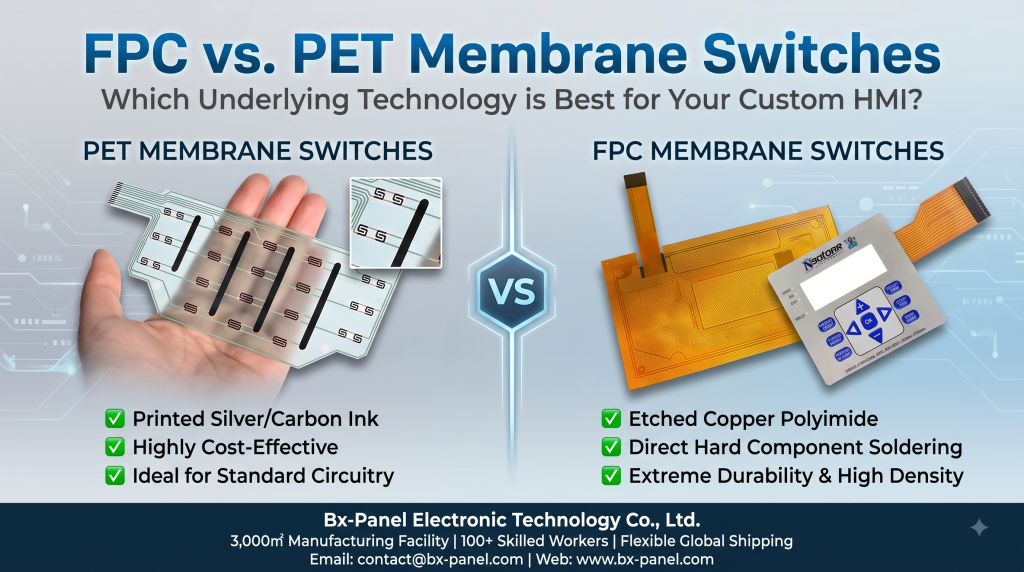
Choosing the right underlying circuit material is one of the most critical decisions in designing a custom membrane switch. For most industrial and commercial applications, the choice narrows down to two dominant materials: PET (Polyethylene Terephthalate) and FPC (Flexible Printed Circuit).
If you are an engineer or product manager wondering which option suits your next Human-Machine Interface (HMI) project, here is a concise, professional guide to help you make the right choice.
Understanding PET Membrane Switches
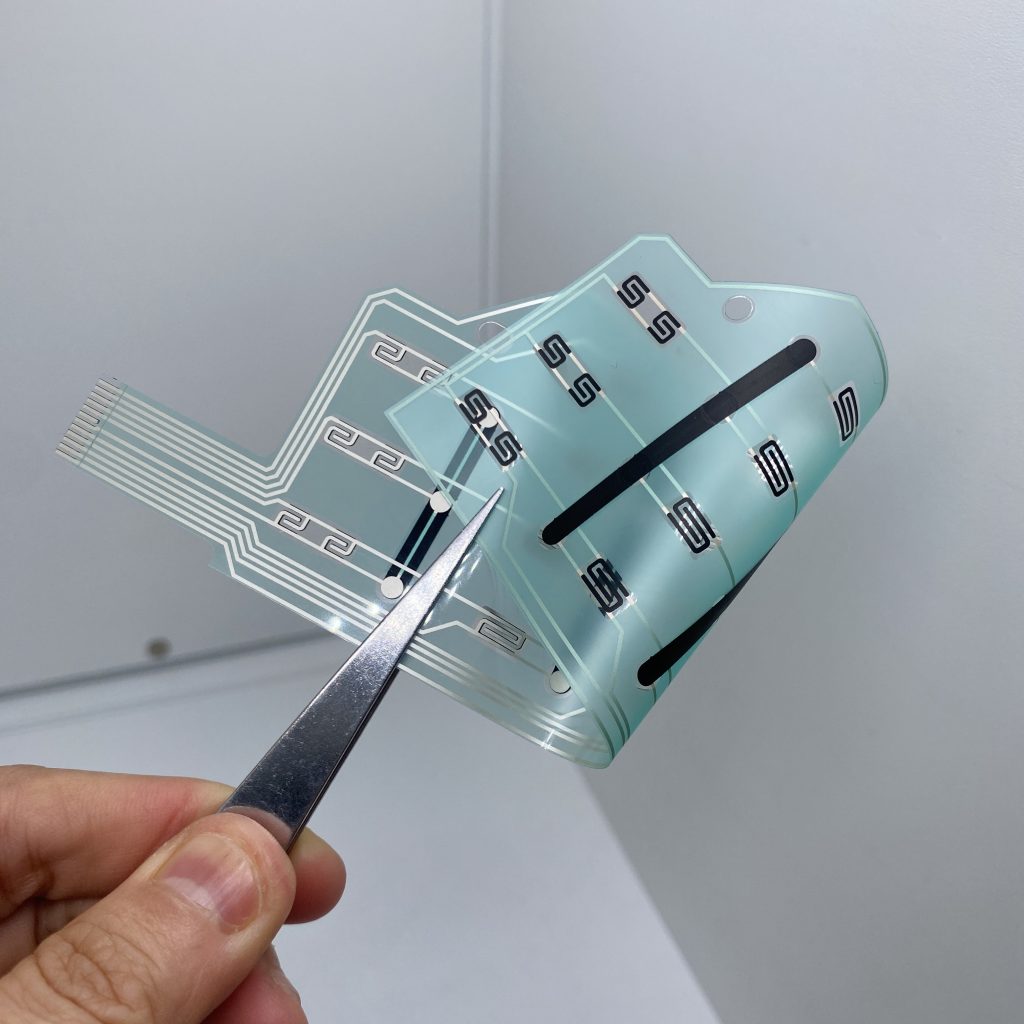
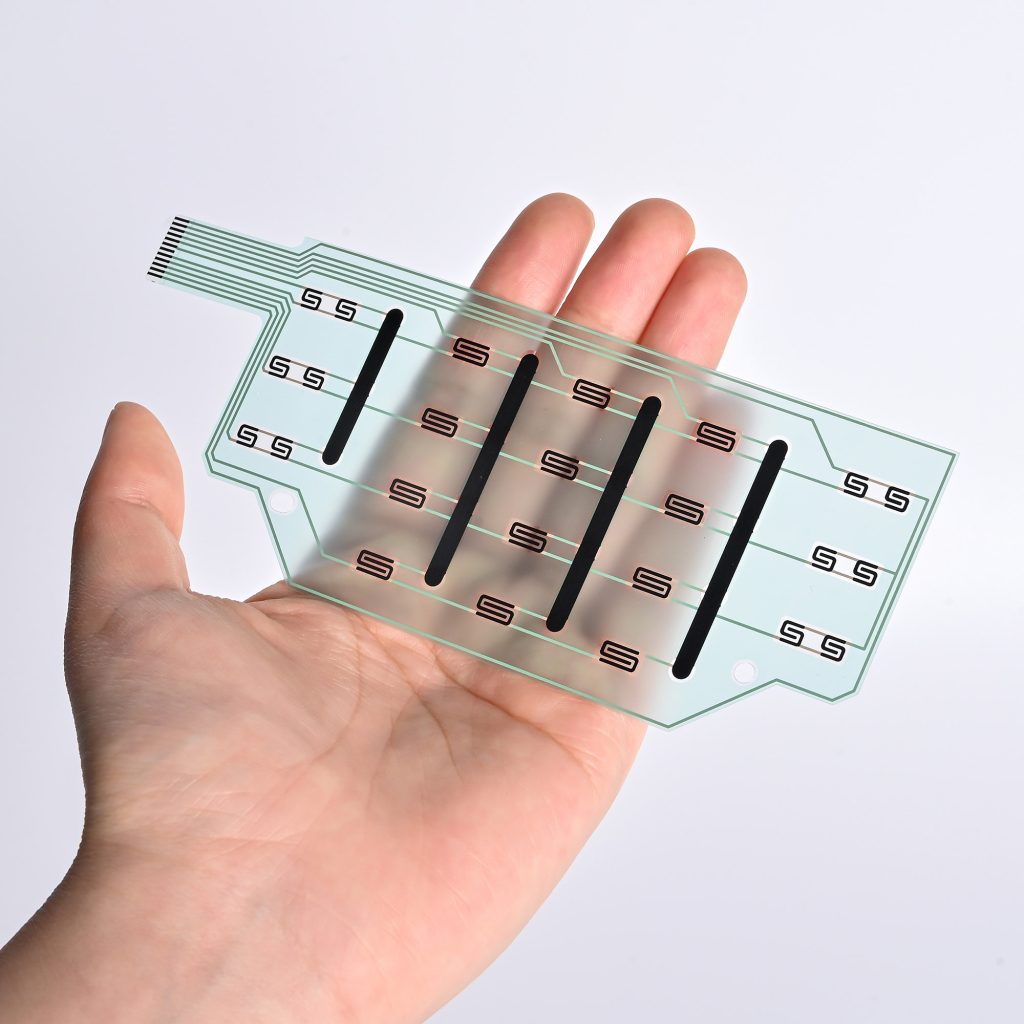
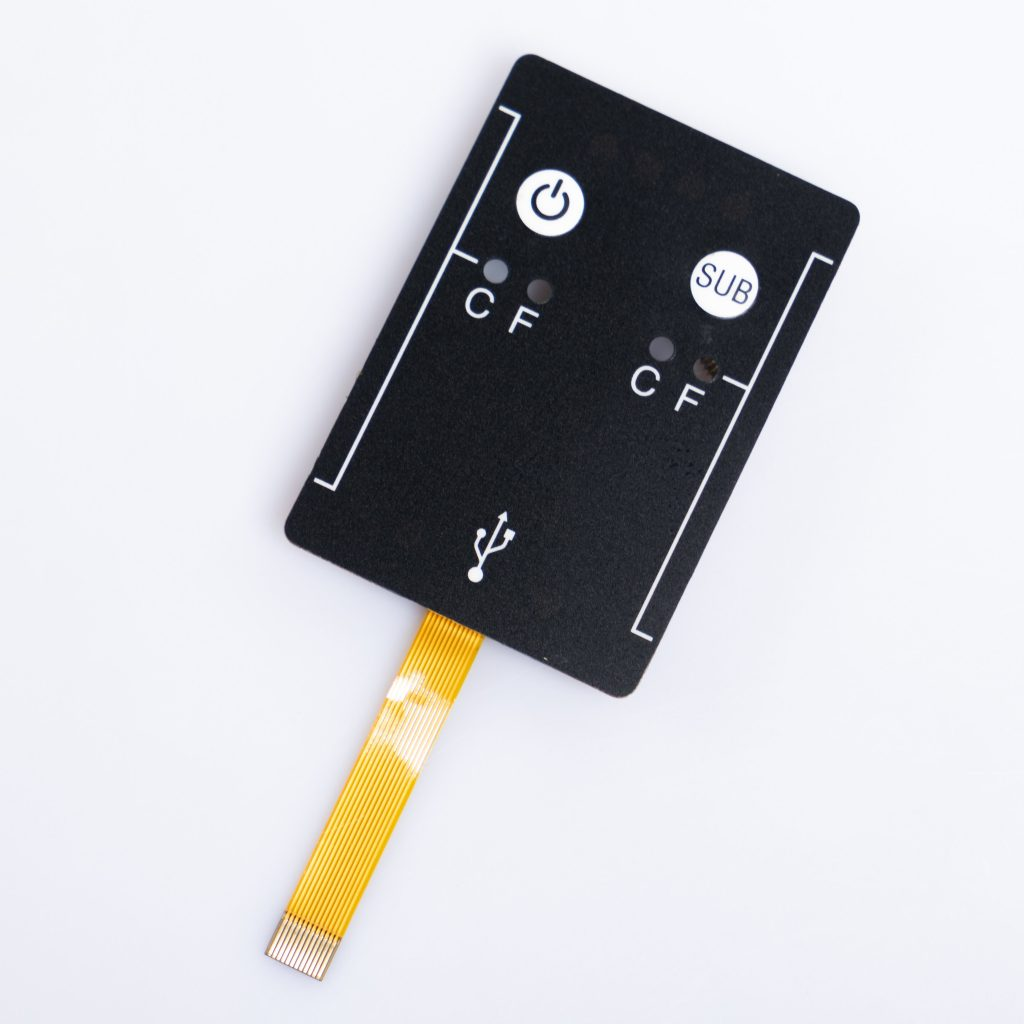
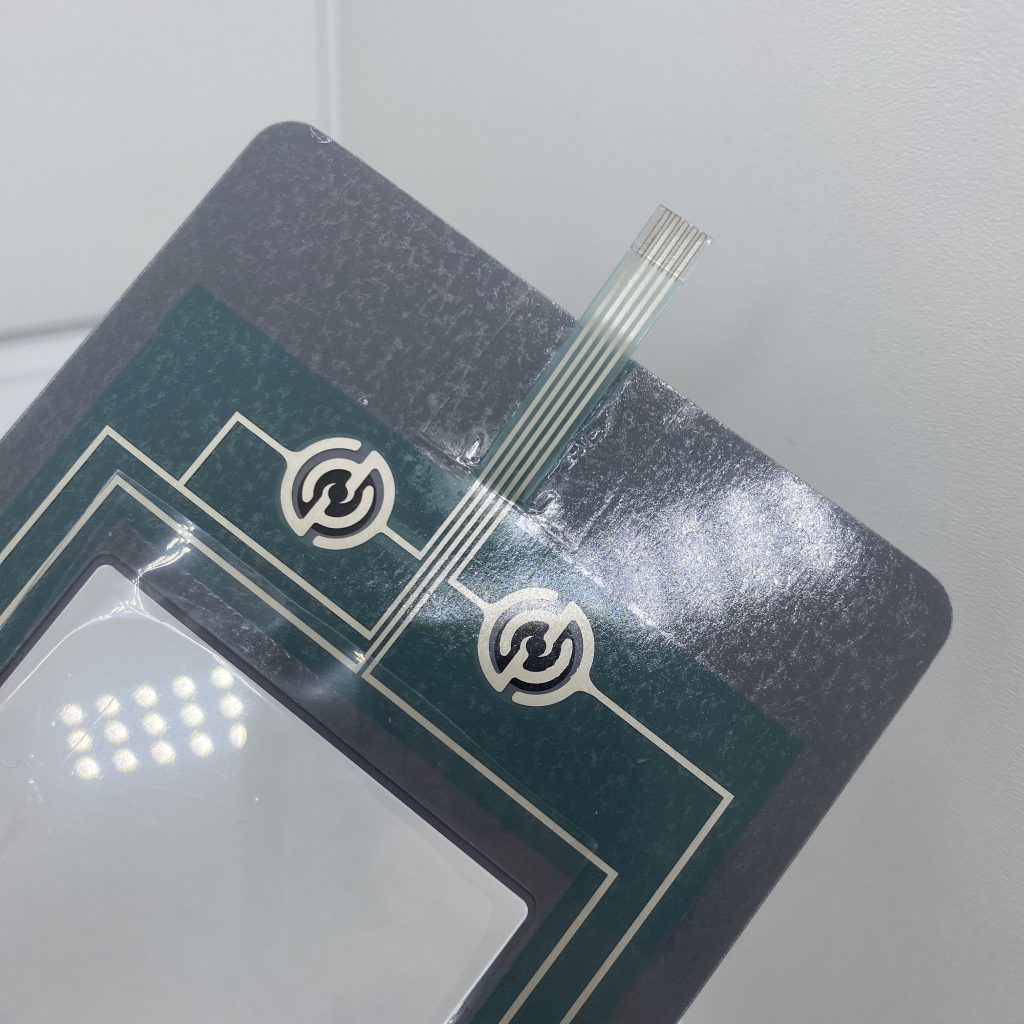
PET is the most common material used for standard membrane switch circuits. Conductive silver and carbon inks are screen-printed directly onto the flexible PET film to create the circuitry.
Cost-Effective: PET is significantly more affordable than FPC, making it ideal for projects with strict budget constraints.
Excellent Chemical Resistance: It holds up well against common solvents and cleaning agents.
Best For: Household appliances, standard medical equipment, and basic industrial controls where circuitry is relatively simple.
Understanding FPC Membrane Switches
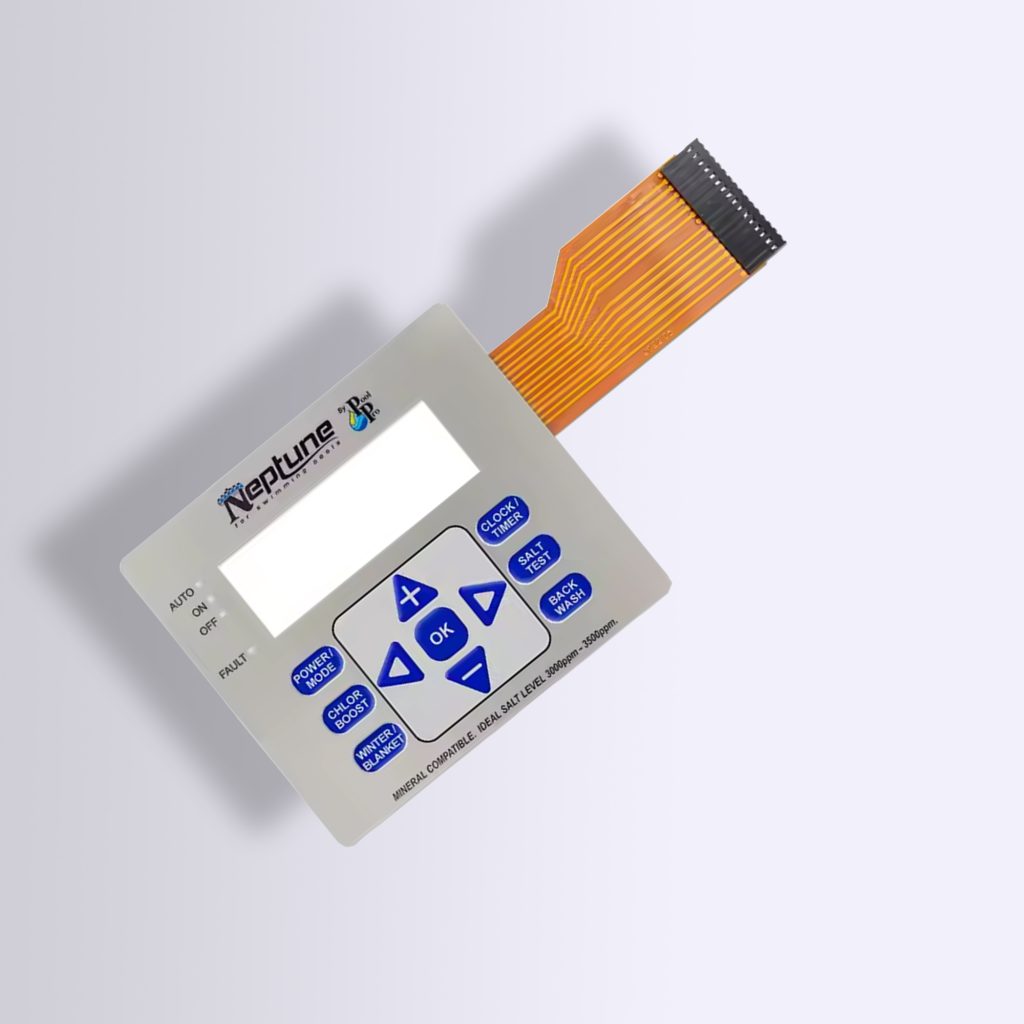
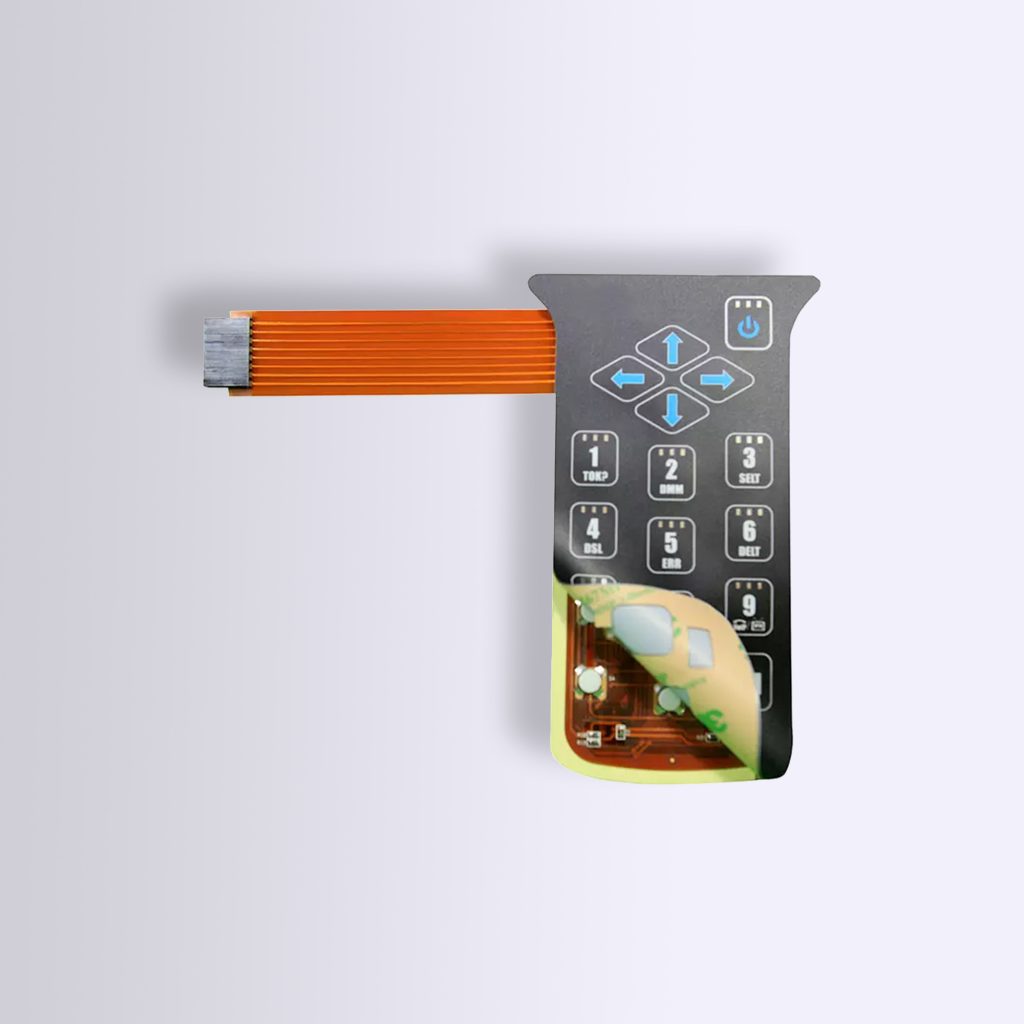
FPC (Flexible Printed Circuit) utilizes a base layer of Polyimide (PI) laminated with copper foil. The circuits are etched into the copper rather than printed with ink.
Unmatched Durability: Copper circuits do not suffer from “silver migration” or cracking under extreme bending. FPC boasts a significantly higher flex life and can withstand severe vibration.
High-Density Routing & Soldering: FPC can handle incredibly tight circuit traces. More importantly, hard-tool components (like LEDs, resistors, and IC chips) can be directly and securely soldered onto the FPC board, which is impossible with PET.
Best For: Aerospace, high-end medical devices, outdoor harsh environments, and highly complex : Membrane Switches that require dense component integration.
Quick Comparison Table
Feature
PET Membrane Switches
FPC Membrane Switches
Circuit Material
Printed Silver/Carbon Ink
Etched Copper Foil
Base Material
Polyester (PET)
Polyimide (PI)
Component Soldering
Weak (Uses conductive adhesive)
Excellent (Direct hard soldering)
Circuit Density
Standard
High (Allows tight and complex routing)
Cost
Economical
Higher
Overall Durability
Good
Exceptional
Company Backing: Your Trusted Manufacturing Partner
Bx-Panel has been at the forefront of the electronic printing and HMI industry for nearly 10 years. Located in Xiamen, Fujian, China, we operate a state-of-the-art 3,000㎡ manufacturing facility powered by over 100 skilled workers and a dedicated, innovative design team.
As a premier membrane switch manufacturer, our extensive business scope includes: