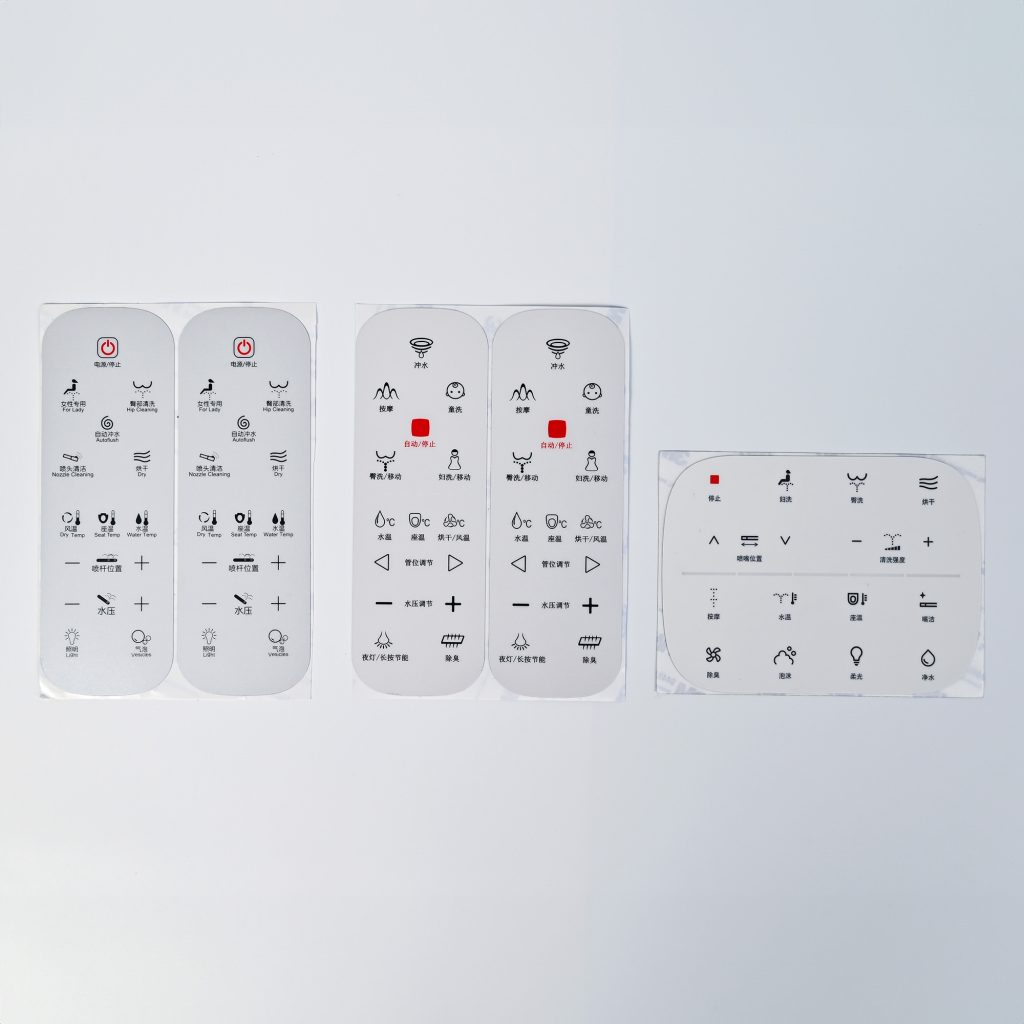
Screen-Printed vs. Digitally-Printed Panels: Which One Should You Choose?
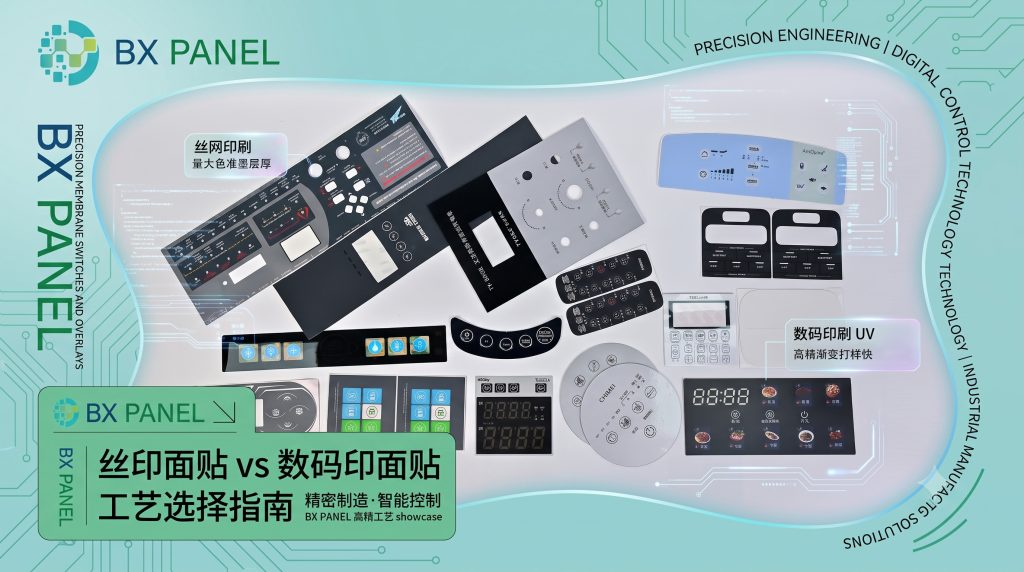
Picking the wrong process for your panel overlays doesn’t just waste money — it drags down the perceived quality of your finished equipment. Let’s skip the complicated printing theory and focus purely on real-world application.
Here’s how to choose, in under a minute.
01 — Screen Printing
The undisputed champion of large runs and dead-on color accuracy
One screen per color, each one laid down in precise spot color — it’s been the hard currency of the panel industry for decades.
Unbeatable color accuracy — Matched precisely to Pantone codes, with virtually zero color drift between production batches.
A cost crusher at scale — There’s a setup fee for the screens, sure, but on runs from a few thousand to tens of thousands of pieces, the per-unit cost beats every other process out there.
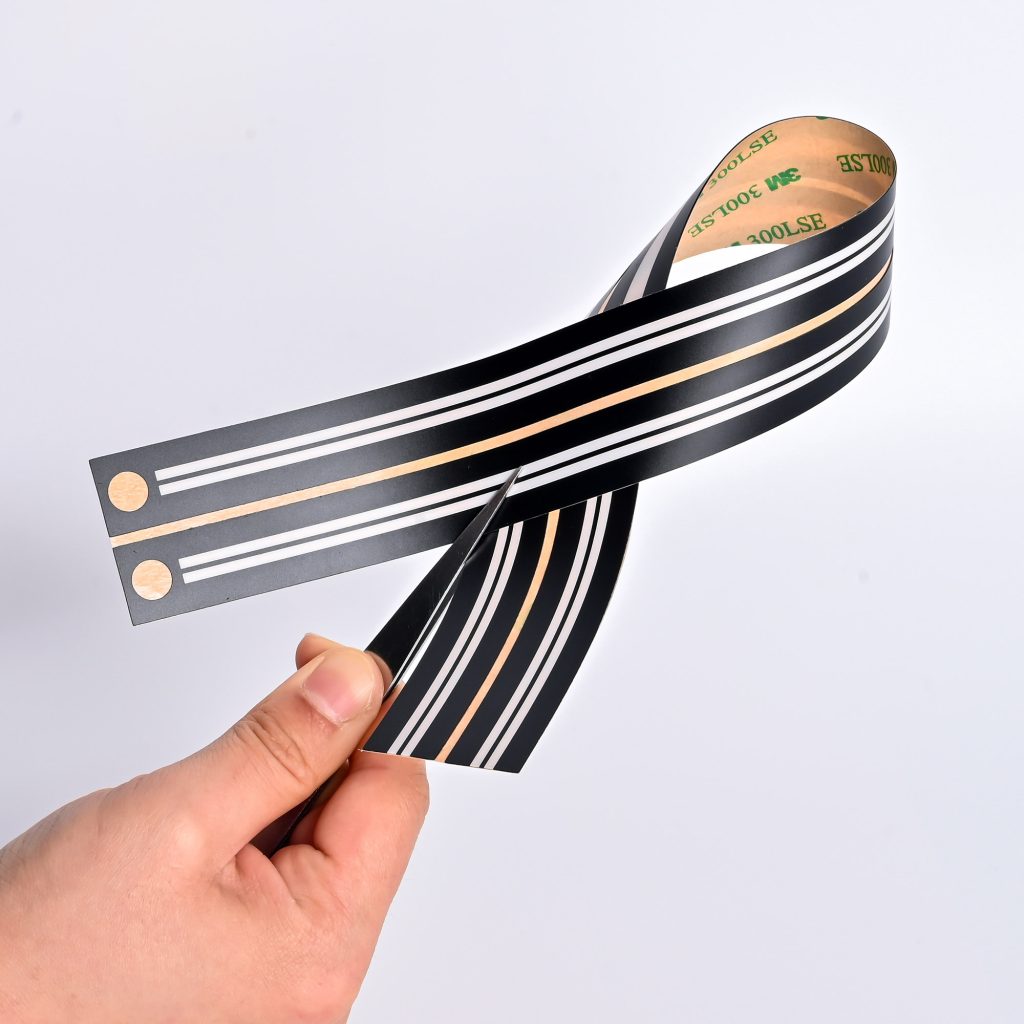
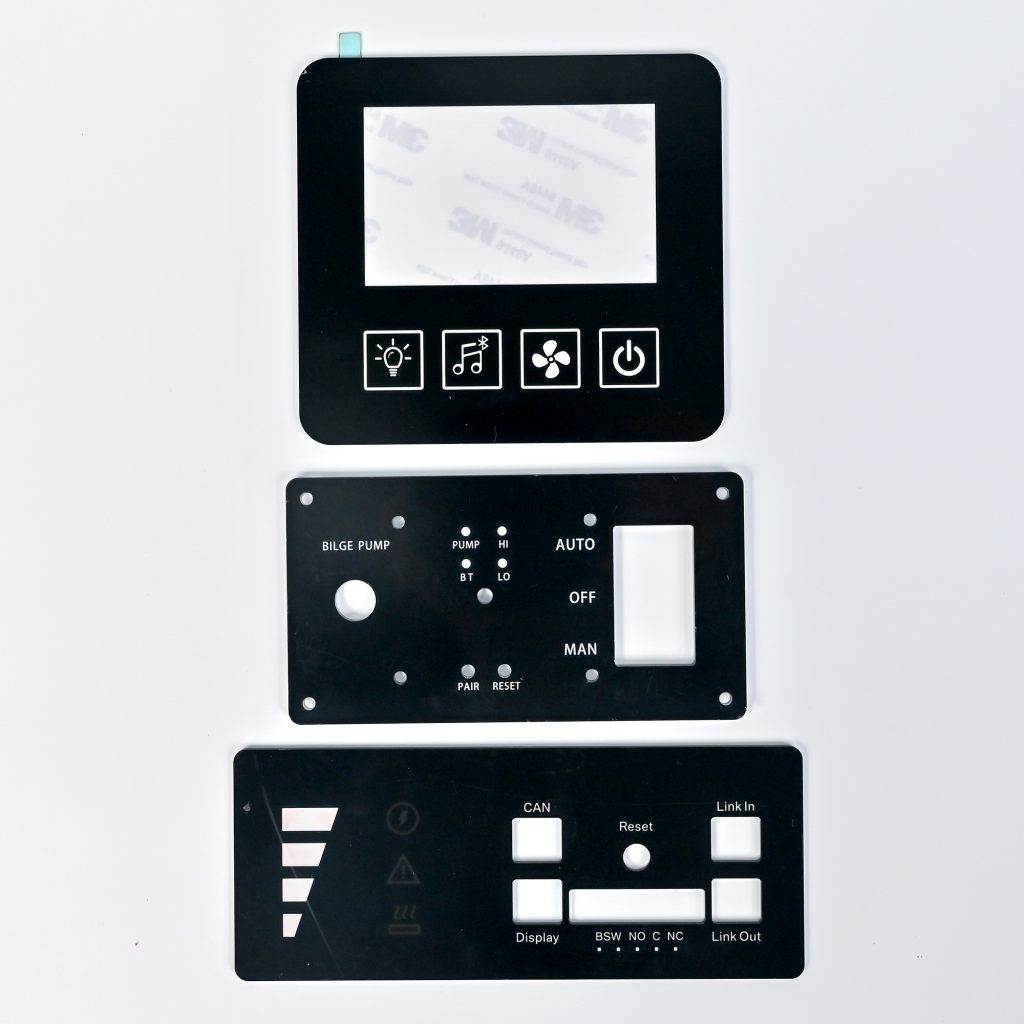
The physical cheat code — Conductive silver paste, raised UV texture, glow-in-the-dark ink, brushed-metal finishes: any effect that needs ink thickness or special physical properties can only be pulled off with screen printing.
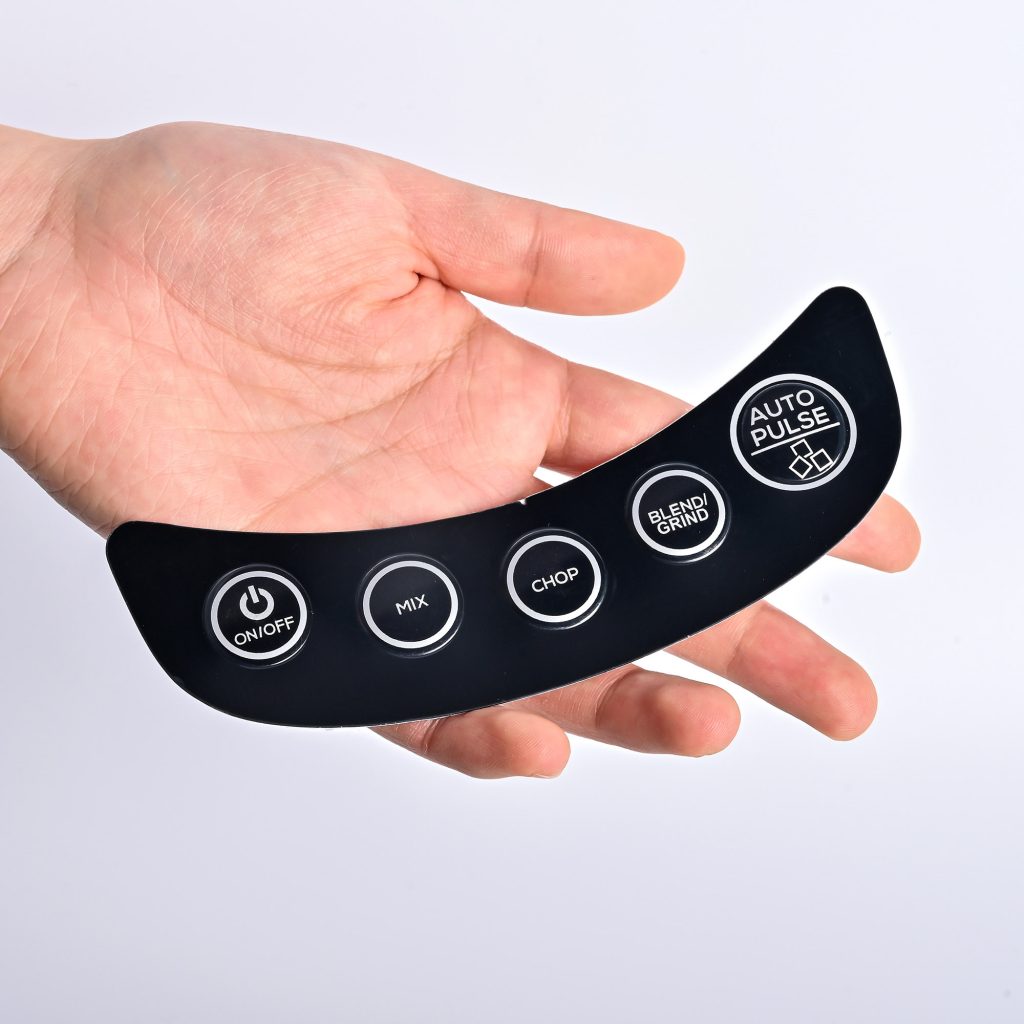
Texture, maxed out — Thick ink layers, rich color saturation, and outstanding wear resistance.
02 — Digital Printing
The go-to for small runs and complex artwork
No screens, no setup — the file goes straight from your desktop to the press. Think of it as giving panel production an agile-development buff.
A prototyping powerhouse — Zero setup fees. For runs of a handful to a few dozen pieces, the cost comes in well below traditional screen printing.
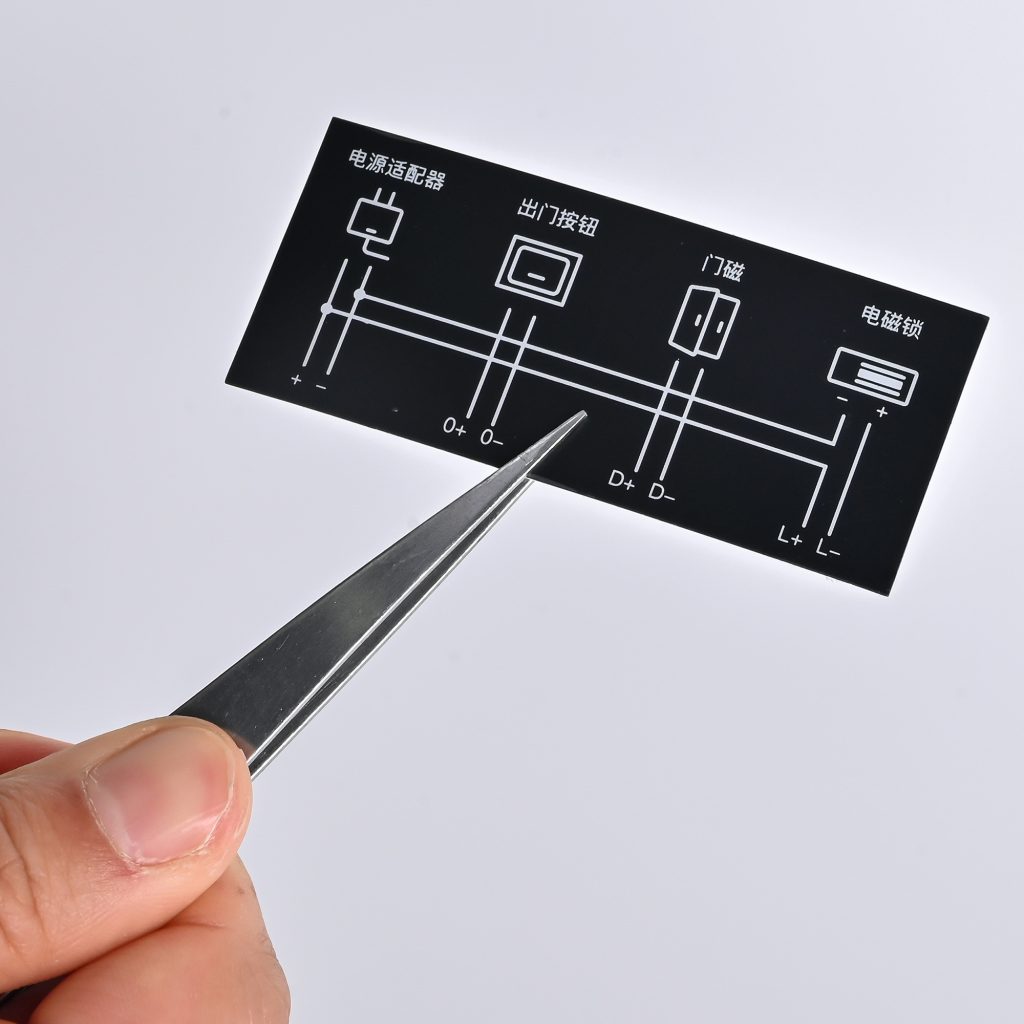
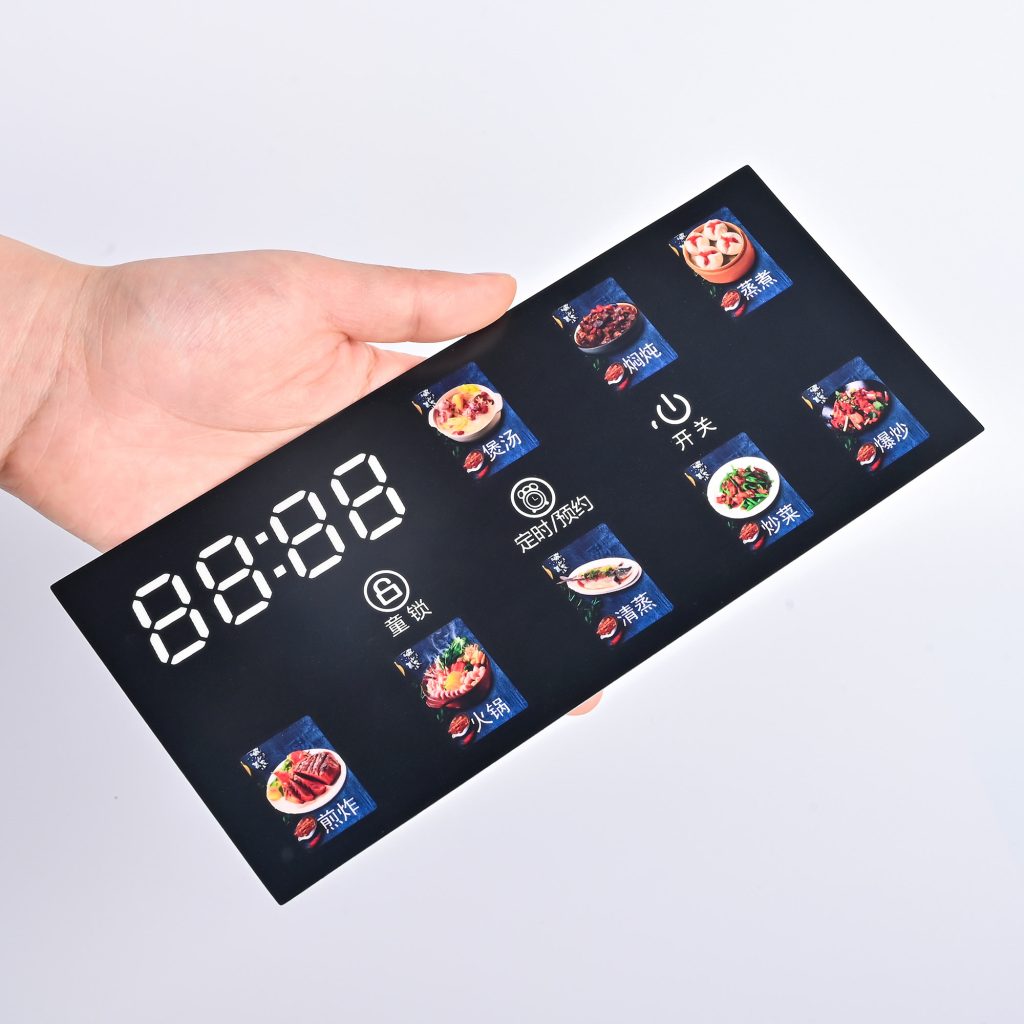
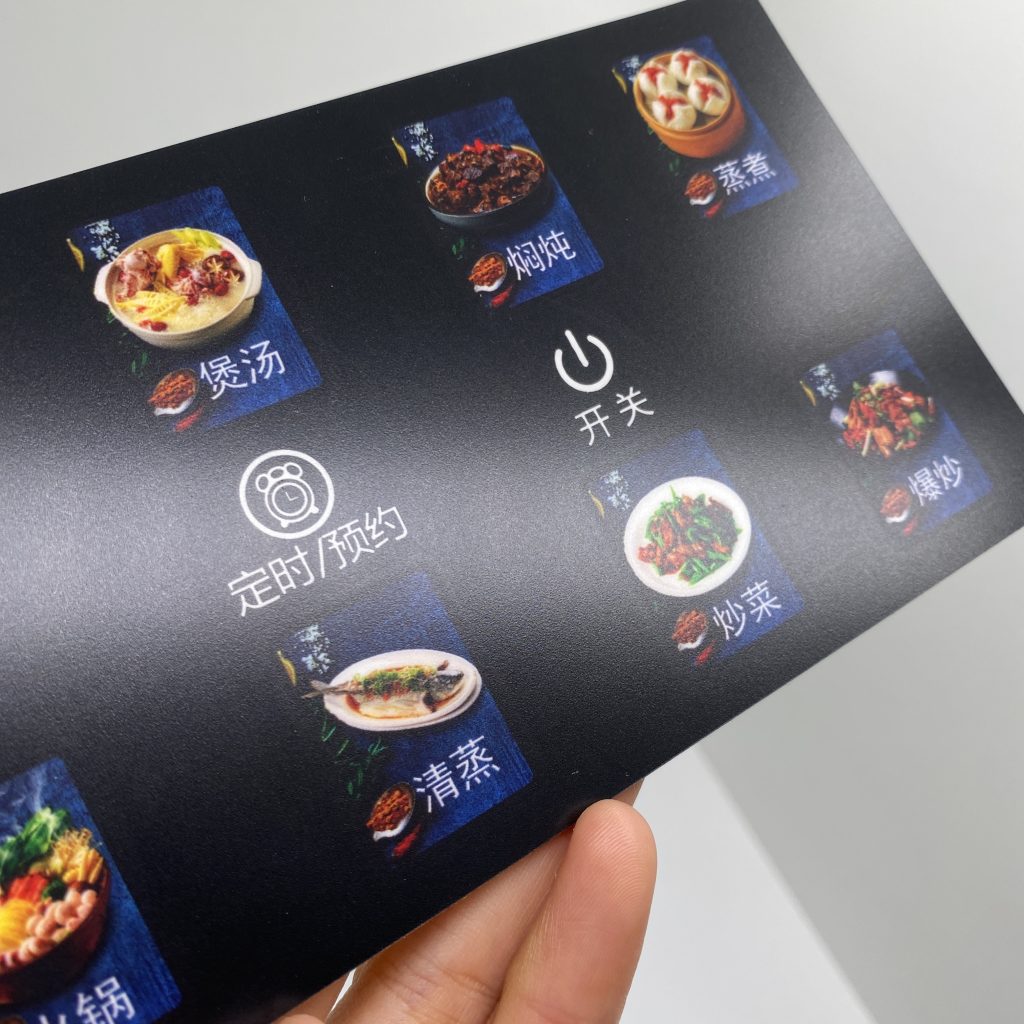
Obsessed with detail — Gradients, photo-realistic full-color imagery, and razor-fine text edges — all imaged in a single high-precision pass. Registration errors are a thing of the past.
Zero-cost iteration — Still in R&D and revising your artwork every other day? Update the file and it’s ready to print, instantly.
03 — The Insider's Playbook·
Hybrid processing
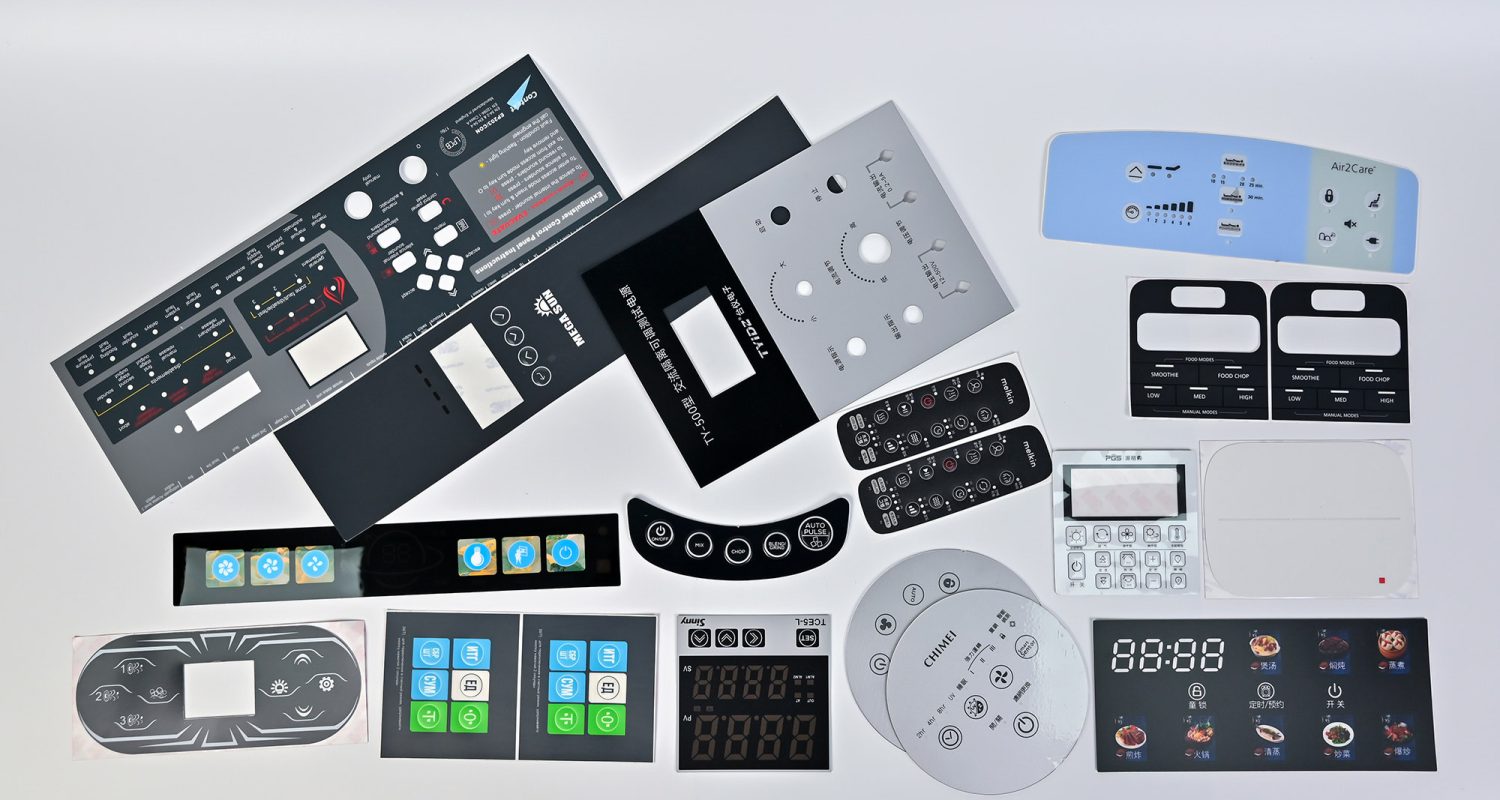
The best projects never settle for just one process. Digital printing lays down the intricate, full-color background; screen printing then adds a protective clear coat on top, or a conductive layer on the back. The result stitches together total design freedom with industrial-grade durability.
04 — The Quick-Decision Guide
Cheat sheet
Go with screen printing when: simple color blocks + strict color matching + special inks + high volume.
Go with digital printing when: complex patterns/gradients + frequent revisions + low volume or prototyping.
Still can’t decide? Send us your artwork, estimated quantity, and delivery deadline — that’s all we need.
As a factory-direct manufacturer, we’ll put together the most cost-effective solution for your project.