FPC vs. Silver Flex Membrane Switches: The True Necessity for Precision Devices
Standard silver flex (PET) membrane switches handle conventional UI requirements. But modern industrial and medical devices demand extreme miniaturization.
Internal housing space is constrained. Routing channels are complex. Bending a standard printed silver tail past its minimum radius causes micro-cracking, resistance spikes, and total circuit failure.
When device architecture forces aggressive bending or high-density layouts, FPC (Flexible Printed Circuit) becomes a structural necessity. Here is the technical breakdown of FPC versus traditional Silver Flex.
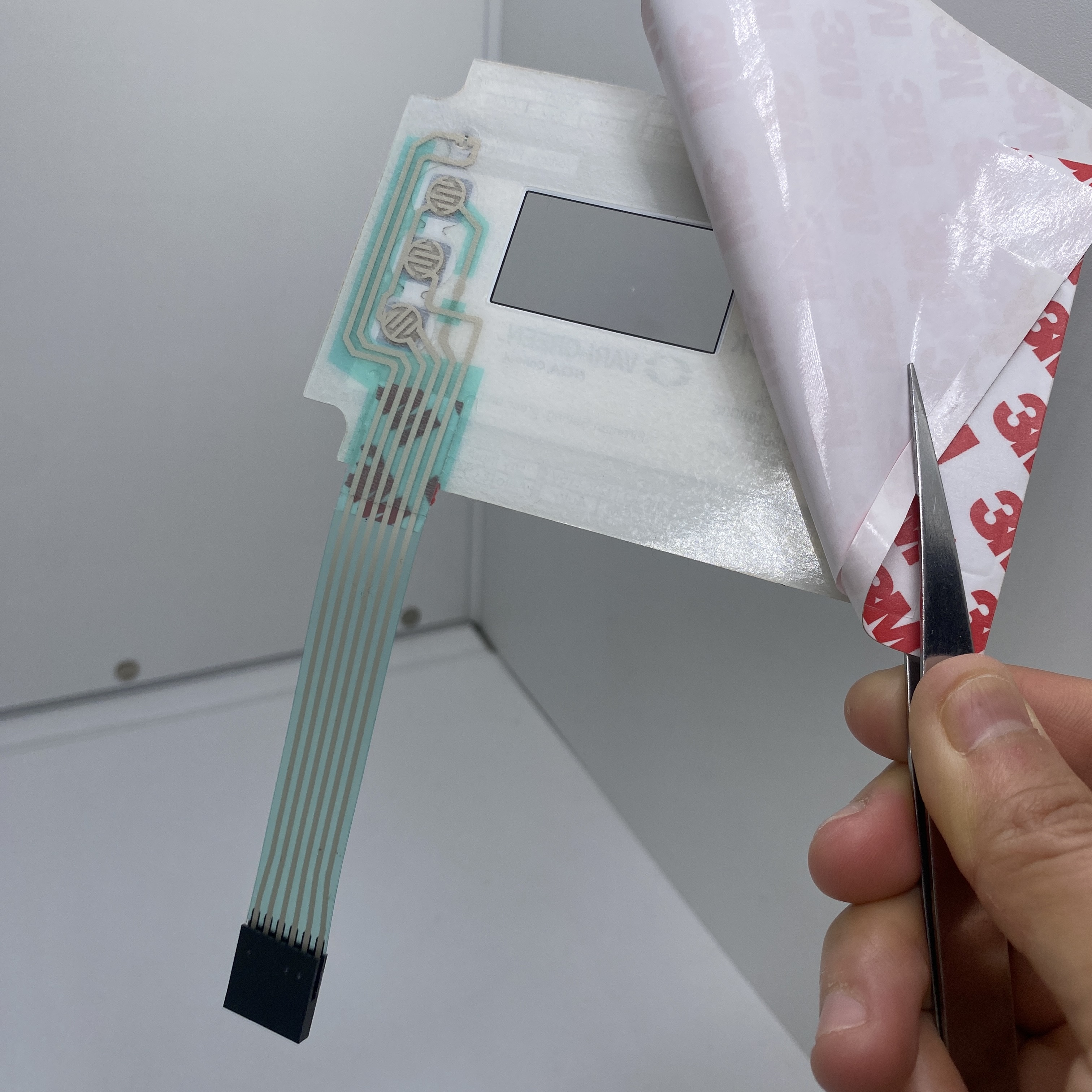
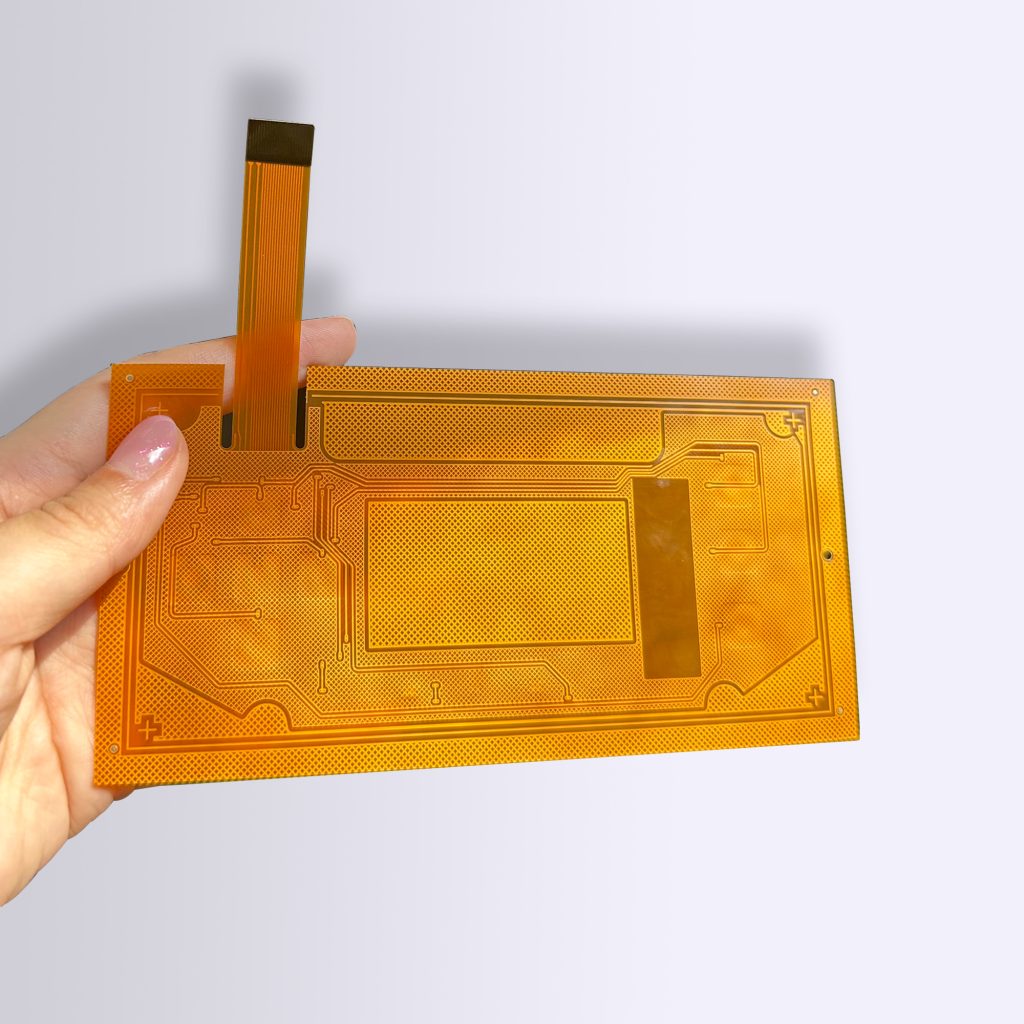
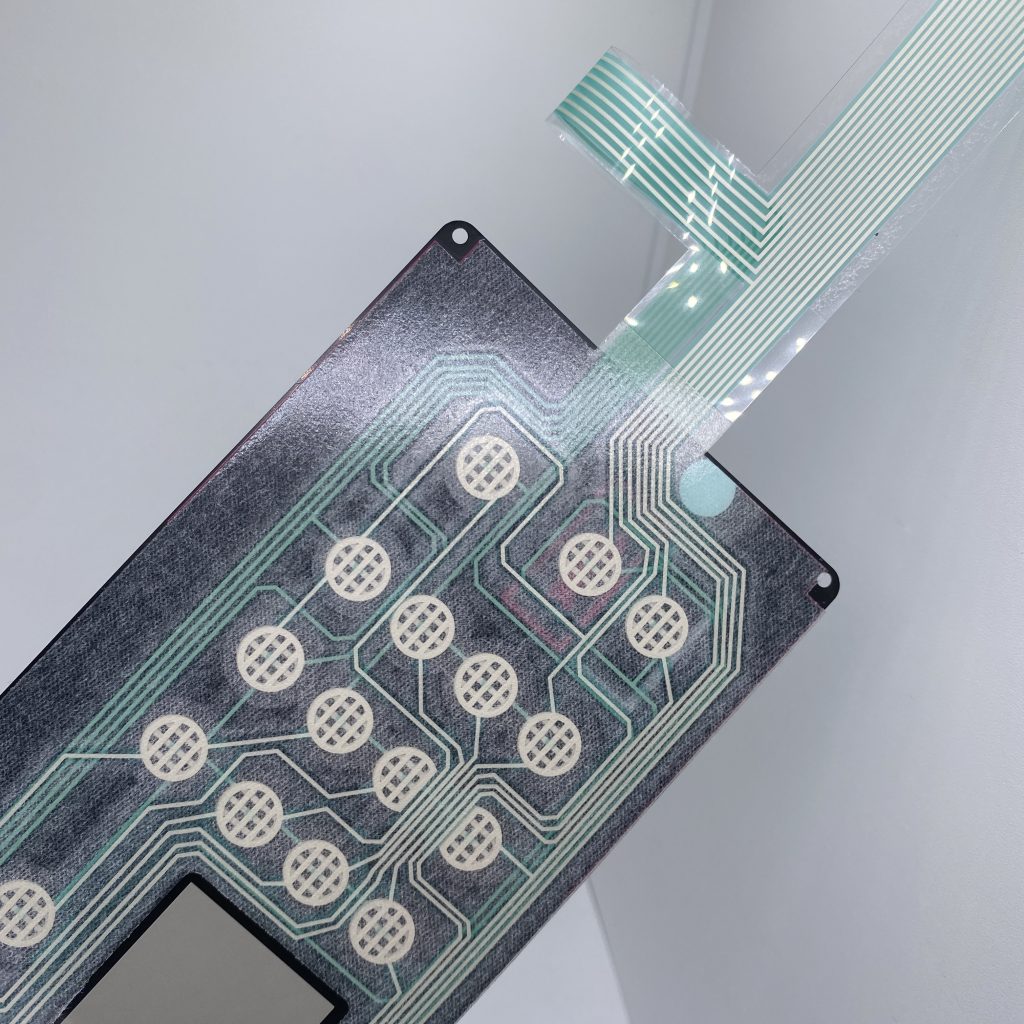
Traditional silver circuits are screen-printed. FPC utilizes chemically etched copper traces, typically on a Polyimide (PI) substrate.
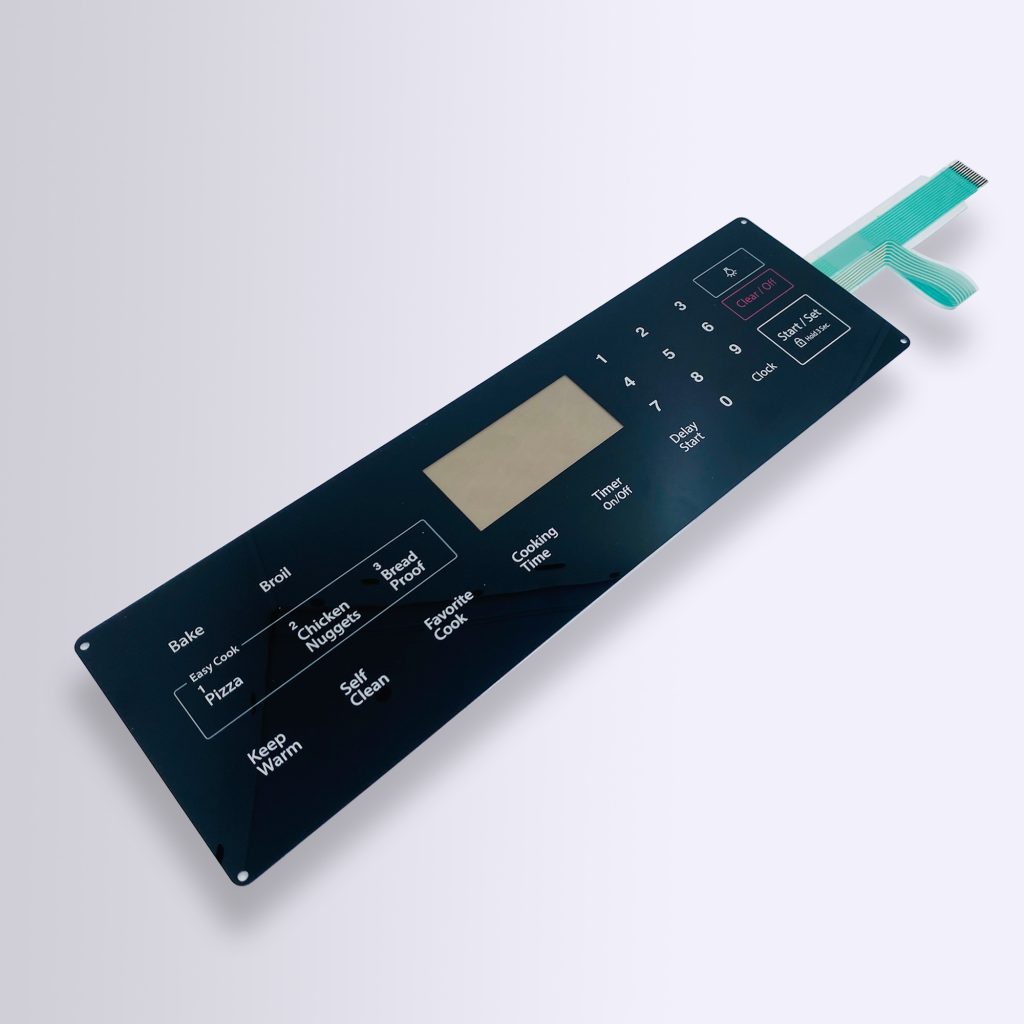
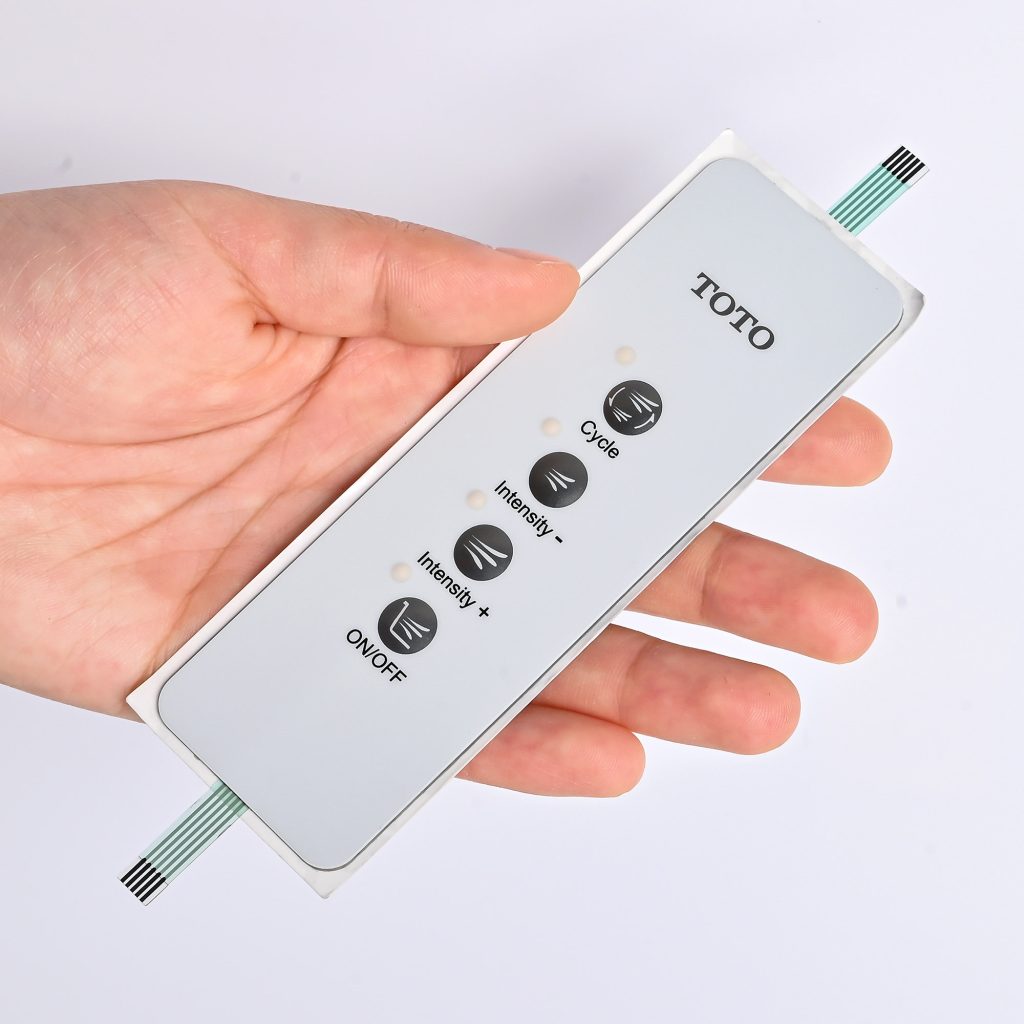
Routing Density: FPC supports ultra-fine trace widths, double-sided, and multi-layer routing. Engineers can populate dozens of tactile metal domes and LED indicators into a highly compact, palm-sized footprint.
Bend Lifespan: In assemblies requiring cables to thread through narrow housing gaps or withstand repeated folding, a rigid PCB will not fit, and a silver flex tail will crack. FPC safely withstands hundreds of thousands of dynamic bending cycles without signal degradation.
2. Solder Joint Reliability: Reflow vs. Conductive Adhesive
The method used to mount surface-mount devices (SMDs), such as LEDs, dictates the panel’s lifespan in harsh environments.
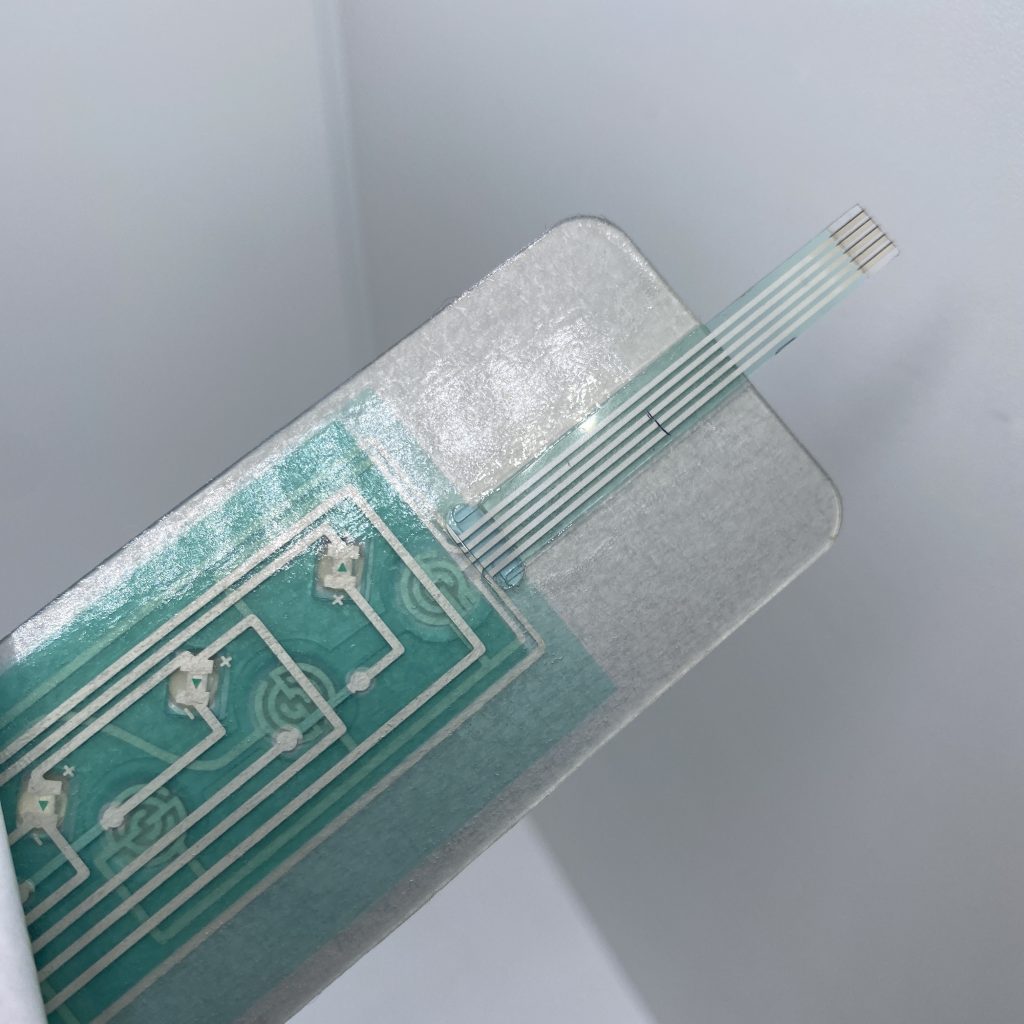
Silver Flex (Conductive Adhesive): Mounting LEDs on a standard silver circuit relies on conductive silver epoxy. Under high-temperature aging or heavy mechanical vibration, this adhesive bond degrades. Components eventually detach.
FPC (Reflow Soldering): FPC is fundamentally a copper-clad laminate. This allows SMD components to pass directly through a standard SMT reflow soldering process. The components are metallurgically locked to the copper pads.
The Result: Maximum vibration and shock resistance. For aerospace equipment or heavy industrial machinery, an “intermittent LED failure” is an unacceptable risk. Reflow-soldered FPC circuits eliminate this failure mode entirely.
Final Thoughts
FPC is not simply a “premium” upgrade over silver flex; it solves specific mechanical and spatial problems that traditional screen-printing cannot handle.
BX-PANEL manufactures custom high-end FPC membrane switches, strictly utilizing industrial-grade PET/PC for graphic overlays. From DFM review and rapid prototyping to mass production, you deal directly with the factory floor.
Company Backing: Your Trusted Manufacturing Partner
Bx-Panel has been at the forefront of the electronic printing and HMI industry for nearly 10 years. Located in Xiamen, Fujian, China, we operate a state-of-the-art 3,000㎡ manufacturing facility powered by over 100 skilled workers and a dedicated, innovative design team.
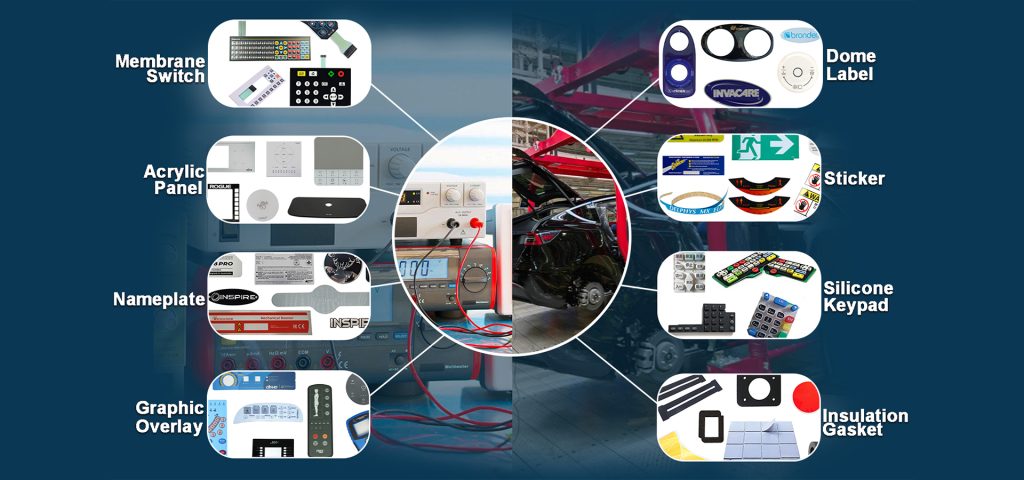
As a premier membrane switch manufacturer, our extensive business scope includes: