



Membrane Switch Failing? Why the Problem Might Be the Connectors, Not the Panel
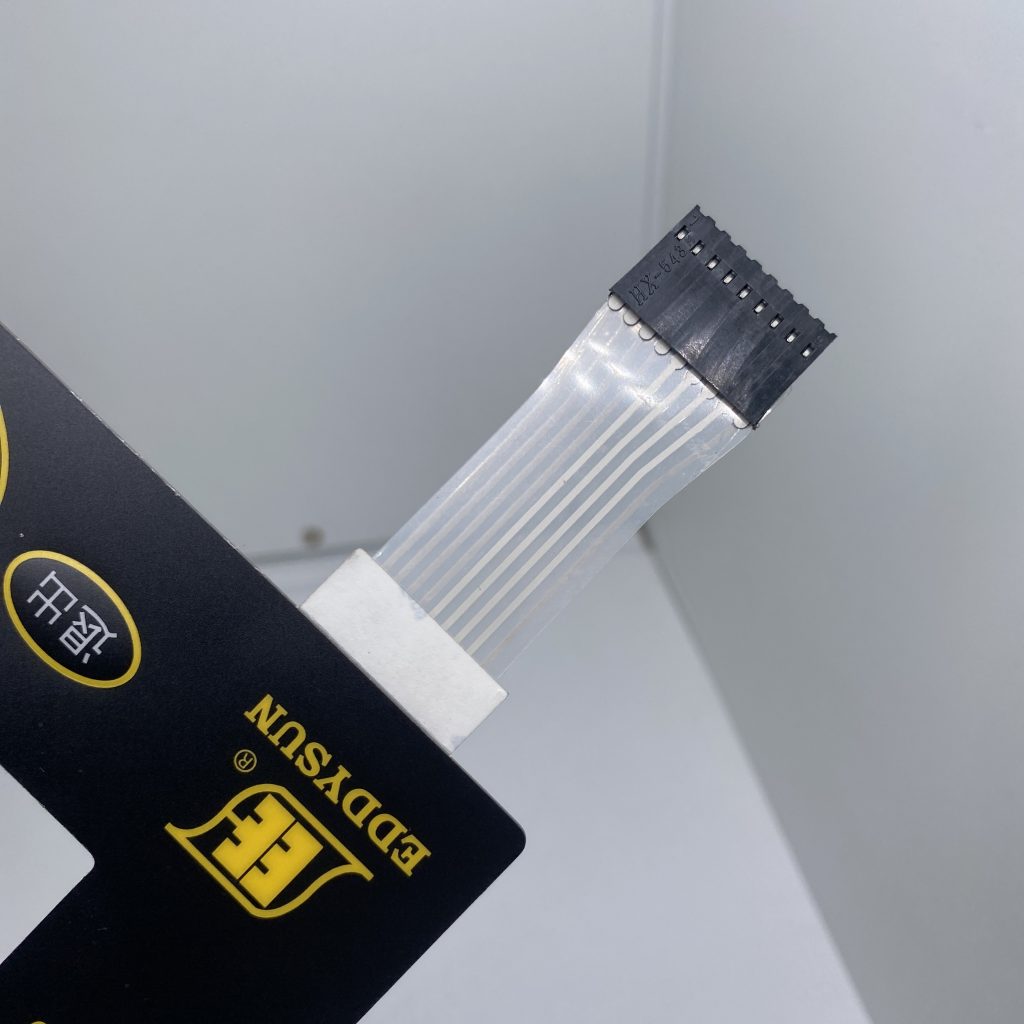
When customizing membrane switches, many equipment manufacturers spend 90% of their time on overlay materials, tactile feedback, and waterproof ratings. Yet, they often overlook the most critical “nerve endings”—the terminals and plastic housings at the end of the tail.
When a button doesn’t respond or a signal drops intermittently, the panel itself is rarely broken. More often than not, the connector is loose or oxidized.
Today, we are stripping down the details of membrane switch terminals and housings to help you choose the right “lifeline” for your specific machine environment.
Capacitive False Triggers
Budget IP Overlays
Foggy Overlay Windows
1. Terminal Types: Bare Printed Tail vs. Crimped Metal Pins
The tail termination directly determines how securely your switch connects to the motherboard. Here are the two mainstream options:
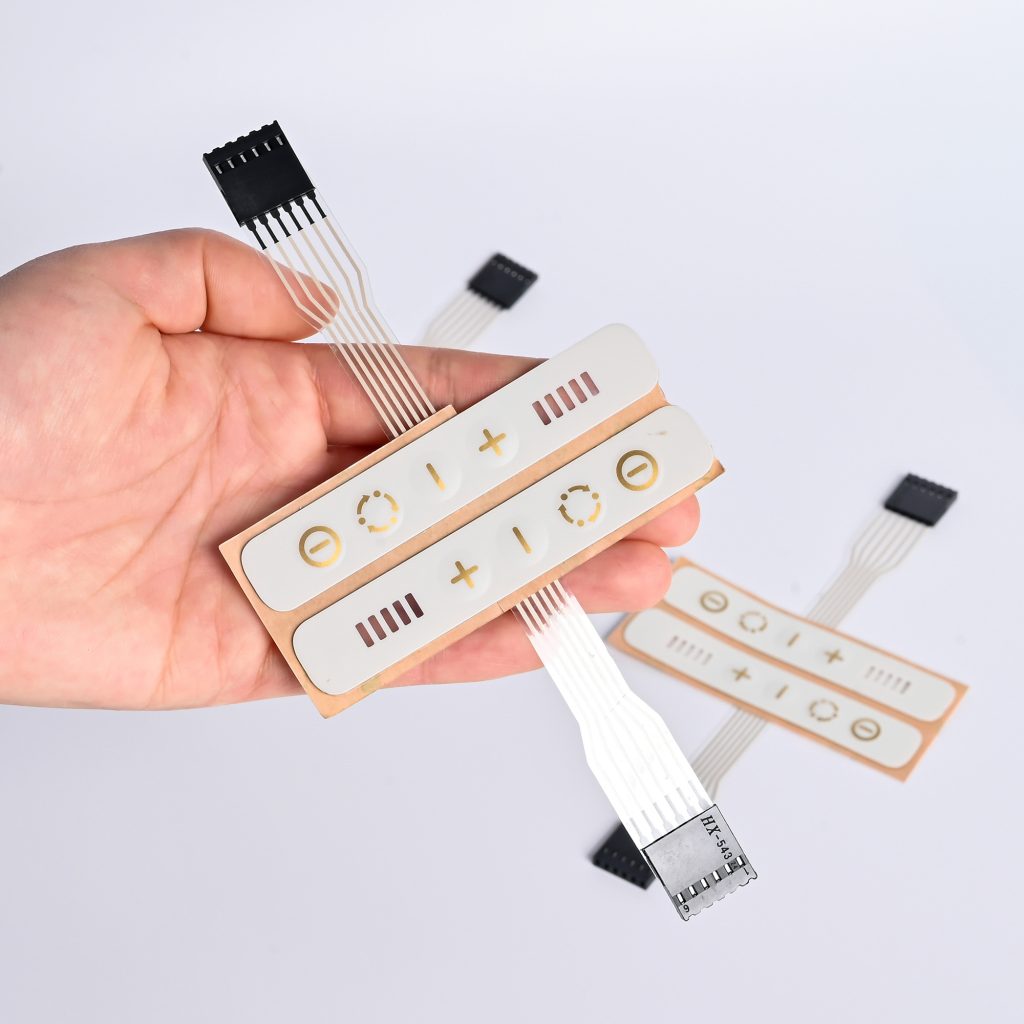
Bare Printed Tails (Silver/Carbon Direct Plug) This is the most basic approach. Silver or carbon conductive paste is printed directly onto the tail of the PET circuit, which then slides into a ZIF (Zero Insertion Force) or FPC connector on the board.
-
Pros: Lowest cost and ultra-thin profile. Perfect for instruments with extremely tight internal spaces.
-
The Pain Point: Vulnerable to wear and tear. If plugged and unplugged multiple times, or handled roughly during assembly, the printed conductive layer can easily scratch or wear off.
Crimped Metal Terminals Using a specialized pressing machine, metal pins (usually tin- or gold-plated) are pierced through and crimped securely onto the flexible film circuit traces.
-
Pros: Exceptionally reliable contact, stable electrical resistance, and superior conductivity. They can withstand pulling forces and repeated insertion cycles without signal degradation.
-
Bx-Panel’s Advice: For industrial equipment, as long as internal space permits, we always strongly recommend crimping metal terminals.
2. Connector Housings: To Lock or Not to Lock?
If you opt for metal terminals, they are usually inserted into a plastic housing (receptacle) to prevent short circuits and ensure proper pin alignment. Common pitches include 2.54mm, 1.25mm, and 1.0mm (with 2.54mm being the industry standard).
Engineers must choose the housing style based on the operating environment:
Standard Non-Locking Housings (e.g., Dupont Connectors)
- Features: Rely entirely on the friction of the pins to stay in place. Easy to plug and unplug.
- Best for: Static setups like desktop medical devices, indoor testing instruments, and standard consumer electronics.
Locking Housings (Anti-Vibration Design)
- Features: Designed with a mechanical latch that “clicks” and locks securely into the mating header on the PCB. It won’t come out unless the latch is manually squeezed.
- Best for: Heavy machinery, construction vehicles, and high-vibration industrial automation equipment. In these harsh environments, standard friction-fit housings can easily shake loose over time. A locking connector is an absolute must to prevent open circuits.
3. The Miniaturization Trap: Don't Blindly Chase Small Pitches
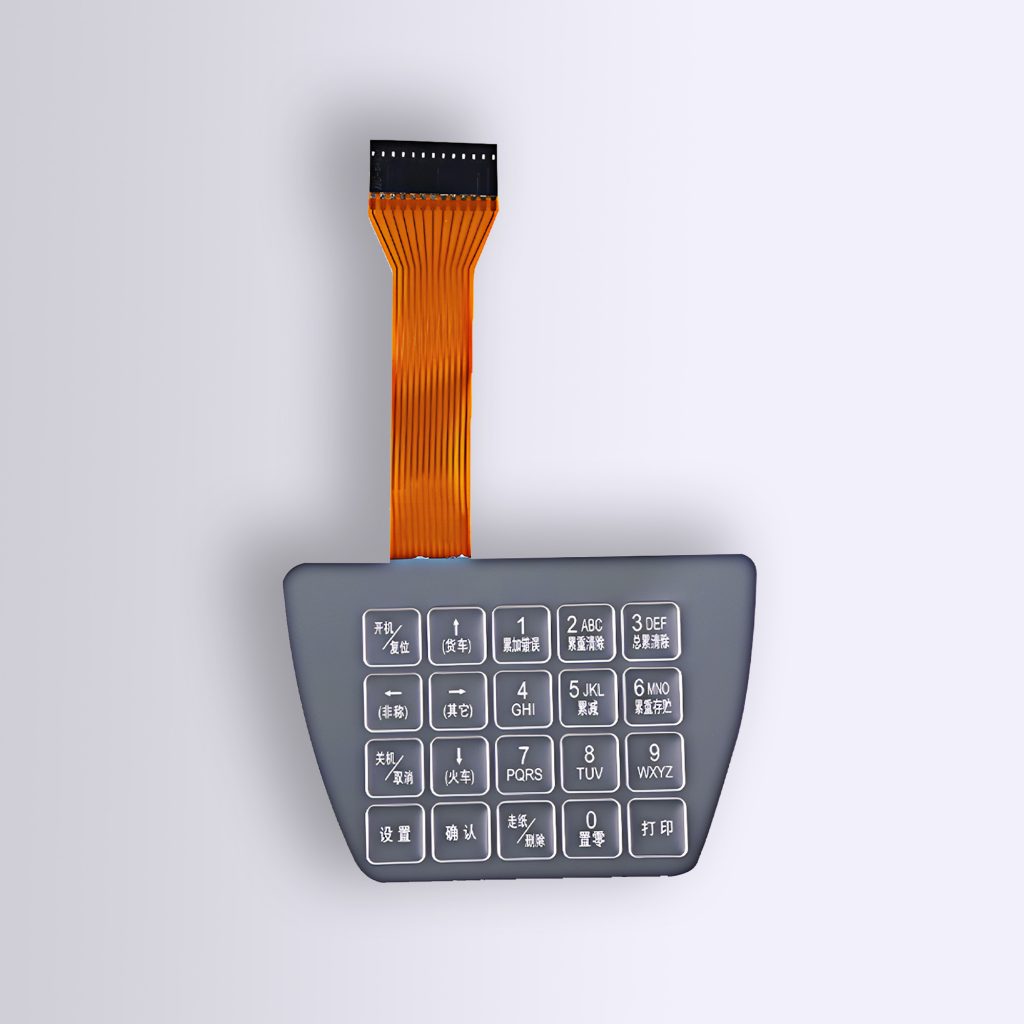
As devices shrink, motherboards get smaller, tempting engineers to specify 1.0mm or even smaller terminal pitches.
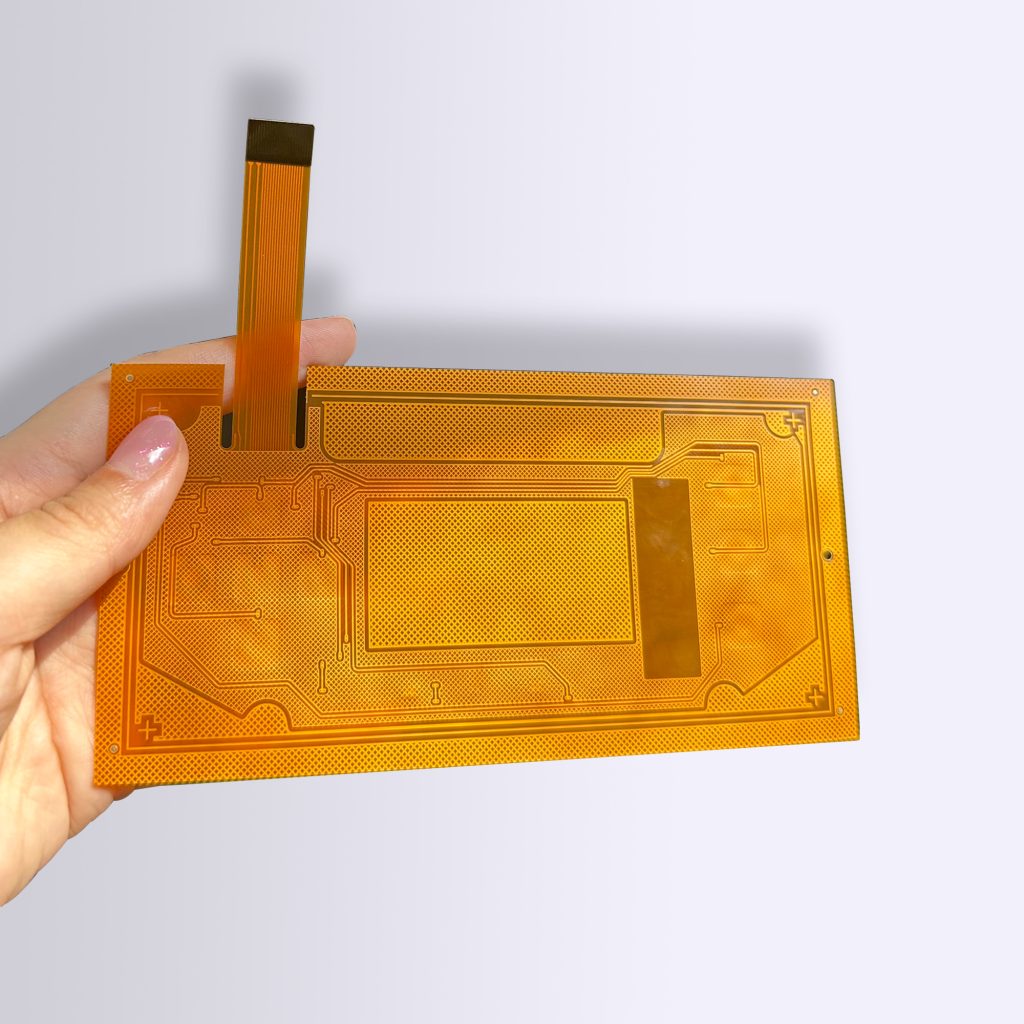
Here is the hidden trap: Membrane switch circuits are printed on flexible PET film, which requires a minimum safe clearance between conductive silver traces. If the terminal pitch is too small, the manufacturing difficulty skyrockets (highly prone to short circuits during printing and crimping). Furthermore, the excessively thin traces become fragile and can easily snap during final assembly.
Direct advice for buyers and engineers: Unless your device strictly requires saving a few millimeters, prioritize the standard 2.54mm pitch. It boasts the most mature manufacturing technology, offers the strongest mechanical grip for the metal pins, and keeps your long-term maintenance and replacement costs at rock bottom.
Final Thoughts
These tiny terminals and plastic housings account for a fraction of the membrane switch’s cost, yet they hold the absolute lifeline of your equipment’s signal transmission.
When prototyping and customizing with Bx-Panel, if you aren’t sure which connector to use, simply tell us two things: Is your machine prone to vibration? and How much space is left on the motherboard? Our team will directly match you with the most fail-safe terminal and housing solution.
Company Backing: Your Trusted Manufacturing Partner
Bx-Panel has been at the forefront of the electronic printing and HMI industry for nearly 10 years. Located in Xiamen, Fujian, China, we operate a state-of-the-art 3,000㎡ manufacturing facility powered by over 100 skilled workers and a dedicated, innovative design team.
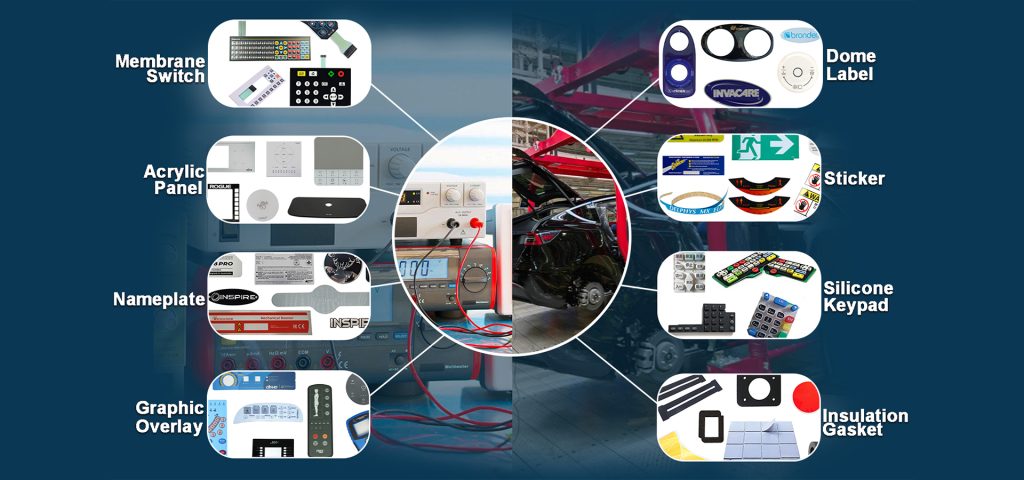
As a premier membrane switch manufacturer, our extensive business scope includes:
From prototyping to high-volume production, we ensure high yield, superior quality, and competitive pricing for clients globally.