Troubleshooting Acrylic Control Panels: Scratch Resistance, Optical Clarity, and Adhesion Failures
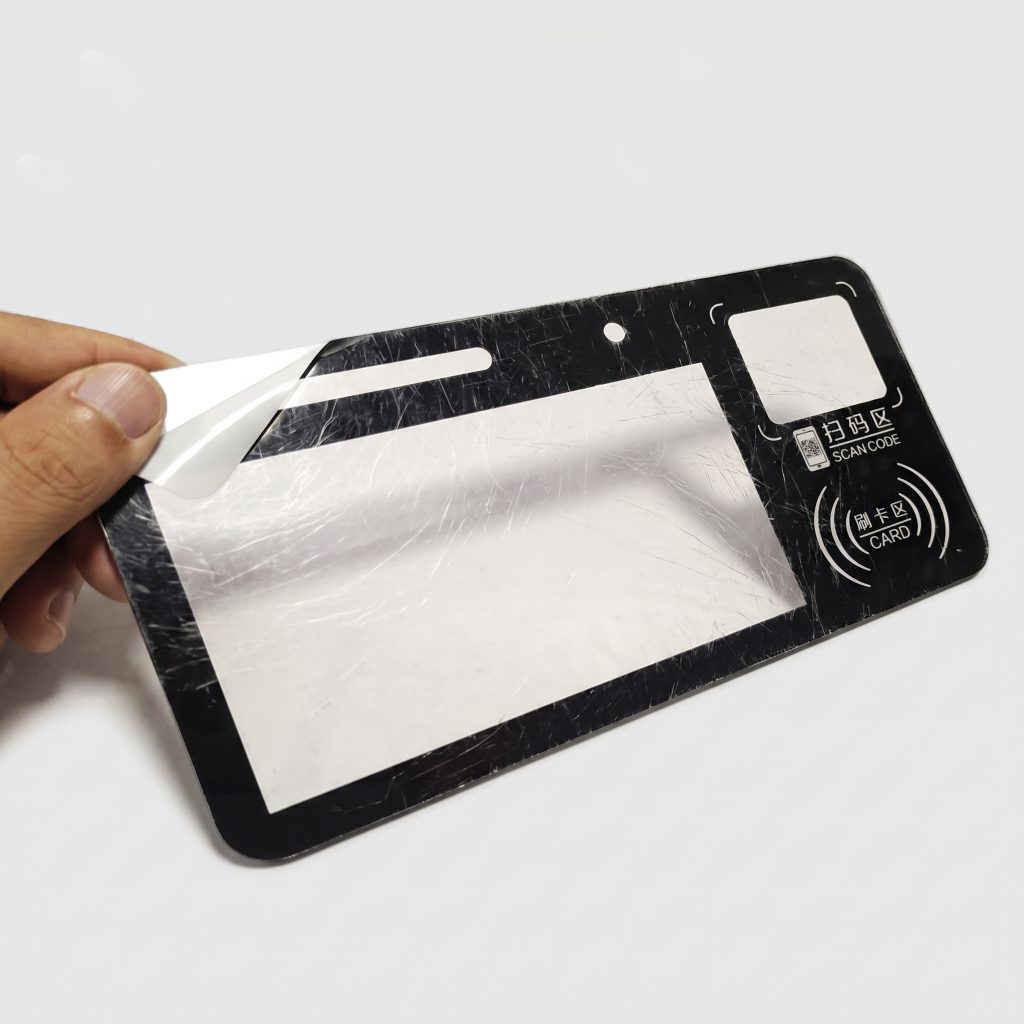
Engineers frequently approach us with heavily scratched acrylic (PMMA) panels seeking a total redesign. Particularly on high-use equipment like industrial printers, a damaged display window obscures critical screen data and destroys the user interface experience.
A reliable acrylic panel relies on proper material specification, not just raw material cutting. Here is a manufacturing-level breakdown of why acrylic windows fail in the field and how to spec them correctly on your next CAD drawing.
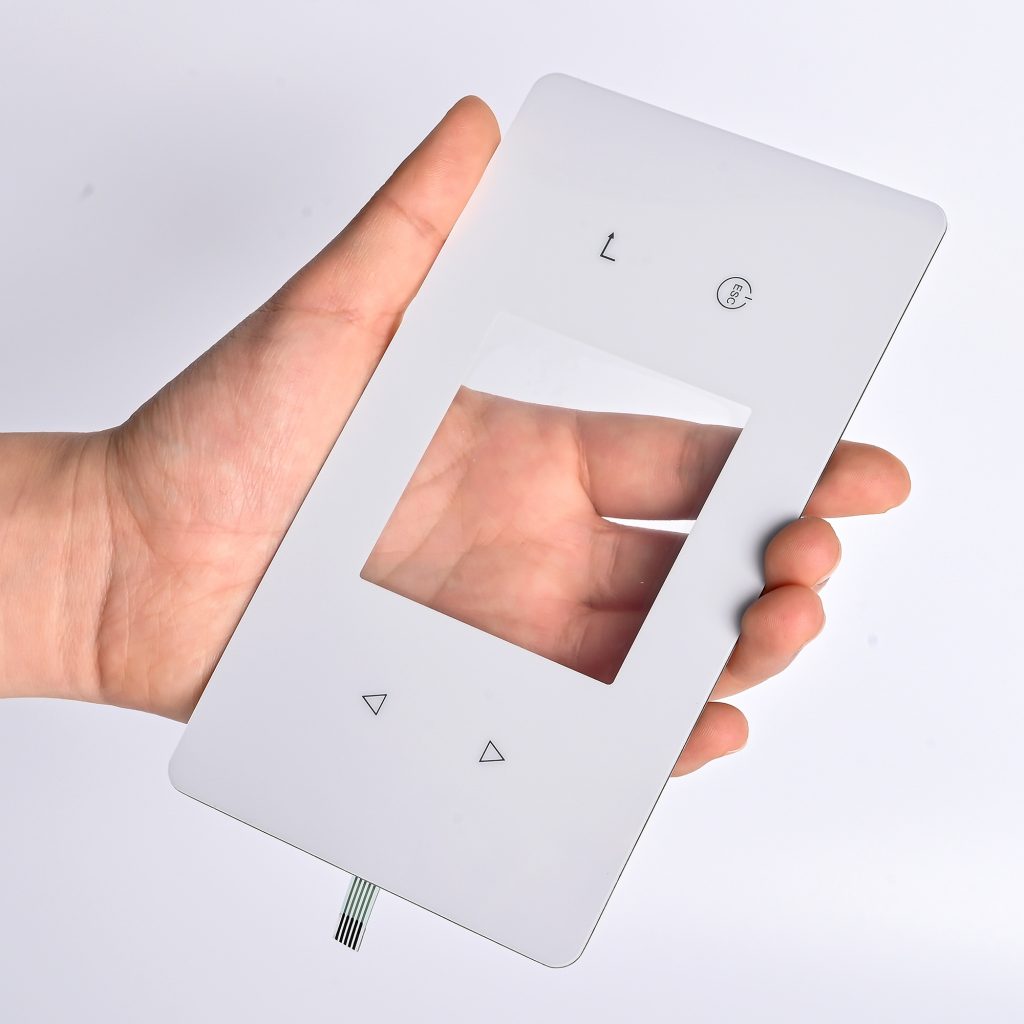
Standard raw acrylic offers excellent light transmission but typically carries a surface hardness of only 2H. In an industrial setting, routine wiping with dusty rags or fingernail impacts will quickly leave a network of micro-scratches across the display window.
The Manufacturing Solution: We implement a specialized UV-cured hard coating process. By applying a localized hardening liquid to the window surface and curing it under ultraviolet light, the surface hardness is elevated to 3H+.
The Result: This provides a crucial layer of abrasion resistance, preventing daily wear-and-tear while maintaining absolute optical clarity for the screen underneath.
2. Anti-Glare (AG) Treatment for Complex Lighting
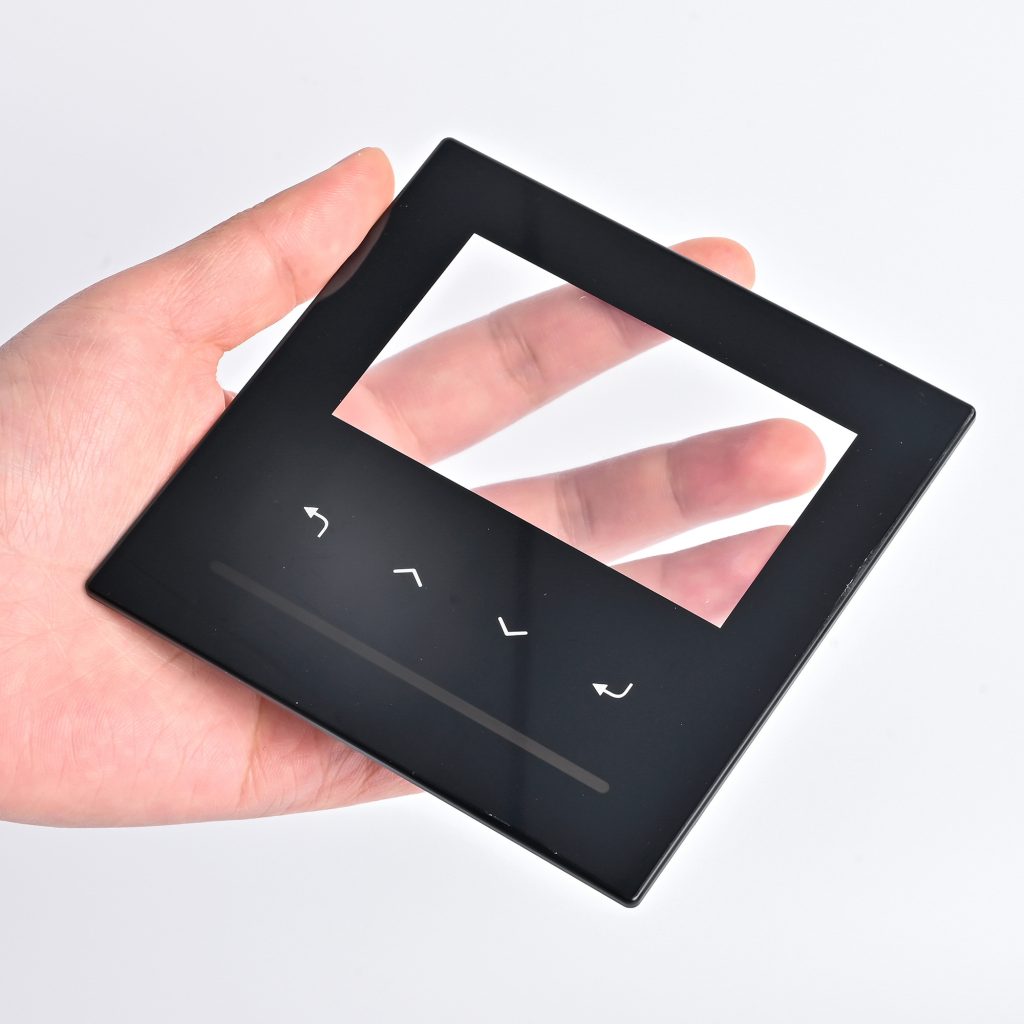
When equipment is deployed in environments with complex overhead lighting or direct sunlight, a standard glossy acrylic window acts like a mirror. Harsh reflections make reading the LCD or OLED screen beneath it nearly impossible.
The Engineering Fix: During the initial drawing evaluation, if display visibility is critical, we specify an Anti-Glare (AG) finish. This process micro-texturizes the acrylic surface, effectively diffusing direct light into scattered reflections.
The Result: Eliminates blinding glare and ensures the screen data remains sharply legible from any viewing angle.
3. Adhesion Failures (Preventing Peeling Edges)
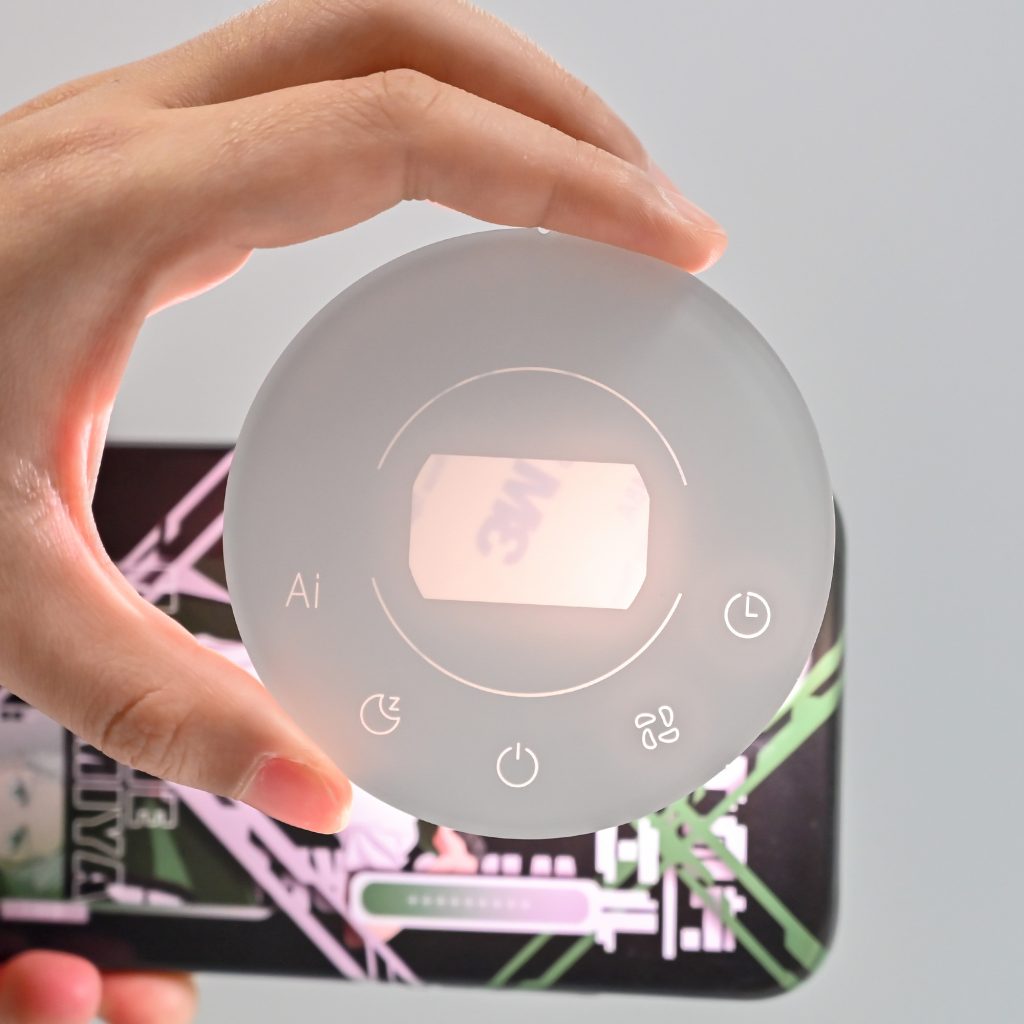
Beyond the window itself, panel delamination is a major field failure. Different equipment housings (machined aluminum, powder-coated steel, or injection-molded plastics) have entirely different surface energies. Many basic manufacturers blindly apply standard double-sided tape across the board. If the adhesive does not match the housing substrate, the panel edges will inevitably peel and lift after a few months of operation.
The BX-Panel Approach: At the blueprint stage, we meticulously verify your housing’s material properties. For difficult-to-bond, rough, or low-surface-energy (LSE) housings, we upgrade the specification to high-tack, industrial-grade adhesives engineered specifically for that substrate, ensuring a permanent, flat bond.
The Engineer's Verdict
An industrial acrylic panel must be engineered for its specific operating environment. Overlooking surface treatments or adhesive compatibility directly shortens the equipment’s operational lifespan.
Are your current control panels scratching, peeling, or blinding your users? Send your CAD files to the engineering team at BX-Panel. We will run a free technical evaluation and specify the exact coatings and adhesives your project requires.
Company Backing: Your Trusted Manufacturing Partner
Bx-Panel has been at the forefront of the electronic printing and HMI industry for nearly 10 years. Located in Xiamen, Fujian, China, we operate a state-of-the-art 3,000㎡ manufacturing facility powered by over 100 skilled workers and a dedicated, innovative design team.
As a premier membrane switch manufacturer, our extensive business scope includes: