
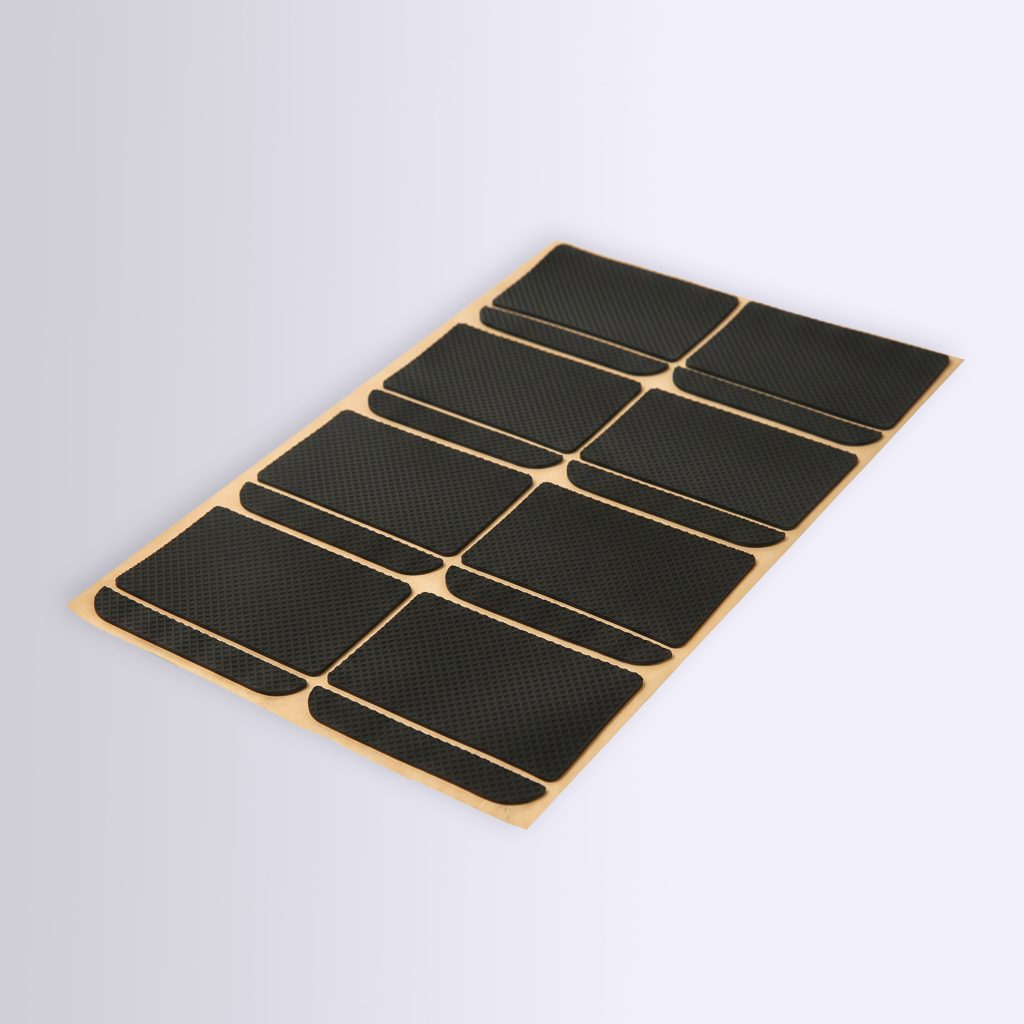
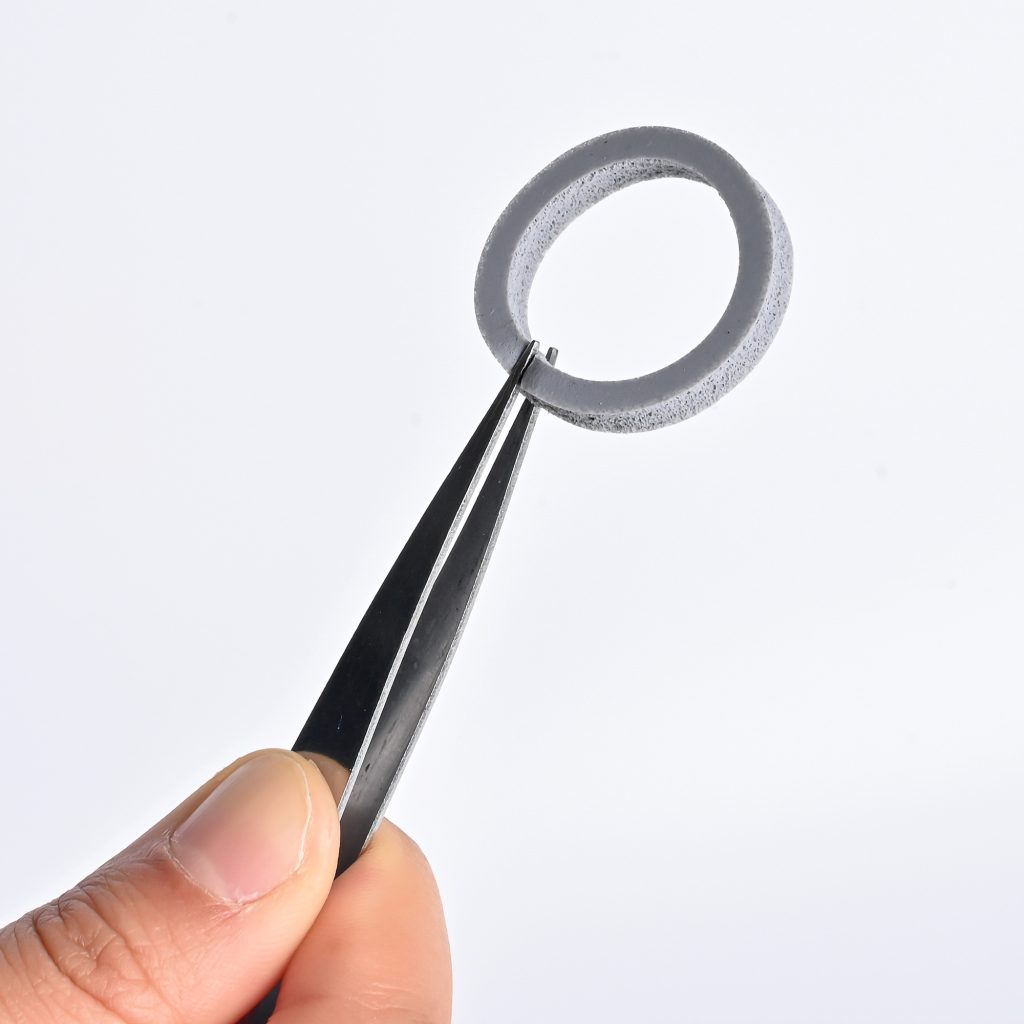

Rubber & Sponge Gaskets
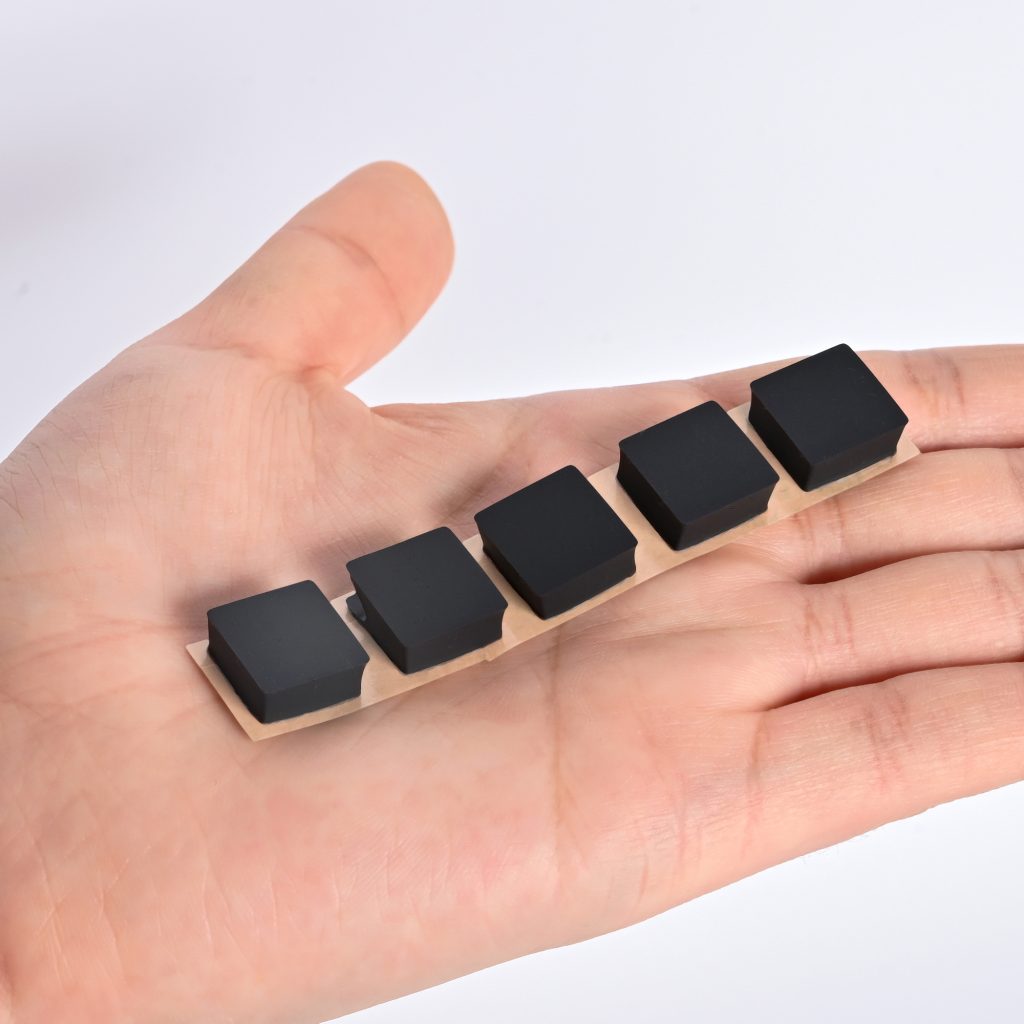
Elastomer and porous sponge gaskets engineered for industrial sealing, shock absorption, and environmental isolation. Combining the chemical resistance of solid rubber with the compressibility of sponge structures, these die-cut components provide watertight barriers and vibration dampening for automotive, aerospace, and chemical applications.
Solid & Porous Structures
Water & Fluid Proofing
High Compression Recovery
Chemical & Oil Resistant
Thermal & Sound Dampening
3M/Nitto Backing Adhesives
| Design Specifications | Material Specifications | ||
|---|---|---|---|
| Format & Shape | Die-cut, Laser-cut, Per CAD Drawings | Base Materials | Solid Rubber, Sponge Rubber (Vulcanized) |
| Material Structure | Non-porous Solid & Porous Sponge | Special Additives | Metal/Fiber Reinforced, Flame Retardant |
| Color Options | Black (EPDM), Colored (Silicone/PVC) | Back Adhesive | 3M, Nitto, Tesa, Crown, Soken |
| Performance & Processing Specs | |||
| Core Functions | Fluid Sealing, Shock Absorption | Advanced Features | Anti-static, EMI Shielding (Conductive) |
| Processing Tech | Precision Die Cutting, Stamping | Environmental | Chemical, Wear, and Oil Resistant |
Elastomeric Sealing Components
Equipment engineers specify these components as solid rubber seals, vulcanized sponge gaskets, or compressible elastomer pads. We manufacture these variations to meet specific shock absorption and fluid containment standards. Because of this, our production capabilities cover both dense and porous material structures. Above all, we match the tear strength and elasticity to your technical drawings. Accordingly, you receive a precision-cut component that maintains system integrity under mechanical stress.
Chemical and Vibration Resistance
Solid rubber gaskets provide essential wear resistance and chemical stability in harsh industrial processing environments. In contrast, sponge rubber types utilize their porous structure to dissipate vibration energy and accommodate irregular mating surfaces. Particularly, these materials are utilized in automotive compartments, chemical pipelines, and aerospace structures. Due to their high elastic recovery, the gaskets maintain a watertight and airtight barrier throughout the equipment’s lifespan.
Precision Processing and Enhancements
Die-cutting and laser-cutting are used to maintain exact dimensional tolerances per your CAD specifications. To achieve this, our production line handles varying durometers (hardness) and thicknesses. Subsequently, we can integrate special reinforcements, such as metal skeletons or anti-static agents, directly into the material. Most importantly, we apply specified pressure-sensitive adhesives before cutting. As a result, global manufacturers receive a ready-to-install sealing solution.
Rubber & Sponge Gaskets Applications

Automotive
Die-cut elastomer seals applied to engine compartments and vehicle doors to effectively isolate external noise and dampen operational mechanical vibrations.
Electronics & IT
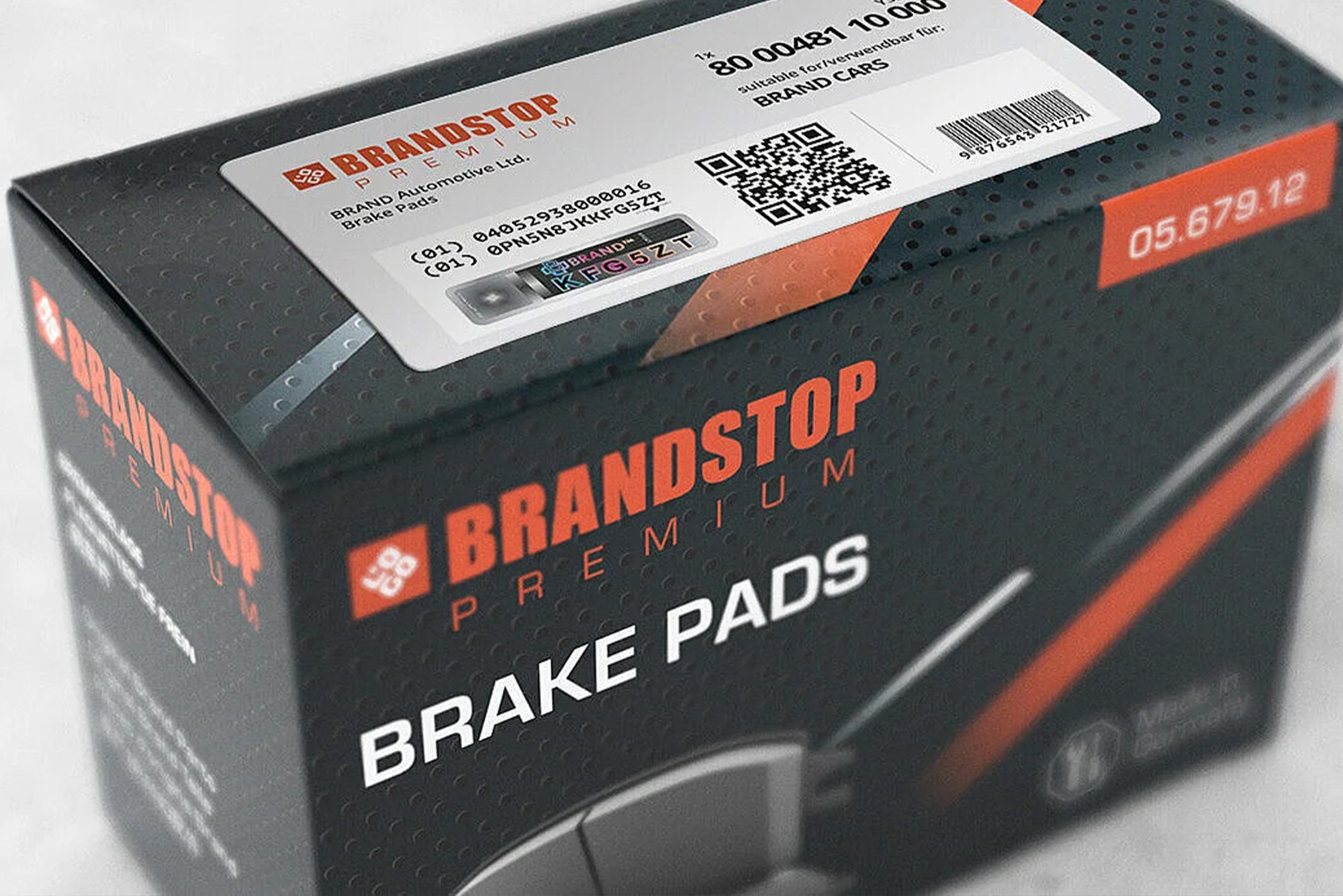
Precision sponge gaskets integrated into sensitive electrical enclosures and circuit boards to provide shock absorption, anti-static, and EMI shielding.

Chemical & Pharma
Chemically resistant solid rubber seals engineered for industrial piping systems and tanks to prevent corrosive fluid leakage and ensure system integrity.

Aerospace
Extreme-temperature vulcanized sponge components installed in aircraft engines and cockpits to maintain critical cabin pressure and dampen severe shock.

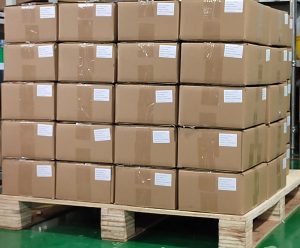
Secure Export Packaging & Global Delivery

100% Final Inspection

Final Quality Check

Global Dispatch

Flexible Trade Terms
Frequently Asked Questions
Q1: What is the difference between rubber and sponge gaskets?
A: Solid rubber offers high density and superior chemical or oil resistance for rigid sealing. Sponge rubber contains a vulcanized porous structure, providing high compressibility, shock absorption, and flexibility for uneven surfaces.
Q2: Can these gaskets handle high-pressure environments?
A: Yes. For high-pressure or heavy-duty applications, we can manufacture composite gaskets incorporating a metal skeleton or fiber-reinforced layers to significantly increase compressive and tear strength.
Q3: Do you offer flame-retardant or conductive options?
A: We supply specialized rubber and sponge materials containing flame retardants to reduce combustion and toxic gas emissions. We also manufacture conductive or anti-static gaskets for electronic shielding (EMI/RFI).
Q4: How are the gaskets mounted during assembly?
A: We laminate the gaskets with industrial-grade backing adhesives from 3M, Nitto, or Tesa. The specific adhesive is selected based on your operating temperature and bonding surface requirements.