
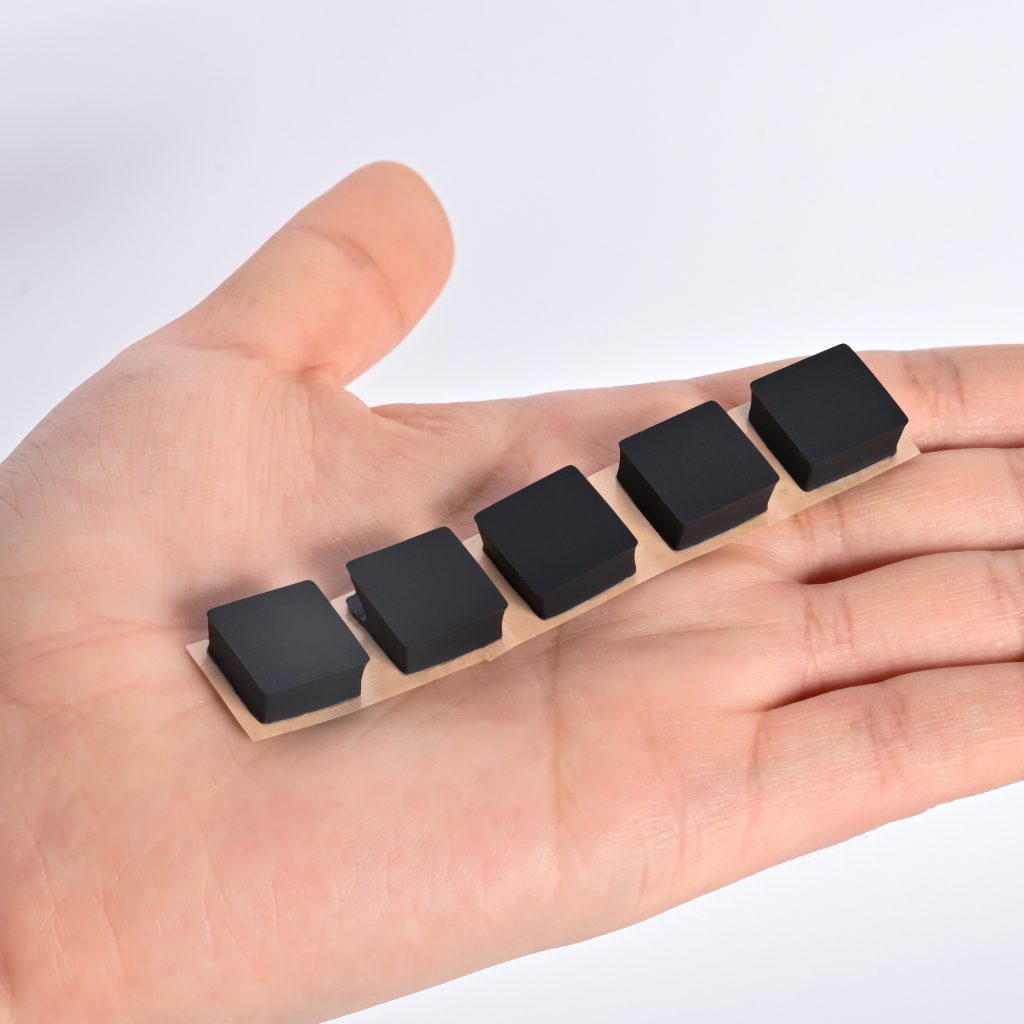
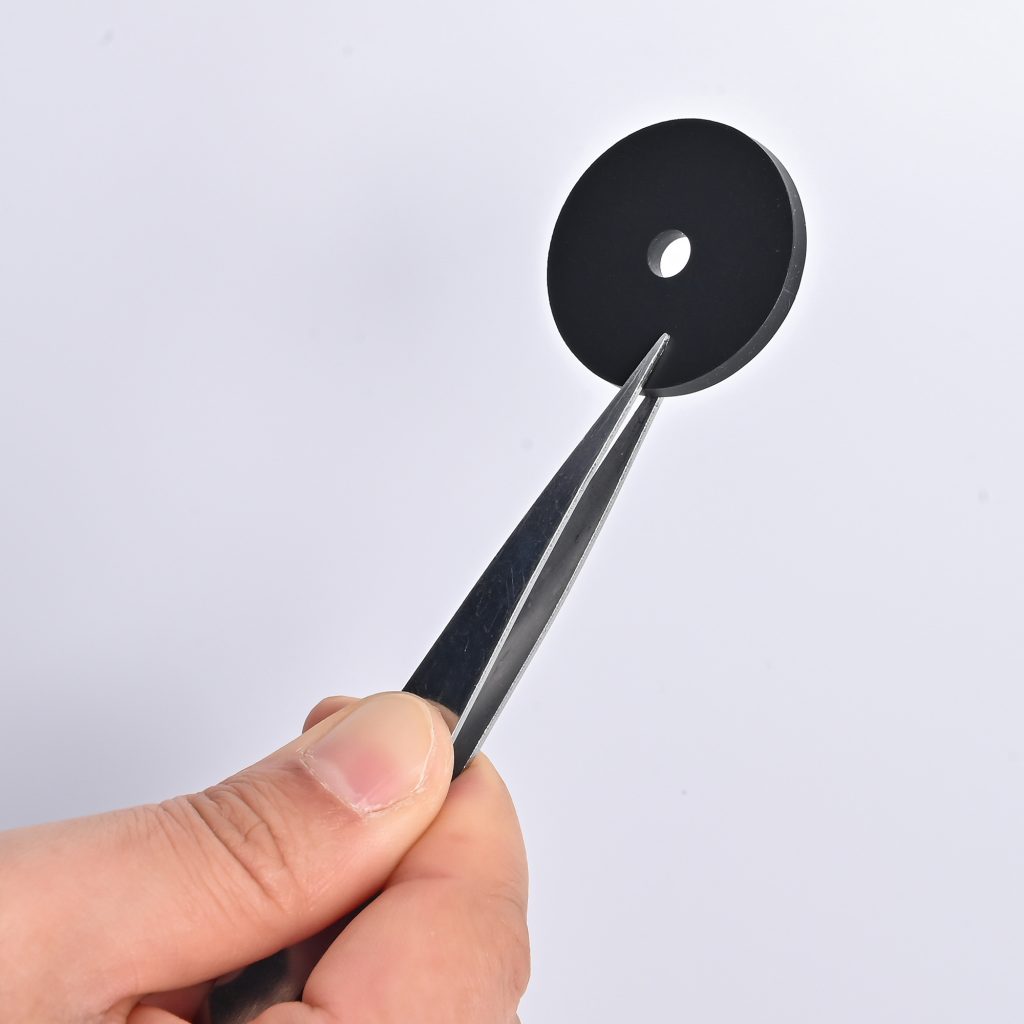

EPDM Foam Gaskets
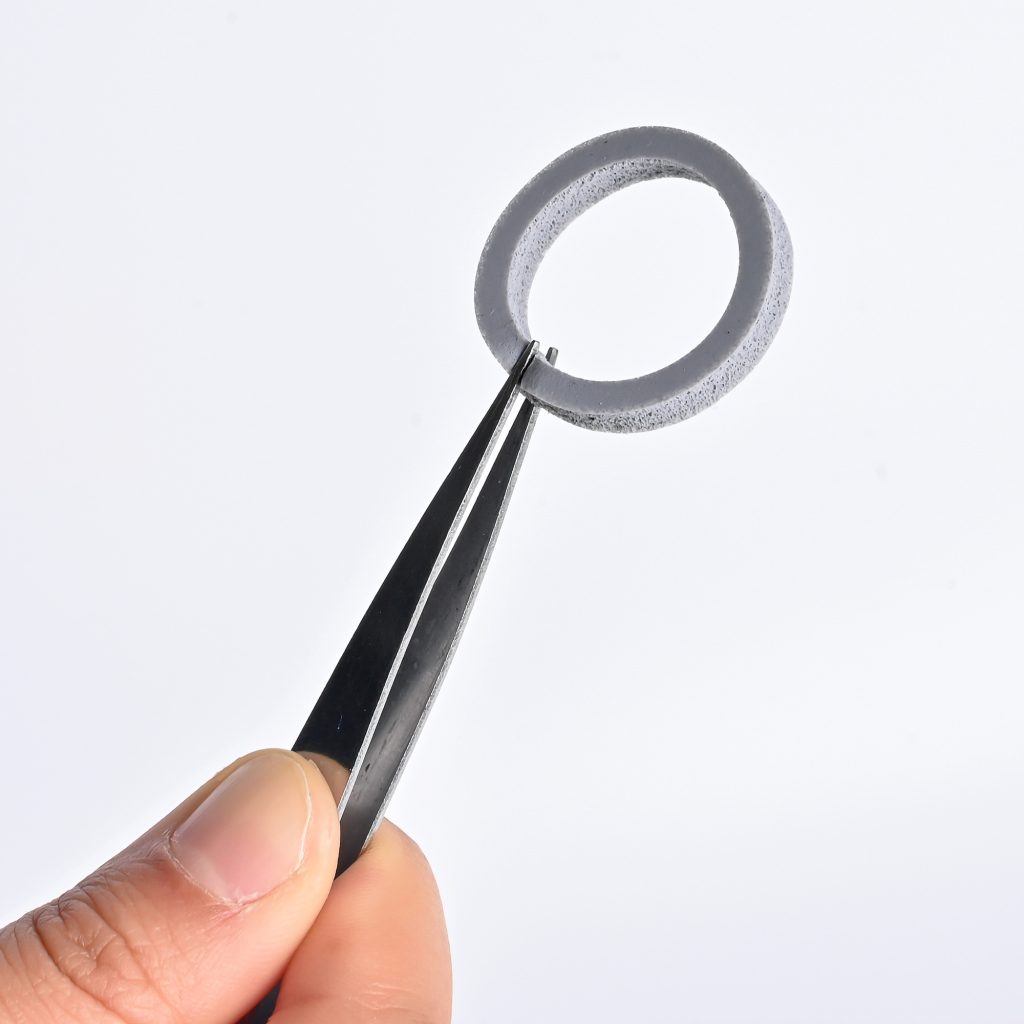
EPDM, silicone, neoprene, and polyurethane foam gaskets for industrial sealing, dampening, and insulation. Manufactured in open and closed-cell structures, these materials provide weatherproofing, sound dampening, and EMI/RFI shielding. Standard and custom profiles are precision-cut via die-cutting, laser cutting, and stamping to meet ASTM and automotive specifications.
Weather & Ozone Proof
Heat & Sound Insulation
Shock & Vibration Control
Conductive EMI Shielding
Open & Closed-Cell Foam
3M & Nitto Adhesives
| Design Specifications | Material Specifications | ||
|---|---|---|---|
| Format & Shape | Die-cut, Laser-cut, Per CAD Drawings | Base Materials | EPDM, Silicone, Neoprene, Polyurethane |
| Density Type | Open Cell & Closed Cell (ASTM D1056) | Special Features | Conductive (EMI/RFI), Flame Retardant |
| Color Options | Black, Grey, White, Custom | Back Adhesive | 3M, Nitto, Tesa, Crown, Soken, etc. |
| Performance & Processing Specs | |||
| Core Functions | Dust/Water Sealing, Vibration Dampening | Standard Compliances | ASTM D1056, UL 94 HF-1, FMVSS 302 |
| Processing Tech | Precision Die Cutting, Stamping | Service Temp | -70°F to 220°F (Depending on Material) |
Industrial Foam Gaskets
Equipment specifications often use terms such as die-cut foam seals, neoprene weatherstripping, or silicone sponge gaskets. We manufacture these components to meet ASTM D1056 and related industrial standards. Because of this, our process covers open and closed-cell structures for various sealing needs. Above all, we match the density and compression deflection to your technical drawings. Accordingly, you receive a compliant gasket that prevents leaks and protects equipment.
Thermal and Environmental Resistance
Closed-cell sponge and foam gaskets provide compression set resistance and environmental sealing. In contrast, open-cell types are chosen for acoustic dampening. Particularly, these materials are utilized in automotive compartments, electrical enclosures, and HVAC equipment. Due to ozone, UV, and temperature resistance, EPDM and silicone substrates maintain physical properties over time. Therefore, the gaskets retain their barrier function in outdoor and industrial environments.
Precision Processing and Adhesive Lamination
Die-cutting and laser-cutting are used to maintain dimensional tolerances per your CAD files. To achieve this, our production line handles varying densities, thicknesses, and cell structures. Subsequently, we can integrate special features like flame-retardant (UL 94 HF-1) or conductive shielding properties. Most importantly, we apply 3M or Nitto pressure-sensitive adhesives before cutting. As a result, you get a ready-to-install sealing component.
EPDM Foam Gaskets Applications

Automotive
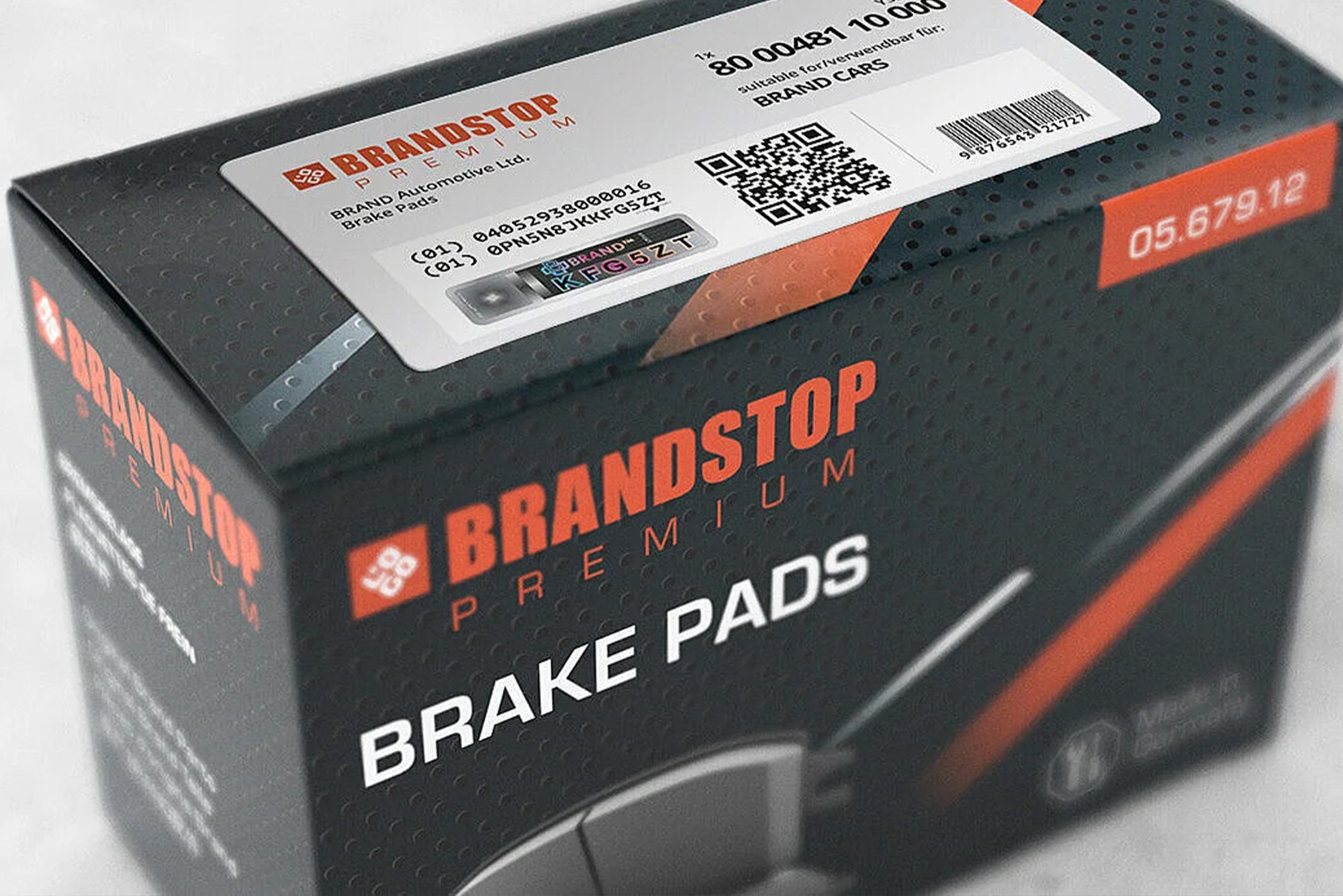
Die-cut foam gaskets applied to engine compartments, door panels, and HVAC systems to effectively isolate cabin noise and dampen mechanical vibrations.
Electronics
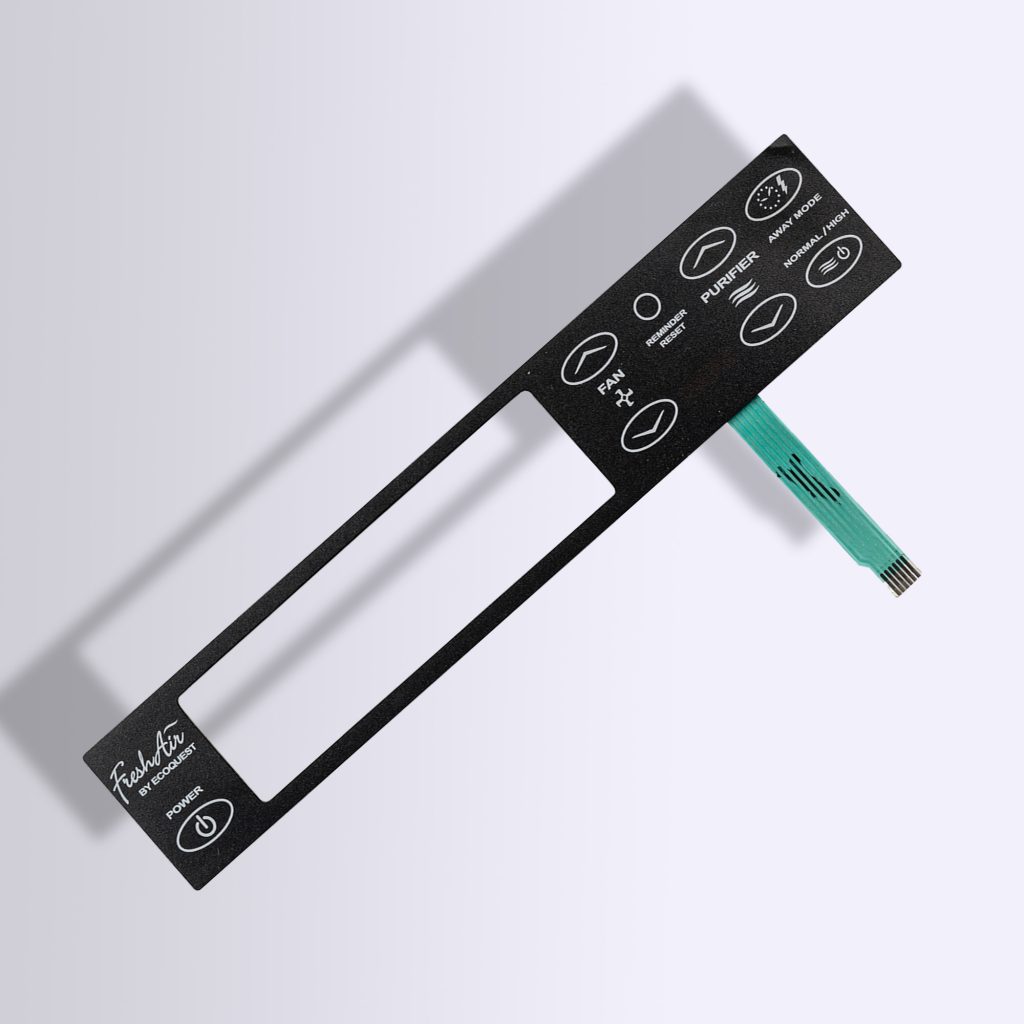
Conductive foam seals and closed-cell moisture barriers utilized in enclosures, battery packs, and sensitive devices for EMI/RFI shielding.

Appliances
Compressible thermal and air seals engineered for refrigeration units and household appliances to optimize energy efficiency and reduce operational noise.

Construction
Weather-resistant elastomer barriers applied to exterior architectural joints, window weatherstripping, and HVAC ducting to prevent moisture intrusion.

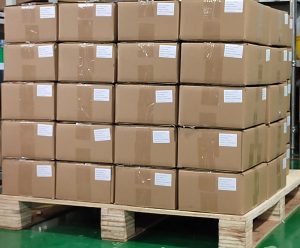
Secure Export Packaging & Global Delivery

100% Final Inspection

Final Quality Check

Global Dispatch

Flexible Trade Terms
Frequently Asked Questions
Q1: What foam materials are used besides EPDM?
A: We process EPDM, silicone, neoprene, and polyurethane foam based on application requirements for compression, temperature range, and chemical exposure.
Q2: Can these gaskets provide EMI/RFI shielding?
A: Yes. We can die-cut electrically conductive foam (metal-filled or fabric-over-foam) to provide EMI/RFI shielding and electrical grounding in enclosures.
Q3: How do open-cell and closed-cell foam compare?
A: Open-cell foam is highly compressible for acoustic dampening and indoor dust sealing. Closed-cell foam (e.g., ASTM D1056 standard) is impervious to water, making it suitable for outdoor and fluid sealing.
Q4: Do you offer self-adhesive backing?
A: Yes. Gaskets can be laminated with industrial adhesives from 3M, Nitto, or Tesa, selected according to the bonding surface and operating temperature.