

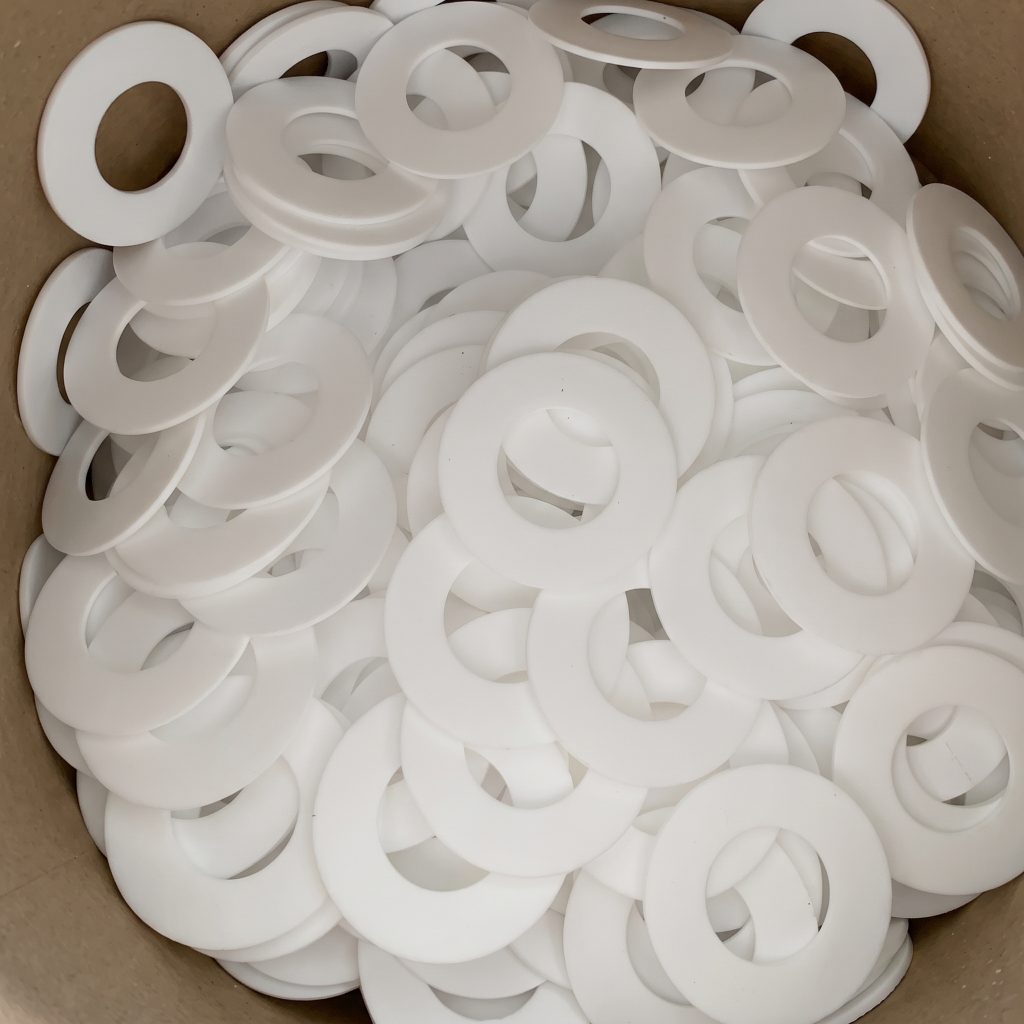
Teflon Gaskets
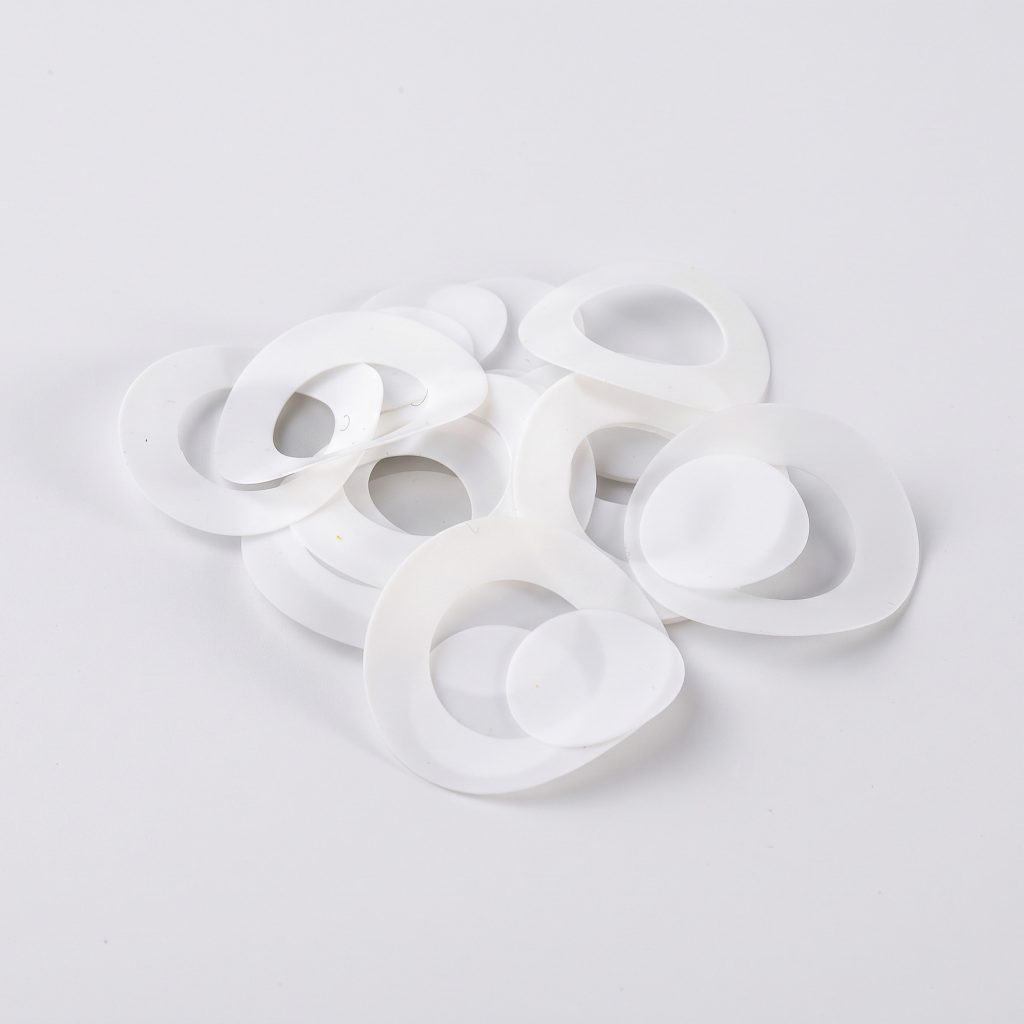
High-performance polytetrafluoroethylene (PTFE) gaskets engineered for extreme chemical resistance and thermal stability. Operating from -180°C to 260°C, these non-stick, low-friction seals provide absolute corrosion protection and dielectric insulation for chemical processing, aerospace, and pharmaceutical equipment.
Extreme Chemical Proof
High Dielectric Strength
Ultra-Low Friction
Zero Water Absorption
-180°C to 260°C Rated
Reinforced PTFE Options
| Design Specifications | Material Specifications | ||
|---|---|---|---|
| Format & Shape | Round, Square, U/V-Shape, Custom | Base Material | 100% Virgin PTFE (Polytetrafluoroethylene) |
| Standard Compliance | JB/T 10688-2006, OEM Specs | Reinforcements | Glass Fiber, Graphite, or Metal Filled |
| Color Options | Natural White (Customizable) | Back Adhesive | 3M, Nitto (Requires Surface Etching) |
| Performance & Processing Specs | |||
| Core Functions | Corrosion Barrier, Dielectric Insulation | Friction Coefficient | Extremely Low (Self-Lubricating) |
| Processing Tech | Precision Machining, Die Cutting | Service Temp | -180°C to 260°C (-292°F to 500°F) |
Polytetrafluoroethylene Sealing Components
Equipment engineers specify these highly inert components as Teflon gasket sheets, PTFE O-rings, or fluoropolymer flange seals. We manufacture these variations to meet rigorous chemical containment standards. Because of this, our precision-cut seals provide absolute resistance against aggressive organic solvents, strong acids, and bases. Above all, we match the dielectric strength and material purity to your technical drawings. Accordingly, you receive a compliant component for critical processing environments.
Extreme Thermal and Chemical Stability
PTFE gaskets provide essential structural integrity across a vast temperature spectrum, ranging from cryogenic applications (-180°C) to high-heat processing (260°C). In contrast to standard elastomers, Teflon’s extremely low coefficient of friction creates a self-lubricating, non-stick surface. Particularly, these materials are utilized in chemical reactors, pharmaceutical piping, and aerospace fluid systems. Due to their zero water absorption, the gaskets maintain a reliable barrier against moisture and corrosive media.
Precision Processing and Surface Etching
Mechanical cutting and precision machining are used to maintain exact dimensional tolerances per your CAD specifications. To achieve this, our production line handles both virgin and reinforced (glass fiber or metal-filled) PTFE formulations. Subsequently, if peel-and-stick installation is required, we perform localized surface etching to allow the lamination of 3M adhesives. As a result, global manufacturers receive a ready-to-install, high-performance sealing solution.
Teflon Gaskets Applications

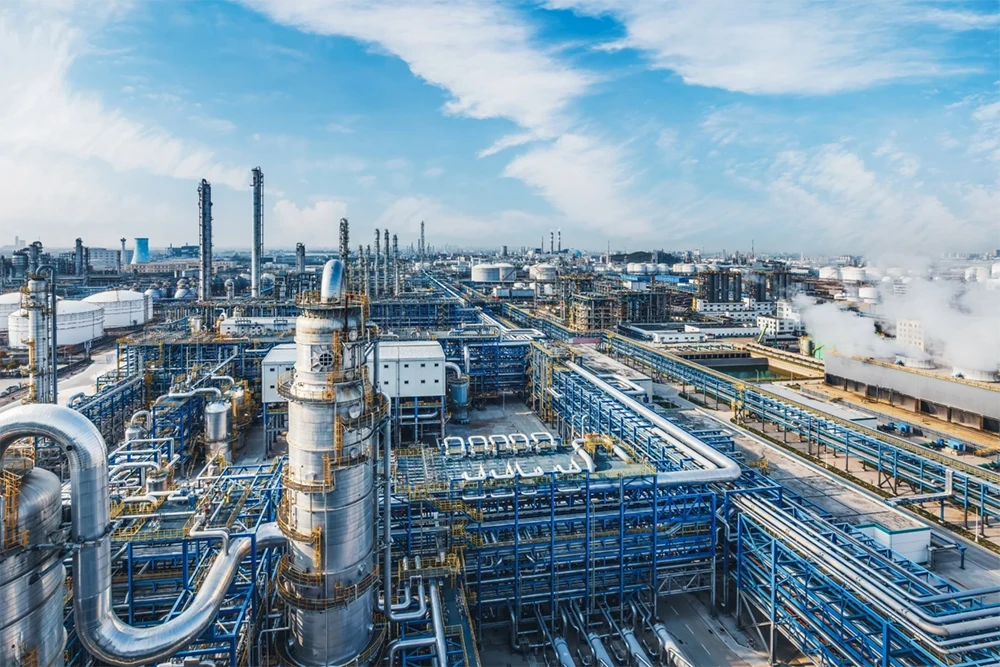
Chemical Industry
Virgin PTFE gaskets applied to reactors, heat exchangers, and storage tanks to ensure absolute resistance against strong acids, bases, and solvents.
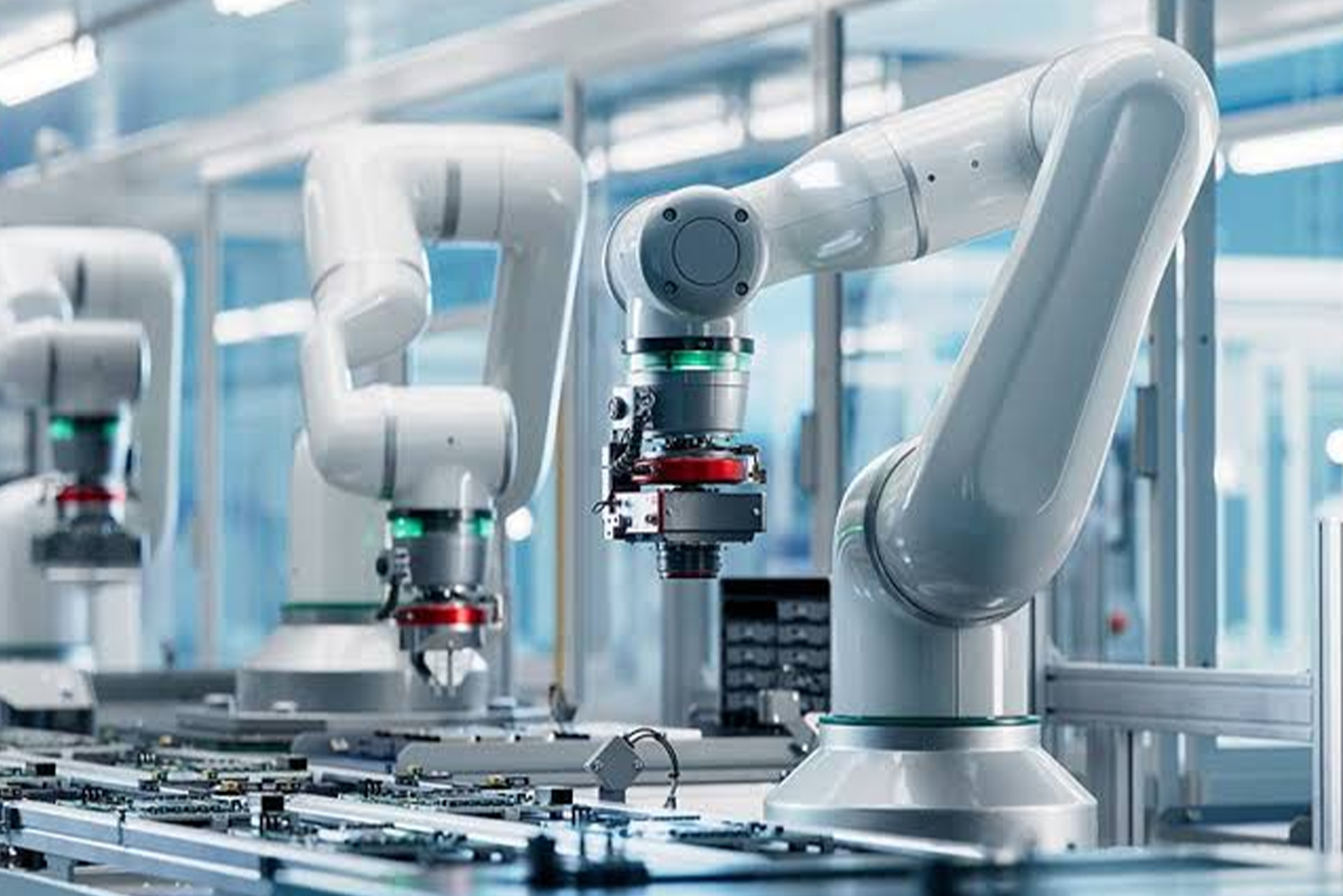
Electronics & IT
Precision dielectric insulators integrated into circuit boards and battery systems to prevent current leakage and short circuits in harsh environments.
Pharmaceuticals
Non-toxic and non-stick sealing components utilized in sanitary manufacturing equipment to maintain extreme purity and prevent drug contamination.
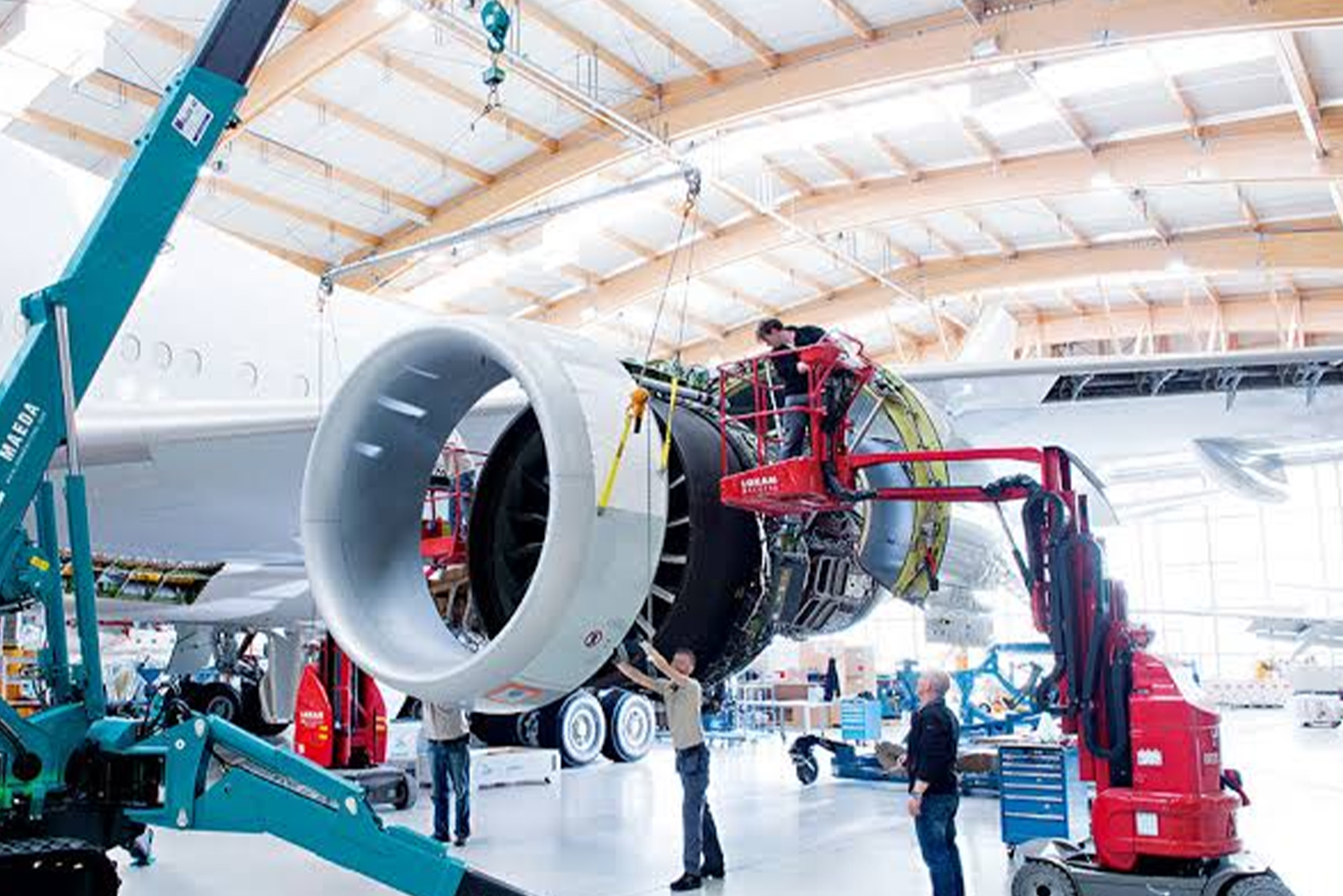
Aerospace & Valves
Wide-temperature PTFE seals installed in aircraft systems and industrial pumps to provide self-lubricating friction reduction and pressure retention.

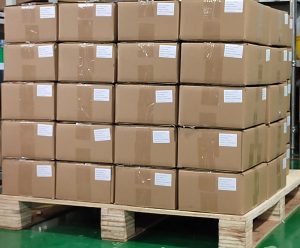
Secure Export Packaging & Global Delivery

100% Final Inspection

Final Quality Check

Global Dispatch

Flexible Trade Terms
Frequently Asked Questions
Q1: What is the difference between Virgin PTFE and Filled PTFE?
A: Virgin PTFE offers the highest chemical purity and electrical insulation. Filled PTFE incorporates materials like glass fiber, graphite, or bronze to significantly increase wear resistance, compressive strength, and thermal conductivity under heavy loads.
Q2: Can PTFE gaskets handle extreme cold and heat?
A: Yes. Polytetrafluoroethylene maintains its mechanical toughness at cryogenic temperatures as low as -180°C and provides stable continuous sealing performance up to 260°C (500°F).
Q3: Is it possible to apply adhesive backing to Teflon gaskets?
A: Because PTFE is naturally non-stick, standard adhesives will not bond to it. We must apply a specialized chemical etching treatment to one side of the gasket before laminating it with 3M or Nitto industrial adhesives.
Q4: What shapes and configurations can you manufacture?
A: Using precision die-cutting and machining, we produce standard flat rings, square gaskets, and complex multi-layer profiles (such as L, U, or V-shaped seals) to match intricate flange surfaces.