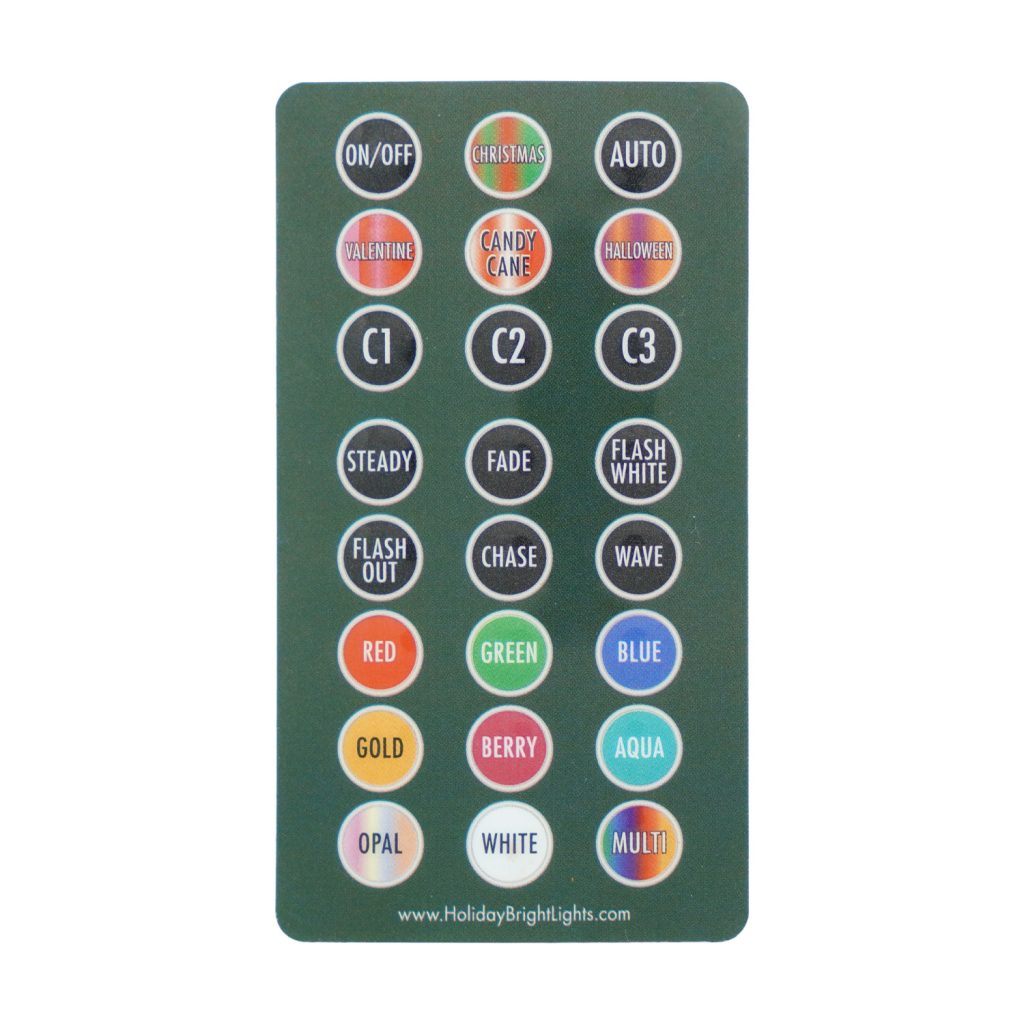



When engineering a membrane switch or industrial control panel, the graphic overlay is the user’s only physical connection to the machine. While vibrant colors and sharp printing are essential for visual communication, the physical interaction is what truly dictates the user’s perceived quality of the equipment.
For OEM designers, specifying embossing on a graphic overlay is often viewed simply as a way to make a button “feel nice.” However, on the factory floor, embossing is a highly functional, engineered feature.
From housing tactile metal domes to preventing accidental machine actuation, here is a deep dive into why embossing is a critical mechanical component in modern graphic overlays and membrane switches.
What Actually is Overlay Embossing?
In the membrane switch industry, embossing is a thermoforming process. Using custom-machined male and female molds (typically made of magnesium or copper) combined with precise heat and pressure, we permanently deform the plastic substrate (like PET or Polycarbonate) to create raised, three-dimensional areas.
Depending on the functional requirement of the control panel, manufacturers typically utilize three types of embossing:
- Pad/Pillow Embossing: The entire button area is raised, forming a flat plateau.
- Rim/Ring Embossing: Only the outline of the button is raised, leaving the center flat.
- Dome Embossing (Poly Domes): The plastic itself is formed into a spherical dome to provide its own tactile “snap” when pressed.
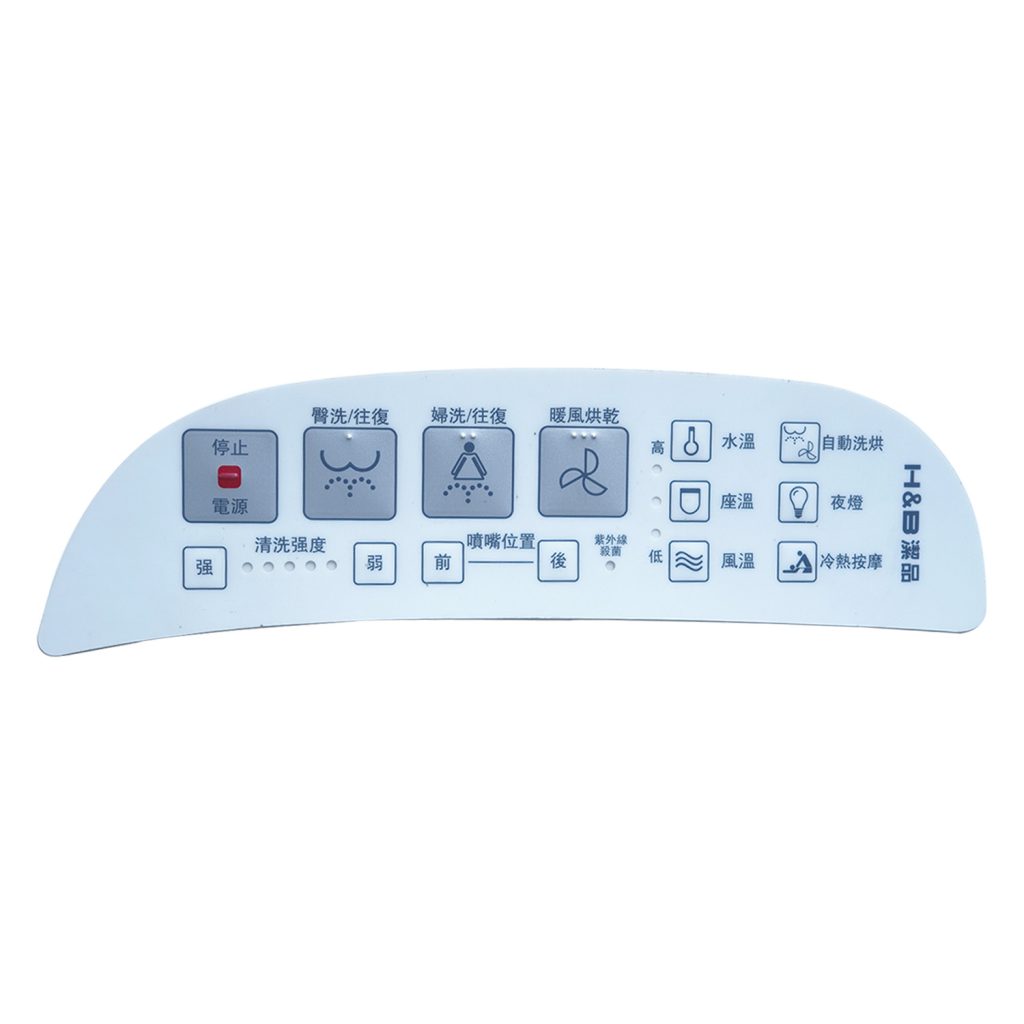
The Engineering Benefits of Embossed Overlays
Why do engineers specifically request an embossed layer on their Bill of Materials (BOM)? It goes far beyond aesthetics.
1. Housing Tactile Domes (The “Click”)
If your membrane switch uses metal domes to provide a crisp, audible “click” when a button is pressed, embossing is almost mandatory. A raised pillow or dome emboss creates the physical cavity necessary to house the metal dome. Without this raised area, the overlay would constantly compress the dome, reducing its travel distance and ruining the tactile feedback.
2. Enabling “Blind Operation”
In medical environments or heavy industrial settings, operators must keep their eyes on the patient or the machinery, not on the control panel. Embossed keys act as physical finger guides. They allow users to locate specific buttons through touch alone, drastically reducing operational errors and improving workflow efficiency.
3. Preventing Accidental Actuation
Accidentally pressing the wrong button on a CNC machine or a medical laser can be disastrous. By utilizing Rim Embossing, manufacturers create a raised physical barrier around a flat button. This requires the user to deliberately press their finger inside the ring, acting as a built-in safety guard against unintended impacts or sliding hands.
4. Premium Brand Aesthetics
From a marketing perspective, a flat, 2D sticker feels cheap. An overlay with precisely embossed logos, raised LED indicator windows, and contoured buttons instantly elevates the perceived value of the hardware, making it feel like a premium, heavy-duty instrument.
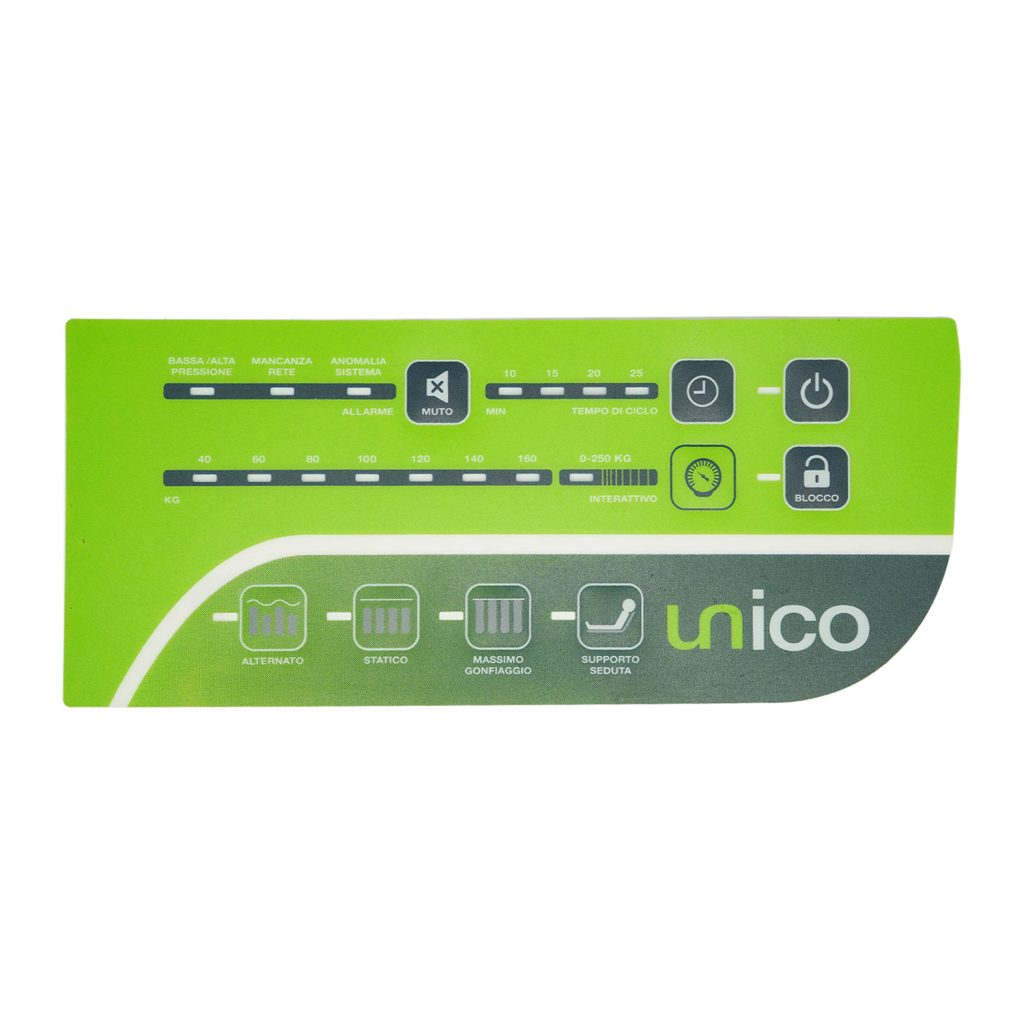
Substrate Selection: Choosing the Right Material for Embossing
Not all plastics react to thermoforming the same way. The material you specify will dictate the lifespan of the embossed key.
- Polyester (PET): The undisputed gold standard for tactile membrane switches. PET has a highly crystalline structure, giving it an exceptional flex life. An embossed PET button can easily withstand millions of actuations without cracking at the hinges.
- Polycarbonate (PC): While Polycarbonate offers superior optical clarity for display windows and is very easy to form, it has a significantly lower flex life than PET. Therefore, PC is generally only recommended for flat overlays or decorative rim embossing where the raised area will not be subjected to heavy, repeated bending.
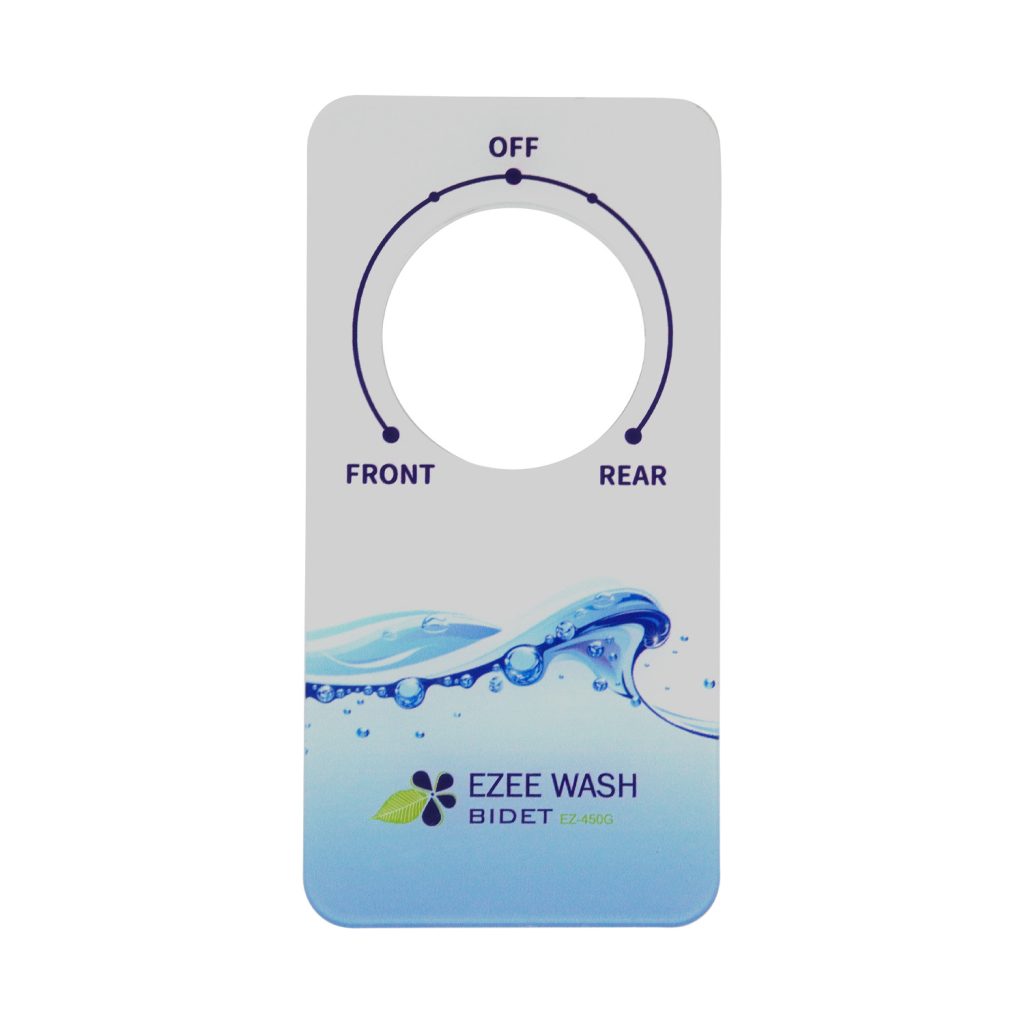
The BX-PANEL Advantage: Precision Custom Manufacturing
Achieving the perfect emboss requires more than just a press; it requires flawless tooling alignment and a deep understanding of material stress limits. If the mold temperature is too low, the emboss won’t hold its shape. If it’s too high, the material becomes brittle.
At Xiamen XINBIXI Electronic Technology Co., Ltd. (BX-PANEL), we treat embossing as an exact science.
With over 10 years of dedicated OEM experience, a 3,000-square-meter facility, and a highly skilled team of over 100 professionals, we specialize in translating your complex blueprints into flawless physical products.
Whether your project requires extreme-tolerance poly domes for medical keypads or heavy-duty rim embossing for industrial machinery, our in-house tooling and Class 10,000 cleanrooms ensure your overlays deliver consistent tactile feedback from the first press to the millionth.
Ready to elevate your product’s user interface? Do not leave your user experience to chance. Partner with the manufacturing experts at BX-PANEL to engineer the perfect embossed graphic overlay for your next project.
- 🌐 Explore our capabilities: www.bx-panel.com
- 📧 Send us your blueprints for a free capability review: [email protected]