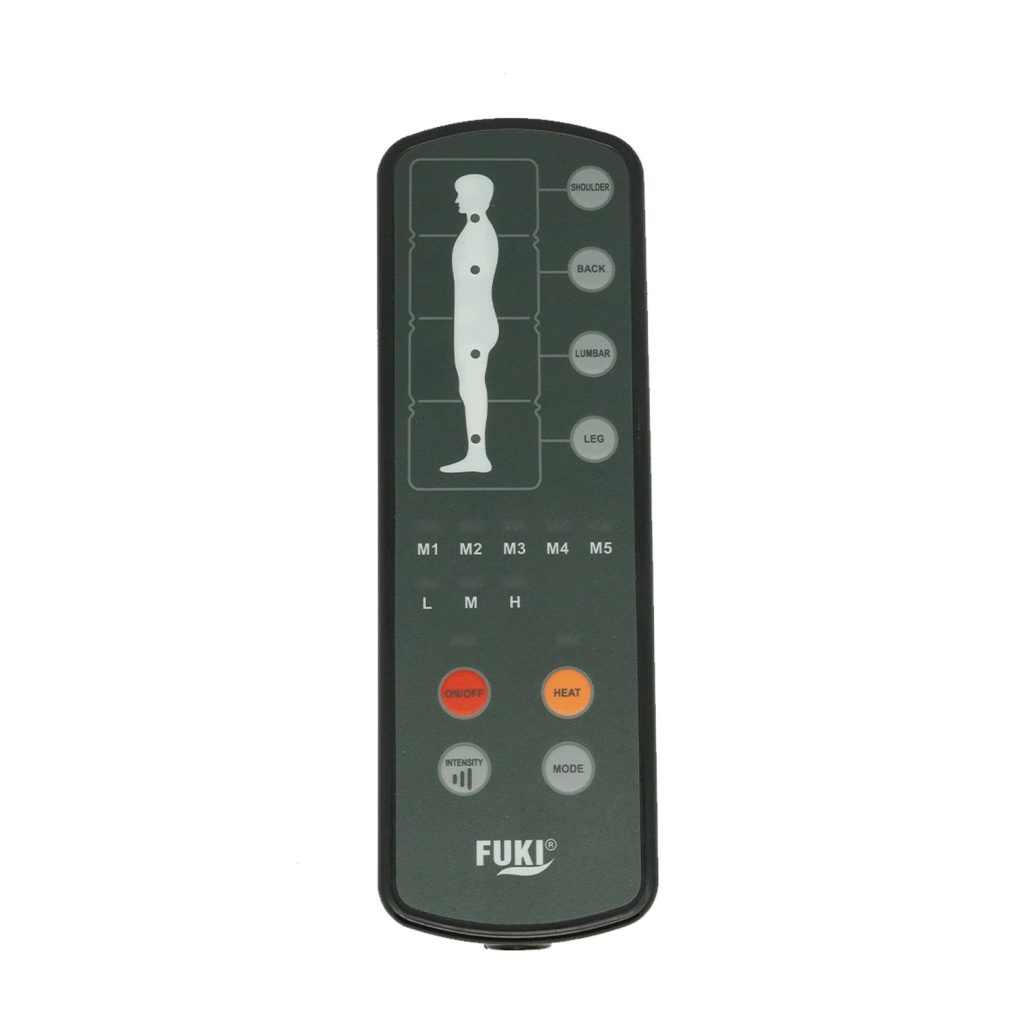



When a multi-thousand-dollar medical device or industrial machine is deployed into the field, the graphic overlay is its first line of defense. It will face relentless daily abuse—from fingernails and heavy work gloves to tool impacts and harsh chemical wash-downs.
If the overlay scratches easily, display windows become cloudy, graphics fade, and the end-user immediately perceives the entire machine as cheap or worn out.
For OEM procurement and engineering teams, scratch resistance testing is not just a quality checkbox; it is the ultimate defense against costly field failures and RMA (Return Merchandise) claims. Here is what you actually need to specify on your BOM to guarantee surface durability.
The 3 Pillars of Overlay Durability
The survival of an interface under abrasive conditions comes down to three manufacturing choices:
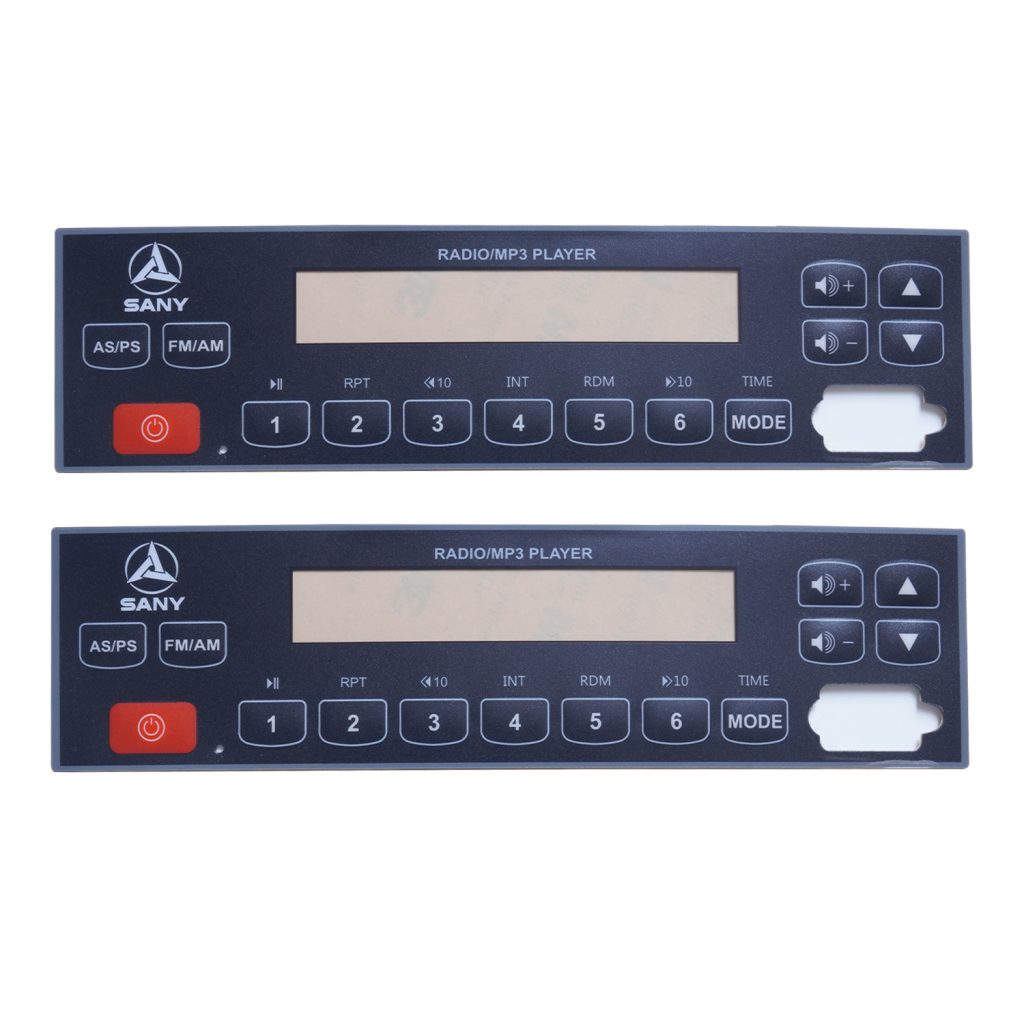
- The Substrate (PET vs. PC): Polyester (PET) is the industry standard for tactile keypads, but it must be hard-coated for high-wear environments. Polycarbonate (PC) offers incredible impact strength and optical clarity, but raw PC is inherently soft. If specified, it must include a secondary UV-cured hard coating to survive daily use.
- The Surface Finish: Glossy surfaces reflect light uniformly, meaning they highlight every single micro-abrasion and fingerprint. Conversely, a textured or matte finish features microscopic peaks and valleys that scatter light, brilliantly hiding minor wear and tear in heavy industrial settings.
- Hard-Coat Density: The thickness of the plastic film matters less than the density of its topcoat. A thin, highly dense coating rated at 4H pencil hardness will drastically outperform a thicker, untreated piece of plastic.
How the Factory Floor Tests It
Reputable manufacturers do not guess on durability. They use standardized ASTM metrology equipment to simulate years of abuse in a matter of hours:
- Taber Abraser Testing (ASTM D4060): The overlay is mounted on a rotating platform and ground by two abrasive wheels under a heavy load. This perfectly simulates years of harsh wiping and repeated fingertip friction.
- Pencil Hardness Testing (ASTM D3363): Calibrated graphite pencils (ranging from 1H to 6H) are dragged across the overlay under strict pressure. The rating is established by the hardest pencil that fails to leave a permanent scratch.
- Steel Ball Mar Testing: A hardened steel tip is dragged across the surface with increasing force, simulating sudden point-impacts like a dropped tool or a scraping key.
Engineered to Survive: The BX-PANEL Advantage
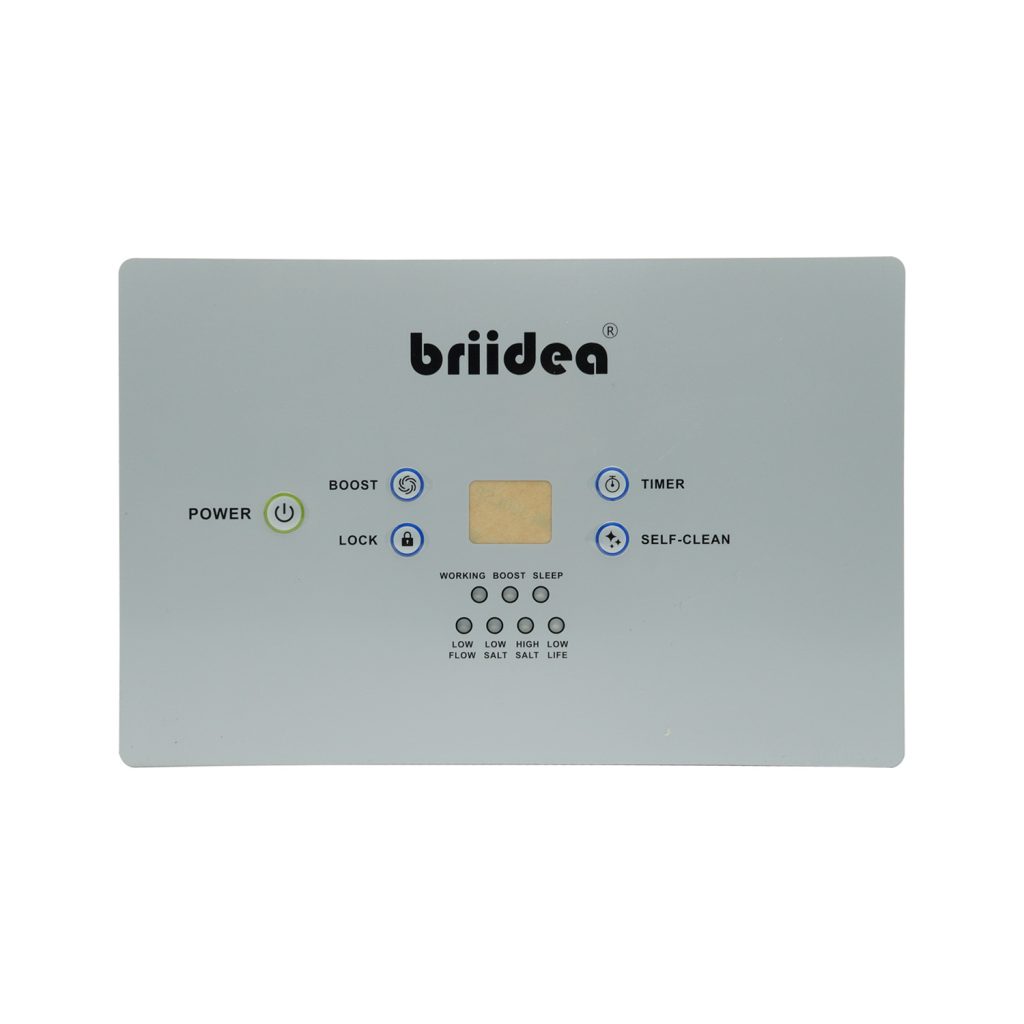
At Xiamen XINBIXI Electronic Technology Co., Ltd. (BX-PANEL), we do not just print graphics; we engineer interfaces built to survive the real world.
Our ISO-certified quality control workflow ensures your BOM specifications are met before the product ever ships. From testing incoming rolls of hard-coated PET to performing Taber abrasion spot-checks on the assembly line, we tailor the durability to your exact application. Whether you need extreme 6H hard-coats for public kiosks or selective texturing to hide wear while keeping LCD windows clear, we have the manufacturing capability to execute it flawlessly.
Protect your internal components and your brand reputation by specifying the right materials from the start.
Ready to lock in a durable, scratch-resistant interface?
🌐 Website: www.bx-panel.com
📧 Email: [email protected]